Moisture Resistant Wall Panels
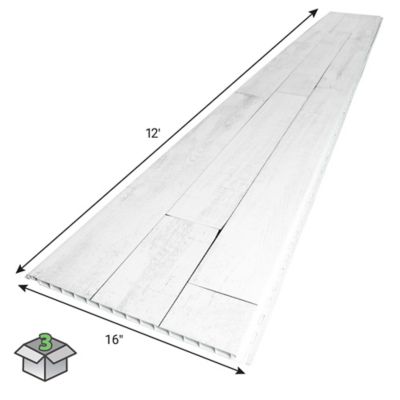
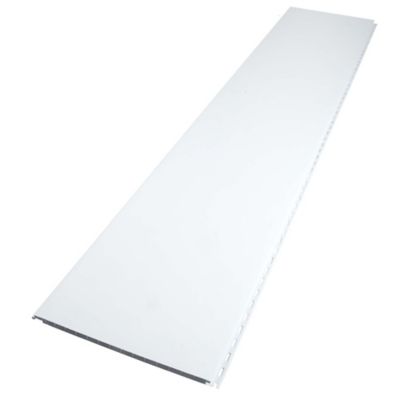
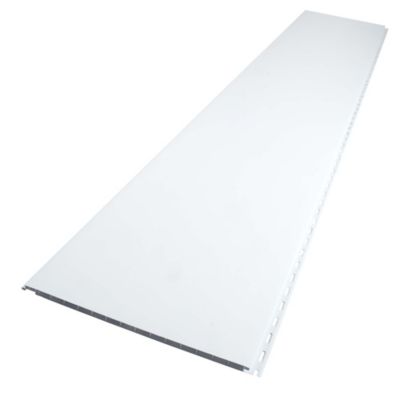
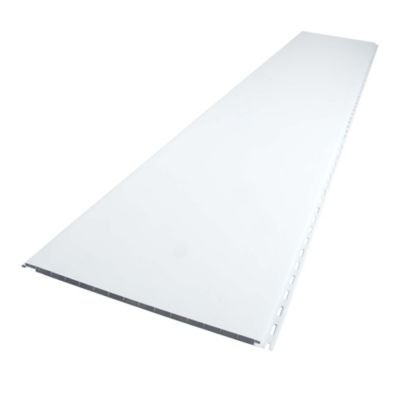
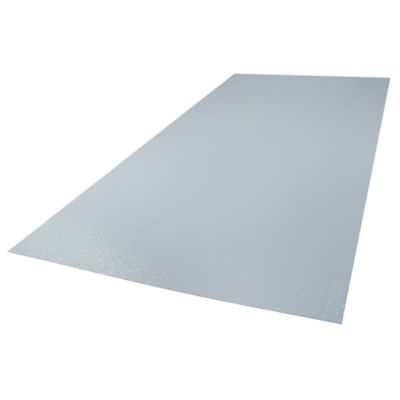
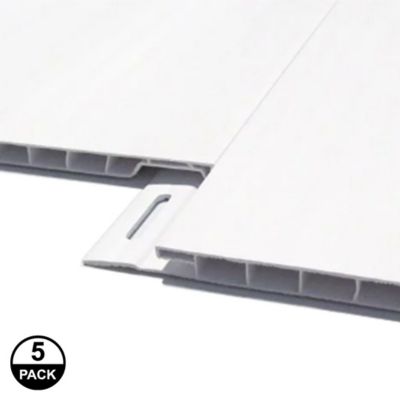
Moisture Resistant Wall Panels are a smart choice for anyone looking to tackle projects in spaces where dampness can be a challenge. Whether you're fixing up a barn, updating your workshop, or adding a layer of protection to your garage, these panels help keep things in good shape. Easy to work with and built for tough environments, Moisture Resistant Wall Panels fit right in on the farm or around the homestead. Get the job done with confidence and keep your walls looking sharp, no matter what the weather throws your way.
$105
.29
Sale Was $116.99 Save $11.70 (10%)
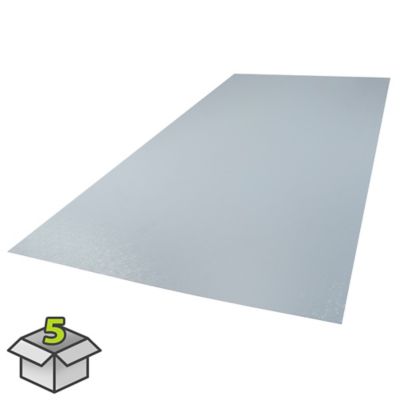
$440
.99
Sale Was $489.99 Save $49.00 (10%)
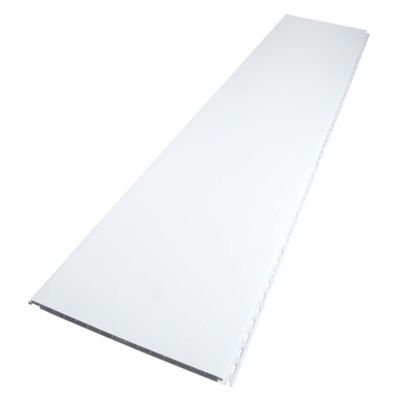
$83
.69
Sale Was $92.99 Save $9.30 (10%)
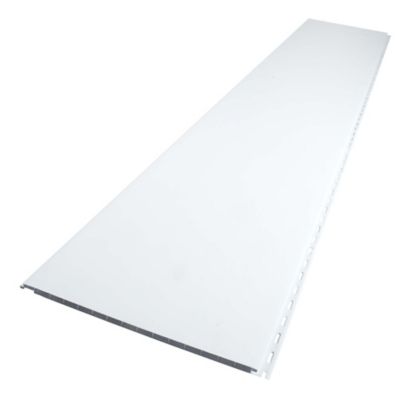
$53
.09
Sale Was $58.99 Save $5.90 (10%)
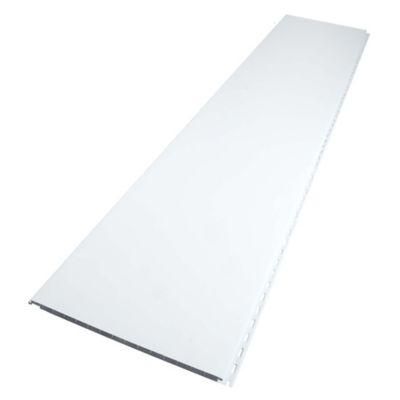
$418
.49
Sale Was $464.99 Save $46.50 (10%)
$62
.99
Sale Was $69.99 Save $7.00 (10%)
$92
.69
Sale Was $102.99 Save $10.30 (10%)
$224
.99
Sale Was $249.99 Save $25.00 (10%)

$526
.49
Sale Was $584.99 Save $58.50 (10%)

$92
.69
Sale Was $102.99 Save $10.30 (10%)
$74
.69
Sale Was $82.99 Save $8.30 (10%)
$314
.99
Sale Was $349.99 Save $35.00 (10%)
$440
.99
Sale Was $489.99 Save $49.00 (10%)
$92
.69
Sale Was $102.99 Save $10.30 (10%)

$440
.99
Sale Was $489.99 Save $49.00 (10%)

$74
.69
Sale Was $82.99 Save $8.30 (10%)
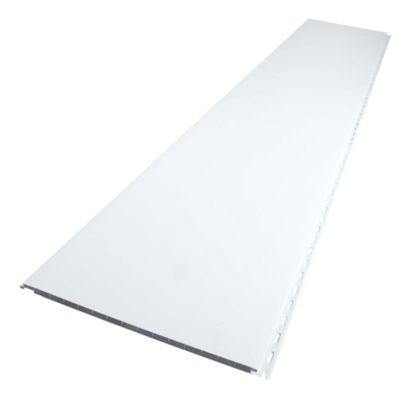
$265
.49
Sale Was $294.99 Save $29.50 (10%)

$92
.69
Sale Was $102.99 Save $10.30 (10%)
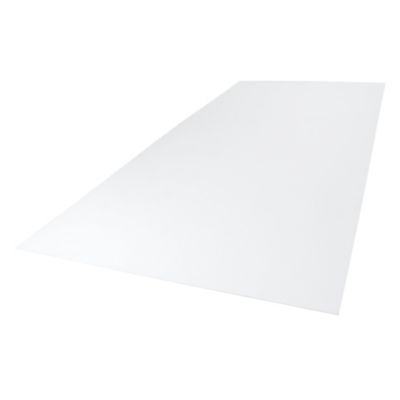
$74
.69
Sale Was $82.99 Save $8.30 (10%)
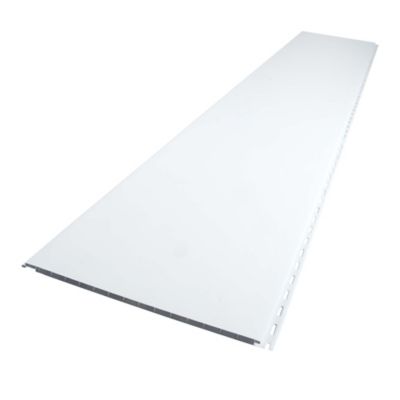
$211
.49
Sale Was $234.99 Save $23.50 (10%)
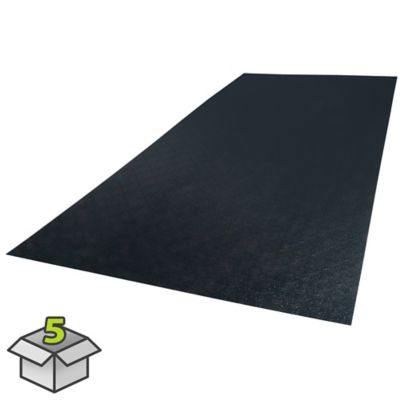
$440
.99
Sale Was $489.99 Save $49.00 (10%)
$440
.99
Sale Was $489.99 Save $49.00 (10%)
$355
.49
Sale Was $394.99 Save $39.50 (10%)
Best Of FAQ
What are moisture resistant wall panels used for?
Moisture resistant wall panels are commonly used in areas prone to humidity or dampness, such as bathrooms, laundry rooms, basements, and agricultural buildings. They help protect walls from water damage and mold growth.
Can moisture resistant wall panels be installed over existing walls?
Yes, many moisture resistant wall panels can be installed directly over existing surfaces like drywall or concrete, making them a convenient option for renovations and upgrades.
Are moisture resistant wall panels suitable for both residential and commercial spaces?
Absolutely. Moisture resistant wall panels are versatile and can be used in homes, barns, workshops, garages, and commercial facilities where added protection against moisture is needed.
How do I clean and maintain moisture resistant wall panels?
Most moisture resistant wall panels can be easily cleaned with mild soap and water. Their non-porous surfaces make them low-maintenance and help prevent the buildup of dirt and grime.
Do moisture resistant wall panels come in different finishes or styles?
Yes, these panels are available in a variety of finishes, textures, and colors to match different design preferences and functional needs.
Best Sellers
-
"What a great way to organize all my garden tools and reduce clutter in the garage"
-
"Boards look true to pictures and turned out great on wall"
-
"What a great way to organize all my garden tools and reduce clutter in the garage"
-
"Love It!! My dog can’t chew it"
-
"What a great way to organize all my garden tools and reduce clutter in the garage"