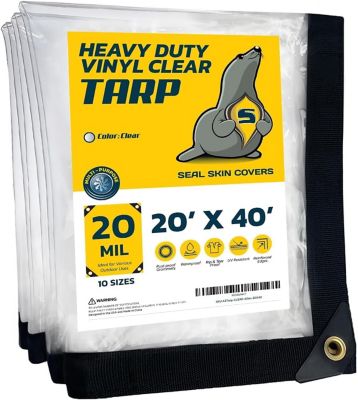
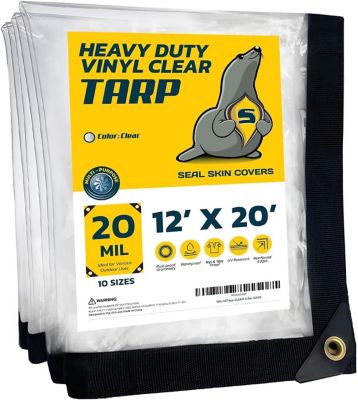
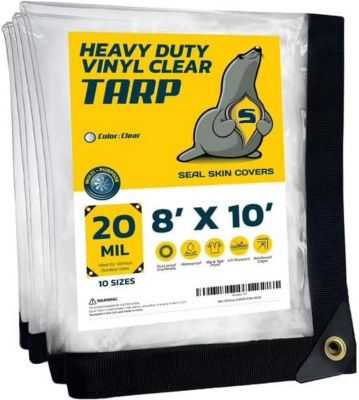
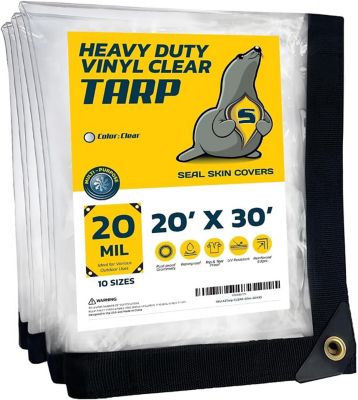
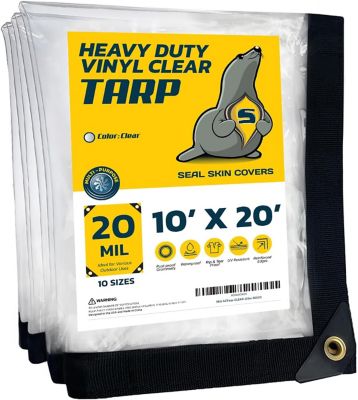
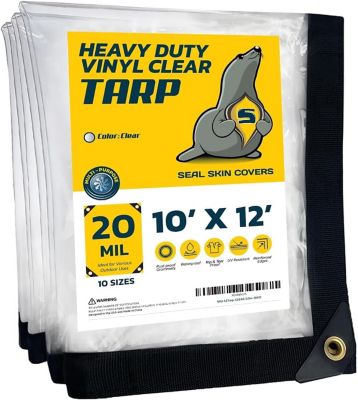
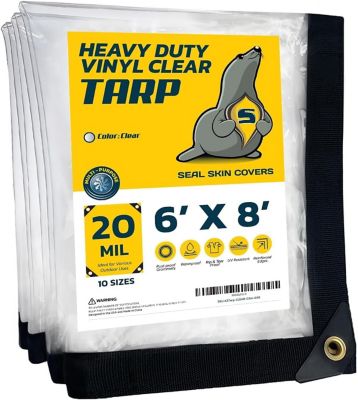
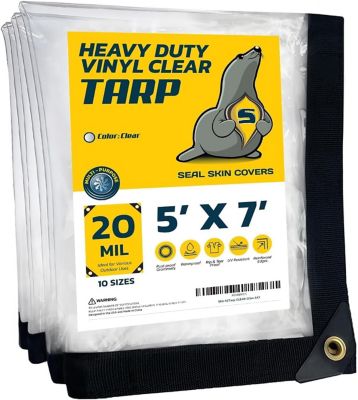
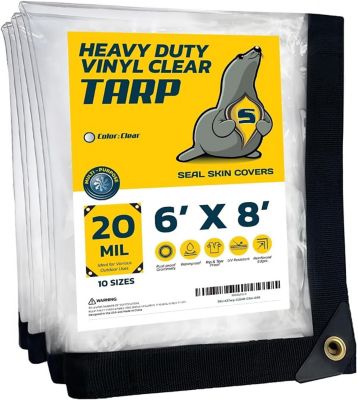
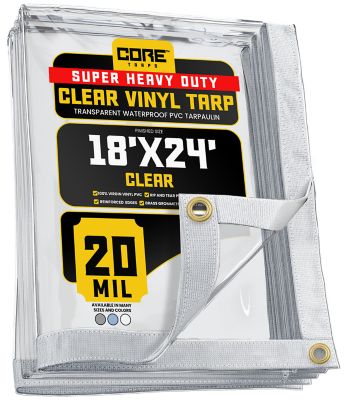
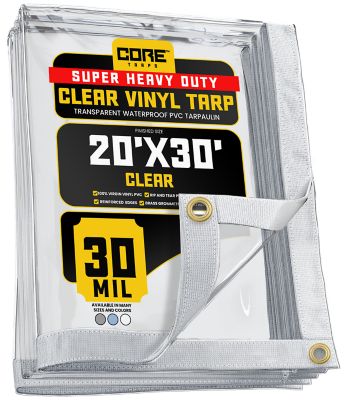
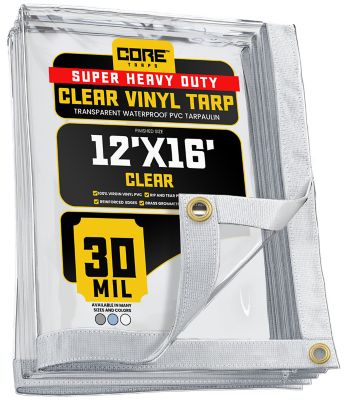
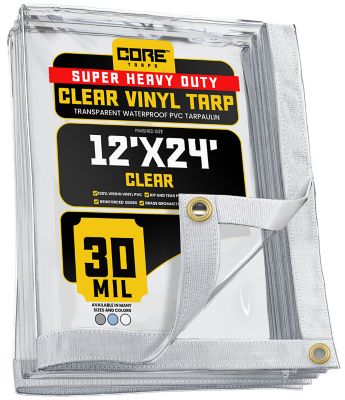
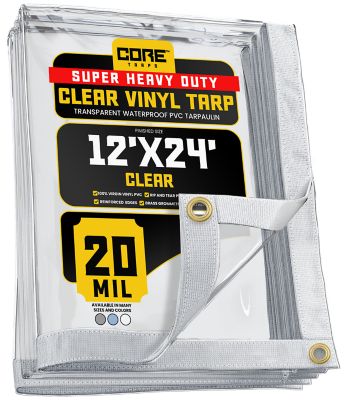
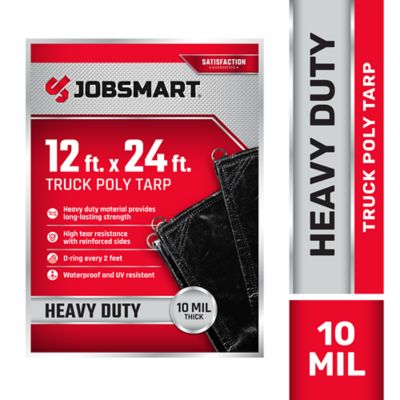
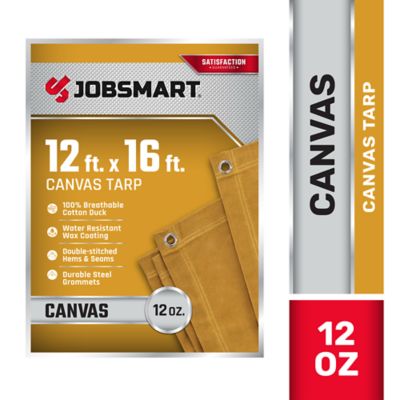
Waterproof vinyl tarps are solid, water-blocking covers made from PVC-coated or PVC-laminated fabric, often polyester, or from flexible PVC sheeting. Their main job is to keep rain and other outside moisture off the materials underneath, whether that means a stack of fence boards beside the barn or equipment parked between jobs. Reinforced versions combine a woven fabric base with a vinyl surface, giving the cover strength against pulling and everyday rubbing. Compared with lightweight polyethylene covers, many vinyl tarps have a heavier feel that suits repeated handling around farms, workshops, construction sites, and home properties. Still, performance depends on the particular construction rather than the material name alone. Thickness, fabric weight, reinforcement, edge construction, and seam design all matter. Thickness is often listed in mils, with one mil equal to one-thousandth of an inch, while fabric weight may be listed in ounces per square yard. Those measurements describe different characteristics, so a heavier tarp is not automatically thicker or better suited to every job. Heat-welded seams can help form a continuous water barrier, while reinforced hems help spread tension around the edges. Waterproof fabric also does not make an entire covered setup watertight: openings at the sides, attachment holes, damaged areas, and poorly positioned seams can still let water reach the load. For a tractor attachment waiting near the shed, a lumber pile raised on supports, or outdoor supplies that need a temporary cover, the best fit depends on what needs protection and how the tarp will sit over it. A cover that sheds water cleanly and stays clear of sharp corners often serves better than a much heavier sheet draped over an unsuitable frame. Vinyl tarps also differ in flexibility, sunlight resistance, and surface treatments, making those details worth checking for covers that will spend extended stretches outdoors. Farm owners, contractors, grounds crews, and homeowners can all find practical applications for this type of cover, especially where repeated setup and removal are part of the routine.
Getting enough coverage means accounting for the whole shape of the load, not just its footprint on the ground. A tarp stretched across a tall implement needs extra material to travel over the top and down the sides, with room left for secure attachment. A low stack of bagged materials may need less side coverage, but its corners can still put strain on the fabric. Rounded corner guards or smooth padding help keep projecting edges from grinding into the vinyl. Listed dimensions may describe the starting cut size or the finished tarp size, so checking that distinction helps prevent a cover from coming up short. For broad equipment, long lumber stacks, and other oversized loads,
Large Waterproof Tarps offer a related size category to consider when planning coverage. Extra width and length should serve the load rather than leave loose folds dragging through mud or snapping in the wind. Grommets provide attachment points, but their spacing, surrounding reinforcement, and condition affect how well the edges handle tension. Spreading attachment points around the perimeter helps avoid concentrating all the pull on one corner. Compatible tarp straps or rope can help hold a cover in place when anchored to sound attachment points, without pulling so hard that the hems distort. A supported slope lets rain run off instead of collecting in a heavy pocket across the middle. Snow and ice can add substantial weight, so a tarp should not be treated as a structural roof or left to carry an unsupported buildup. Larger covers also take more effort to spread, fold, and secure; having another person help can make handling less awkward, especially around machinery. For transport, the cover and attachment system need to suit the vehicle, load, and travel conditions. A tarp is not a substitute for proper cargo restraints, and tie-down points meant to hold a cover should never be treated as lifting points. Around the property or on the road, secure coverage starts with a stable load and an attachment arrangement matched to the job.
Long service life comes from matching the tarp to its surroundings and giving it a little attention between tasks. Vinyl blocks water, but it also limits airflow, so moisture can collect underneath when damp materials are wrapped tightly. Lumber, equipment, and other moisture-sensitive loads often benefit from clearance beneath the cover and protected openings that allow air to move without inviting rain straight inside. Keeping stored materials off wet ground helps, too. A waterproof cover cannot solve moisture coming up from below, and sealing wet contents inside may leave them damp long after the rain stops. Engines, exhaust parts, and other hot surfaces need time to cool before a tarp goes over them. Unless a cover carries a stated rating for a particular exposure, keep it away from sparks, open flames, and harsh chemicals. Sunlight resistance and mildew resistance are separate features, not promises that a tarp can stay outdoors indefinitely without attention. Dirt, trapped leaves, standing water, and constant rubbing can shorten its working life. After a muddy job, cleaning generally starts with loose debris removal, mild soap, water, and a soft brush, following the care directions for the material. Strong solvents and abrasive scrubbing can damage the coating. Let both sides dry before folding, then store the cover somewhere clean and sheltered from pests and sharp tools. Checking the corners, hems, grommets, and seams while folding makes small problems easier to spot before the next job. Some punctures or tears may be repairable with a compatible vinyl patch system, depending on their location and extent; extensive seam damage or weakened attachment areas may call for replacement. Folding along different lines from time to time can also help limit repeated stress in the same places. With sensible support, a fit that reaches where it needs to, and care that protects the coating, waterproof vinyl tarps can handle plenty of everyday covering work around the barn, shop, jobsite, and backyard.