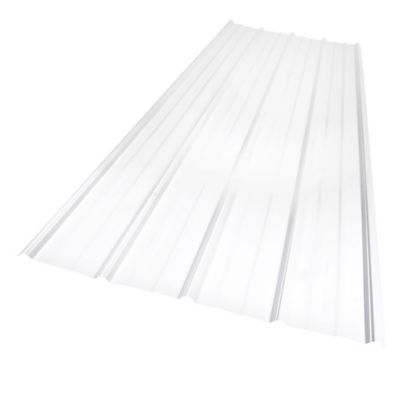
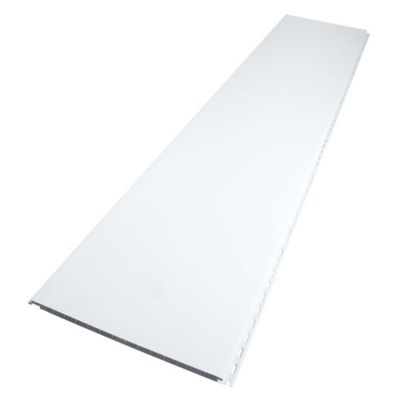
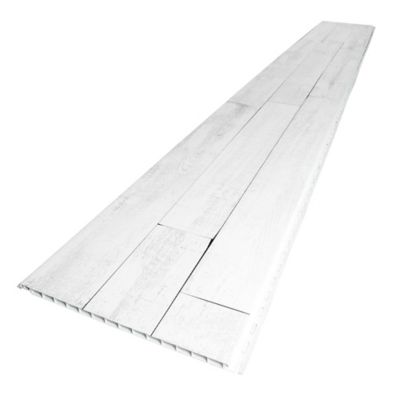
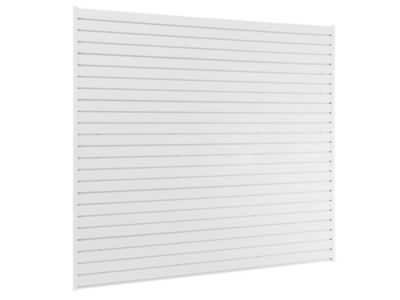
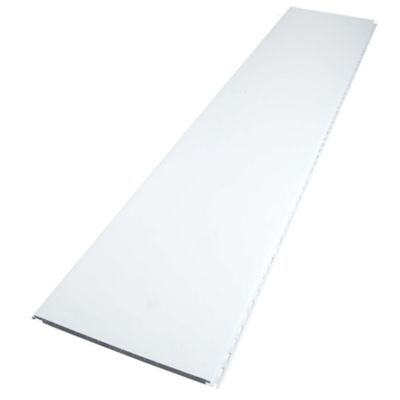
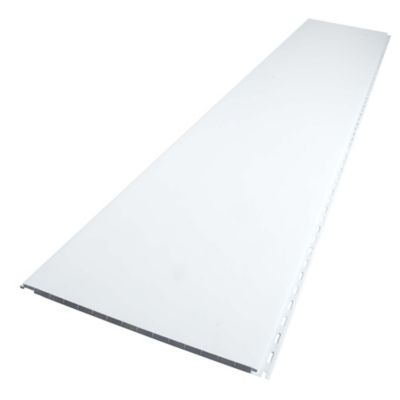
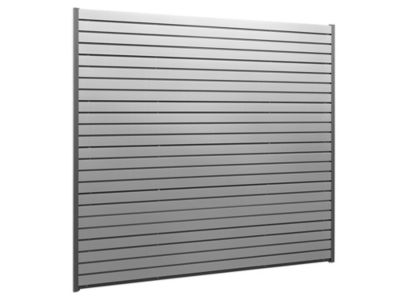
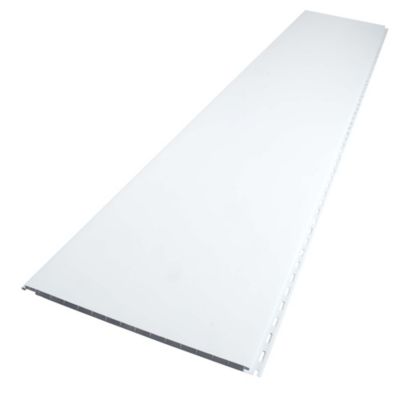
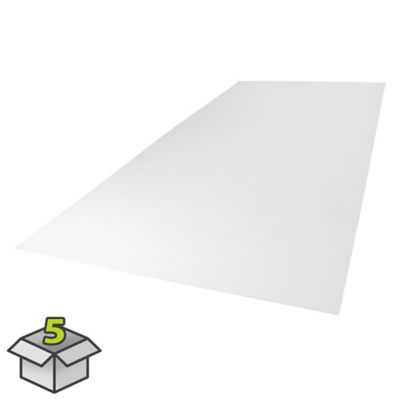
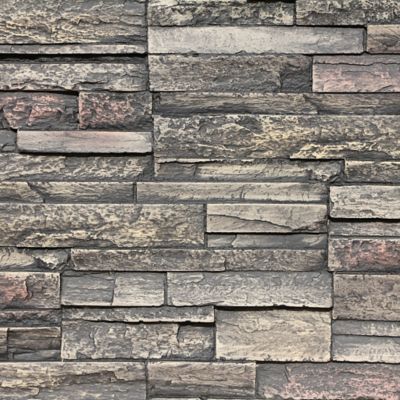
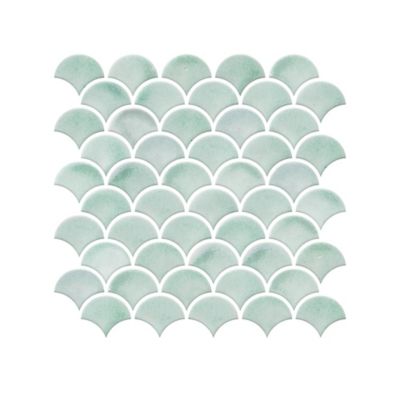
Interior PVC wall panels give hardworking rooms a finished look without making every scuff or splash a major chore. Made from polyvinyl chloride, these panels offer a wall covering for spaces where a painted surface may need more attention than the household has time to give it. Think of a mudroom beside the back door, a laundry area that handles barn clothes, or a utility room with a sink for rinsing muddy boots. The right panel can help those spaces feel pulled together while keeping everyday cleanup manageable. PVC does not absorb moisture the way unfinished wood can, though the performance of a finished wall still depends on the panel’s rating, the seams, and the installation behind it. Looks range from smooth, simple surfaces to embossed patterns, narrow vertical lines, and finishes that resemble other building materials. A flatter face suits a no-fuss work area, while a raised pattern can bring a little more character to an entryway or living space. Light colors can brighten a room with limited daylight, and deeper shades can give a bench wall or small alcove a more defined appearance. Texture matters beyond looks: deeper grooves create shadow and dimension, but they also give dust more places to settle. In a room where feed dust follows someone through the door, an easy-to-wipe face may be a better match than a heavily textured one. Panels can cover a full wall or form a lower wall section beneath paint, depending on their dimensions and the trim system. Homeowners updating a busy household, property managers refreshing interiors, and folks finishing a workspace may all find this category worth a look. The best fit comes from matching the panel to the room’s actual routine, whether that means laundry baskets brushing the wall, children dropping backpacks by a bench, or a pet shaking off water near a wash station. Appearance counts, but a wall covering earns its place by working with the way the room gets lived in.
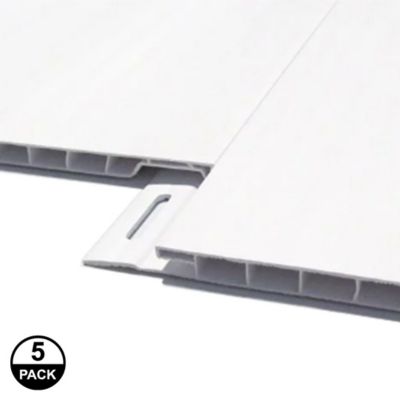
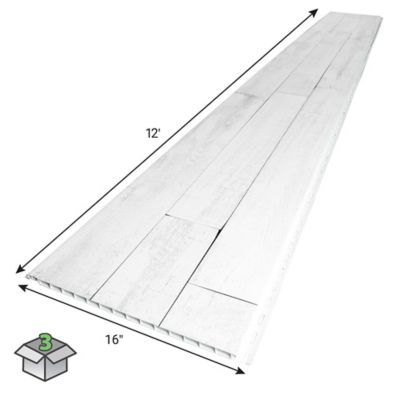
Panel construction, size, and edge design make a real difference once an interior PVC wall panel becomes part of a room. Some panels have a solid profile, while others have a hollow or cellular structure that changes their weight, stiffness, and fastening requirements. Thickness alone does not tell the whole story about resistance to dents or flexing; the profile, supporting surface, and manufacturer’s intended application matter, too. A lightweight panel suited to an accent wall may not be the best choice behind a busy storage bench where tool bags regularly bump against it. Width and length affect both the finished pattern and the number of seams, especially around doors, windows, outlets, and built-in shelving. Large panels can create broad, uninterrupted sections, while narrower interlocking formats establish a more noticeable rhythm across the wall. Tongue-and-groove or overlapping edges may help align neighboring pieces, but those connections do not automatically make the entire assembly watertight. Bathrooms, sink surrounds, and other splash-prone spaces call for panels specifically approved for the application, along with the required sealing and backing materials. A panel described as moisture-resistant should not be assumed suitable for a shower enclosure. Existing walls also affect fit: bowed drywall, uneven masonry, or loose finishes can leave panels poorly supported or make seams harder to align. Depending on the system, attachment may involve a compatible adhesive, mechanical fasteners, or a specified combination. Adhesive compatibility deserves attention because a bonding product intended for another material may not suit PVC. Coordinating inside corners, outside corners, edge caps, and base transitions can make the difference between a tidy finish and exposed cut edges. Outlet covers and switch plates need to sit correctly after the wall thickness changes, and grab bars, shelves, and hooks need proper support beyond the panel face. These details are especially important in small utility spaces, where plumbing connections, cabinets, and door casings leave little room for awkward transitions. Manufacturer instructions and applicable building requirements should guide the finished assembly, including any required movement gaps and restrictions near heat sources.
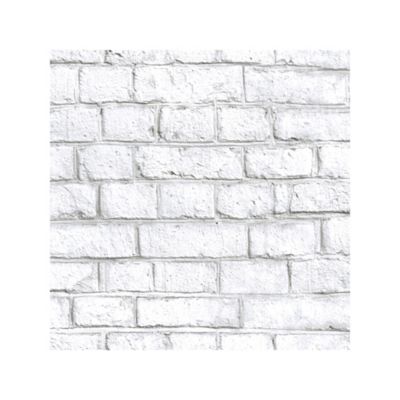
Everyday care is another reason to consider PVC wall coverings, particularly in rooms that see frequent handprints, splashes, and passing traffic. Many surfaces clean up with a soft cloth and a mild cleaner approved by the manufacturer, rather than scrubbing that can dull or scratch the finish. Abrasive pads and strong solvents can damage some faces, and cleaners suitable for one finish may not suit another. Smooth panels generally make wiping simpler, while embossed surfaces may need a little extra attention along the recesses. Seams, bottom edges, and trim joints deserve the same care as the broad panel face, especially beside a utility sink or pet washing area. Moisture resistance does not replace a sound wall, good ventilation, or attention to a plumbing leak; water trapped behind any covering can create problems out of sight. For long-term wear, consider what will touch the surface every day. A chair back rubbing the same spot, a hamper wedged beside the washer, or a kennel pushed against the wall can leave marks even on a low-maintenance finish. Appropriate clearances and protective stops can help limit that repeated contact. PVC panels are finish materials, not structural reinforcement, and their suitability for garages, commercial spaces, or areas near cooking equipment depends on the stated application and required fire performance. Beyond practical needs, the panel pattern should sit comfortably alongside existing floors, cabinets, and woodwork. Straight vertical lines can complement simple cabinetry, while a quieter surface lets a patterned floor take the lead. For a different wall treatment with the look of masonry,
interior faux brick wall panels offer another direction to consider, with material and care requirements that depend on their construction. Whether the goal is a cleaner-looking laundry nook or a more finished back entry, interior PVC wall panels make the most sense when their appearance, installation needs, and care routine line up with the job the room has to do.