Easy Install Wall Panels
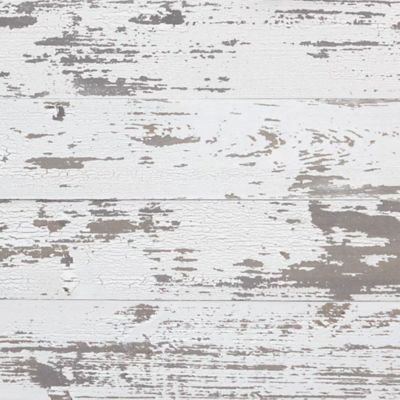
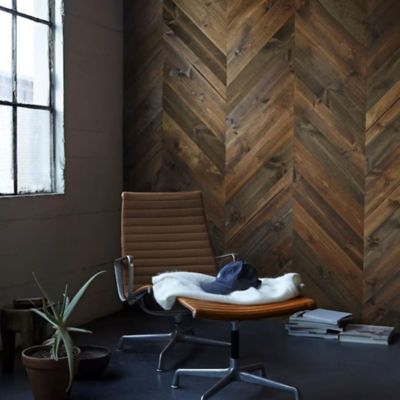
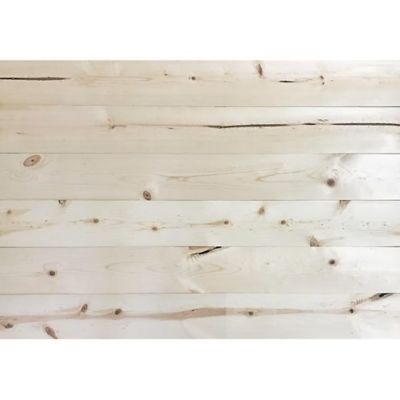
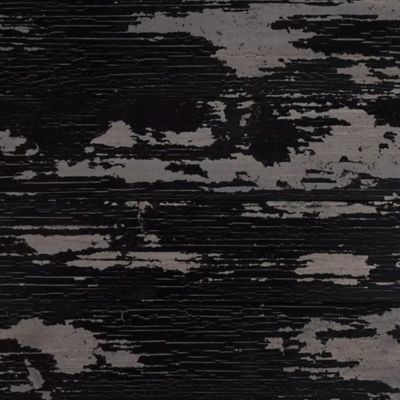
Easy Install Wall Panels make sprucing up your space a breeze, whether you’re fixing up the barn, updating the shop, or giving your mudroom a fresh look. With options that fit just about any style or need, these panels are perfect for folks who want a quick upgrade without a lot of hassle. Find the right Easy Install Wall Panels to get the job done and add some practical charm to your walls in no time.

$58
.49
Sale Was $64.99 Save $6.50 (10%)

$44
.99
Sale Was $49.99 Save $5.00 (10%)
$58
.49
Sale Was $64.99 Save $6.50 (10%)

$58
.49
Sale Was $64.99 Save $6.50 (10%)

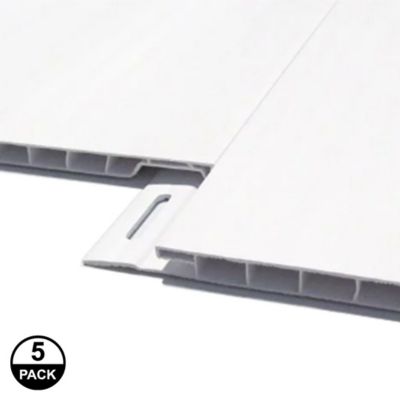
$224
.99
Sale Was $249.99 Save $25.00 (10%)
$92
.69
Sale Was $102.99 Save $10.30 (10%)
$105
.29
Sale Was $116.99 Save $11.70 (10%)
$53
.09
Sale Was $58.99 Save $5.90 (10%)
$62
.99
Sale Was $69.99 Save $7.00 (10%)
$74
.69
Sale Was $82.99 Save $8.30 (10%)
$440
.99
Sale Was $489.99 Save $49.00 (10%)
$83
.69
Sale Was $92.99 Save $9.30 (10%)

$58
.49
Sale Was $64.99 Save $6.50 (10%)
$440
.99
Sale Was $489.99 Save $49.00 (10%)
$418
.49
Sale Was $464.99 Save $46.50 (10%)

$92
.69
Sale Was $102.99 Save $10.30 (10%)
$211
.49
Sale Was $234.99 Save $23.50 (10%)
$440
.99
Sale Was $489.99 Save $49.00 (10%)
$92
.69
Sale Was $102.99 Save $10.30 (10%)
Best Of FAQ
What are easy install wall panels typically made of?
Easy install wall panels are commonly made from materials such as PVC, MDF, wood, or composite materials. These materials are chosen for their durability, lightweight nature, and ease of handling during installation.
Can easy install wall panels be used in rooms with high humidity?
Many easy install wall panels are designed to be moisture-resistant, making them suitable for use in areas like bathrooms, kitchens, or laundry rooms. However, it's important to check the manufacturer's recommendations for specific usage environments.
Are easy install wall panels suitable for both residential and commercial spaces?
Yes, easy install wall panels are versatile and can be used in a variety of settings including homes, offices, retail spaces, and workshops. Their simple installation process makes them a popular choice for both DIY enthusiasts and professionals.
Do I need special tools to install easy install wall panels?
Most easy install wall panels are designed for straightforward installation and typically require only basic tools such as a tape measure, level, utility knife or saw, and adhesive or fasteners. Always refer to the installation instructions provided with your panels.
Can easy install wall panels be painted or customized after installation?
Some types of easy install wall panels can be painted or finished to match your decor. Be sure to check the product specifications to ensure compatibility with paints or finishes before customizing your panels.
Best Sellers
-
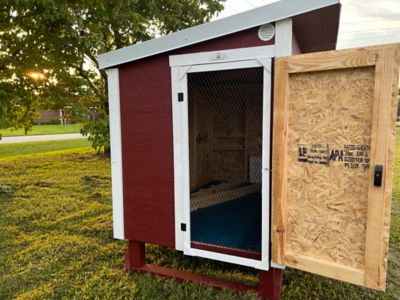
"Great way to add ventilation to the coop! Love that the frame is made of PVC"
-
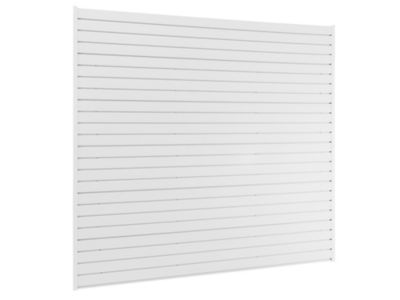
"I love how it can use any standard slatwall accessory unlike some of the big box store brands"
-
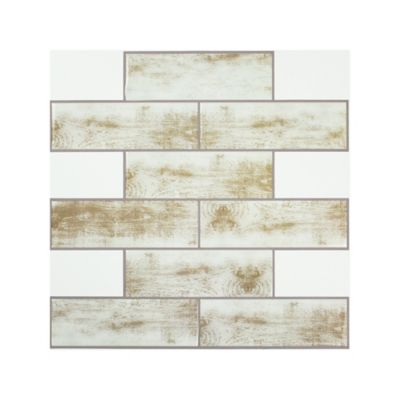
"These tiles are great. The go on easy and look really good"
-
"What a great way to organize all my garden tools and reduce clutter in the garage"
-
"Great product, good price. Employee even helped loading in SUV"