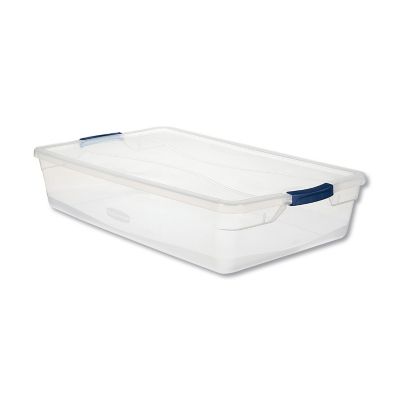
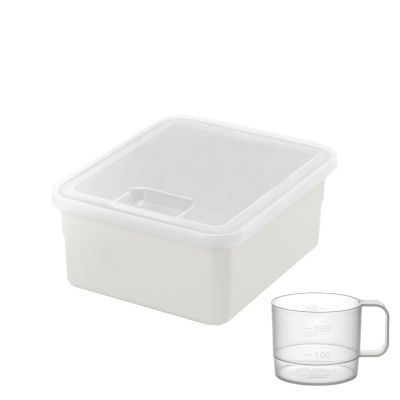
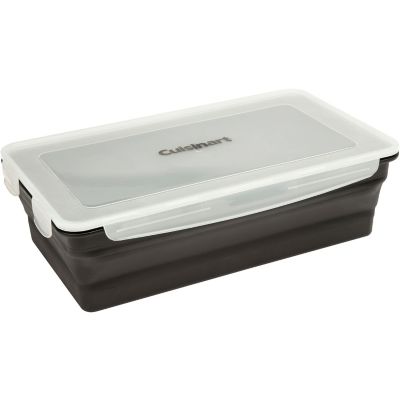
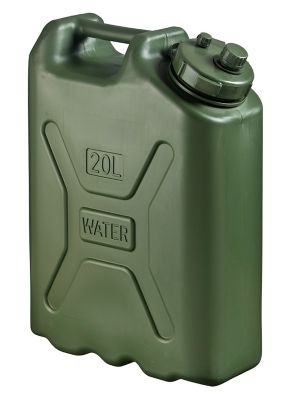
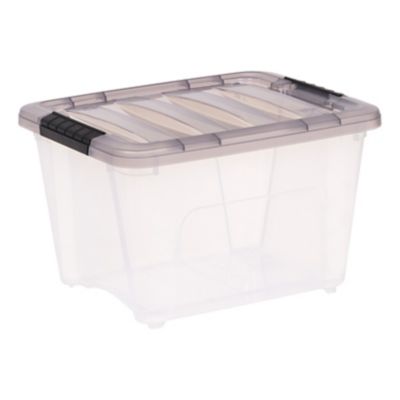
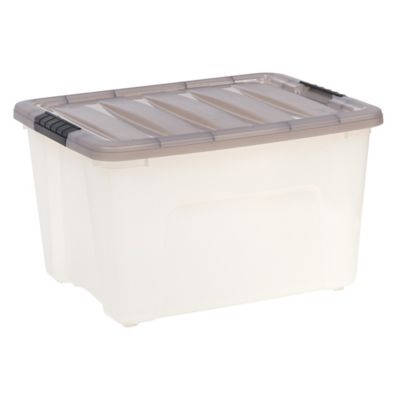
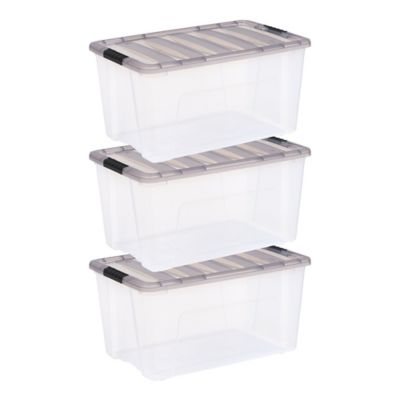
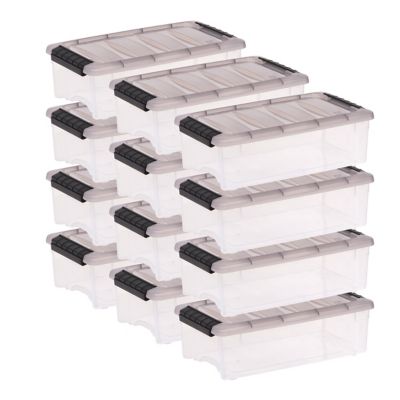
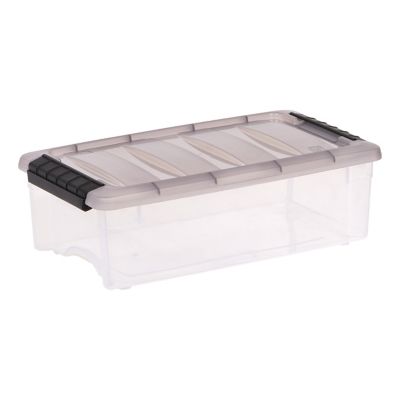
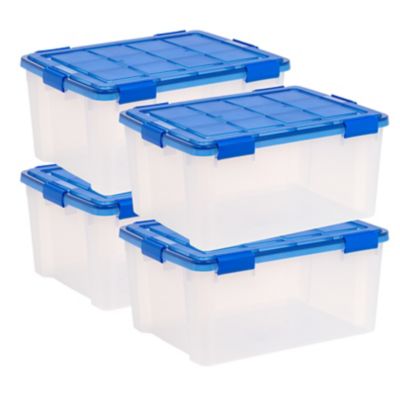
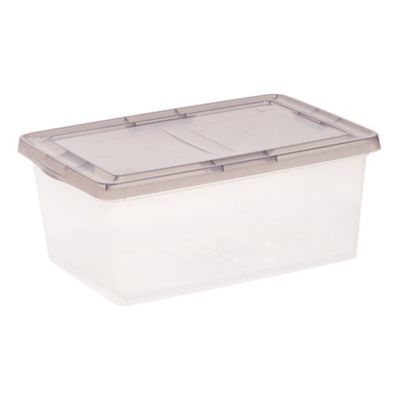
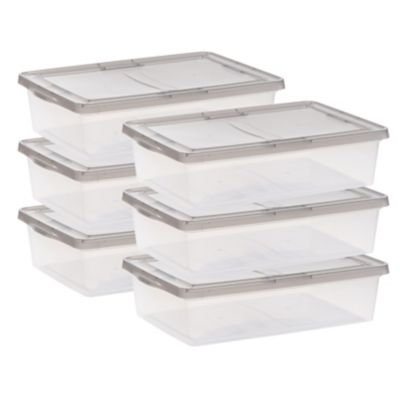
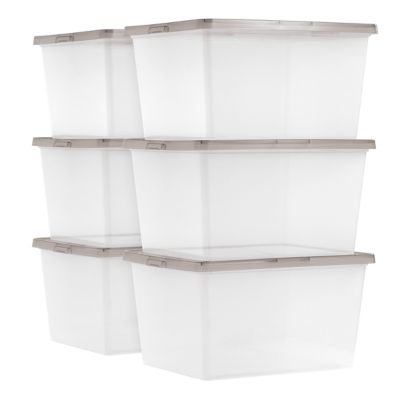
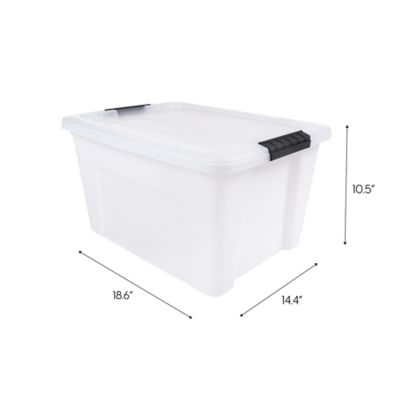
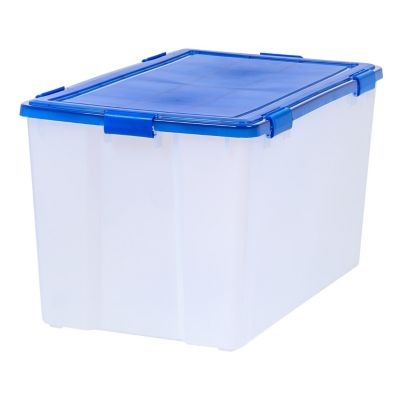
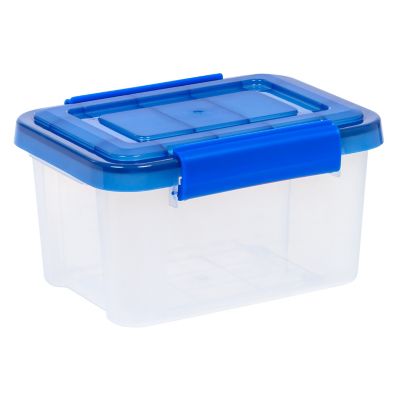
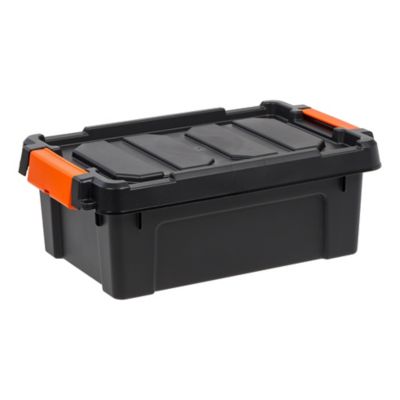
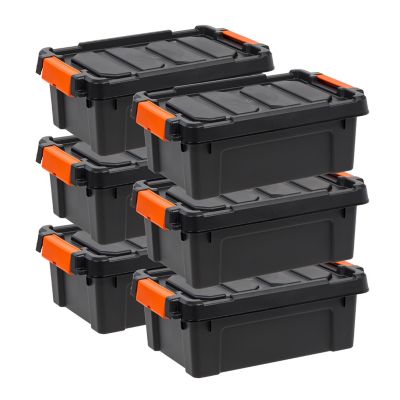
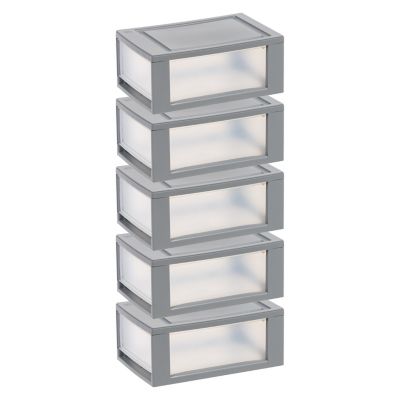
Plastic storage containers help keep everyday belongings from spreading across the house, garage, barn office, or workshop. A shelf full of containers can give fence repair supplies a place of their own, keep spare gloves together, and separate household paperwork from the odds and ends that tend to collect on a workbench. Their appeal is straightforward: plastic is lighter to handle than many metal storage options, wipes clean without much fuss, and comes in shapes that fit a wide range of spaces. Many containers are made from polypropylene or polyethylene, though wall thickness, construction, and overall design matter just as much as the material name. A container for folded clothing has different demands than one holding hardware or hand tools. Clear and translucent designs make contents easier to spot, while opaque containers keep busy-looking shelves more visually settled. Wide, shallow shapes suit belongings that need to stay spread out, such as sewing supplies or small repair parts. Taller containers make more sense for things that can stand upright or pile loosely without getting tangled. Fit goes beyond the amount a container holds. The outside measurements, including handles and any overhanging lid edges, determine whether it will slide beneath a bench, sit neatly in a closet, or leave enough room beside the laundry sink. On a garage shelf, a little space above the lid makes a big difference when reaching in without pulling everything down. Containers with straighter sides can make better use of a tight shelf, while tapered sides may let empty containers nest together. Neither shape is better for every job; the right fit depends on the space and how often the contents need to come out. For households juggling chores, hobbies, and repair work, keeping related belongings in separate containers makes it easier to carry a whole group to the task instead of gathering everything one piece at a time.
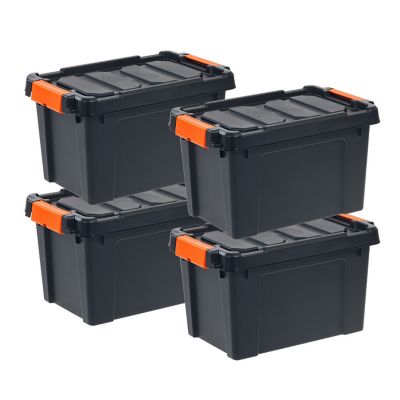
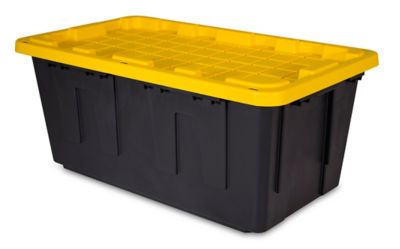
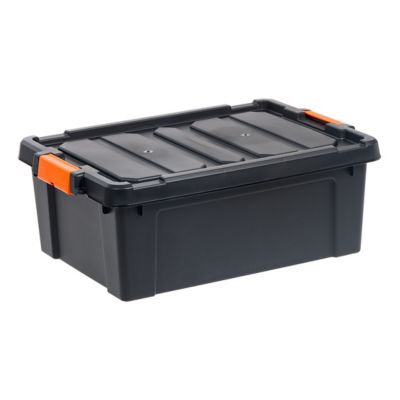
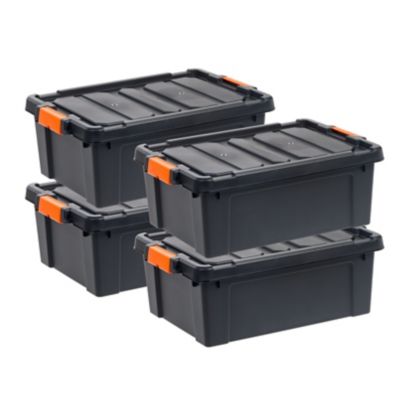
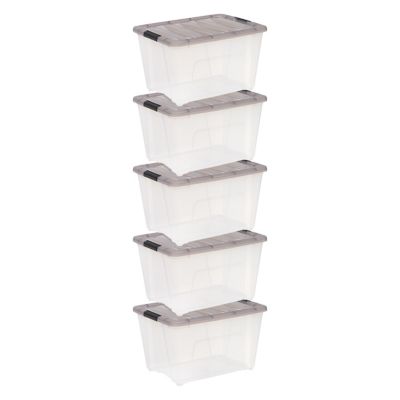
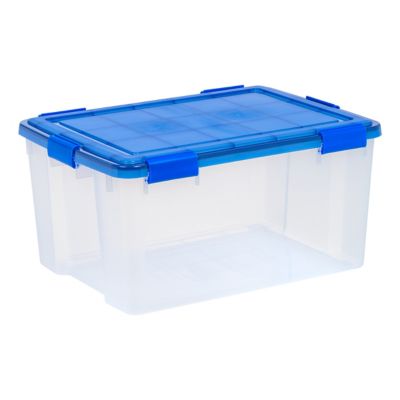
Lids, handles, and the shape of the base affect how plastic storage containers work once they are filled. A loose-fitting cover can keep everyday dust off stored belongings, while a latching design may help keep the lid attached when a container moves from the shelf to the truck cab or across the workshop. The fit of the lid matters just as much as the footprint, especially with
Storage Bins With Lids that will be opened often or stacked between chores. A snapped-on cover does not automatically mean an airtight or watertight seal; those properties depend on the design and the manufacturer’s stated specifications. Gaskets, when present, also need clean contact surfaces to seal as intended. For stacked storage, a base that seats into the lid below can help keep the arrangement settled, but stacking limits still matter. Heavy contents belong low, and a lid should not be treated as a load-bearing shelf unless the container is designed for that purpose. Handles deserve a close look, too. Molded handholds can keep the outside profile compact, while projecting handles may offer more room for a comfortable grip. Either way, the total filled weight matters more than how easy the empty container feels to lift. Small containers suit screws, washers, craft supplies, and other belongings that would disappear at the bottom of a large tote. Larger sizes can hold bedding, clothing, or sports equipment, provided their contents stay within the stated weight limit. Food and animal feed call for a different kind of care: containers intended for direct contact with food or feed should carry the appropriate manufacturer designation. A general storage container should not be assumed suitable just because it has a lid. Feed storage also needs to account for pests, since plastic alone is not a guarantee against rodents. Containers for household chemicals should remain separate from food, feed, and pet supplies, with chemicals kept in their original labeled packaging and stored according to the package directions.
Long-term usefulness often comes down to small construction details and sensible care. Reinforced corners, a well-supported base, and a lid that sits evenly can help a container hold its shape through repeated handling. A thin, flexible container may be perfectly suited to lightweight belongings, while a heavier load calls for construction and a weight rating matched to the job. Plastic should not have to bow sharply around its contents or strain at the handles each time it leaves the shelf. For someone hauling supplies between a tack room and a work area, several manageable containers may be easier to handle than one oversized tote packed to the brim. In a laundry room or closet, smooth interiors help keep fabric from catching, and rounded inside corners make stray lint easier to wipe away. Most everyday dirt can be cleaned with mild soap and water when that method fits the manufacturer’s care directions. Abrasive pads and harsh cleaners can scratch or damage some plastics, so a gentle approach helps preserve the surface. Thorough drying before closing a lid is especially important around clothing, paper, and other belongings that can suffer when moisture gets trapped inside. Regular checks around handles, hinges, latches, and corners can reveal cracks or stressed areas before a filled container is lifted. Containers that have held chemicals should not be repurposed for food or feed, even after cleaning. Simple labels on the front and top can make stored belongings easier to recognize from different angles, especially where several containers share a shelf. A container marked for spare fence fittings saves a rummage through unrelated supplies, while a separate spot for clean work gloves keeps them away from oily hardware. Empty nesting containers can take up less room between tasks, and open-top designs can suit belongings reached for throughout the day. Whether the space is a small utility closet or a busy farm workshop, plastic storage containers work best when their size, construction, and closures match the belongings inside and the way those belongings move through daily life.