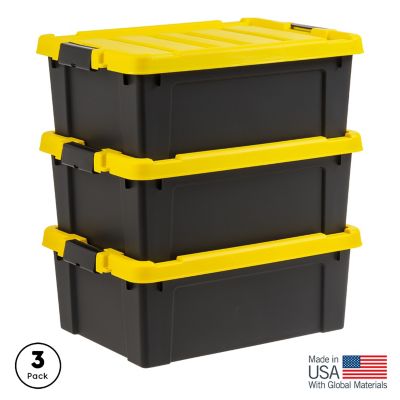
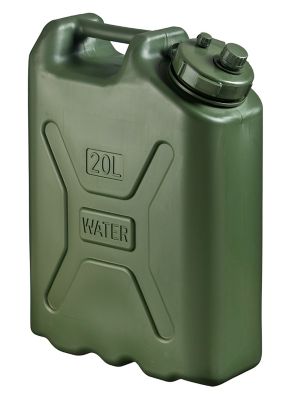
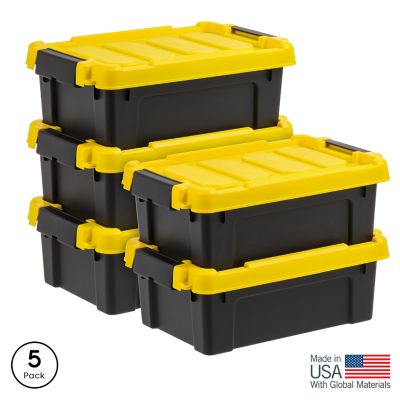
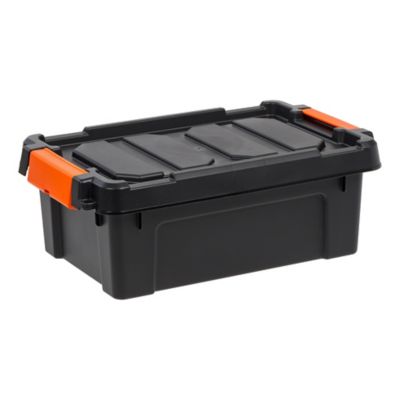
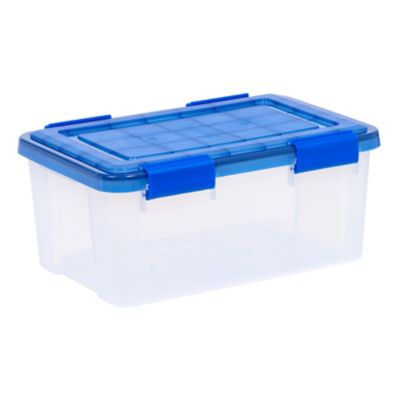
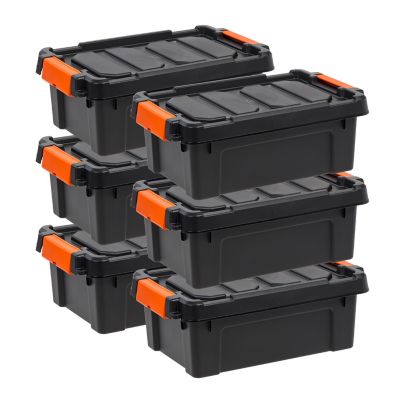
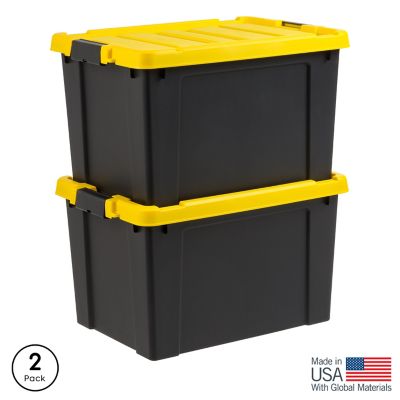
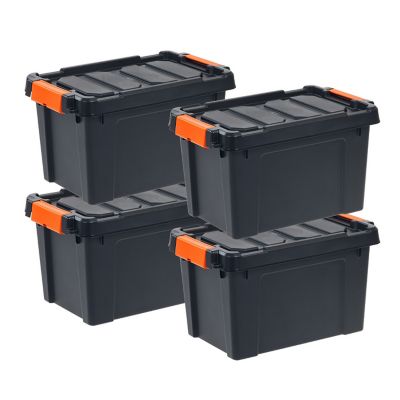
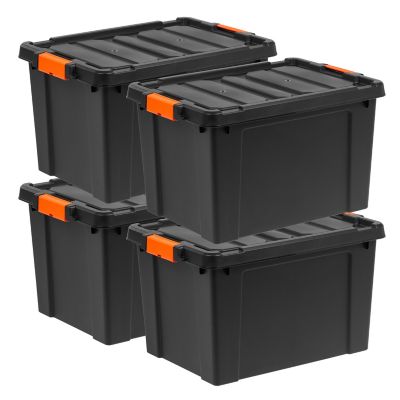
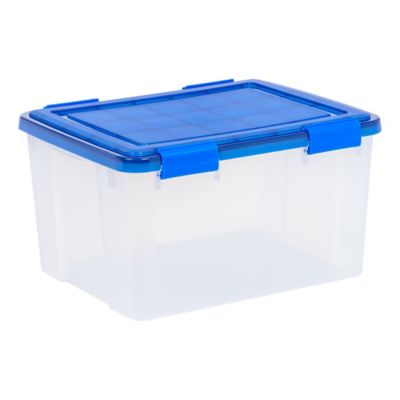
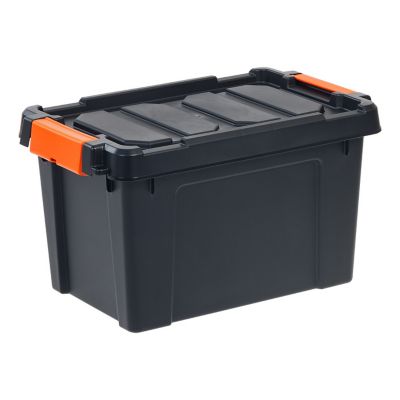
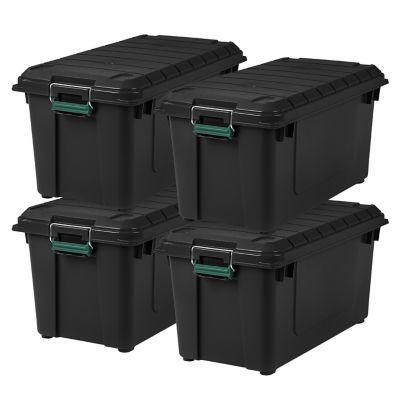
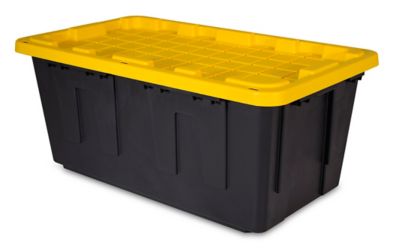
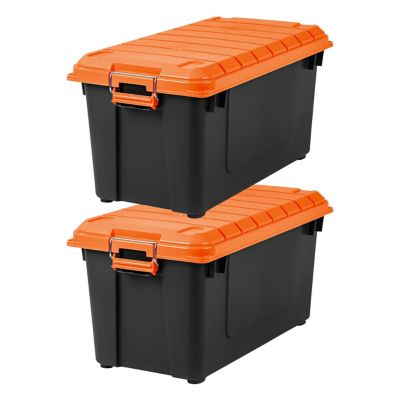
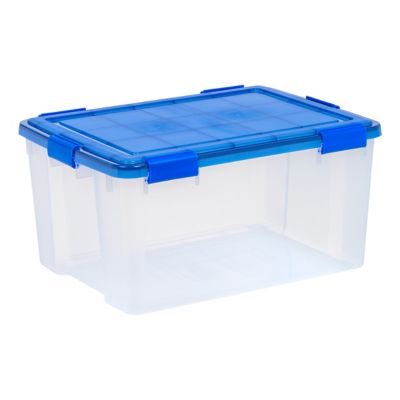
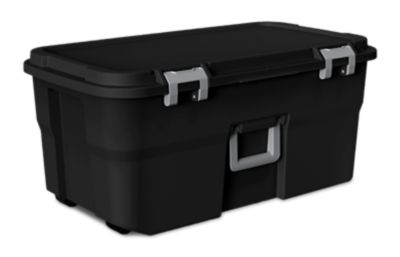
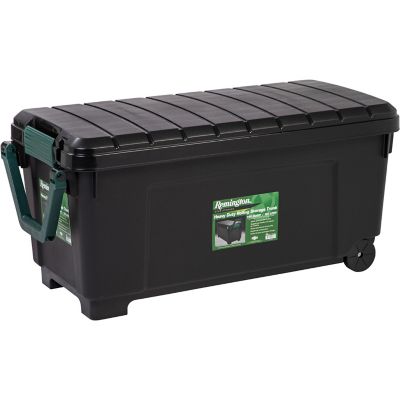
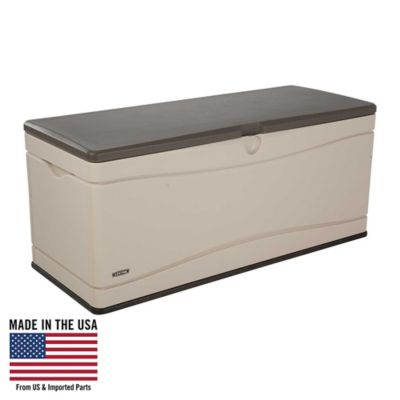
Camping storage containers keep cooking supplies, tools, clothing, and other camp gear organized between the house, the truck, and the campsite. The best fit depends on the space in your vehicle, the size and weight of your gear, and how much protection the contents need from dirt, moisture, and bumps along the way. A roomy tote can hold bedding or camp kitchen supplies, while smaller boxes make it easier to separate utensils, repair supplies, and personal belongings. For truck camping, family campground stays, and trips out to the hunting property, a few manageable containers often make more sense than one oversized box that takes two people to lift. Exterior measurements matter when fitting containers beneath a truck bed cover, inside an SUV cargo area, or through a camper’s narrow storage opening. Interior measurements matter just as much: tapered sides, rounded corners, and lid hardware can reduce the room available for a cook pot or folded camp equipment. A container’s stated capacity describes volume, not necessarily the dimensions of the gear it can hold. Rectangular shapes tend to fit neatly beside one another, while low-profile designs can slide beneath a sleeping platform or tuck into a shallow compartment. Tall containers suit lighter, larger loads, though a deep box can make small supplies harder to reach. Removable trays and dividers help keep frequently needed gear near the top instead of buried beneath everything else. Lid clearance is another practical detail, especially when a box needs to open without coming out of the vehicle. Handles should provide enough room for a comfortable grip, and the container’s empty weight counts toward the total load being carried. Someone hauling gear a few steps from a pickup has different needs than someone walking it down a long path. Stackable camping storage bins can help keep a packed vehicle orderly, but stacking features do not replace tie-downs or a load arranged with heavier containers low and secure.
Materials and construction shape how camping storage containers handle everyday knocks, repeated loading, and time around camp. Molded plastic containers offer a practical balance of weight and rigidity, with smooth interiors that are generally easy to wipe clean. Wall thickness, reinforced corners, and the way the lid meets the rim all affect how well a container holds its shape under a load. A flexible tote may work well for clothing and soft gear, while a more rigid box can help protect equipment that should not be squeezed beneath other supplies. Metal containers bring a firm structure, though their weight, finish, and potential for dents deserve consideration. Fabric storage bags and collapsible containers can fold down between trips and squeeze into spaces where a rigid box will not fit. Their seams, bases, and closures matter when carrying loads with hard corners or rough edges. Water resistance also varies by construction. A lid that overlaps the rim may help keep out loose dirt and minor splashes, while a gasketed closure creates a tighter barrier when properly latched. Water-resistant and waterproof are not interchangeable descriptions, and neither should be assumed from a sturdy appearance alone. Manufacturer ratings and care directions are the better reference for exposure limits. Latches should close without forcing the lid, and hinges should move freely without catching on packed gear. Overfilling can strain both and prevent a seal from seating evenly. For food storage, a general camp tote is not automatically suitable for direct food contact; food-contact labeling matters when food will touch the container itself. Sealed packages and appropriate inner containers help keep snacks and cooking ingredients organized. Food, scented toiletries, fuel, and cleaning supplies also need separate consideration rather than sharing one catchall box. An ordinary camping container is not a substitute for an approved wildlife-resistant food container where one is required. Those distinctions matter whether the trip is a quick overnight stay or several days at a campsite far from the nearest store.
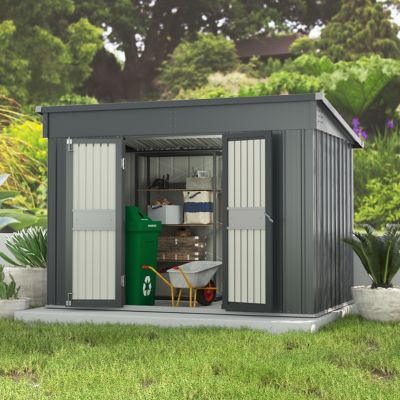
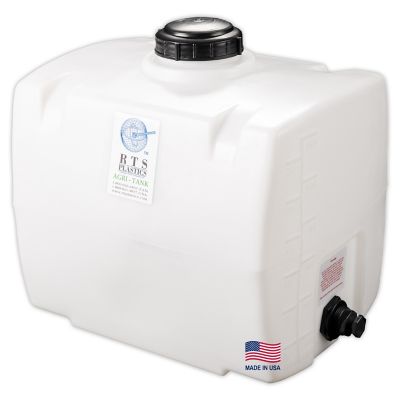
A useful camping storage setup follows the way camp actually runs. Cooking gear stays together, light sources have a place that is easy to reach after dark, and cleanup supplies do not disappear beneath sleeping bags. Clear containers let the contents show at a glance, while opaque sides keep a cluttered load out of sight. Either style works better with readable labels on more than one side, especially when boxes sit close together in a cargo area. Dividers, smaller pouches, and nesting compartments can keep loose pieces from rattling around without turning every task into a search through several layers. Gear that comes out first belongs where it can be reached first; the box holding camp setup supplies should not sit beneath everything needed later. For folks organizing equipment beyond the campsite,
Outdoor Storage Containers cover a broader range of storage needs around the property. Wherever a camping container spends its downtime, routine care helps keep it ready for the next trip. Loose grit can be brushed out before wiping the interior with a cleaning method suited to the material. Removable liners, trays, and dividers make it easier to reach corners where crumbs or dirt collect. Containers should dry completely before the lid goes back on, and damp fabric gear needs its own drying time rather than being shut inside a sealed box. Gaskets, hinges, handles, and latches benefit from a quick check for trapped debris, cracks, or loose hardware. Following the stated load and stacking limits helps prevent bowed lids and stressed handles, particularly when containers stay packed between outings. A flat storage spot also keeps the base supported instead of resting unevenly across scattered equipment. For a family that camps together, a clear organization system makes it easier for everyone to find and put away shared supplies. For someone building a first camping setup, a well-sized storage container can also make a practical gift that fits into many different ways of getting outdoors.