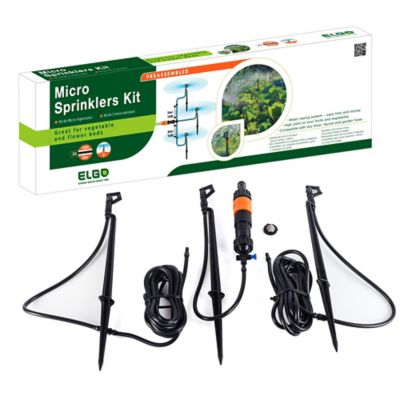
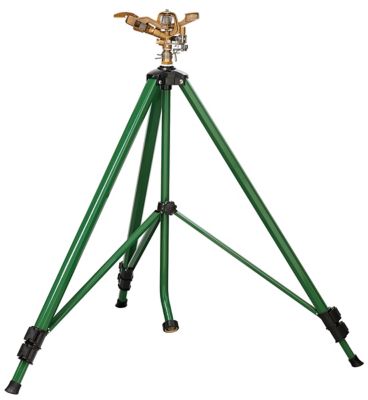
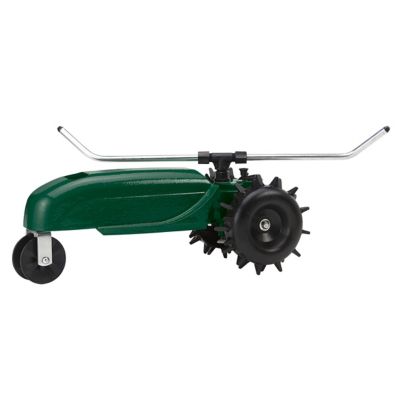
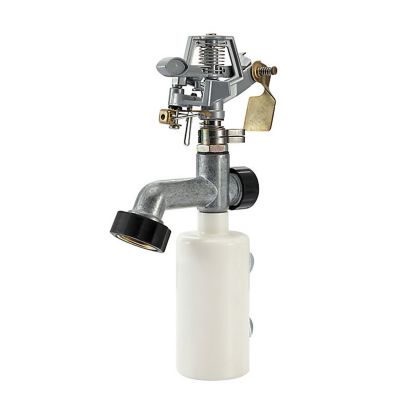
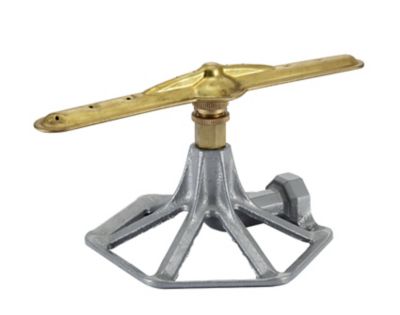
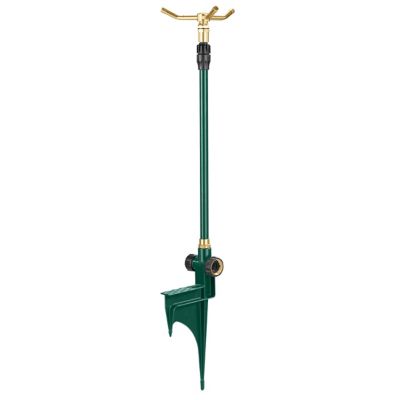
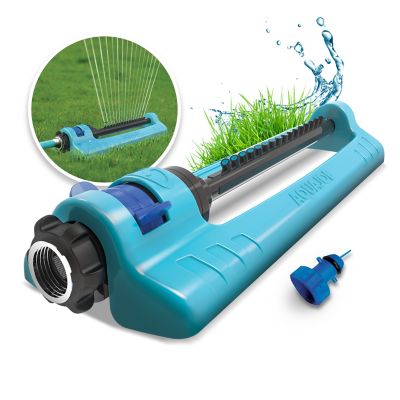
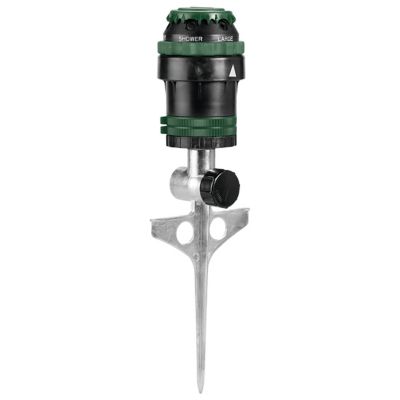
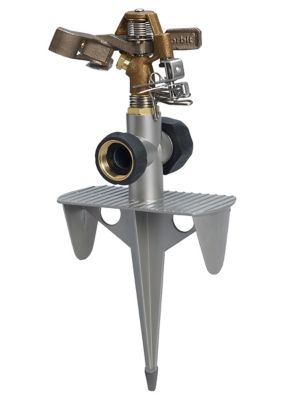
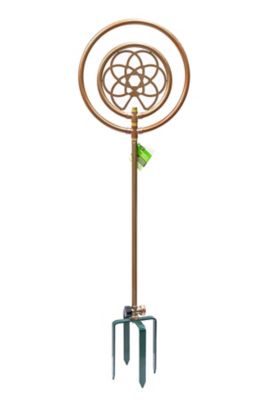
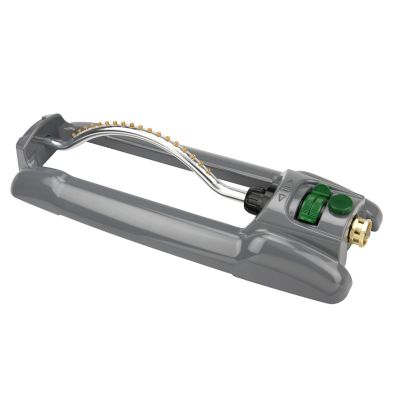
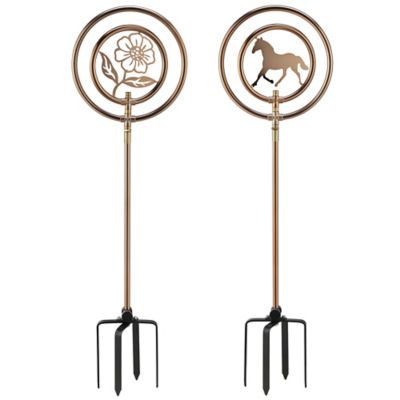
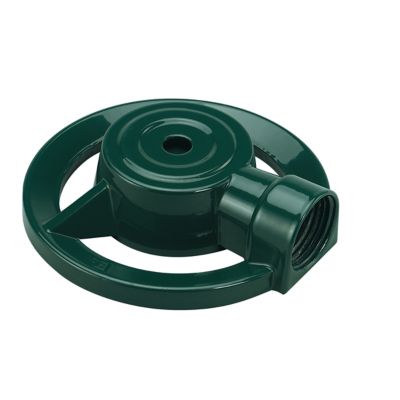
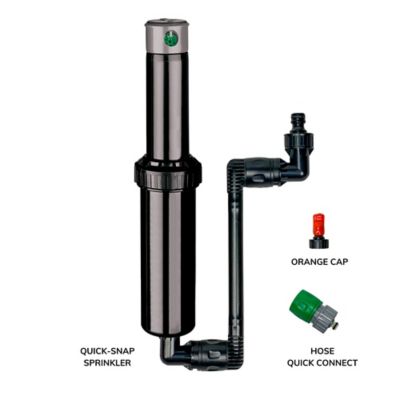
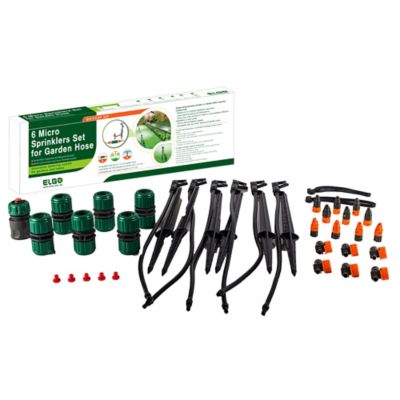
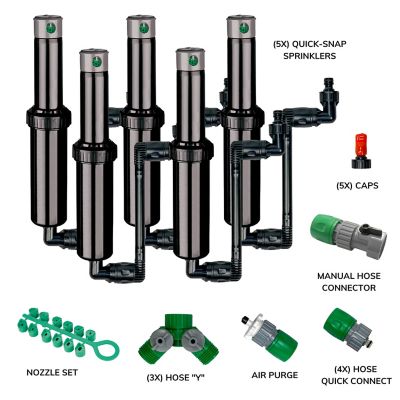
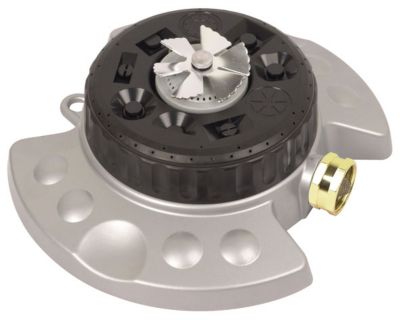
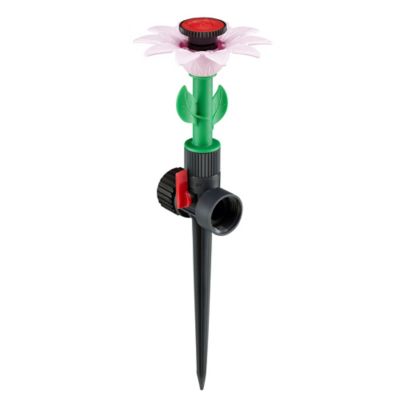
A garden sprinkler spreads water over a planting area through a spray head or a set of openings, taking some of the back-and-forth work out of watering by hand. Most portable garden sprinklers connect to a garden hose and run on water pressure, with the spray pattern determining where the water lands. The best fit depends on the shape of the space, the plants growing there, and the water supply at the spigot—not just the biggest coverage number on the package. An oscillating sprinkler has a tube with several openings that sweeps back and forth, making it a practical match for rectangular lawns, broad vegetable patches, and planting beds with fairly straight edges. Rotating sprinklers have spinning arms that send water outward in a circular pattern, which can suit an open patch of grass or a garden with room around its edges. Impact sprinklers have a pulsing action and often offer adjustments for watering a full circle or part of one, helping direct the spray away from a driveway or barn wall. Stationary sprinklers keep the spray in a fixed pattern, making them handy for a smaller patch that does not need a wide sweep. Multi-pattern heads offer several spray shapes, so one sprinkler can serve different spaces around the property. Traveling sprinklers move along a laid-out hose route and are generally better suited to open lawns than crowded garden rows, where stems, stakes, and uneven footing can interrupt their path. For a sprinkler for gardening, adjustable coverage can matter more than maximum reach. A narrow bed along a fence needs a different footprint than a square kitchen garden behind the house. Range, width, and arc controls help match the spray to those boundaries, with less water landing on paths or bare ground. Listed coverage figures are most helpful when considered alongside the operating pressure and flow requirements, since the same sprinkler may reach differently at two separate spigots.
Materials and construction play a big part in how a garden sprinkler handles regular trips from the shed to the vegetable patch. Brass fittings, coated metal frames, stainless steel components, and molded plastic bodies each bring different advantages. Brass is often found at threaded connections and spray heads, while metal bases can add weight that helps keep a sprinkler steady as the hose shifts. Plastic bodies are lighter to carry between beds and do not rust, though resistance to impacts and sunlight depends on the material and construction. Coated steel needs an intact finish to help protect the metal underneath, and aluminum offers a lighter metal option. Look beyond the body to the parts that get handled most: adjustment tabs, hose couplings, support legs, and spray nozzles. Controls that are easy to grip can make a difference when hands are damp or work gloves are on. A broad sled base rests on the ground and moves without leaving a stake hole; a spike base anchors into soil but needs ground it can enter without excessive force. Raised or tripod-mounted heads can help the spray clear low plants, although tall, leafy crops may still block water from reaching neighboring rows. Connection fit matters just as much as the base. Many hose-end sprinklers have a standard three-quarter-inch garden hose connection, but the fitting size and thread type should match the hose and any attached accessories. A seated hose washer helps prevent drips at the coupling. Hose length, hose diameter, elevation changes, and other outlets drawing water can all affect sprinkler performance. A long run from the house to a back garden may deliver less flow than a short connection beside the porch. Pressure ratings and flow requirements help show whether a sprinkler suits that setup. Pressure regulation may be helpful where the supply exceeds the sprinkler’s operating range, while a timer adds scheduled operation when its connections and operating requirements match the watering setup.
The way water reaches the plants deserves as much attention as the size of the spray pattern. Newly seeded areas benefit from coverage that does not wash seed into little piles, while established vegetables need water to reach the root zone rather than merely dampen the leaves. A fine spray can suit tender growth, but fine droplets alone do not guarantee enough water reaches the soil. Heavier streams may cover more ground yet disturb loose soil near small seedlings. Adjustable patterns and flow controls give gardeners more room to balance those needs. In a bed of beans beside a gravel walk, a partial-circle setting can keep more of the spray on the planting area. Around tomatoes supported by cages, plant height and leaf cover can leave pockets of soil outside the sprinkler’s reach. Dense foliage and crops sensitive to prolonged leaf wetness may be better served by watering at soil level, so overhead sprinklers are not the right choice for every bed. Soil also affects how well a setup works. Clay can take in water slowly, making shorter watering intervals useful where puddles form, while sandy ground drains faster and may call for a different schedule. A few straight-sided catch containers placed across the spray area can reveal uneven coverage and show how much water reaches different spots. For properties with several watering areas,
Water Sprinkler Systems can provide context for connecting hoses, controls, and watering zones into a broader setup. Routine care helps keep hose-end equipment working smoothly: clear grit from screens, rinse blocked openings according to the manufacturer’s directions, and check washers and moving parts for wear. Drain the sprinkler and hose before storage, avoid dragging the head over gravel, and keep fittings out of the path of mowers and carts. For a small backyard grower or someone tending several beds beyond the barn, the right sprinkler balances manageable weight, suitable coverage, straightforward adjustments, and a good match to the water supply.