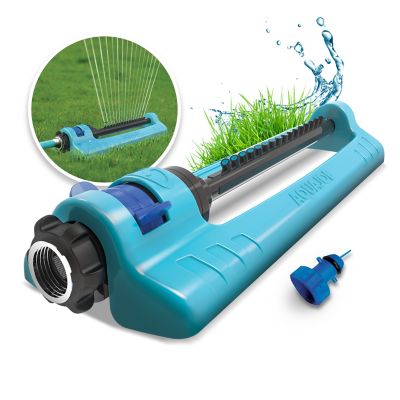
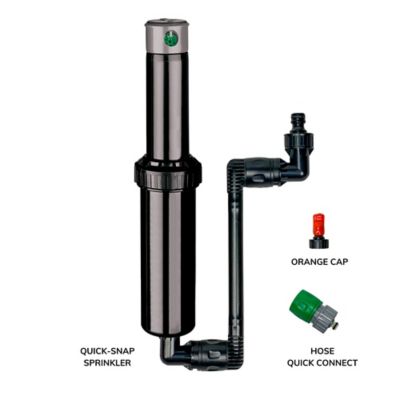
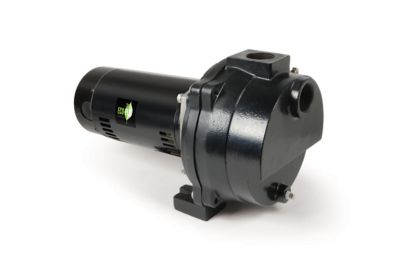
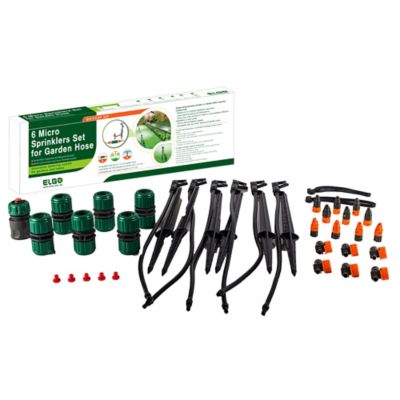
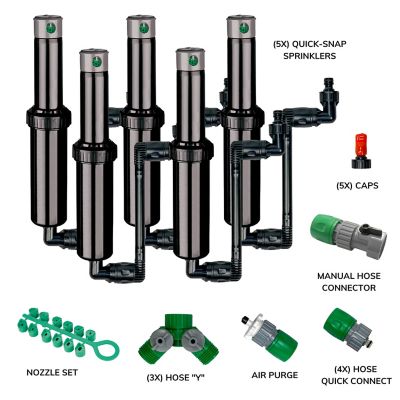
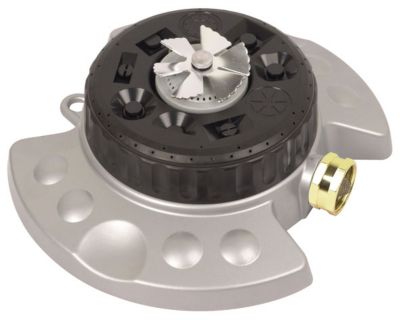
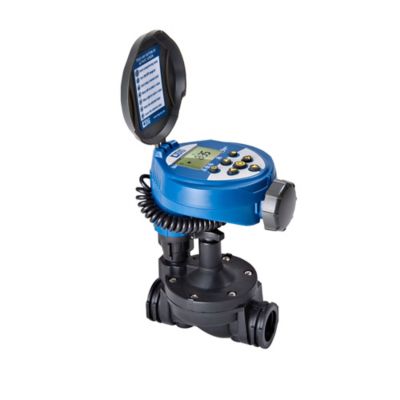
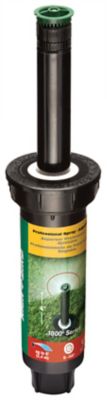
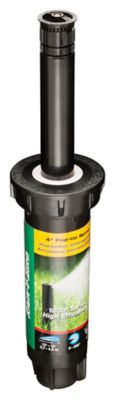
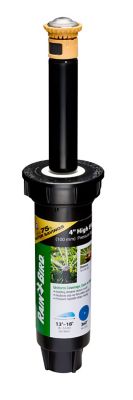
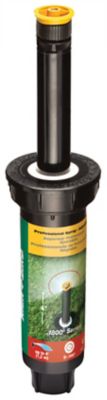
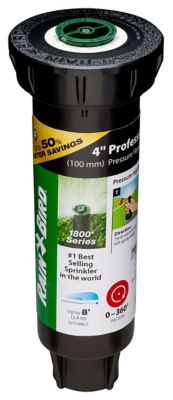
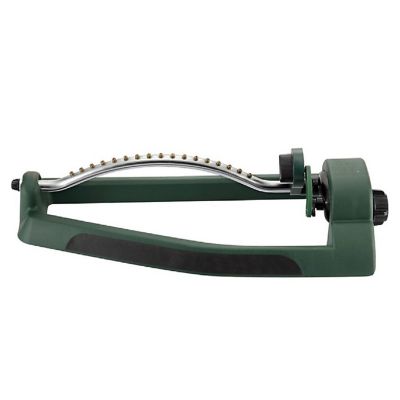
A lawn irrigation setup puts water where the grass needs it, whether that’s a small patch beside the porch, a wide yard around the farmhouse, or the strip between the driveway and the fence. The right arrangement depends on more than square footage. Yard shape, access to a spigot, soil conditions, and the way people move through the property all affect how watering equipment fits into daily life. A hose-connected sprinkler can make sense for an open area that needs flexible coverage, while an installed system keeps much of the equipment below ground and out of the path of foot traffic and mowing. Narrow strips, broad rectangles, and curved lawn edges each call for a different spray pattern. Adjustable coverage helps keep water on the grass instead of soaking the sidewalk, splashing the siding, or making a muddy spot beside the gate. For larger stretches of turf,
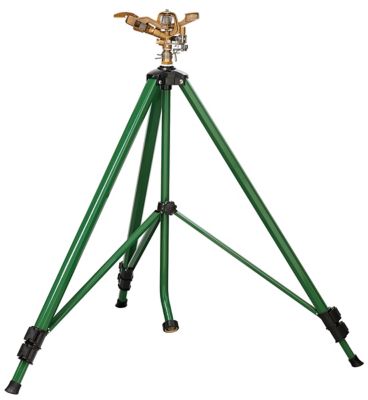
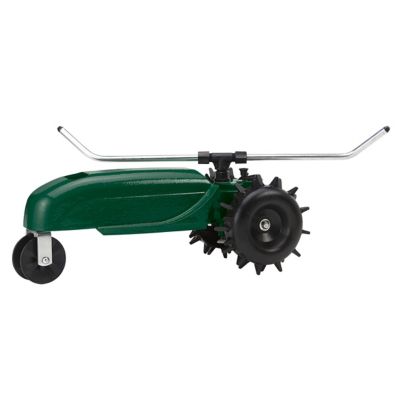
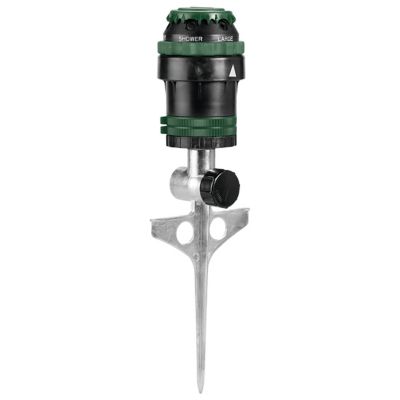
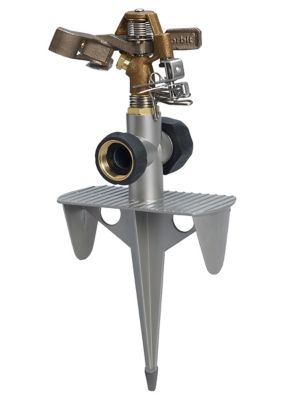
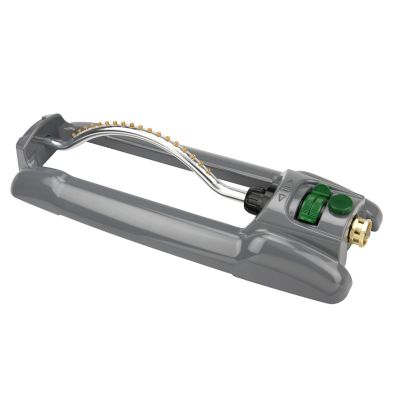
irrigation rotors provide rotating streams with coverage that varies by nozzle, pressure, and model. Other sprinkler styles offer different patterns and application rates, giving homeowners and property caretakers ways to match watering equipment to the space. Reach matters, but so does how evenly water lands across that reach. A sprinkler that throws water to the far fence may still leave areas near its base needing coverage from another position. Thoughtful placement and compatible spray patterns help address those gaps without drenching the same patch repeatedly. Around a busy rural property, convenience also comes down to where hoses lie and how easily connections can be reached. Watering the lawn shouldn’t mean blocking the barn walk or dragging a hose across every planting bed. Equipment that suits the layout can make routine watering less of a chore, leaving room for kids to play, dogs to roam, and the mower to pass without a tangle underfoot. A manageable setup starts with the lawn’s actual needs, not simply the longest advertised spray distance.
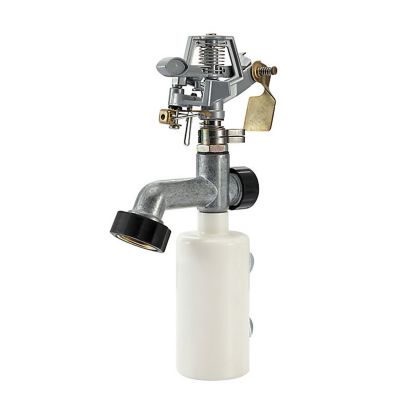
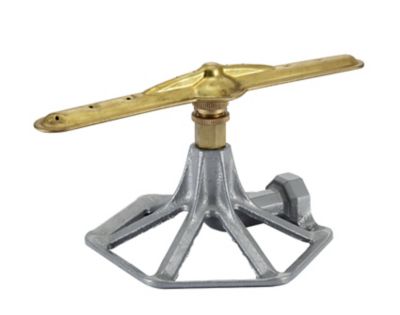
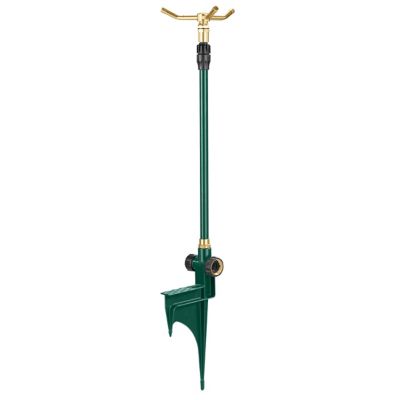
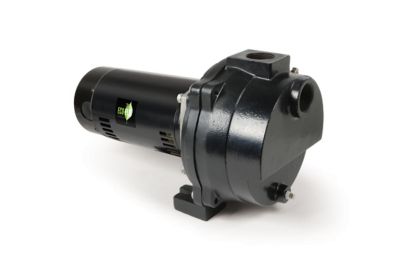
Materials and connection details have a lot to do with how lawn irrigation equipment holds up to regular handling. Brass fittings offer solid connections and resistance to corrosion, while certain plastic components keep equipment lighter and easier to move. For parts that stay outdoors, resistance to sunlight exposure matters alongside strength at threaded joints, adjustment points, and hose connections. Metal sprinkler bases can provide helpful weight on uneven ground, while stake-mounted designs hold a watering position without a broad base resting on the grass. Neither approach suits every yard; a firm lawn edge and a loose patch of soil present different challenges. Hose construction matters, too. Flexibility makes a hose easier to route around corners, while resistance to kinking helps maintain flow when it bends beside a porch step or fence post. Length should suit the distance from the water source without leaving unnecessary coils across a walkway. Fit is just as important as material. Garden hose threads, pipe threads, and irrigation tubing connections are not automatically interchangeable, even when the openings look similar. Matching the connection type and stated size helps prevent leaks and avoids forcing parts together. Washers, seals, adapters, and fittings need to suit the connections involved, and underground piping needs the appropriate ratings for the installation. Water pressure and flow capacity also shape performance. A spigot may supply one sprinkler comfortably but struggle when several run together, leaving the farthest heads with weak coverage. Equipment specifications help clarify the pressure range and flow requirements before components become part of the same setup. Nozzle selection affects both reach and the amount of water applied, so matching application rates within a watering zone matters. A fine spray and a rotating stream may wet the lawn at different rates, even when their coverage looks similar. For installed systems, compatible valves and controls help keep separate areas manageable. Backflow protection is another important consideration wherever irrigation connects to a household water supply, with local requirements determining the protection needed.
Everyday care is easier when lawn irrigation equipment has accessible controls, serviceable connections, and parts that can be cleaned without a struggle. Soil, grass clippings, and sediment can interfere with sprinkler movement or block a nozzle, especially around low-mounted heads and equipment that gets moved from one spot to another. A spray pattern that suddenly leans to one side or stops reaching its usual area may point to a blockage, a loose connection, or a change in water flow. Replaceable seals and nozzles can help extend the service life of compatible equipment, while a sound hose washer can keep a connection from dripping beside the foundation. Filters may help with sediment where the system calls for them, though filtration needs depend on the water source and equipment specifications. Storage matters for portable equipment as well: a hose that rests in loose coils or on a properly sized reel is easier to handle than one left twisted across the yard. Timers and controllers add convenience, but the most useful settings reflect the lawn rather than an arbitrary daily schedule. Established grass, newly seeded areas, and sections with different soils may need different watering patterns. Sandy ground tends to drain faster, while heavier soil can absorb water slowly enough that a long watering cycle creates puddles or runoff. Controls that allow separate schedules or shorter repeated cycles offer flexibility for those differences. On a slope, keeping water from running toward the driveway or collecting at the bottom is part of matching application rate to the ground. Automatic shutoff features can also help prevent a forgotten sprinkler from running longer than intended. For families managing a yard alongside livestock chores, workshop projects, and regular mowing, those practical details count. The best fit is equipment that makes sense for the property, connects properly to the water source, and remains straightforward to maintain. Whether the lawn is a modest area around the house or a broad gathering space beside the shop, a well-matched irrigation setup supports steady grass care without making watering the biggest job on the chore list.