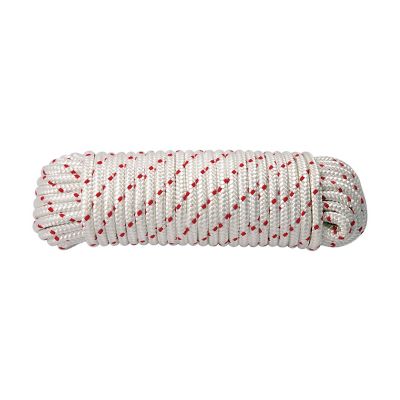
Water skiing ropes connect the skier to the boat, so choosing the right line can make a noticeable difference in comfort, control, and confidence on the water. A standard recreational water ski rope is often 75 feet long overall, including the handle, and many feature bright colors that stand out against the water for easier visibility from the boat. A one-section rope keeps things simple for casual outings, family ski days, and newer riders who are learning how to rise from the water, find their balance, and settle into a steady pull. Multi-section ropes, often offered with five or eight removable sections, let the driver or skier shorten the distance as skills improve. That adjustable length can help a rider move from open-water practice toward more advanced turns and slalom-style riding without needing a different rope for every stage. When comparing water skiing ropes, start with the type of riding planned, the skier’s experience, and the towable being pulled. A rope intended for traditional water skis may not be the right fit for every wakeboard, kneeboard, or other towable, so check the product details for the intended use, handle design, and recommended load. It also helps to consider who will be behind the boat most often. A family that takes relaxed trips around a farm pond or nearby lake may appreciate a soft, comfortable grip and a line that floats clearly on the surface. A more experienced skier may prefer a low-stretch line that responds quickly when edging across the wake or working through a slalom course. Polypropylene ropes float well and offer a little stretch, which can soften the feel of the initial pull for recreational skiing. Low-stretch spectra or poly-E lines provide a more immediate connection for riders who want quick response and precise control. Either style can have a place at the dock, depending on the boat, the skier, and the way the rope will be handled.
The handle deserves just as much attention as the rope itself. Look for a handle width that suits the skier and a grip that feels secure when wet. Foam or EVA grips can feel gentle in bare hands during a long afternoon on the lake, while rubber grips can provide a firmer hold when paired with water-ski gloves. An aluminum-core handle that floats is easier to spot if it slips from the skier’s hands, and molded end caps can help cover the connection points where the handle meets the rope. Bright colors are more than a matter of appearance; they can help the boat crew locate the rope between runs, especially when glare, ripples, or a low sun make the surface harder to read. Before heading out, lay the full rope on shore or on the dock and check for fraying, cuts, flattened areas, worn stitching, or a handle that feels loose. Pay close attention to the connection loop and any sections that receive repeated contact with the boat hardware. Rinse the rope with fresh water after use, let it dry completely, and store it out of direct sunlight in a cool, dry place. Keeping it away from sharp edges, fuel, oil, and rough concrete helps preserve the fibers and handle. Never wrap a wet rope into a tight bundle for long-term storage, since trapped moisture can lead to mildew and unpleasant odors. The driver and skier should also agree on hand signals before leaving the dock, keep the rope clear of the propeller and other equipment, and follow local boating rules. A properly matched rope, a careful inspection, and clear communication make the whole outing feel more settled, whether a first-time skier is learning to stand or an experienced rider is cutting across a glassy stretch of water. For shoppers comparing materials for different farm, lake, or outdoor jobs,
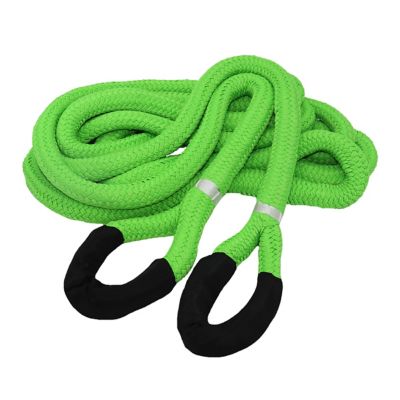
Polyester Ropes offer another rope category to review, though the right choice for towing a skier should always follow the product’s stated purpose and load guidance.
Water skiing ropes can also make a thoughtful gift for someone who spends warm days at the lake, keeps a boat at a cabin, or is putting together gear for a family recreation setup. They are especially handy for households with growing kids, since a multi-section rope can give younger or newer riders a manageable starting length and leave room to adjust as they gain confidence. A single-section rope may suit a boat owner who wants a straightforward option for weekend outings, while a multi-section model may appeal to a group with several skiers at different skill levels. Before giving one as a gift, it is worth checking whether the recipient skis behind a boat, what type of towable they pull, and whether they already have a preferred handle style. A rope can spend the cooler months stored in a garage, shed, or boat locker, ready for the first warm stretch when the lake settles and the dock comes back to life. Keep the package and product information with it so the recipient can review length, section setup, weight guidance, and care instructions before the first run. For anyone shopping now and planning ahead, think about the whole routine: carrying gear from the truck to the water, attaching the rope to the approved tow point, keeping the line visible while the skier gets into position, and coiling it neatly after the boat comes back in. A good fit should feel practical at every step, from the first launch of the season to the last evening ride before cooler weather arrives. With the right length, handle, construction, and maintenance routine, a water skiing rope can support relaxed family days, steady practice, and more confident riding for seasons of lake time.