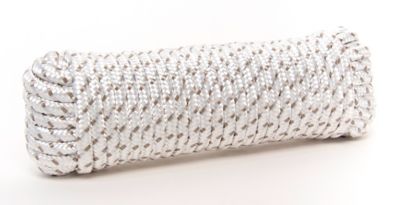
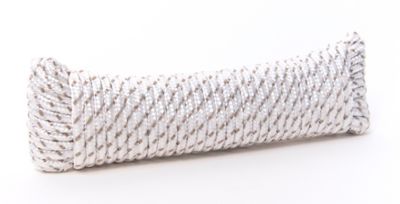
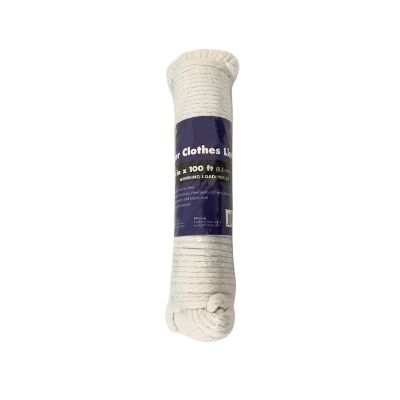
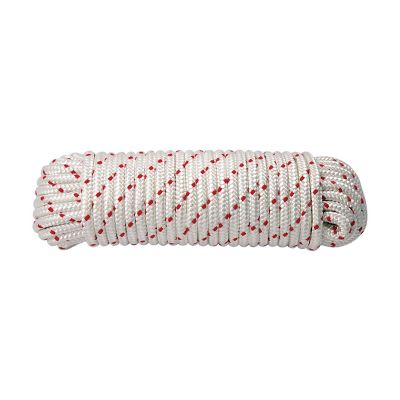
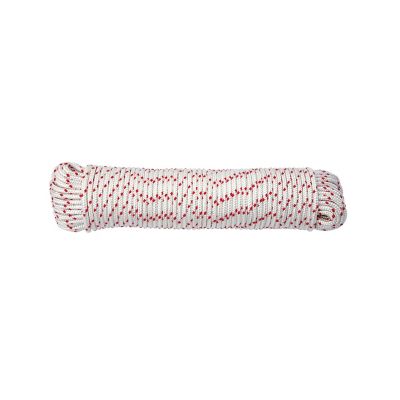
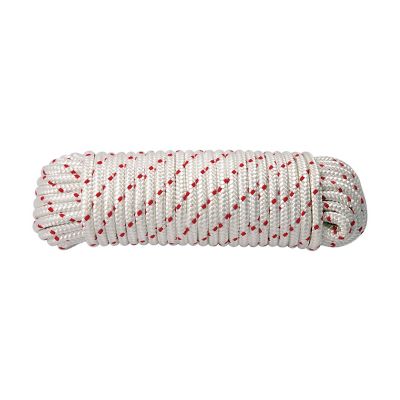
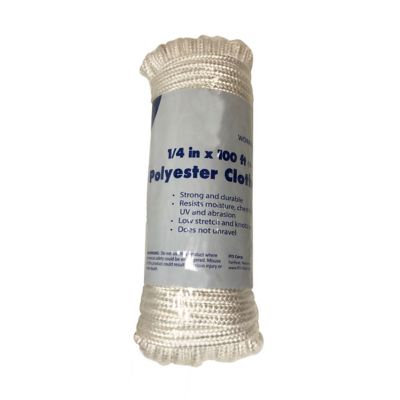
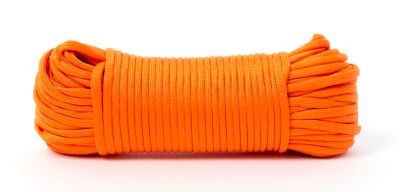
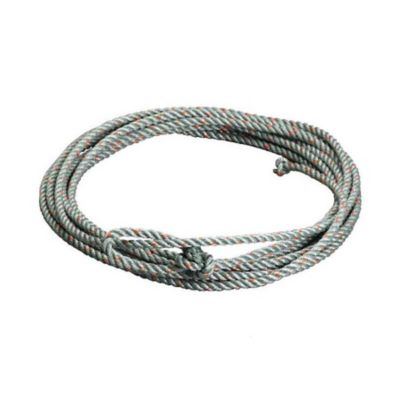
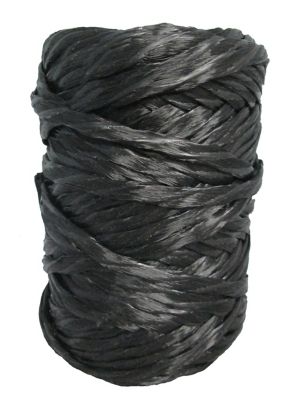
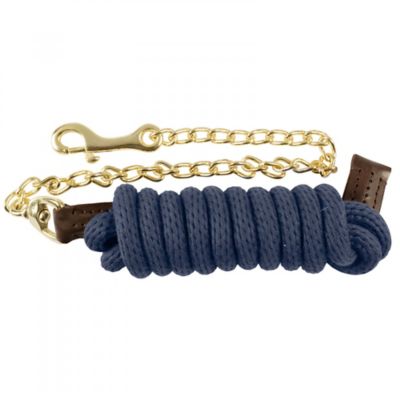
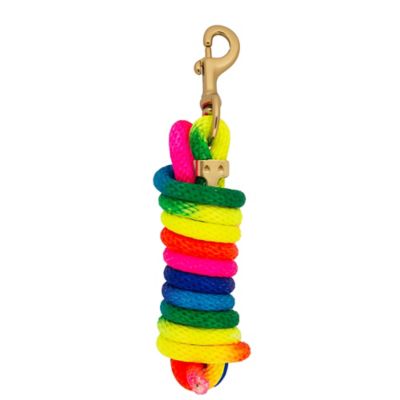
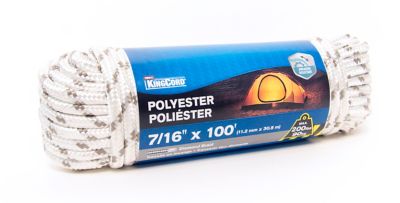
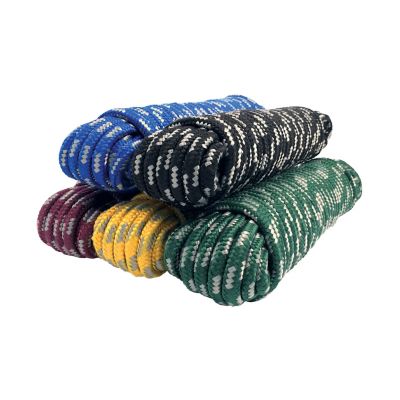
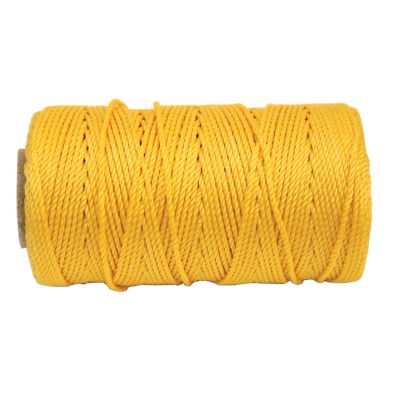
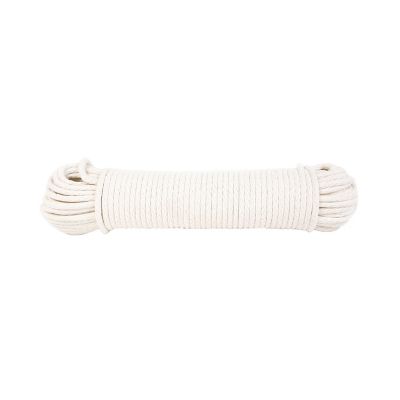
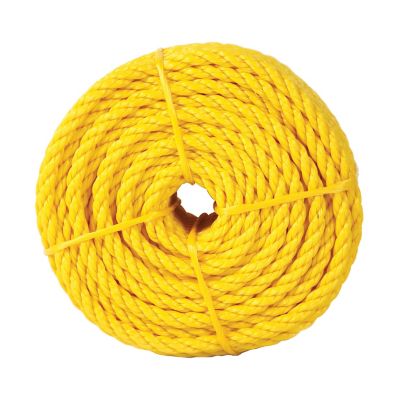
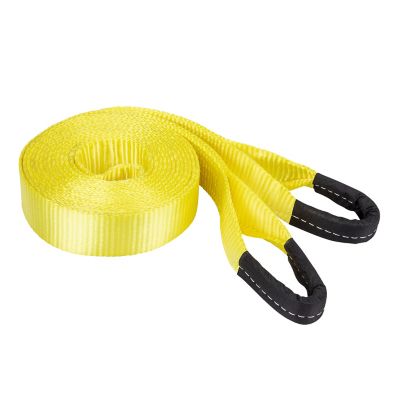
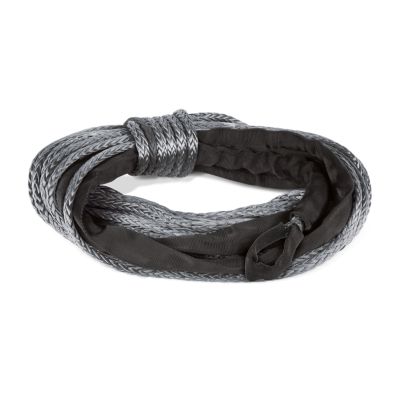
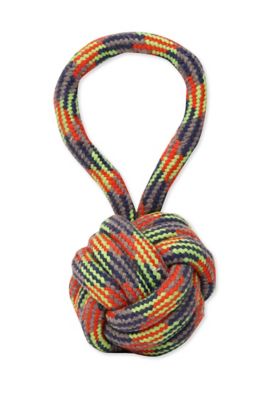
Polyester ropes are a practical choice for farm, ranch, marine, camping and general outdoor work. Made from synthetic fibers, polyester rope has low stretch, steady handling and strong resistance to sunlight, moisture and abrasion. It keeps its shape under load and retains its strength when wet, making it a handy line for jobs that may take place around ponds, stock tanks, boats, trailers, campsites or open fields. Unlike fibers that can soften or weaken after long exposure to rain and sun, polyester is suited to outdoor conditions where a rope may stay in place through changing weather. It also resists rot and mildew, which helps when a line is stored in a damp shed, laid across a dock or packed away after a wet weekend outdoors. Farmers and ranchers may reach for polyester rope when securing gates, bundling materials, marking off an area or handling everyday chores around the property. Campers can carry it for tent guy lines, tarp support, gear organization and general camp setup. Boat owners often choose it for lines that need to handle spray, damp decks and repeated movement, while home and workshop users may keep a coil nearby for hauling, tying and temporary support tasks. Polyester rope can also serve in training spaces as a heavy exercise rope, provided the rope is rated and intended for that purpose.
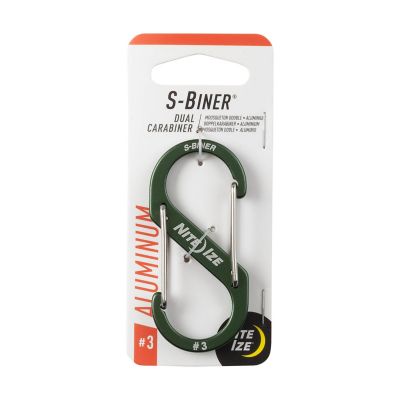
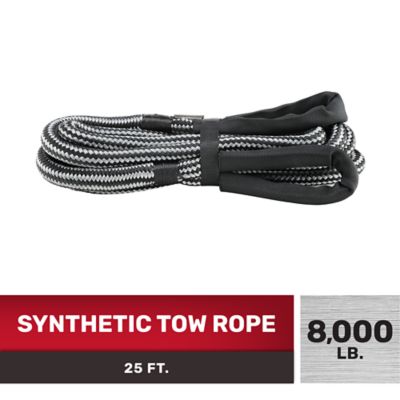
Choosing the right polyester rope starts with matching its size and construction to the job. Check the rope’s diameter, length, rated working load and breaking strength before making a selection. A thicker rope may offer a greater load rating and a more comfortable grip, while a smaller line may be easier to thread through hardware, tie around a bundle or pack into a field kit. Length matters as well: measure the run, allow room for knots or splices, and leave enough line for adjustments without relying on a tight, end-to-end fit. Keep in mind that knots can lower a rope’s overall strength, and sharp edges, sudden shock loads or dragging across rough ground can place extra stress on the fibers. Hardware should fit the rope size and match the task, whether the line runs through a pulley, attaches to a cleat or connects with a hook, carabiner or other approved fitting. For winching, pair the rope with equipment designed for synthetic line. The
Synthetic Rope Winches selection can help shoppers compare options for recovery work and other pulling tasks. A polyester rope chosen for a tent line should not automatically be treated as a lifting line, towing line or fall-arrest line. Always follow the maker’s load guidance, keep people clear of a loaded line and select equipment made for the intended application. These simple checks matter on a gravel drive, beside a livestock trailer or anywhere a shifting load could create a hazard.
Before each project, look over the rope from end to end. Watch for flattened sections, broken fibers, cuts, melted spots, severe fuzzing, chemical damage or areas that feel unusually stiff. Dirt and grit can work into the fibers over time, so rinse outdoor rope with clean water when needed and allow it to dry fully before putting it away. Store it loosely coiled in a dry, shaded spot away from fuel, solvents, sharp tools and prolonged direct sunlight. Avoid leaving a line pinched beneath heavy equipment or wound so tightly that it develops hard bends. During the cooler months, polyester rope can be handy for securing tarps, organizing firewood, tying down seasonal equipment and managing camp or hunting gear, while its moisture resistance remains helpful around wet ground and early frost. A well-chosen length can make a thoughtful gift for a new landowner, camper, boater, horse owner, hunter or hands-on homeowner who likes keeping useful supplies close at hand. It fits easily in a truck box, barn cabinet, tackle locker or shop bin, and its broad range of applications means it can support many projects without taking up much room. Whether the task involves a quiet morning at the lake, a windy pasture gate or a weekend around the campsite, polyester rope offers steady handling and low stretch for outdoor work where weather and wear are part of the job.