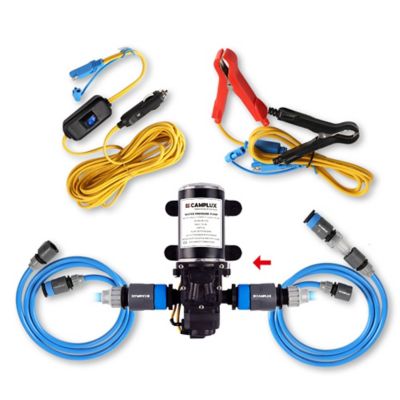
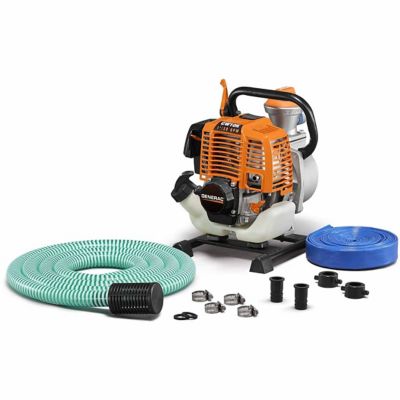
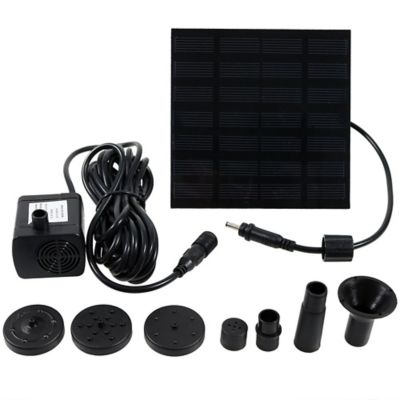
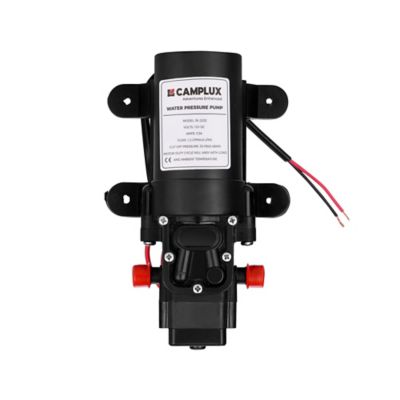
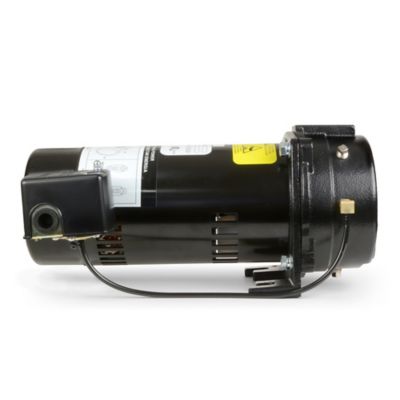
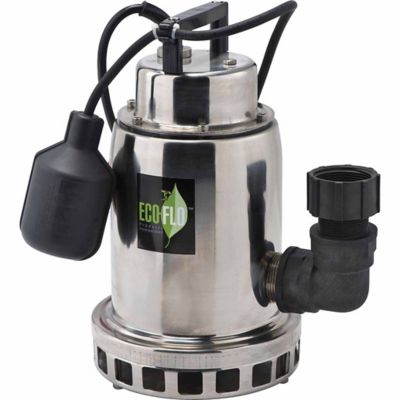
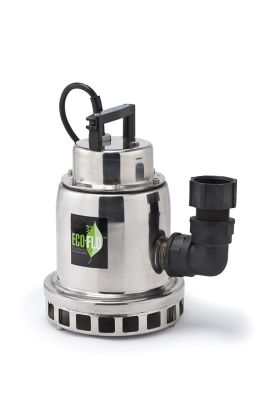
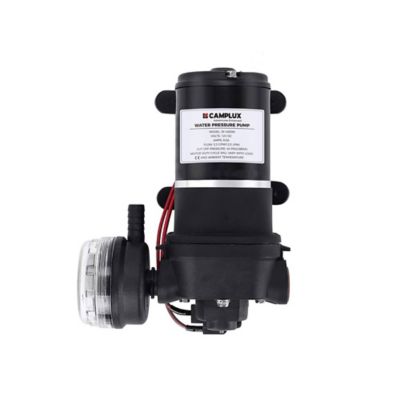
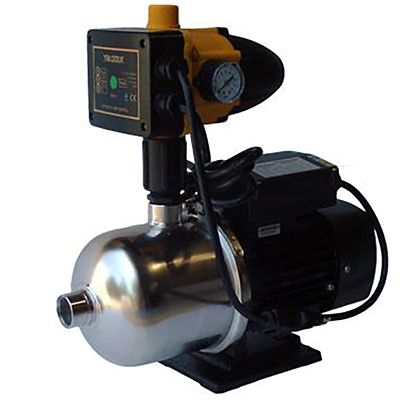
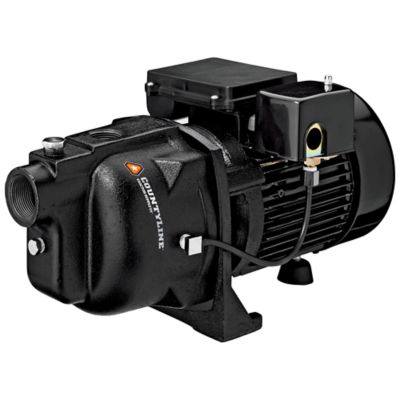
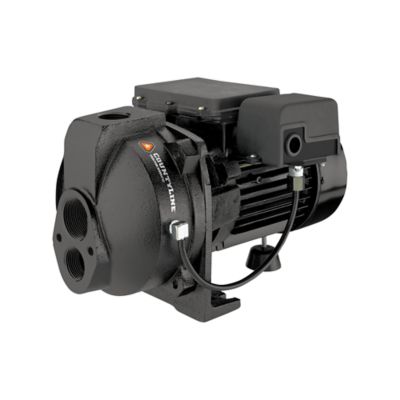
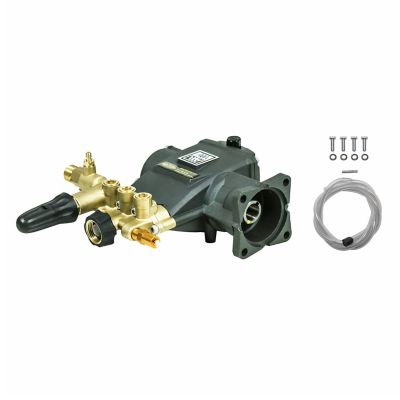
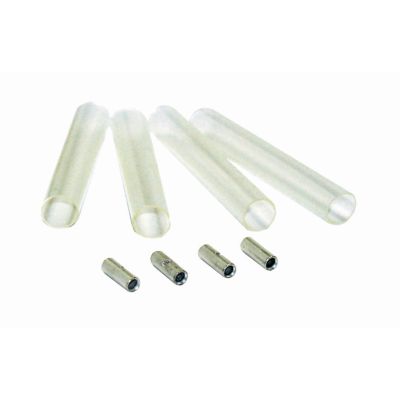
Water pump kits bring together a pump and supporting parts, or the replacement components needed to service an existing pump, for a particular water-moving job. That distinction matters around a farm, home, campsite, or boat shed: a kit meant to supply an RV faucet does a different job than one meant to repair an outboard motor’s cooling pump. Complete transfer pump kits may pair a pump with hoses, fittings, a strainer, or power connections, while repair kits may contain an impeller, seals, gaskets, and related hardware without a complete pump. Package contents vary, so the word “kit” alone doesn’t mean every connection or accessory is included. Common categories include 12-volt transfer and RV pump kits, marine water pump repair kits, solar fountain pump kits, and sump or utility pump kits. A 12-volt diaphragm pump can suit an off-grid cabin or camper water system when its pressure, flow, and drinking-water ratings match the application. Transfer setups can move suitable water between containers or support chores away from a permanent supply line. Marine repair kits serve a narrower purpose, with components matched to the engine and pump assembly rather than selected simply by hose size. Solar fountain kits typically combine a small pump and solar panel, sometimes with spray attachments or battery storage, to circulate water in a compatible fountain, birdbath, or small pond feature. Sump and utility kits focus on drainage, with some packages pairing a pump with discharge hose or piping components. These categories aren’t interchangeable, even when the pumps look similar or share a power source. A small fountain pump won’t take the place of a basement drainage pump, and a clean-water transfer pump isn’t necessarily equipped for muddy runoff. For landowners, gardeners, boat owners, and folks keeping a camper ready for the next trip, the right setup starts with a clear match between the water source, the destination, and the work expected along the way.
Pump performance depends on more than how much water a label says it can move. Flow rate, usually listed in gallons per minute or gallons per hour, describes volume, while pressure and lift describe different demands on the pump. Maximum flow and maximum lift generally represent different operating conditions, not performance delivered at the same time. Water headed uphill to a tank, through a long hose, or around several elbows faces more resistance than water moving a short distance across level ground. A pump’s performance chart gives a better picture of expected output under those conditions. Suction lift matters for a surface pump pulling from a lower source, while a submersible model sits in the water and pushes it toward the outlet. Self-priming capability can help with certain setups, but it doesn’t automatically mean a pump can run without water. Power requirements also shape fit. A 12-volt DC kit needs a compatible supply, wiring, and circuit protection; an AC-powered kit needs the specified electrical service and protection appropriate to wet conditions. Solar output changes with sunlight, panel placement, and system design, and battery backup is a separate feature rather than a given. For jobs beyond a wall outlet,
Battery Water Pumps offer another category to consider, with runtime depending on the battery, pump load, and operating conditions. Physical connections deserve just as much attention as power. Inlet and outlet diameter, thread style, hose rating, and included adapters all affect whether a kit fits the existing setup. An RV pump also needs pressure settings suited to the plumbing and a mounting location that accommodates vibration, ventilation, and service access. For a marine repair kit, engine make, model, year, and any required serial-number range help establish compatibility. For sump applications, basin dimensions, float clearance, discharge routing, and the specified check-valve arrangement help determine whether the assembly belongs in the space. Those details matter when a narrow pump pit or crowded storage compartment leaves little room for adjustment.
Materials and water compatibility help determine how a kit holds up through repeated chores and changing weather. Pump housings may be made from thermoplastic, cast iron, stainless steel, or other metals, each with different weight, corrosion, and handling characteristics. Internal seals, diaphragms, and impellers need to suit the liquid and its temperature, not just the outside conditions. A pump rated for fresh water may not tolerate salt water, fertilizer solutions, fuel, or other liquids, and drinking-water service calls for components rated for that purpose throughout the system. Water condition matters, too. Sand can wear internal surfaces, leaves can block an intake, and sediment can settle in low spots. A suitable intake screen or strainer helps with debris within its rating, but it doesn’t turn a clean-water pump into a solids-handling model. Around a livestock tank or rain barrel, keeping the intake clear of bottom sediment can reduce interruptions when the pump’s installation instructions allow that arrangement. Beside a garden fountain, accessible screens and removable fittings make routine cleaning less of a chore. In a camper, secure mounting and properly supported lines can help limit rattling and strain on connections. Maintenance needs vary by pump type, though checking hoses for cracks, fittings for leaks, and electrical leads for damage is part of keeping many systems ready for work. Pumps that require priming need that attention before operation, and continuous running should stay within the model’s duty rating. Marine impellers and seals follow the engine manufacturer’s service schedule and installation requirements. During the cooler months, trapped water becomes a concern in pumps, housings, hoses, and check valves exposed to freezing temperatures. Draining, storage, or an approved winterization method depends on the equipment and whether it serves a drinking-water system. A portable kit that’s easy to empty and carry back to the shed may suit occasional chores, while a fixed installation may place more importance on protected plumbing and access for service. Matching those everyday realities to the kit’s specifications helps keep water moving where it belongs, whether that’s toward a camper sink, through a backyard fountain, or away from a low spot near the house.