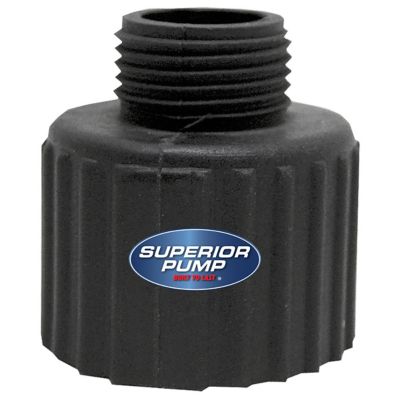
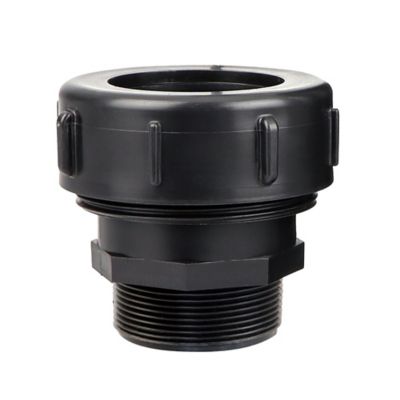
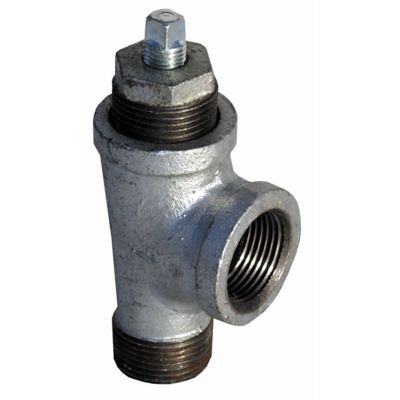
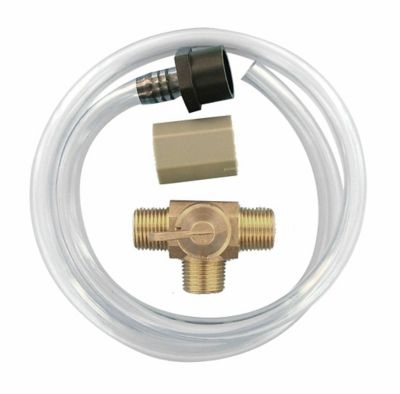
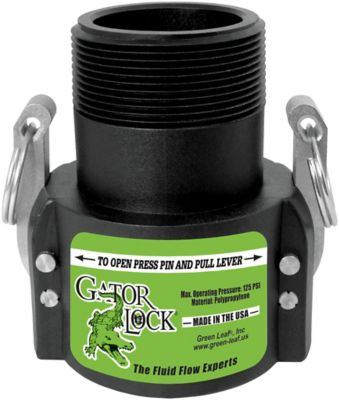
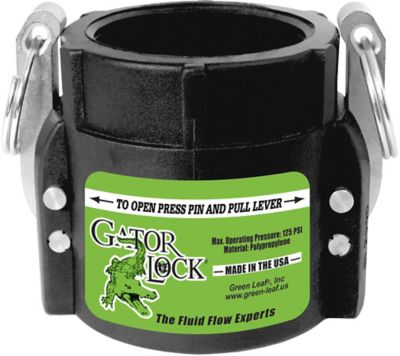
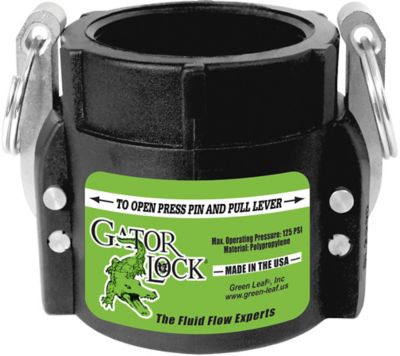
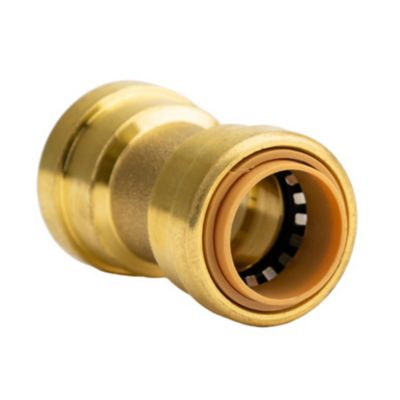
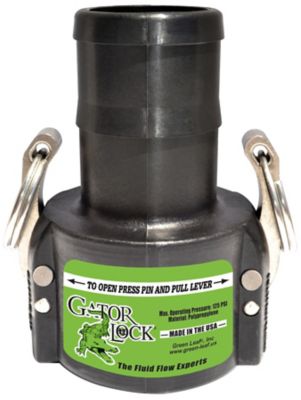
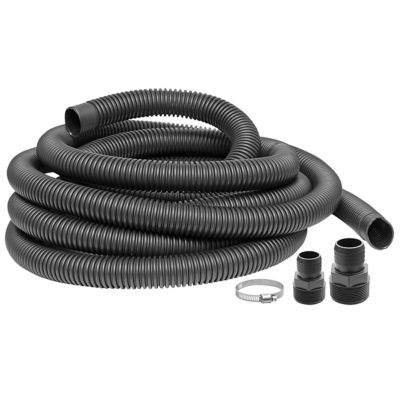
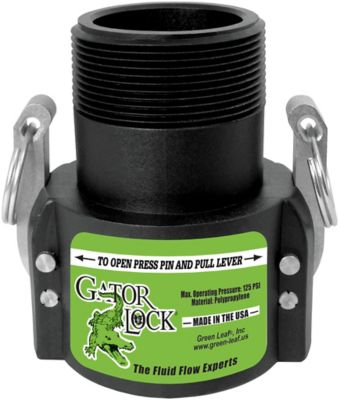
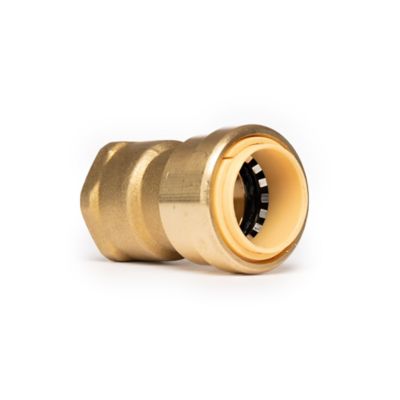
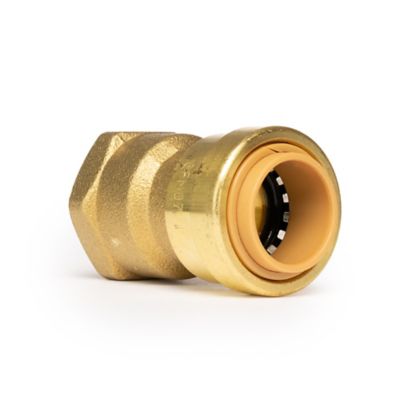
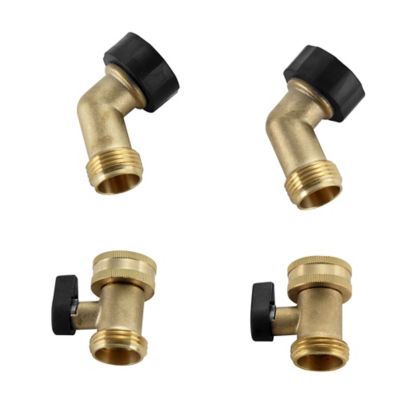
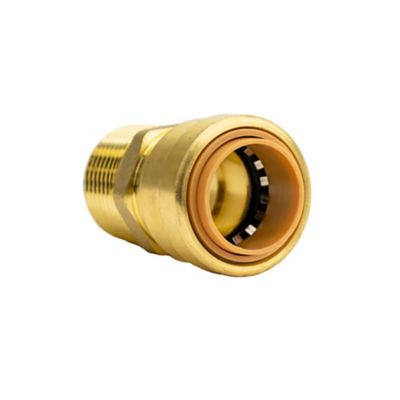
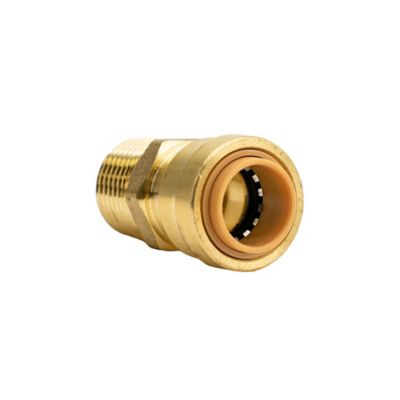
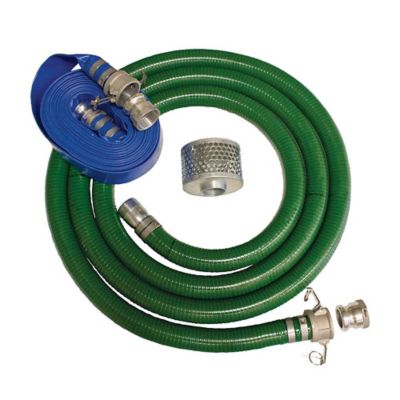
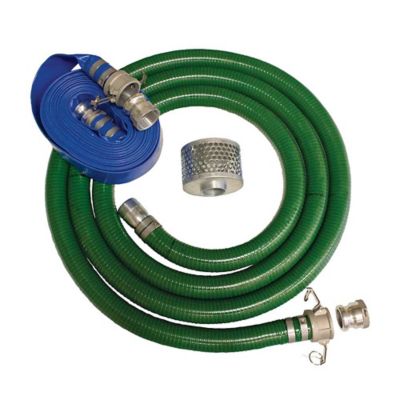
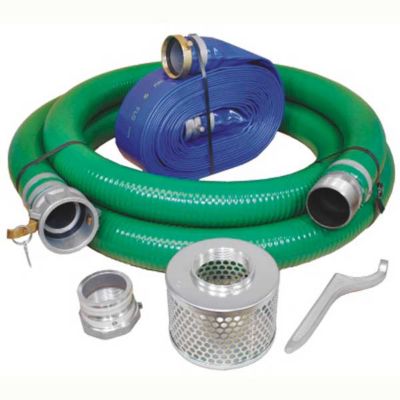
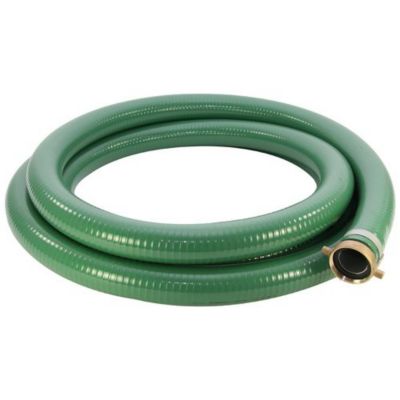
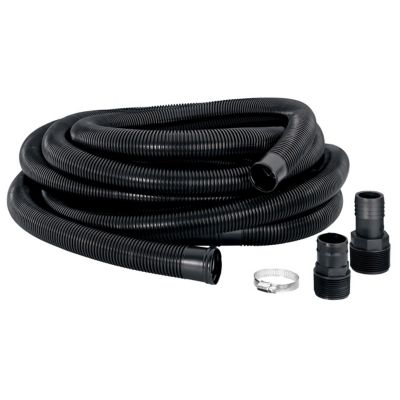
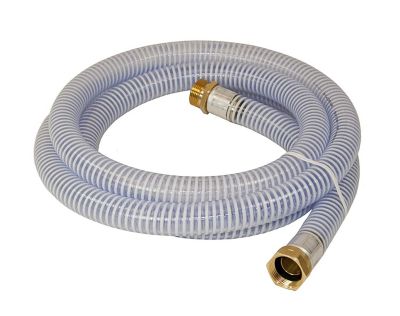
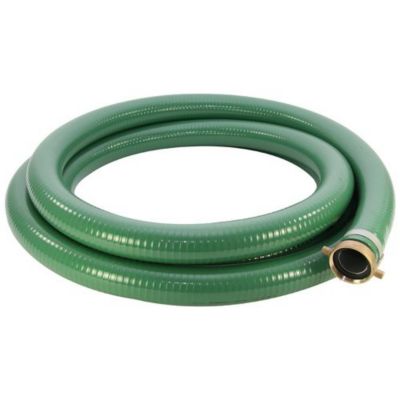
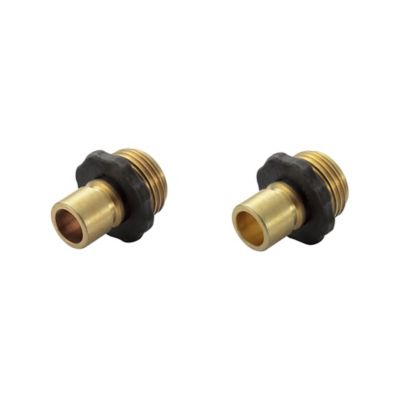
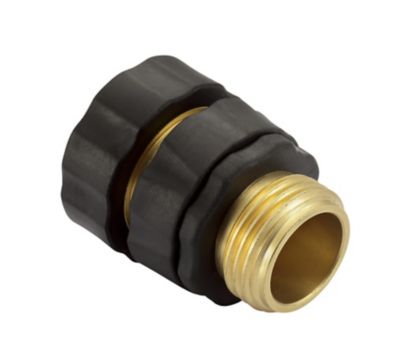
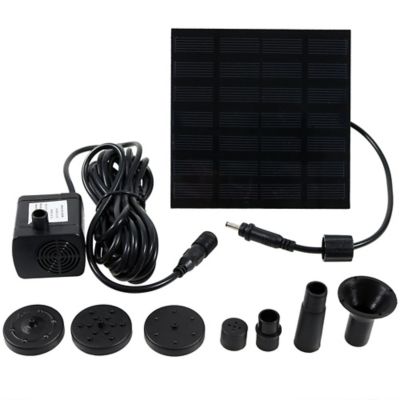
Water pump connectors link a pump with the hoses, pipes or electrical connections it needs to do its job. The term covers several different parts: plumbing fittings carry water, well adapters connect sections of a well system, and electrical plugs connect power or controls. Those connections aren’t interchangeable, even when they look much alike. For chores around a farm, acreage or backyard, the right fit depends on the pump’s inlet and outlet, the line being connected and whether that connection handles suction or discharge. A setup moving water into a livestock tank has different demands than a pond circulation line or a permanent well installation. Threaded adapters connect compatible threaded openings, hose-barb fittings fit inside appropriately sized hose, and unions allow sections of piping to separate without turning the whole line. Quick-disconnect couplings can make sense where hoses move between jobs, provided their ratings and seals suit the application. Fit involves more than finding two openings that appear to be the same width. Nominal pipe size, hose inside diameter, thread style and male or female ends all matter. A nominal pipe measurement does not necessarily equal the outside diameter measured with a tape, and tapered pipe threads do not seal the same way as straight threads with a gasket or O-ring. Metric and inch-based connections also need a closer look rather than an extra turn with a wrench. Matching the pump’s documented connection specifications helps prevent crossed threads, cracked ports and fittings that tighten without sealing. For a replacement connection, the pump model information and the markings on the existing line offer a better starting point than appearance alone. Reducers and elbows can help connect different line sizes or route plumbing around a frame, but every change in direction or diameter affects the path water takes. A connection that preserves the pump manufacturer’s recommended line size can help avoid unnecessary restrictions, especially when the pump is drawing water through a suction hose. That matters when a long hose reaches from a water source to a pump parked beside a tank or work area.
Material choice affects how a water pump connector handles its surroundings, the liquid passing through it and the strain placed on the connection. Common fitting materials include brass, stainless steel and plastics such as PVC, polypropylene or nylon, with suitability depending on the particular fitting’s specifications. Metal isn’t automatically the best answer for every setup, and plastic isn’t interchangeable across every application. Contact with drinking water calls for fittings documented for that purpose, while water containing treatment chemicals or fertilizer requires a separate compatibility check. Connections between dissimilar metals may also need attention to corrosion compatibility. Pressure ratings matter throughout the assembly, including the connector, hose, clamps, seals and pump ports; the lowest-rated component limits the system. Suction service brings another concern because a connection can admit air without showing an obvious water leak. A pump that struggles to maintain prime may have an inlet connection that needs attention, even when the ground underneath stays dry. Hose intended for suction service must also resist collapsing under vacuum. With a barbed connection, hose dimensions and the specified clamp arrangement need to match the fitting rather than merely feel tight. With threaded connections, the sealing method should follow the fitting manufacturer’s directions. Thread sealant is not a substitute for matching threads, and connections that seal against a gasket or O-ring work differently from tapered pipe threads. Over-tightening can damage plastic bodies, distort seals or put stress on a pump housing. Physical support matters just as much as the connection itself. A heavy hose hanging from a small pump port, or rigid pipe pulled sideways to reach an outlet, can keep pressure on the joint long after installation. Properly supported lines and suitable flexible sections can reduce that strain where the system design allows them. For a pump that travels between a barn, a tank and a work site, connections that can be separated without twisting the hose may make routine handling simpler, while permanent installations often benefit from access points that leave room for inspection and service.
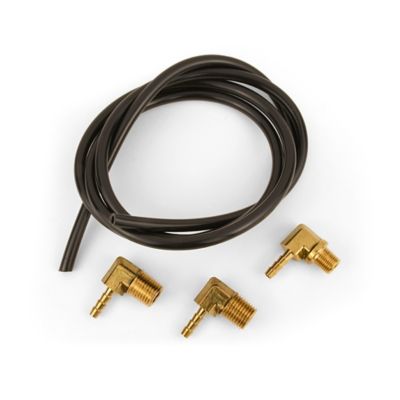
Pond and water-feature setups bring tubing fit, routing and access into the same conversation. A connector needs to match both the pump outlet and the tubing’s actual dimensions, while the tubing itself needs to suit the pump’s flow requirements and installation conditions. Pairing compatible fittings with
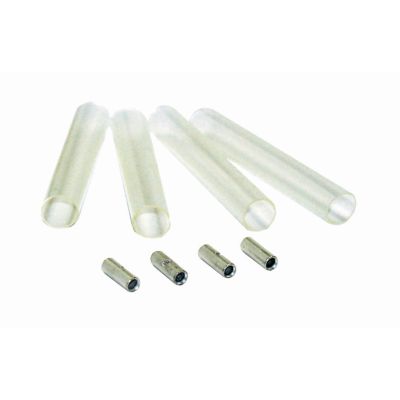
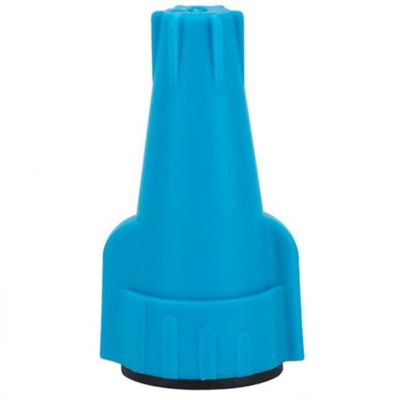
Pond Pump Tubing helps keep the water path consistent from the pump to a filter, spillway or return point. Long runs, tight bends and unnecessary size reductions can limit flow, so a larger-looking outlet does not tell the whole story about system performance. Connections tucked behind a pond edge or beneath equipment also need enough access for cleaning and seal replacement. Around livestock tanks and utility water systems, routing that keeps hoses away from gates, tires and regular foot traffic helps protect both the line and its fittings. Well systems may involve specialized adapters, pressure-rated piping connections and submerged electrical splices, each with requirements beyond those of an ordinary garden hose connection. Electrical water pump connectors belong in a separate category from water-carrying fittings: plug shape alone does not establish compatibility. Pin arrangement, wiring assignment, voltage, current capacity and the required protection against moisture all need to match the pump and installation. Vehicle and RV pump connections can also be equipment-specific, so model documentation matters there, too. Electrical work near water deserves particular care and, where required, a qualified professional. For everyday upkeep, visible cracks, corrosion, flattened seals and damaged threads are signs that a connection needs attention rather than another round of tightening. Dirt on a gasket face or grit caught in threads can interfere with sealing, especially on connections taken apart between jobs. Disconnecting power and relieving system pressure before inspection keeps maintenance safer. Clean mating surfaces, manufacturer-approved replacement seals and lines supported without sharp bends all help extend service life. Whether the job is filling a trough, circulating pond water or connecting a permanent water line, a fitting matched to the pump, liquid and operating conditions gives the whole setup a better foundation for steady operation.