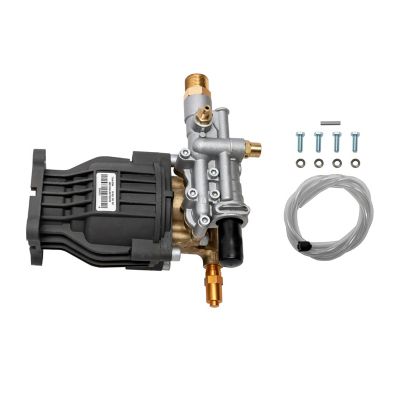
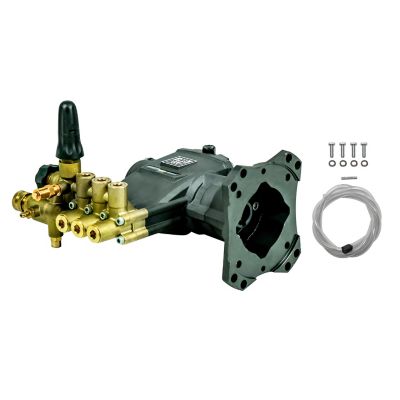
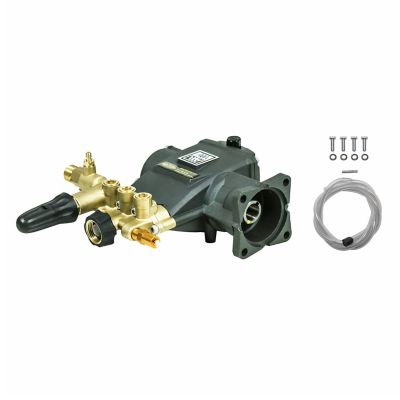
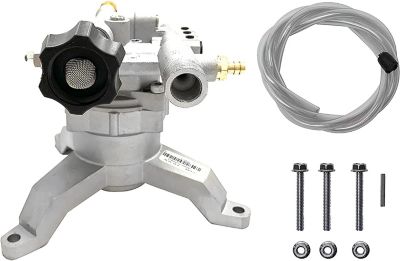
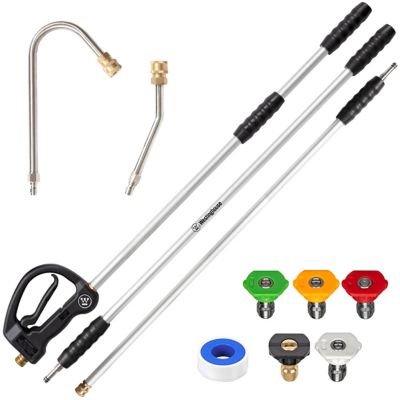
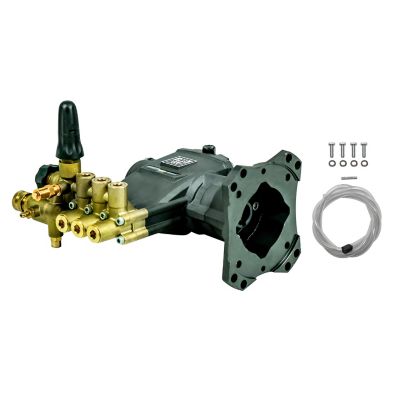
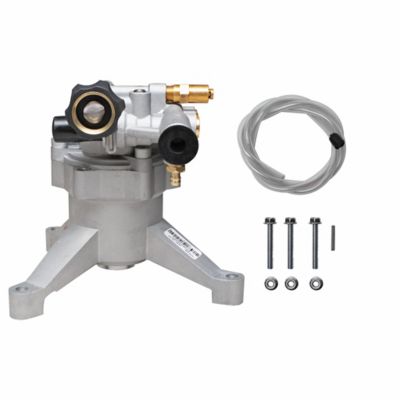
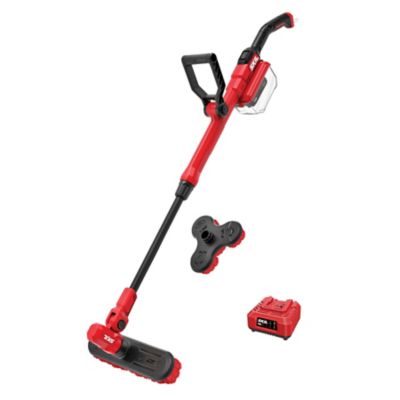
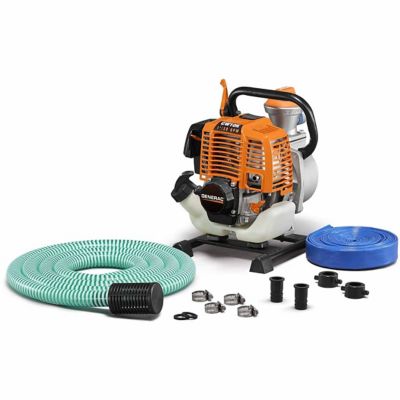
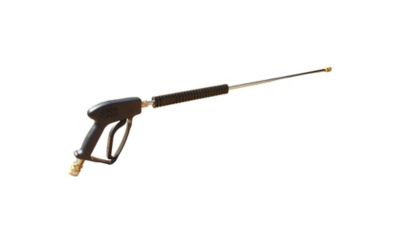
Pressure washer kits bring together equipment and attachments for knocking loose the mud, dust and grime that build up around a home, shop or farm. Some kits include a pressure washer, high-pressure hose, trigger gun, spray wand and interchangeable nozzle tips. Others are accessory packages meant to connect to a machine already on hand, so the contents matter just as much as the kit name. A complete setup can handle jobs such as rinsing a concrete walkway, washing road film from a compatible trailer finish or cleaning dirt off outdoor equipment, provided the pressure and attachment suit the surface. Accessory kits may focus on a particular task, with a foam cannon for applying detergent, a surface cleaner for broad stretches of pavement or an extension for reaching farther from the operator. The practical difference comes down to how much cleaning power the job calls for and how that power reaches the surface. Pounds per square inch, or PSI, describes pressure, while gallons per minute, or GPM, describes water flow. Pressure helps break dirt loose; flow helps carry it away. Both figures matter, and neither tells the whole story without the nozzle, spray distance and surface material. An electric pressure washer kit can suit routine cleanup near a properly protected outlet, while a gas-powered setup can make sense for larger outdoor work areas where an outlet is out of reach. Gas engines still need an adequate water supply and must operate outdoors, away from doors, windows and vents. Battery-powered cleaning kits can offer more freedom for smaller jobs, although output, runtime and water-source requirements vary. A bucket-fed option needs equipment specifically designed to draw from a container; an ordinary pressure washer should not be assumed to do that. For a homeowner clearing a muddy driveway edge or a property caretaker freshening up a work area, the right package starts with a clear match between the equipment, the water source and the work ahead.
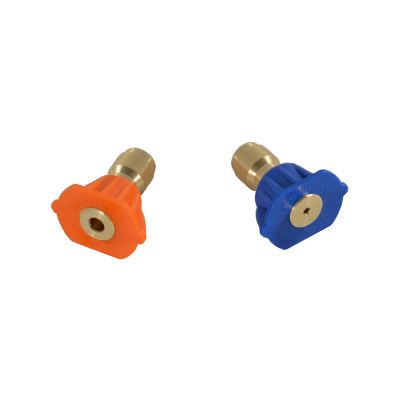
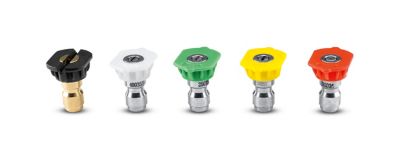
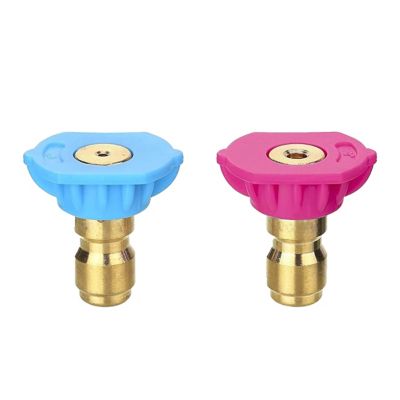
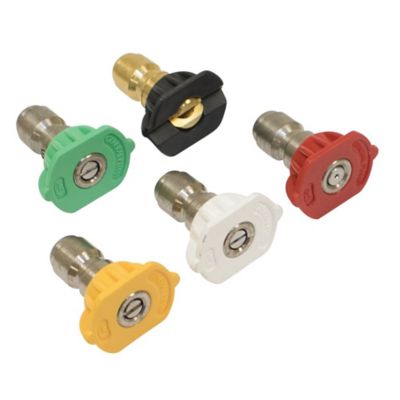
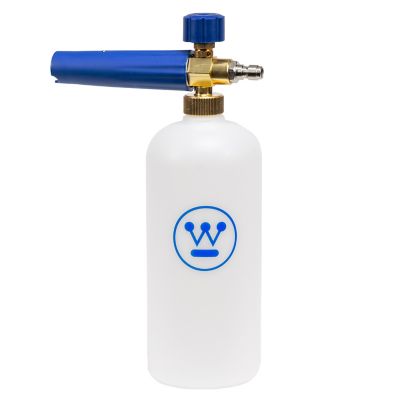
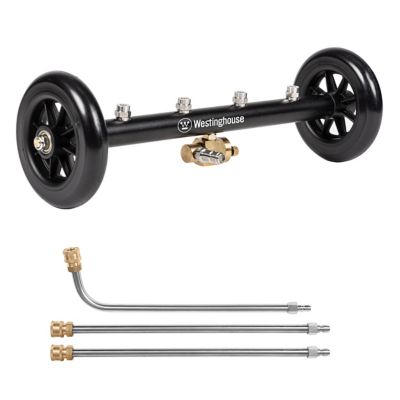
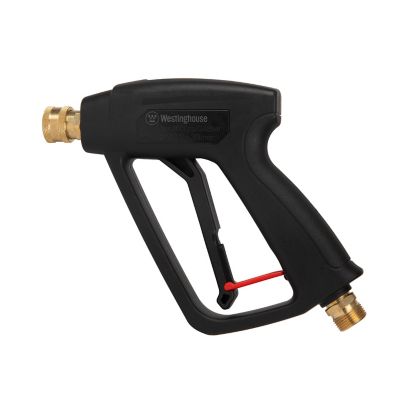
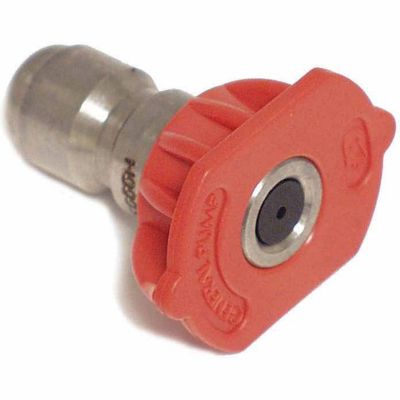
The fit between a pressure washer and its kit components is worth a close look, especially when pairing new attachments with an existing machine. Hoses, guns, wands and fittings need pressure and temperature ratings that meet the washer’s requirements, and attachments must support its operating flow. A connector that looks close is not necessarily a match. Thread size, internal fitting dimensions and quick-connect size can differ, even among parts described with similar names. Adapters may address some connection differences, but they do not raise a component’s pressure rating or make every combination suitable. Surface cleaners, which direct rotating spray beneath a housing, also need a flow and pressure match to work as intended. On a wide concrete pad, a properly matched cleaner can cover a broader path than a single spray tip and help contain some of the splash. On weathered boards, painted siding or vehicle finishes, that same approach may be unsuitable. Nozzle angle and orifice size affect the spray pattern and operating pressure, so interchangeable tips are more than convenient extras. A wider fan spreads the spray, while a narrow stream concentrates force and can gouge wood, strip paint or damage seals. Even a wide spray can harm a surface at close range. Manufacturer guidance and a small, out-of-the-way test area are better starting points than assuming every surface can take full pressure. Foam cannons and detergent attachments have their own connection, flow and chemical requirements, too. Thick foam alone does not establish cleaning performance, and only cleaning solutions approved for the equipment and the surface belong in the system. Hose length deserves similar attention: enough reach can reduce how often the washer needs moving, but excessive length may affect performance and adds more hose to manage around tires, steps and gateposts. An easy-to-hold trigger gun, a balanced wand and connections that seat securely can make a noticeable difference during a long stretch of cleanup.
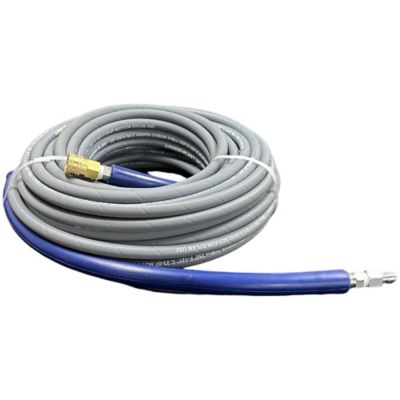
Materials and construction help determine how well pressure washer kits stand up to repeated chores. Reinforced hose construction, abrasion-resistant outer covers and strain relief near fittings can help limit wear where a hose bends or drags across rough ground. Rubber, thermoplastic and hybrid hose materials differ in weight, flexibility and handling, particularly during cooler weather. Brass and stainless steel fittings can offer resistance to corrosion, though seals, finish and proper care still matter. A sturdy connection depends on intact O-rings and clean mating surfaces, not just the metal around them. After a job along a gravel drive or beside the barn, grit should come off connectors before parts are separated and put away. Hoses last better when stored without sharp bends, away from hot engine parts and protected from vehicle traffic. Before changing attachments or disconnecting a hose, the washer should be shut down and pressure released according to its instructions. Eye protection, secure footing and keeping the spray away from people, animals and electrical equipment belong with any pressure-washing task. For equipment cleanup, particular care is needed around bearings, seals, wiring and air intakes, where a forceful stream can push water into places it does not belong. Mower maintenance may also call for
Deck Wash Kits, a separate type of attachment whose mower compatibility and water-connection requirements should be checked rather than treating it as a pressure washer accessory. As freezing weather becomes a concern, draining and winterizing the washer, hose and attachments according to their manuals helps prevent trapped water from damaging internal parts. Pump care varies by design, and engine-powered equipment has additional maintenance needs. These details matter whether a kit handles occasional household chores or regular cleanup around a working property. For someone giving a kit to a truck owner, acreage owner or family member who spends plenty of time in the shop, matching the recipient’s machine and usual chores makes the gift more practical than choosing by pressure alone. A well-matched pressure washer kit brings the necessary pieces together for the job, with manageable handling, suitable attachments and straightforward care between rounds of work.