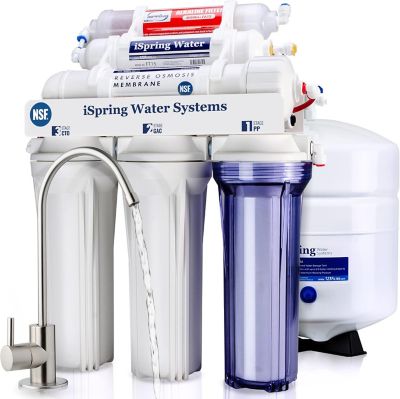
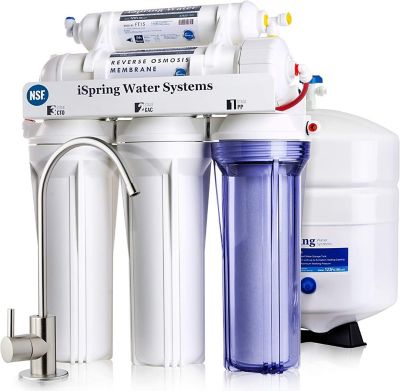
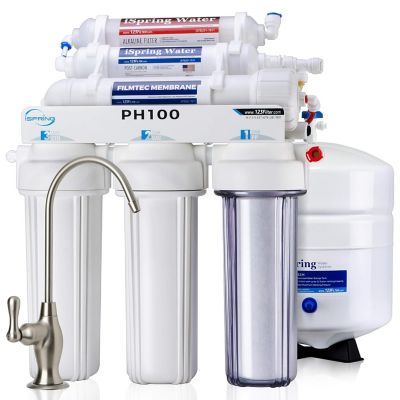
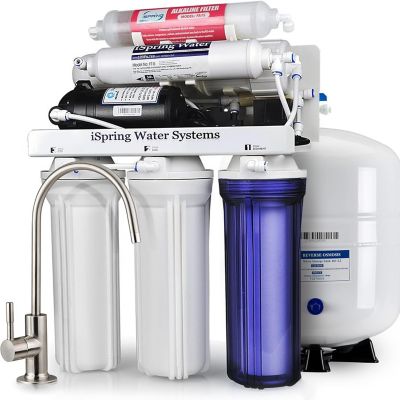
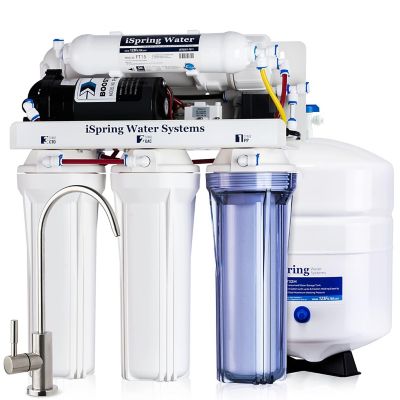
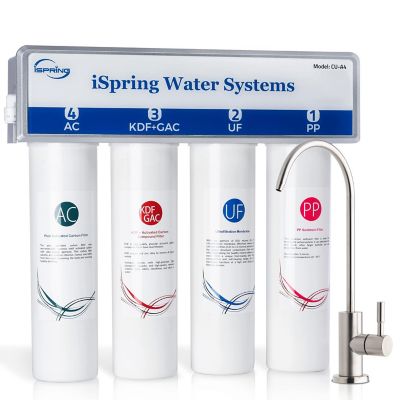
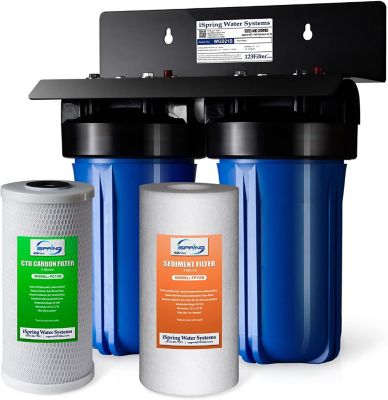
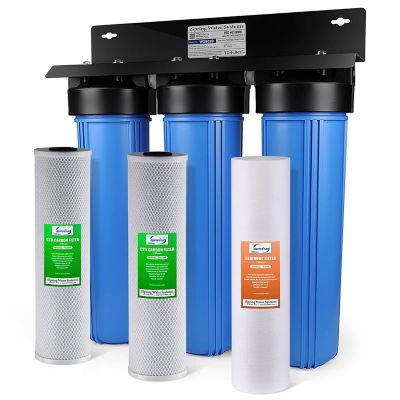
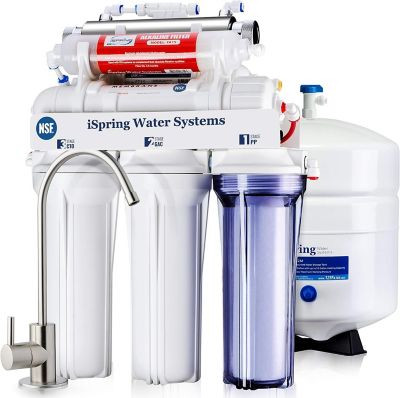
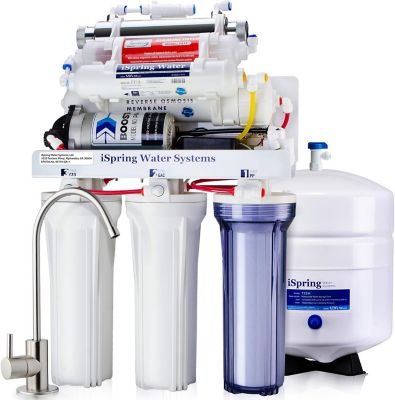
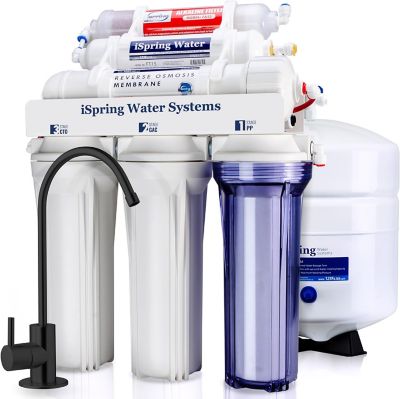
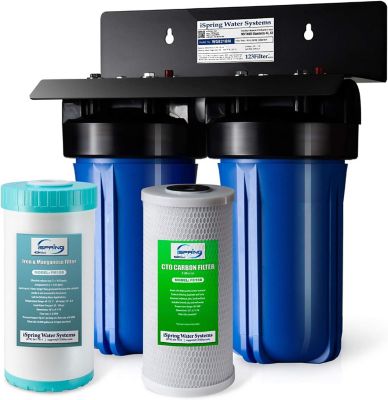
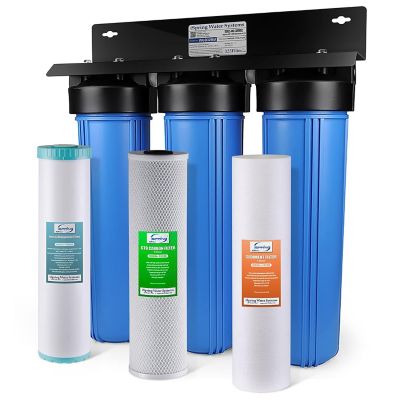
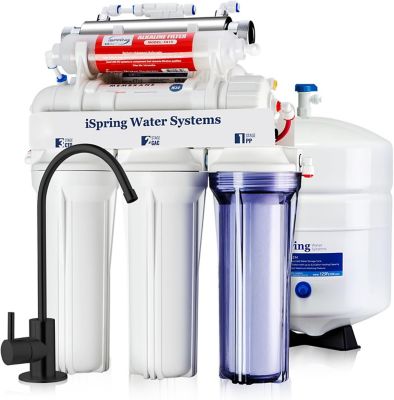
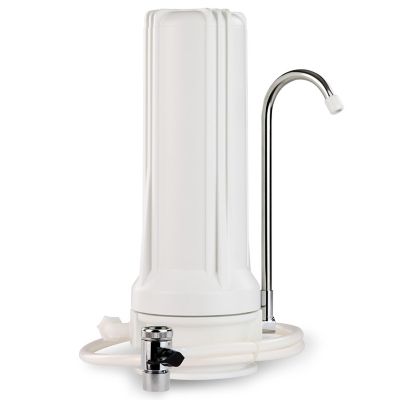
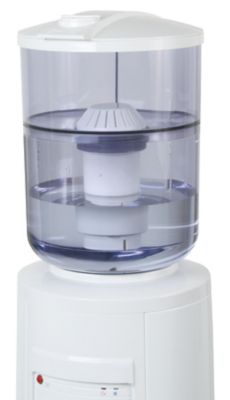
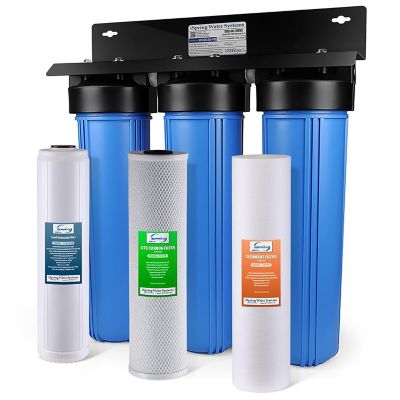
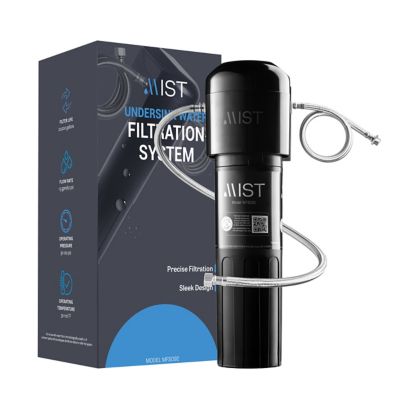
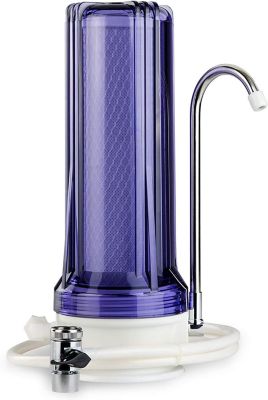
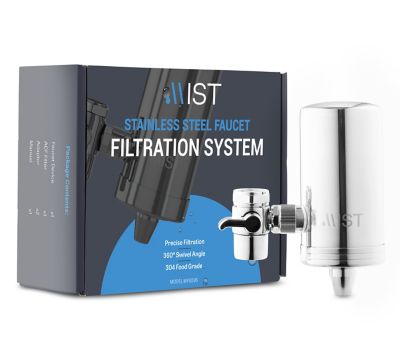
Water filtration systems reduce specific particles or substances in a water supply, with results depending on the filter media, system design and conditions at the property. The main choices are whole-house systems that treat incoming water and point-of-use systems that serve a particular faucet or drinking-water station. A whole-house water filter typically connects near the main supply line, allowing treated water to reach showers, laundry equipment and kitchen fixtures. An under-sink water filter concentrates treatment where drinking and cooking water comes from, while countertop filters, faucet-mounted filters and pitchers serve smaller amounts without a full-house installation. The right match starts with what is actually in the water, not simply how it looks in a glass. Municipal water reports provide background on a public supply, while testing at the tap can help identify concerns tied to a home’s plumbing. Private well water calls for testing through a certified laboratory, since clear water can still contain substances that have no noticeable taste or smell. Sediment filters catch particles such as sand, silt and rust; activated carbon filters commonly reduce chlorine taste and odor. Reduction of lead or other contaminants depends on the particular filter’s tested claims, not just the presence of carbon. Reverse osmosis systems pass water through a membrane to reduce many dissolved substances, with performance varying by system and contaminant. They commonly serve a dedicated drinking-water faucet rather than every fixture in the house. For households connected to a municipal supply,
Whole House Water Filters For City Water can address treatment needs across multiple fixtures when the system’s ratings match the water conditions. Filtration and softening also serve different purposes: a standard sediment or carbon filter does not remove hardness minerals the way a water softener does. On a well-fed property, separate treatment stages may be necessary for sediment, iron, hardness or microbial concerns. No single filter should be assumed to handle every issue.
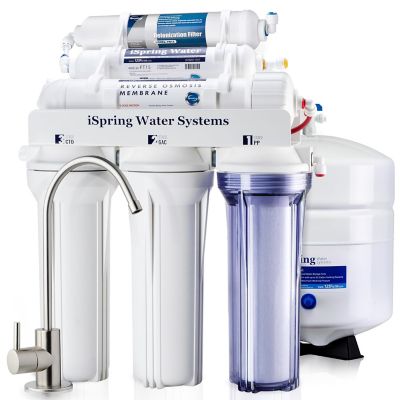
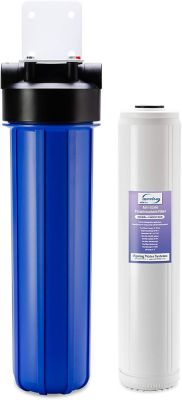
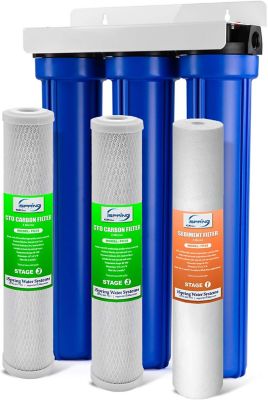
Everyday water demand matters just as much as the treatment method. A household running a shower, washing machine and kitchen faucet at the same time needs a different whole-house setup than a small home with one bathroom. Flow rate, commonly listed in gallons per minute, describes how much water can move through a system under stated conditions. A filter that is too restrictive for the household can make ordinary chores frustrating, especially when several fixtures run together. Rated treatment capacity is a separate measure that indicates how much water a filter can treat before replacement under its specified test conditions. Both figures deserve attention, along with the manufacturer’s operating-pressure requirements. For a farmhouse kitchen, an under-sink system may cover drinking water, coffee and meal preparation without treating water headed to every utility fixture. For a home where grit collects in faucet aerators or toilet tanks, an appropriately sized sediment stage near the supply entrance may better fit the concern. Physical fit includes more than whether a housing slips into a cabinet. Pipe diameter, connection type, mounting support and room to remove the filter bowl all affect installation and future service. Reinforced plastic housings offer a practical option in many settings, while stainless steel housings may suit installations with different structural or service requirements. Materials, seals and fittings should be rated for potable water and compatible with the plumbing. A filled filter housing can be heavy, so mounting strength matters. Whole-house installations may also include shutoff valves and a bypass arrangement that allows service without an extended interruption to the home’s water supply. Under-sink reverse osmosis systems often require space for multiple treatment stages, a storage tank and a drain connection. Some designs need electricity, while many gravity-fed countertop systems operate without a powered pump. Rentals, smaller kitchens and spaces where plumbing changes are limited often call for a compact option, provided its treatment claims match the intended water source.
Ongoing care is part of owning any water filtration system, whether it serves a busy household or a single drinking-water faucet. Filter life depends on water conditions, daily consumption and the type of treatment media. A cartridge handling a heavy sediment load may need attention sooner than the same cartridge on a clearer supply. Some replacement schedules fall around six to twelve months, but the manufacturer’s time limit and gallon rating take priority over a general estimate. A drop in flow, an indicator light or the return of an unwanted taste can signal a service need, though harmful contaminants may provide no noticeable warning at all. That makes a scheduled cartridge change more dependable than waiting for water to look or taste different. Accessible housings, clearly identified replacement cartridges and enough clearance for a filter wrench make routine upkeep less of a chore. Housing cleaning, seal inspection and any sanitizing procedure should follow the system’s directions, with properly seated O-rings helping prevent leaks after service. For reverse osmosis systems, prefilters, postfilters and the membrane can have different replacement intervals. These systems also send a portion of incoming water to the drain, and their production rate and wastewater ratio vary with design and operating conditions. Independent certification helps separate a general filtration claim from documented performance. NSF/ANSI 42 commonly covers aesthetic effects such as chlorine taste and odor, NSF/ANSI 53 addresses specified health-related contaminant reductions, and NSF/ANSI 58 applies to reverse osmosis drinking-water systems. Certification to a standard does not mean every contaminant within that standard is reduced; the individual claim still matters. Ordinary sediment and carbon filters should not be treated as disinfection systems, and untreated well water may require a separate approach based on laboratory results. For families filling water bottles before chores, cooking supper or keeping a drinking-water station in a workshop, a well-matched system brings the treatment closer to the task. Sensible sizing, suitable materials and manageable maintenance help that setup keep serving the household over time.