


Reverse Osmosis Water Filtration Systems
Shop reverse osmosis water filtration systems to find a setup that fits your home’s drinking water needs. Compare filtration capacity, installation requirements, and replacement filter needs, and check each system’s specifications for the contaminants it’s designed to reduce.
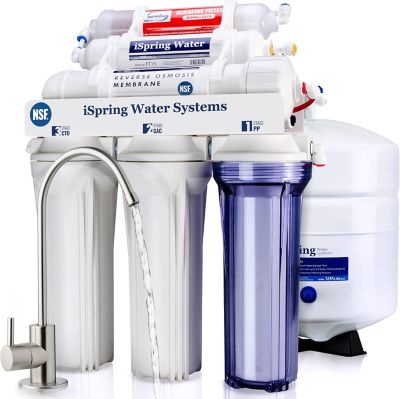
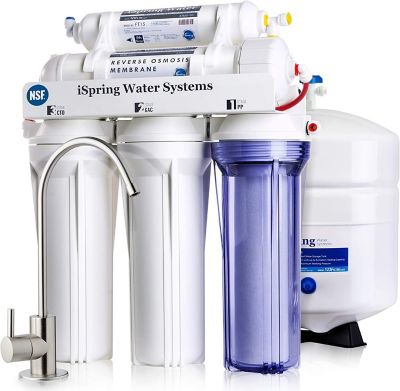
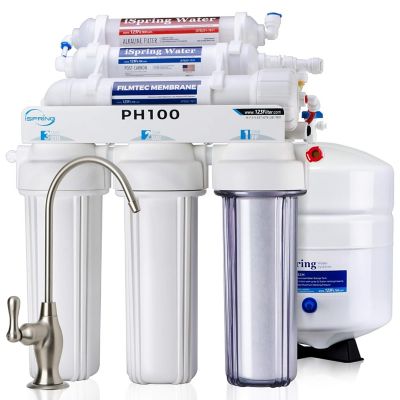
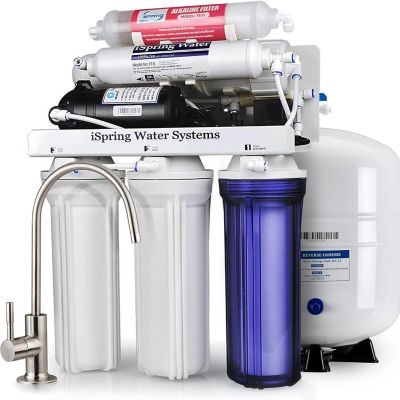
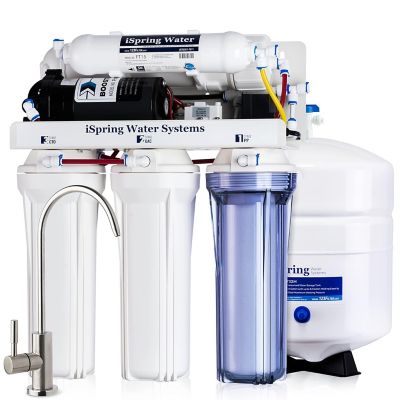
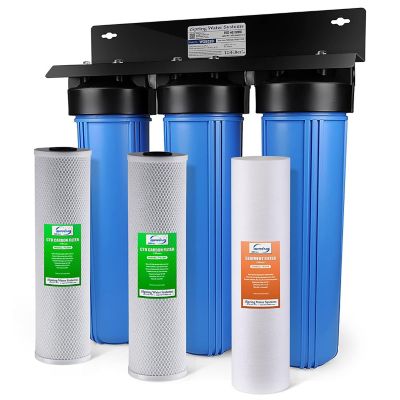
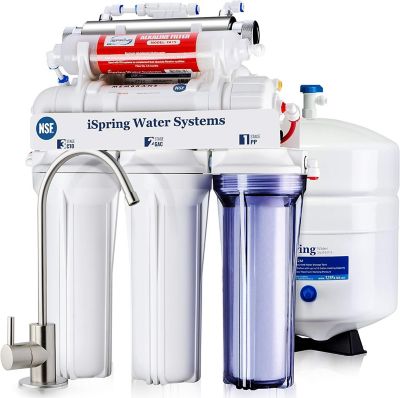
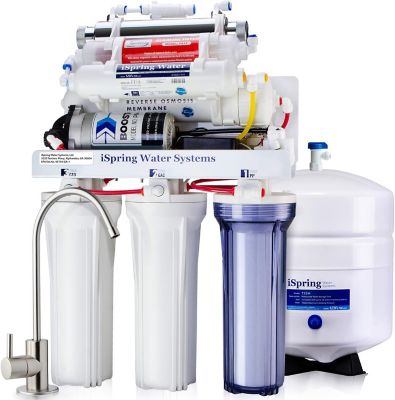

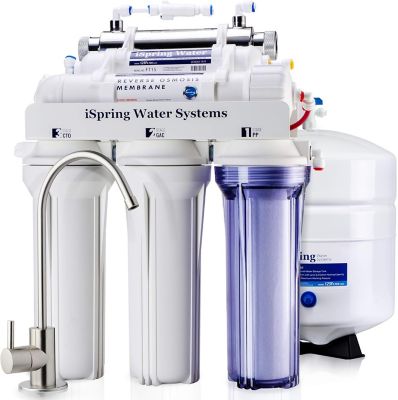

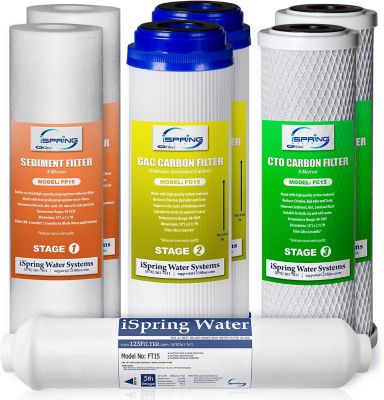
Best Of FAQ
What does the stage count mean on a reverse osmosis water filtration system?
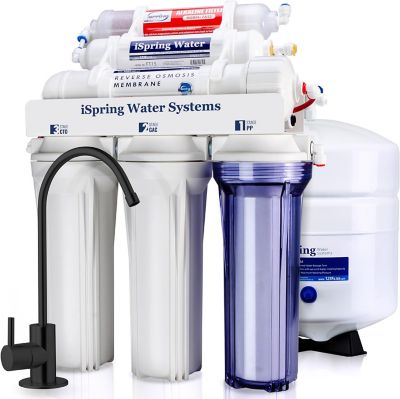
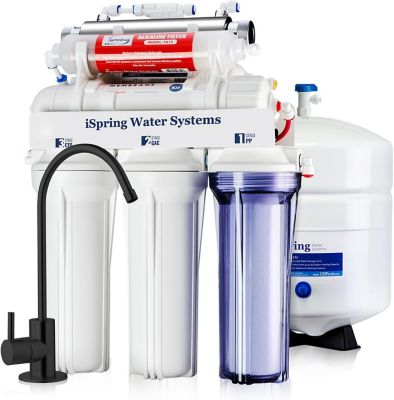
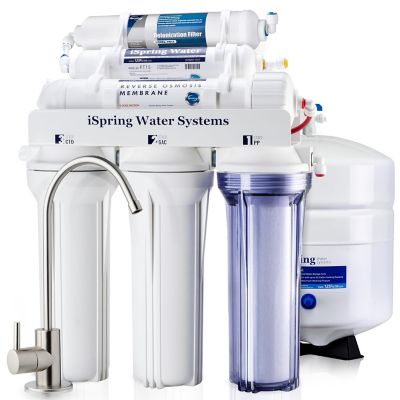
The stage count tells you how many treatment steps water passes through. A system may include prefilters, a reverse osmosis membrane and a final filter before the faucet. Stage layouts vary, so check the system’s documentation to see what each one does.
How do countertop and under-sink reverse osmosis systems differ?
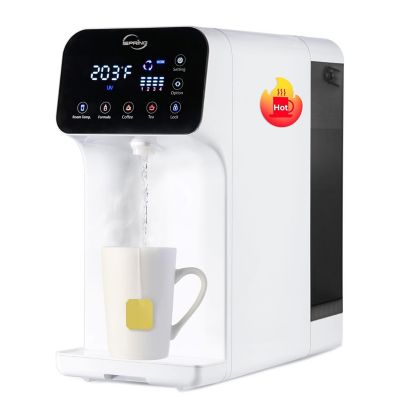
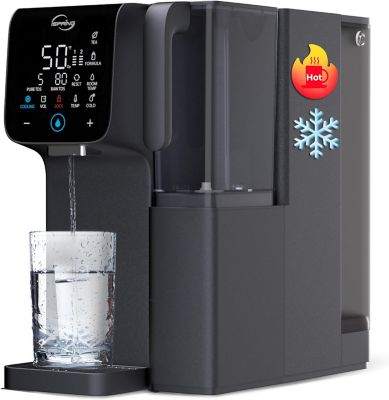
Countertop systems sit on the counter and may have a refillable reservoir or a faucet connection. Under-sink systems connect to the plumbing below the sink and typically send water to a separate drinking-water faucet. Installation requirements vary by model.
What routine upkeep does a reverse osmosis system need?
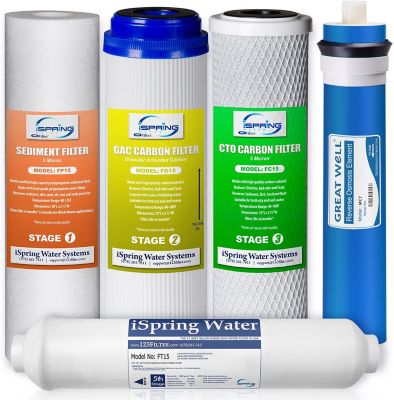
Plan on replacing filters and the membrane on the manufacturer’s schedule, cleaning or sanitizing the system as directed, and checking connections for leaks. Keeping a record of service dates makes it easier to stay on top of maintenance.
What is the difference between tank and tankless reverse osmosis systems?
Systems with a storage tank hold filtered water until you turn on the faucet. Tankless systems process water as you draw it rather than keeping a separate supply in a tank. Check the setup instructions, since electrical and plumbing requirements can differ.
What connections does an under-sink reverse osmosis system typically need?
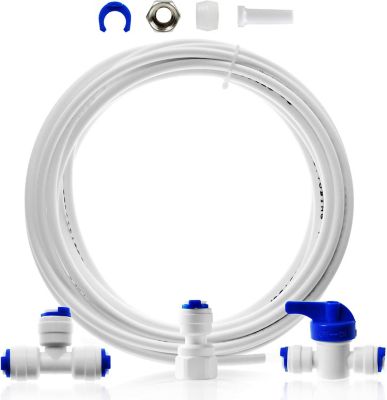
Most under-sink setups need a cold-water supply connection, a drain connection and tubing to a drinking-water faucet. Some also need an electrical outlet. Before getting started, review the installation instructions and local plumbing requirements to plan the hookup.
Best Sellers
-
"Because we wanted the best water we could drink, we also connected our refrigerator water and refrigerator"
-
"The water tastes clean and crisp and I love having a filtered drinking water straight from the tap"
-
"I bought this a year ago and it works great. Good clean drinking water"
-
"The best water filter products currently on the market. Great product! The water tastes much better"
-
"My wife, along with my four kids now think it's the best thing since sliced bread"