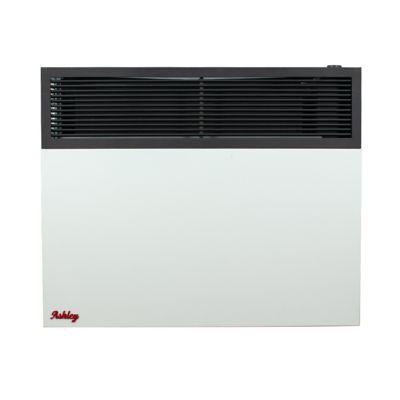
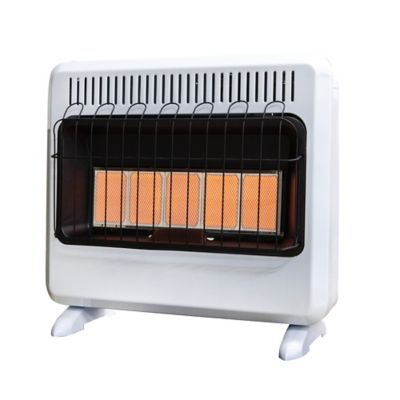
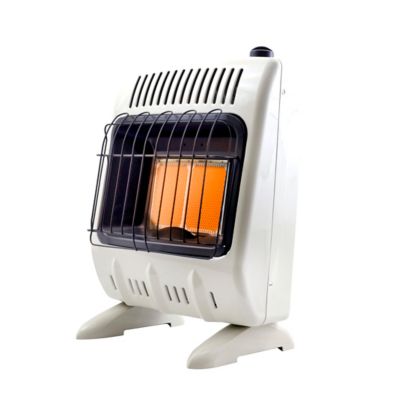
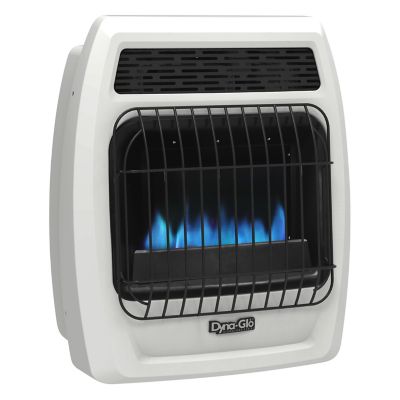
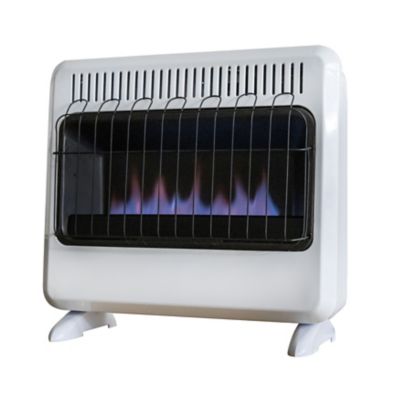
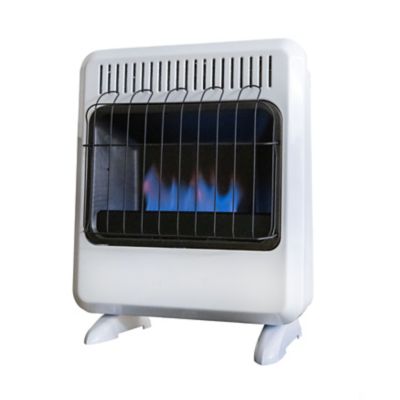
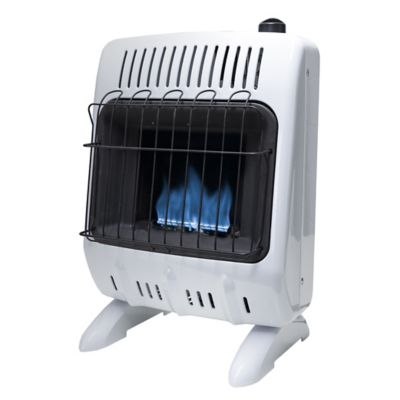
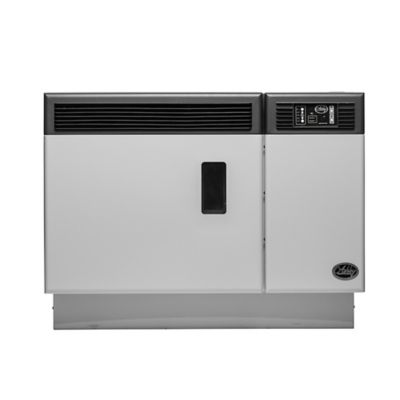
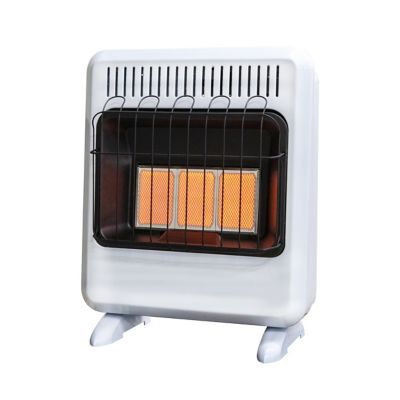
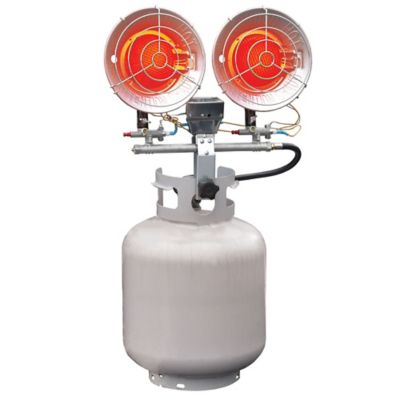
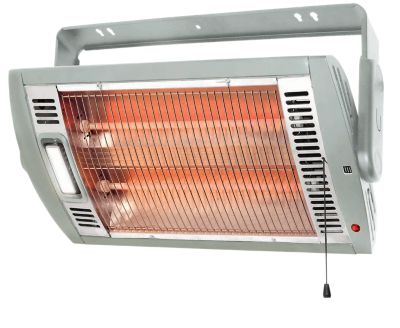
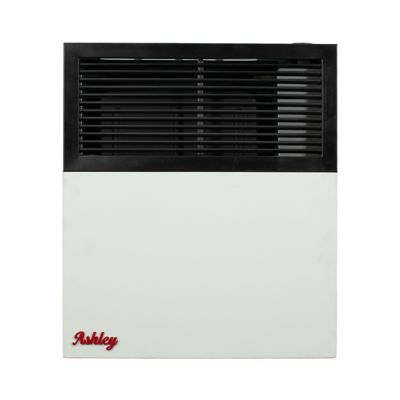
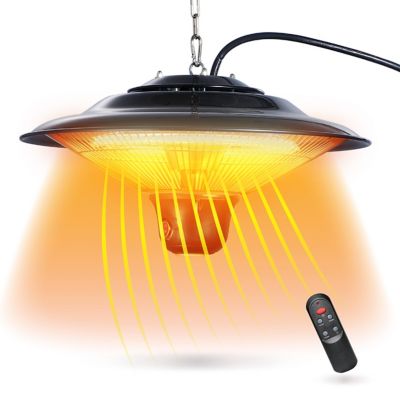
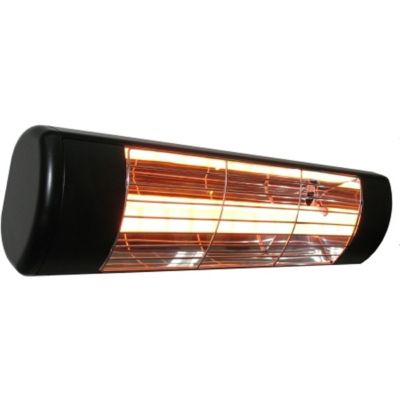
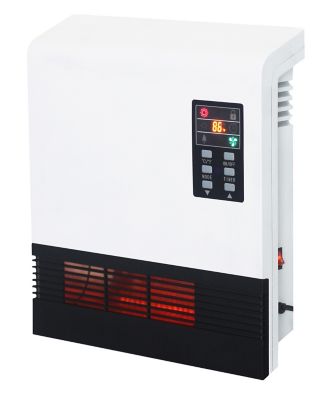
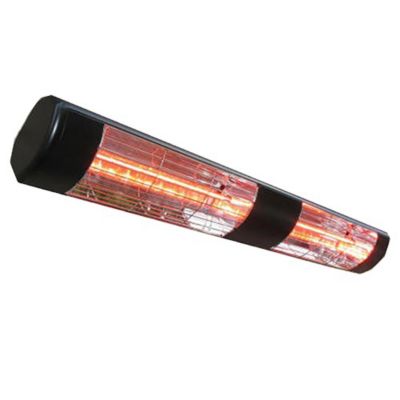
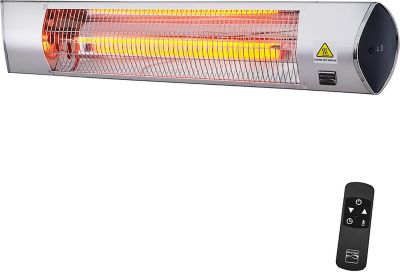
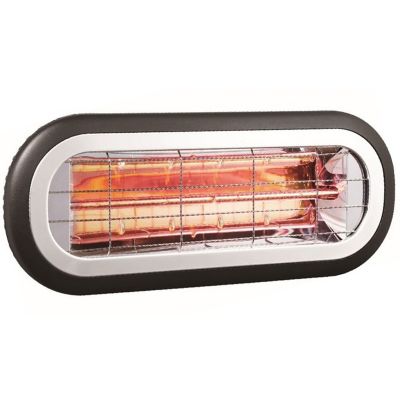
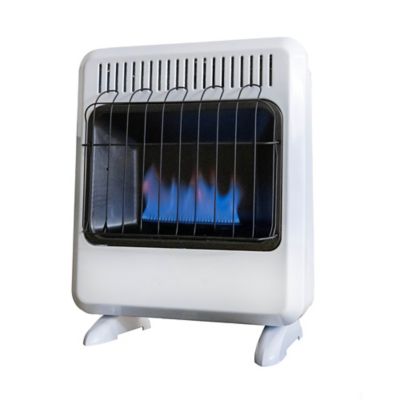
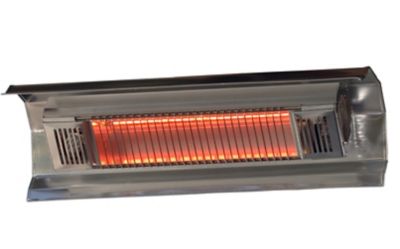
Wall mounted gas heaters can bring steady warmth to rooms where a central heating system does not reach well, including workshops, garages, cabins, mudrooms, porches, outbuildings and smaller living spaces. They sit against a wall instead of taking up floor space, which can leave more room for boots, feed bags, workbenches, tools or furniture. During the cooler months, a wall heater may serve as the main heat source in a compact area or provide extra warmth alongside an existing system. Homeowners with natural gas service may look for a natural gas heater, while those with a propane tank or no access to a natural gas line may prefer liquid propane. Fuel availability, local installation rules and the location of the heater all play a part in choosing the right fit. Before ordering, check the heater’s BTU output and compare it with the room size, ceiling height, insulation and outdoor exposure. A well-insulated room with tight doors and windows needs less heat than a drafty shop with a large overhead door. Too little output may leave the space chilly, while more output than the area needs can make temperature control harder. Product listings often show an estimated heating area, but that number is a starting point rather than a promise, since weather, construction and airflow vary from one property to the next. For additional options across fuel types and heating methods, browse
Gas Heaters.
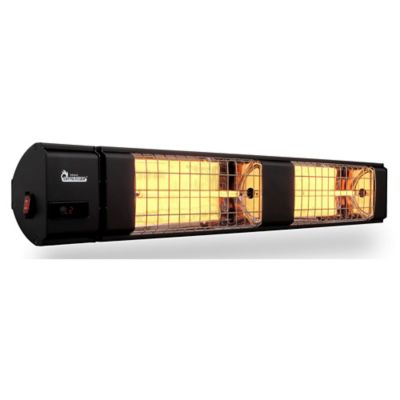
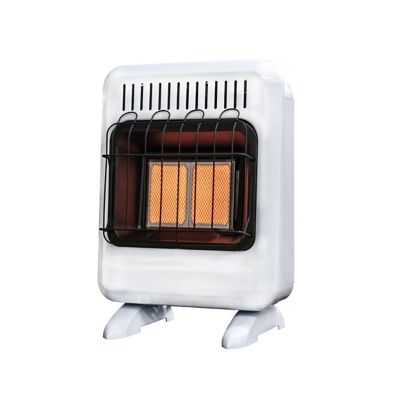
The heating method is another important consideration. Radiant models warm people, floors and nearby surfaces directly, much like standing in a sunny patch beside a barn door, making them a practical choice for a work area where warmth is needed in one part of the room. Convection models warm the air and help move heat throughout the space, which can be useful in rooms where people walk around or where a more even temperature matters. Some heaters include a fan to circulate warm air, while others operate quietly without one. Thermostatic controls can help maintain a chosen temperature instead of requiring frequent adjustments, and multiple heat settings make it easier to take the chill off in the morning before lowering the output later. Venting should be considered before any purchase. Vent-free heaters are often selected for their simpler placement requirements, but they release combustion byproducts and moisture into the room, so the manufacturer’s ventilation instructions must be followed closely. Direct-vent heaters require an exterior wall and a properly installed vent, but they send exhaust outdoors and draw combustion air from outside. Top-vent and rear-vent arrangements may suit different wall layouts, so measure the available space and review clearance requirements around windows, doors, ceilings, furniture and combustible materials. A licensed professional may be required for gas connections, vent installation or inspection, and local codes can vary by county or municipality. Natural gas and propane connections should never be improvised, and a heater should not be installed in a location that the product instructions prohibit.
Safety features deserve close attention, especially in a small room, sleeping area, workshop or enclosed outbuilding. An oxygen depletion sensor can shut the unit down if oxygen levels fall below a designated point, while an automatic shut-off can help stop gas flow if the flame goes out or the heater detects an unsafe condition. These features support safe operation but do not replace proper installation, ventilation, inspection or routine care. Keep paper, bedding, sawdust, clothing, hay, curtains and other flammable materials well away from the heater, and leave the clearances listed by the manufacturer. A wall-mounted unit should be fastened to a suitable surface with the recommended hardware, with gas lines and vent components protected from impact. Keep children and pets away from hot surfaces, and never hang clothing or gloves over the heater to dry. A carbon monoxide detector placed as directed in the home or building adds another layer of awareness, while a professional inspection can help identify blocked vents, loose connections or signs of incomplete combustion. At the start of the heating season, clear dust from accessible surfaces, check that air openings are not blocked and look over the vent for nests or debris. People shopping for a cabin owner, new homeowner, hobby farmer or someone setting up a chilly garage may find a wall mounted gas heater a thoughtful practical gift, provided the fuel type, room size and installation requirements are known first. With the right match, it can make early-morning chores, weekend projects and quiet evenings in a drafty space more comfortable throughout the cooler months.