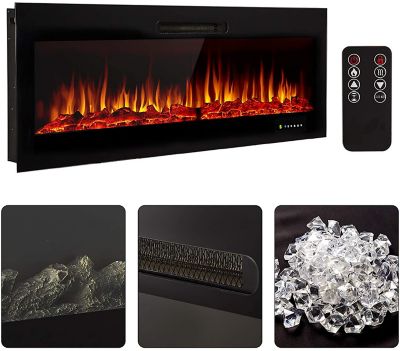
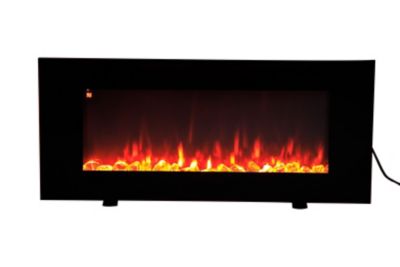
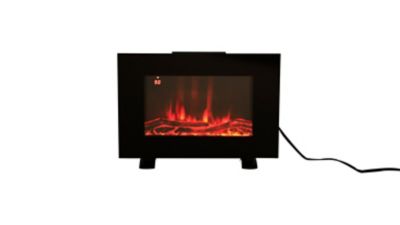
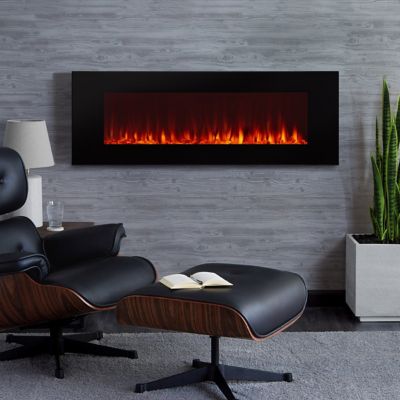
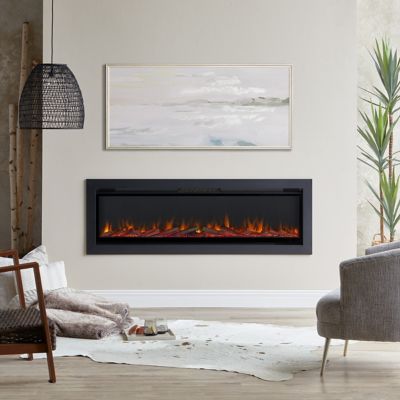
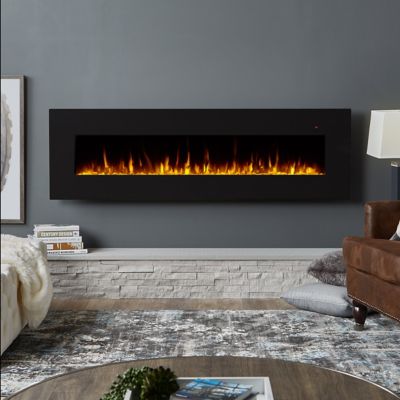
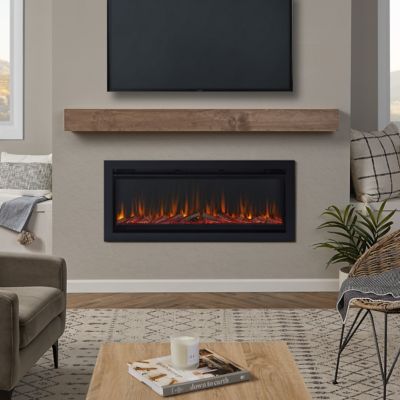
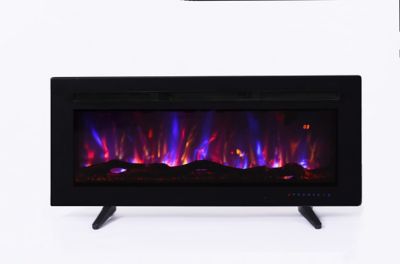
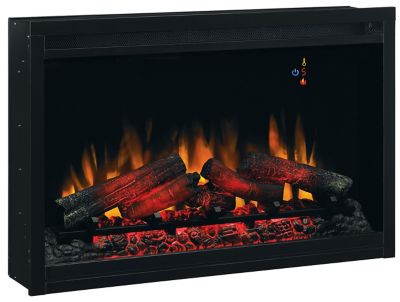
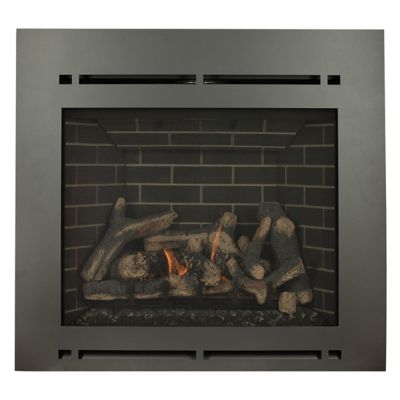
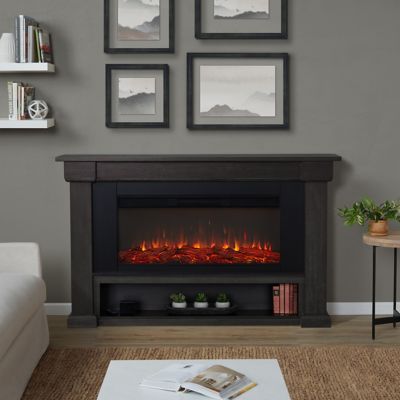
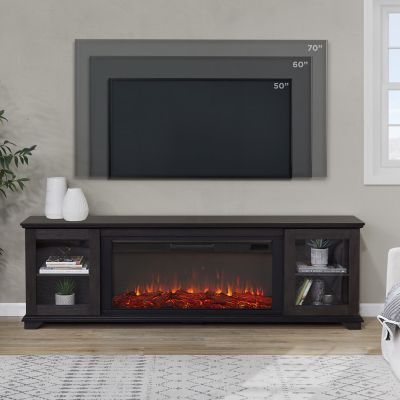
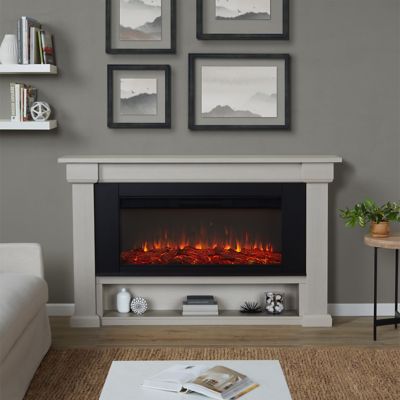
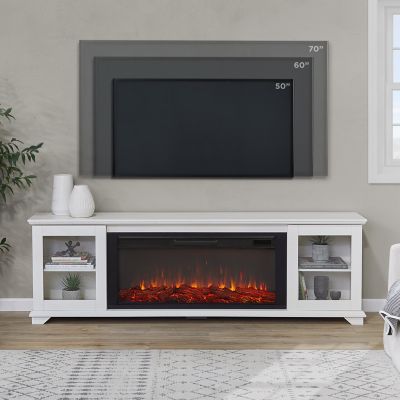
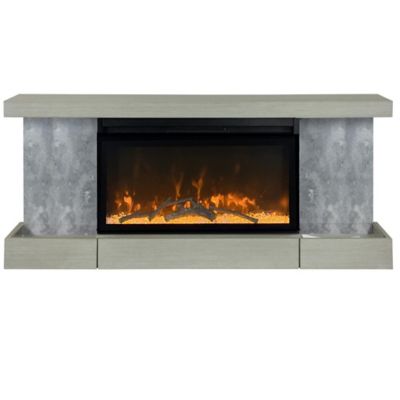
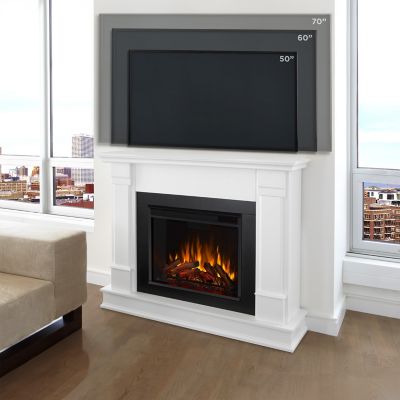
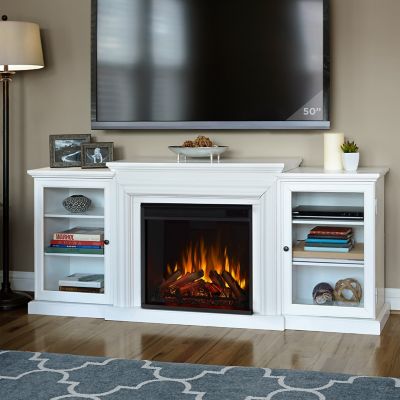
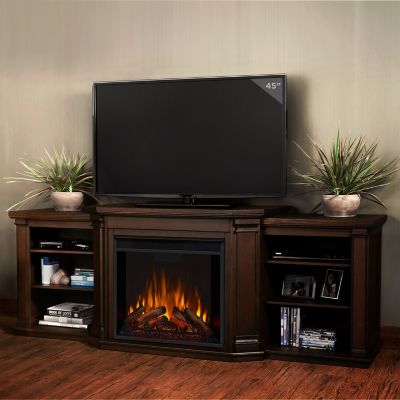
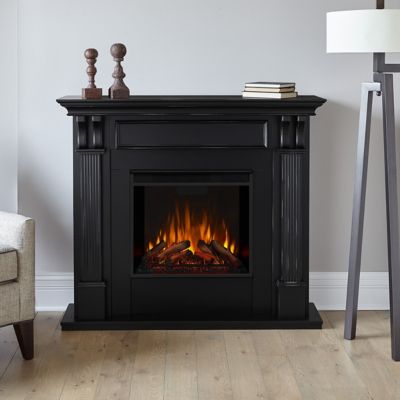
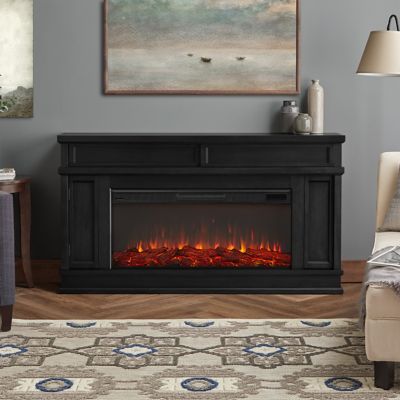
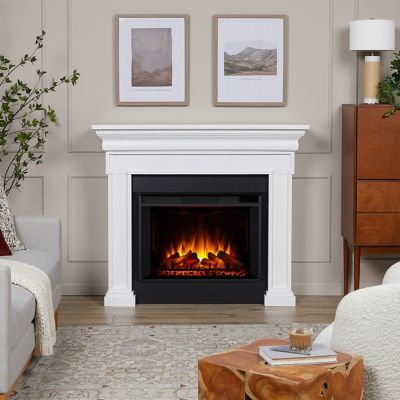
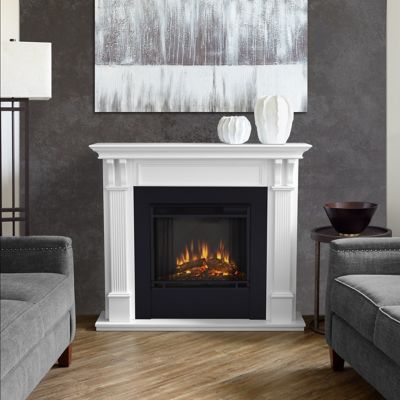
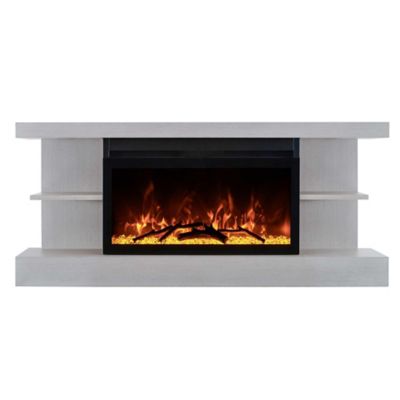
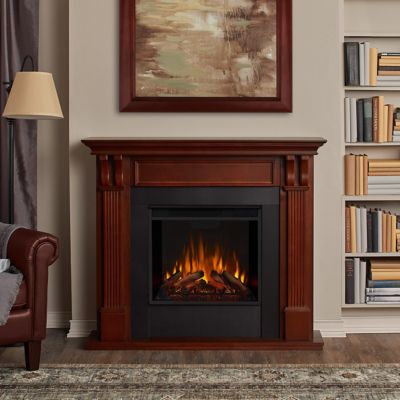
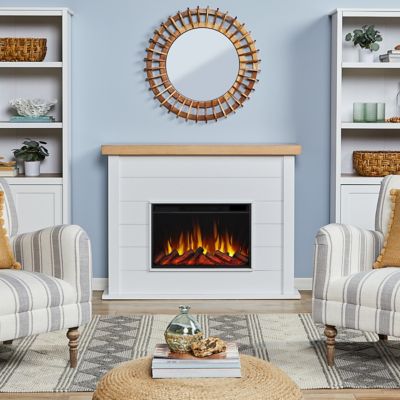
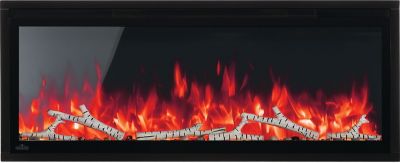
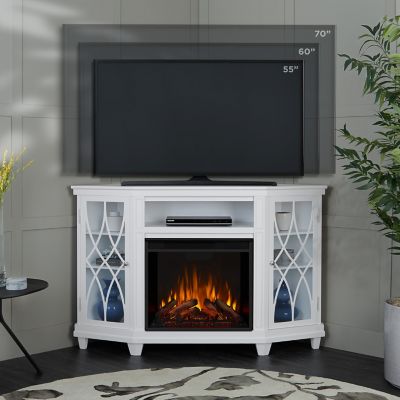
Electric wall-mounted fireplaces bring the look of a glowing hearth and supplemental room heat to a wall without a chimney, gas line, or combustion vent. They run on electricity, with flame effects that create the appearance of a fire rather than burning wood or gas. That means no firewood to carry indoors, ash to shovel, or soot from a wood fire settling around the hearth. For a farmhouse living room, a smaller den, or a bedroom with limited floor space, the wall-mounted format leaves more room for furniture and everyday foot traffic. Many designs allow the flame display to operate separately from the heater, so the glow can stay on when extra warmth is not needed. The finished look varies from slim metal frames with broad glass fronts to designs with a more substantial border. Log-style beds give the display a familiar hearth appearance, while crystal-style beds create a brighter, more contemporary effect. Flame colors, brightness levels, and ember lighting vary by model, making the display itself worth considering alongside heating performance. Width alone does not tell the whole story of how a fireplace will fit. The height of the viewing area, the depth of the housing, and how far the unit projects from the wall all affect its place in a room. A wide fireplace can balance a long sofa or a broad stretch of wall, while a narrower design may sit more comfortably between windows or beside a reading chair. The flame display should be easy to see from the seats where people spend time, without placing the heater where its airflow is blocked. In a busy household, keeping the unit clear of a doorway, furniture corners, and the path between the kitchen and living room helps the space stay comfortable to move through. A good fit looks settled into the room rather than squeezed into the last open spot.
Mounting style matters just as much as appearance. A surface-mounted electric fireplace hangs on a suitable wall with its housing extending into the room; a recessed installation places some or all of the housing within a prepared opening. Not every wall-mounted fireplace supports both arrangements, and a surface-mount model should never be boxed into a wall unless its instructions expressly allow it. The listed opening dimensions, ventilation requirements, wall construction, and mounting hardware determine what an installation needs. Drywall alone may not provide adequate support, so attachment to studs or another approved support system is an important part of a secure setup. The finished weight matters, too, especially when glass panels or separate media pieces are part of the assembly. Electrical requirements deserve the same attention. Many household electric fireplaces connect to a grounded outlet, while some installations call for hardwiring by a qualified electrician. The correct voltage, circuit capacity, and connection method come from the fireplace’s instructions, not from its size or appearance. Plug-in heaters should connect directly to an appropriate wall outlet rather than an extension cord or power strip. A nearby receptacle can also keep the cord from stretching across a walkway or hanging where it can snag. Supplemental heat is intended to help warm an occupied space, not replace a whole-home heating system. Listed room coverage is a useful comparison, but insulation, ceiling height, open doorways, and the layout of adjoining rooms affect how that heat feels. A closed den and an open living area with a tall ceiling will not hold warmth the same way. Heater wattage, thermostat settings, and fan operation are more useful measures of heating capability than the width of the flame display. Outlet placement also varies: warm air may leave through the front, top, or another designated opening. That airflow pattern helps determine safe placement near shelves, televisions, curtains, and furniture, with the manufacturer’s clearances taking priority over any room arrangement.
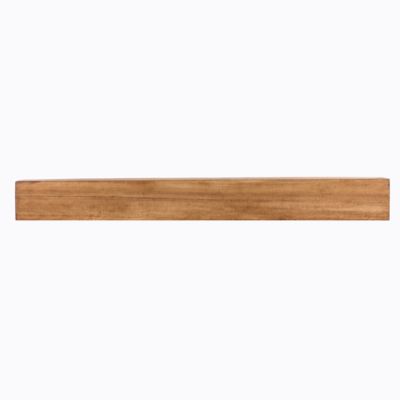
Everyday convenience often comes down to the controls and the details that are easy to overlook in a photograph. A remote can make it simpler to adjust the fireplace from a recliner, while controls on the unit remain helpful when the remote is out of reach. Adjustable heat settings, thermostats, timers, and separate flame controls are features to compare according to how the room functions. A timer may suit an evening spent reading, and dimmable lighting can keep a bright flame display from competing with a television screen. Fan sound also matters in a quiet bedroom or a room where conversation is the main activity. Although an electric flame effect does not involve burning fuel, the heater outlet and nearby surfaces can still become hot. Children, pets, blankets, and upholstered furniture need space away from the heating area, and safety shutoffs do not replace proper placement or supervision. Metal housings and glass fronts benefit from simple, regular care. Once the fireplace is switched off, unplugged when applicable, and fully cool, dust can be removed with a soft cloth as directed by the manufacturer. Approved glass-cleaning methods help prevent streaks without harming surrounding finishes, and keeping intake and outlet openings free of lint supports normal airflow. Abrasive pads, sprayed liquid near controls, and stored objects against vents can cause trouble that routine care helps prevent. For a more familiar hearth-style finish,
Wall Mounted Fireplace Mantels can complement a compatible installation, with shelf placement and surrounding materials kept within the fireplace’s stated requirements. A mantel is not a substitute for the mounting bracket or structural support the unit needs. The strongest room arrangement brings those practical details together: a supported fireplace, a suitable electrical connection, clear airflow, and a flame display visible from a favorite seat. That leaves space for boots by the door, a dog stretched out well away from the heater, and the ordinary comings and goings of home.