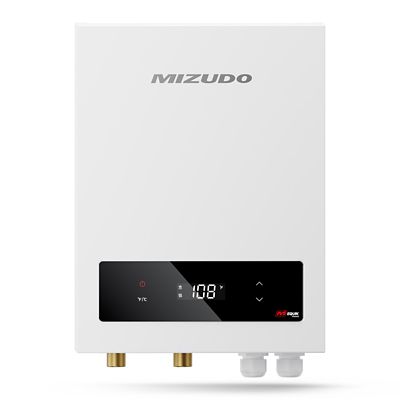
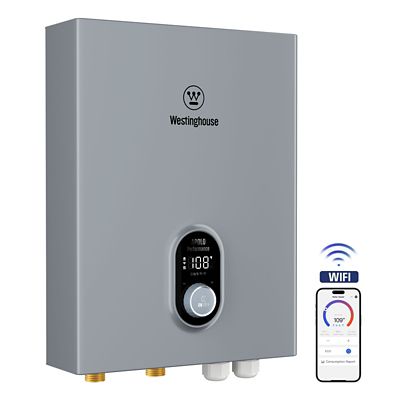
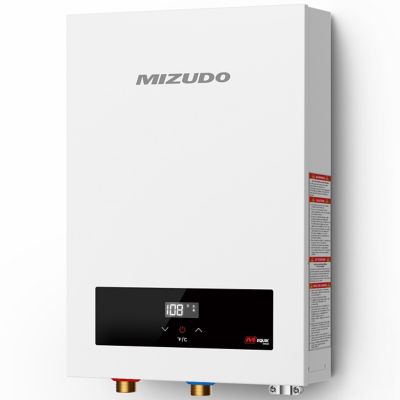
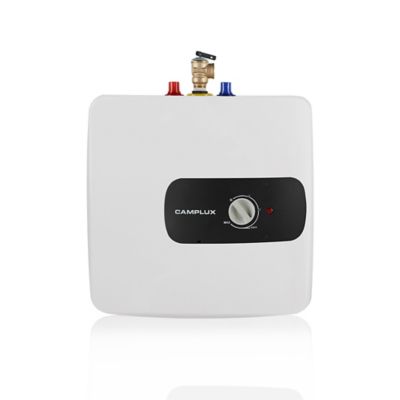
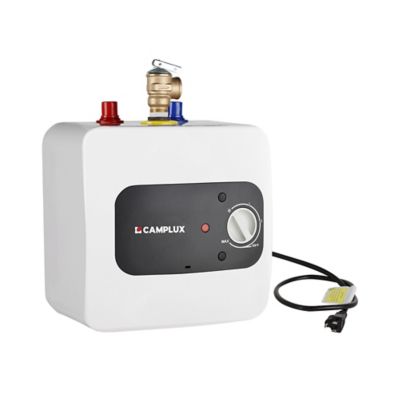
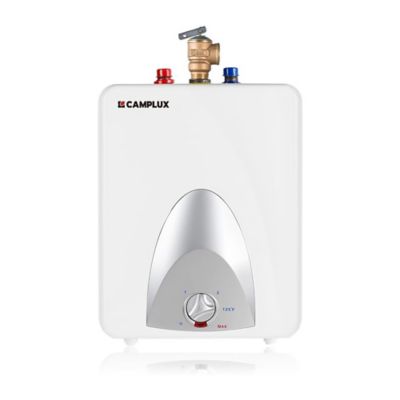
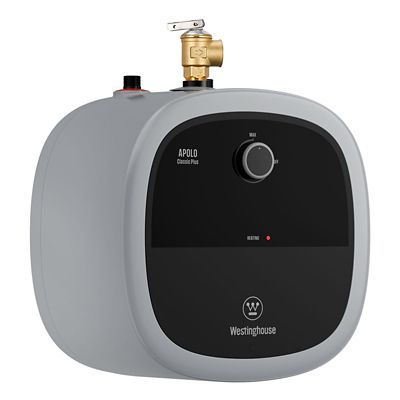
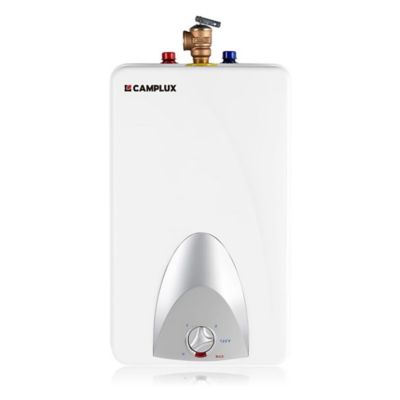
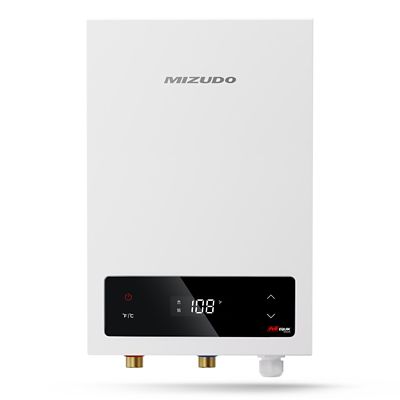
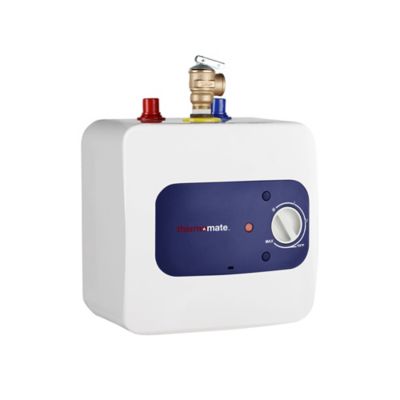
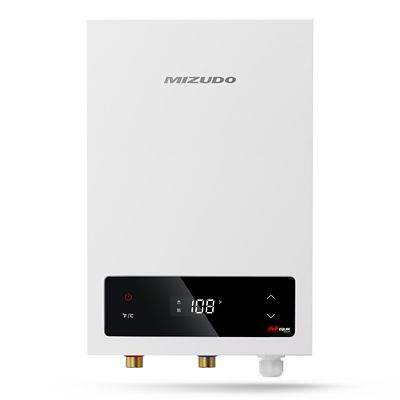
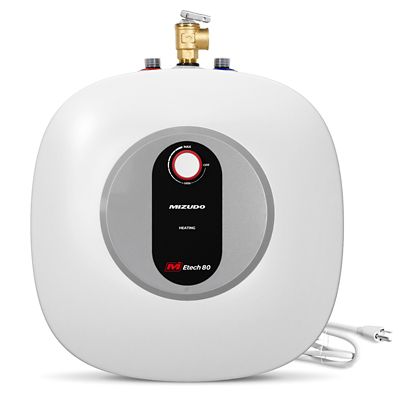
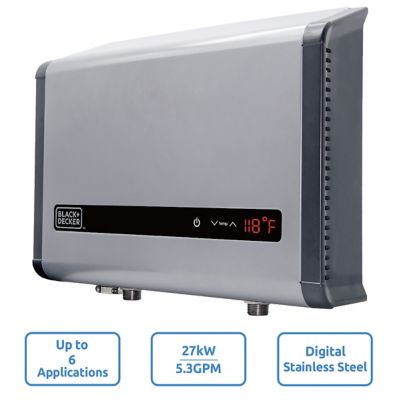
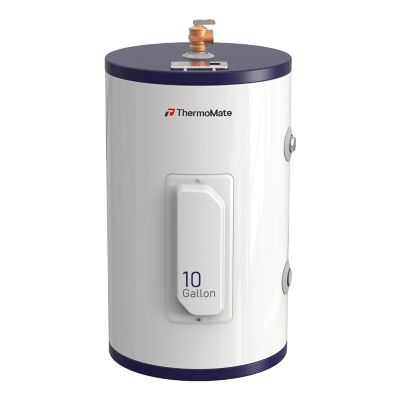
Wall-mounted electric water heaters heat water while keeping floor space open, making them a practical fit for utility rooms, bathrooms, workshops and other spaces where every square foot counts. The two main styles are storage-tank heaters, which keep a measured supply of hot water ready, and tankless heaters, which heat water as it flows through the unit. Compact storage models often serve a nearby sink, while electric tankless models can serve one fixture or several fixtures when their heating capacity and electrical requirements match the job. A wall-mounted design can leave room beneath the heater for cleaning or other equipment, though required service clearances still need to stay open. Around a farmhouse or acreage, that layout can make sense beside an indoor utility sink for washing up after chores, in a workshop bathroom or near a sink a long way from the main water heater. Point-of-use placement can shorten the pipe run between the heater and faucet, helping reduce the wait for hot water and the amount of water sent down the drain while waiting. Tankless operation does not eliminate that wait if the heater is far from the fixture; water already sitting in the pipe still has to move through first. A small storage heater offers a ready reserve, but that reserve runs down during a longer draw and needs time to recover. A tankless heater has no stored supply to exhaust, but its output is limited by the amount of water it can heat to the desired level at once. Within the broader category of
Electric Water Heaters, wall-mounted styles are worth considering wherever the wall structure, plumbing layout and electrical service support the installation. Their compact shape is useful, but the right match depends on more than the dimensions of the cabinet.
Sizing starts with what the hot water needs to do. A handwashing sink in a shop bathroom places different demands on a heater than a shower, laundry area or deep utility sink. For storage-tank heaters, tank capacity in gallons describes the water held in reserve, while recovery rate indicates how quickly the heating element can replenish that supply under stated conditions. A compact tank may suit short, spaced-out draws, but repeated bucket filling or back-to-back washing can call for more storage or faster recovery. For tankless heaters, flow rate and temperature rise belong together. A gallons-per-minute rating only tells part of the story unless it also states how much the heater raises the incoming water temperature. The greater that required rise, the less flow a given electric tankless heater can generally deliver at the desired outlet temperature. Running a faucet and shower together adds their demands, so a unit sized for one sink should not be expected to handle several fixtures without checking its performance specifications. Some electric tankless heaters can serve a whole home, but that requires enough heating capacity and an electrical system that can support it. Electrical fit deserves just as much attention as plumbing fit. Some compact tank heaters operate on 120 volts and connect to a properly grounded receptacle when their installation instructions allow it. Many higher-output electric heaters require hardwired 240-volt service, and larger tankless units may need multiple dedicated circuits. Voltage alone does not establish compatibility: amperage, breaker requirements, conductor sizing and the building’s remaining electrical capacity all matter. A qualified electrician can assess those requirements before installation. For a detached shop or an outbuilding with limited electrical service, that check can be the deciding factor. Tankless operation avoids maintaining a tank of hot water, but it does not automatically mean a lower electrical demand while the heater is running.
Construction, mounting details and access for upkeep help determine how well a wall-mounted electric water heater fits the space over the long haul. Storage tanks may have glass-lined steel interiors or stainless steel construction, depending on the design, with insulation around the tank to limit standby heat loss. Tankless heaters contain a heating assembly and water passages rather than a storage reservoir; the materials and maintenance requirements vary by model. The outer cabinet should suit the installation location, and an indoor heater should not be treated as suitable for wet or exposed locations unless its listing specifically permits them. Plumbing connections, pipe size and inlet and outlet positions affect how neatly the heater fits alongside existing lines. Cabinet measurements also need to account for brackets, connections and room to reach controls, electrical covers, valves and service points. Wall mounting requires a heater designed for that mounting method and support capable of carrying its operating weight. A filled storage tank weighs substantially more than an empty one, so attachment to suitable framing or another approved structure matters; drywall alone is not a substitute for structural support. Installation also needs to address required shutoff valves, pressure relief provisions, thermal expansion control and any drain pan or drainage requirements under local code and the manufacturer’s instructions. Electric heaters do not need a combustion flue, but that does not remove their clearance or access requirements. For ongoing care, mineral content in the water can affect scale buildup on heating surfaces and inside water passages. Tankless systems may need periodic descaling, while storage tanks may need flushing and inspection of a sacrificial anode where one is fitted. Service valves can make maintenance easier when the heater’s design calls for them. Clear controls help with everyday operation, and appropriate temperature settings and mixing protection help reduce scalding risk, especially where children or older adults wash up. A heater matched to the fixture, supported correctly and kept accessible for service can put hot water close to the work without taking over the room.