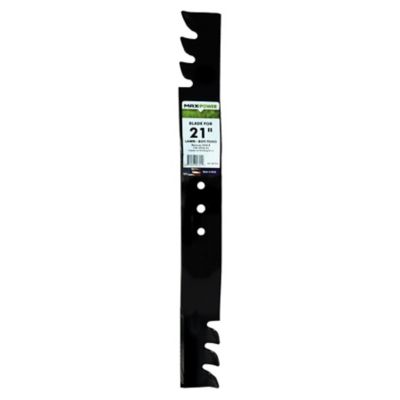
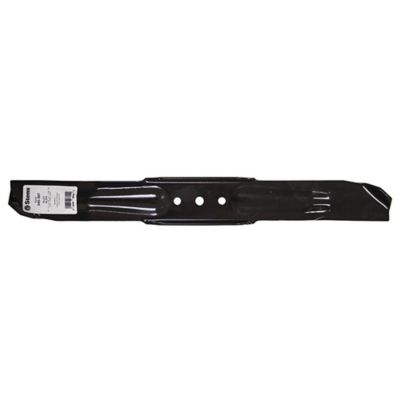
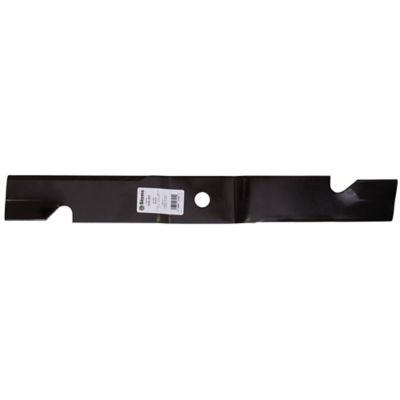
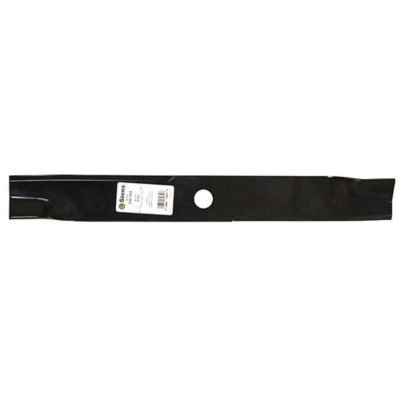
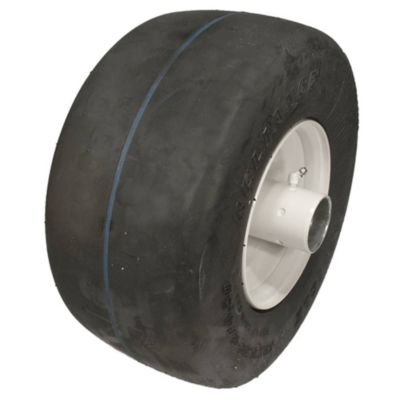
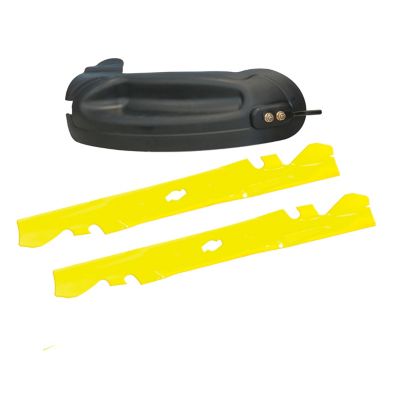
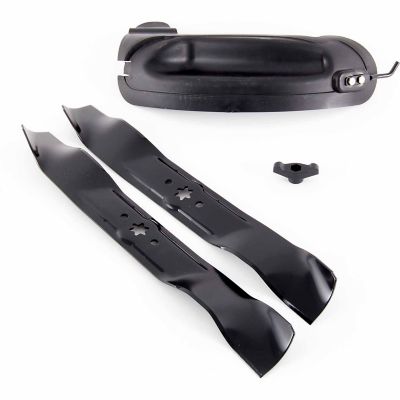
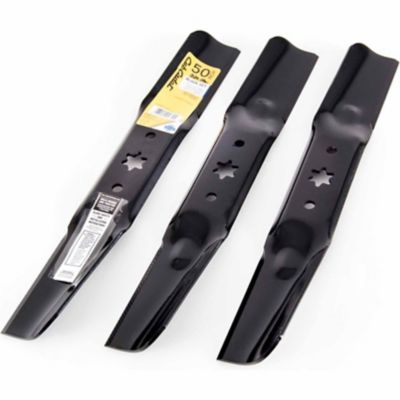
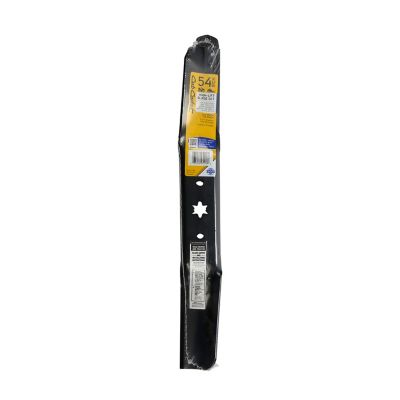
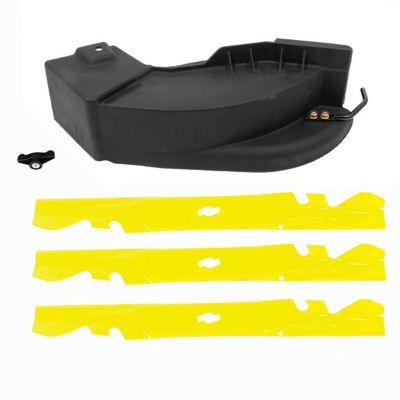
Mower accessories help match a machine to the work waiting beyond the shed, whether that means keeping a home lawn tidy, mowing around farm buildings, or covering several properties on a regular route. The main categories serve different purposes: grass-handling attachments manage clippings, comfort accessories support the operator, and utility attachments add functions to compatible equipment. The right combination depends on the ground being maintained and the way the mower already operates. A wide, open stretch of turf has different demands than a yard broken up by gates, flower beds, fence corners, and narrow passages. Collection attachments can help gather clippings where a clean finish matters, while compatible mulching components keep finely cut material on the lawn instead of collecting it for disposal. Neither approach suits every mowing job, and results depend on grass height, cutting conditions, deck setup, and operating speed. Heavy growth may call for a different mowing approach rather than another attachment. Around a farmhouse, keeping clippings away from a walkway or gravel drive may matter more than gathering material across the entire property. On a larger mowing route, collection capacity, unloading access, and the extra space an attachment takes up can make a noticeable difference in how the work flows. Catchers and collection assemblies also change the mower’s overall footprint, which matters when passing through a gate, backing into a storage bay, or loading onto a trailer. Mulching setups depend on the correct combination of compatible components, not simply closing off a discharge opening. Grass-handling accessories should work with the deck’s intended airflow and safety features, with shields and guards remaining in place as directed by the manufacturer. These practical differences make intended use a better starting point than appearance alone. An attachment earns its place when it solves a recurring problem without creating a new obstacle elsewhere on the property. That might mean less cleanup along a sidewalk, fewer interruptions during a mowing route, or a setup better suited to the spaces between the barn and the driveway.
Fit is the detail that ties mower accessories together. Similar-looking machines can have different mounting points, deck designs, electrical connections, and operating limits, even when their cutting widths match. Model information and the machine’s serial number provide a firmer basis for checking compatibility than a photograph or a rough measurement. Deck-mounted components may also depend on the deck’s particular construction, while seating accessories can require a matching mounting pattern and clearance around the controls. An accessory described for a broad equipment category is not automatically a match for every machine in that category. The complete assembly matters, including brackets, fasteners, wiring, and any additional components specified for installation. Collection systems and rear-mounted attachments may require approved ballast or other equipment changes to keep the mower within its intended operating configuration. Hitch-related accessories likewise depend on the manufacturer’s limits; a connection point does not turn every mower into a towing machine. Materials deserve the same close look as fit. Steel brackets provide structural support where specified, molded housings can shape airflow or enclose components, and fabric collection bags need sound seams and secure attachment points. Each material has its own care needs. Painted or coated metal benefits from attention to scratches and trapped debris, while fabric and molded surfaces need cleaning methods that will not harm them. Reinforced mounting areas, protected wiring routes, accessible fasteners, and replaceable wear components are useful details for equipment that spends its working hours close to grass, grit, and vibration. Clearance is another practical consideration: attachments should not interfere with steering, control movement, deck travel, or safe access to the operator’s position. A mower that fits comfortably through a shed door without an attachment may need more room once that attachment is installed. Transport space deserves attention as well, including trailer width, loading clearance, and the manufacturer’s instructions for securing the machine. These details matter to homeowners looking after a few acres just as much as they do to crews moving equipment from one job to the next.
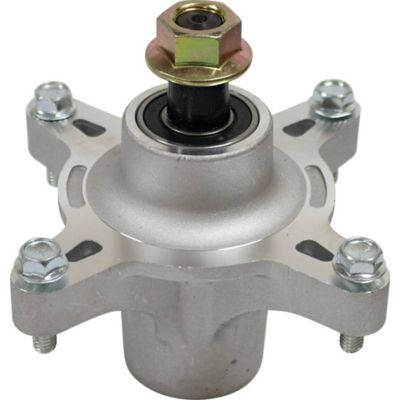
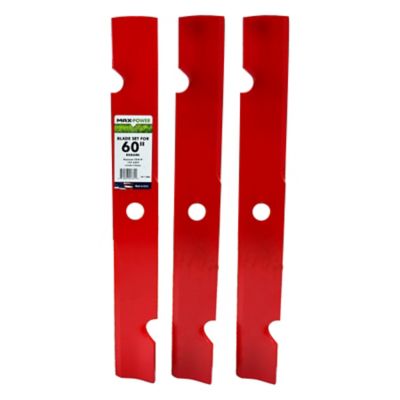
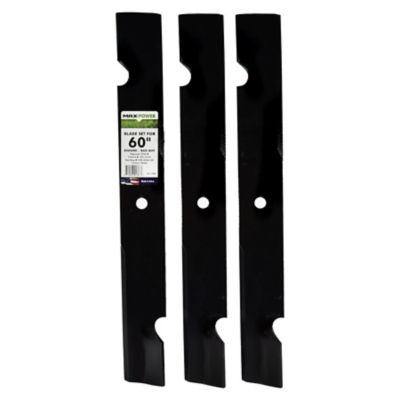
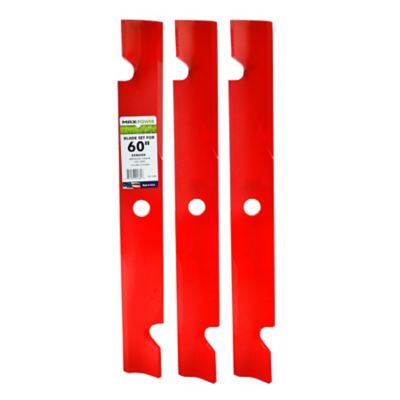
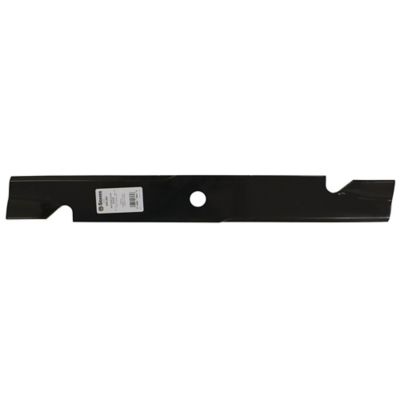
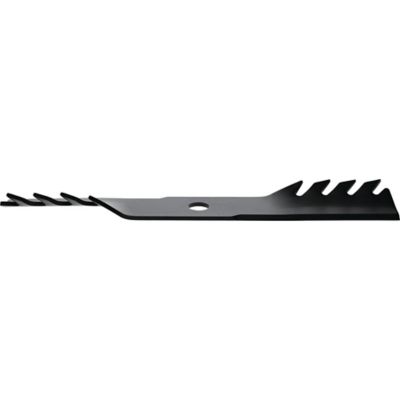
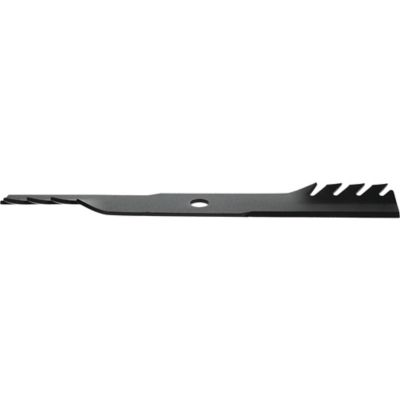
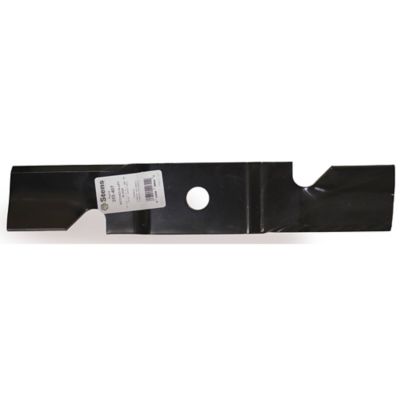
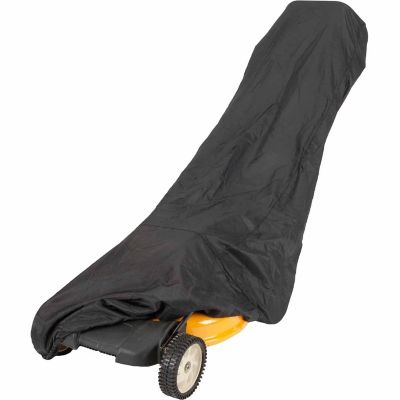
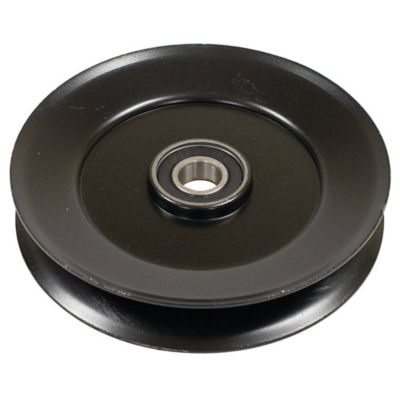
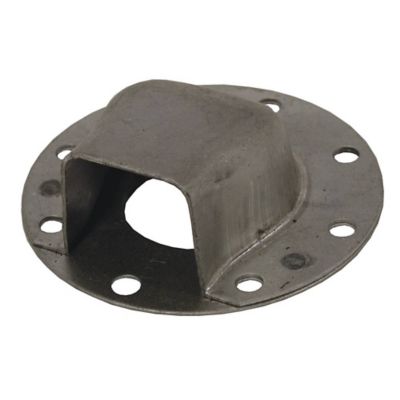
Comfort and convenience accessories focus on the person handling the mowing work. Seating and suspension-related options can change how the operator experiences uneven ground, but compatibility includes more than whether the mounting holes line up. Seat height, adjustment range, access to controls, and the operation of any safety interlocks all matter. An operator should still be able to sit properly, reach the controls, and enter or leave the machine as intended. Added cushioning or suspension does not remove the need for sensible speed or careful operation around rough areas. Storage and small-item holders can keep necessities within reach when their placement does not block controls or create loose objects near moving equipment. Electrical accessories require matching voltage, suitable connections, and installation that protects wiring from heat, abrasion, and moving parts. Across these categories, an accessory that is straightforward to inspect and clean is easier to keep in working order. Grass residue packed around mounting points can hide loose hardware, while debris left inside a collection assembly adds cleanup work and may interfere with operation. Care should follow the mower and accessory instructions, including shutting the machine down, waiting for moving parts to stop, and preventing unintended starting before inspection or service. Supported service access matters too; a raised mower needs the equipment and support methods specified by its manufacturer, not an improvised arrangement. Storage goes better when attachments are clean, dry, and positioned so bags, wiring, brackets, and connections are not crushed beneath other equipment. Routine upkeep also helps separate an accessory need from a maintenance issue: poor cutting or collection performance can come from worn components, buildup, or an incorrect setup rather than a missing add-on. Compatible replacement components from
Exmark Parts belong alongside accessory planning when keeping the machine ready for work. For a homeowner, acreage owner, or mowing crew, the most useful setup is one that fits the mower, suits the property, and remains manageable through cleaning, storage, transport, and everyday operation.