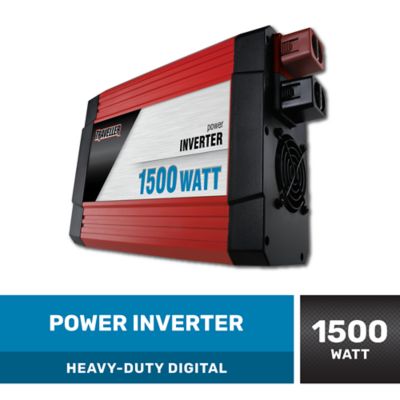
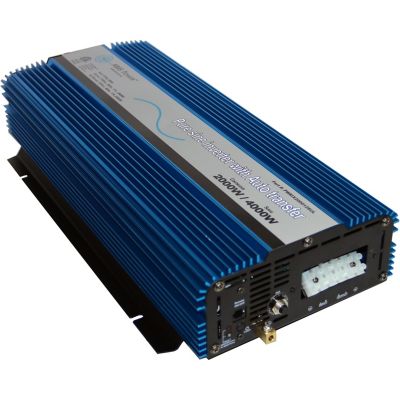
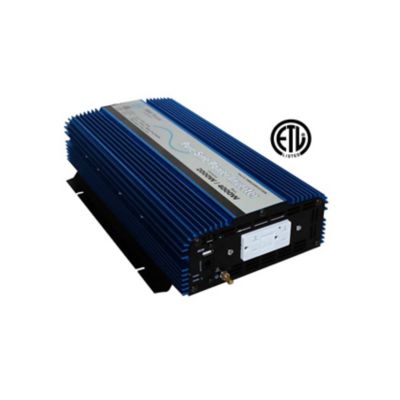
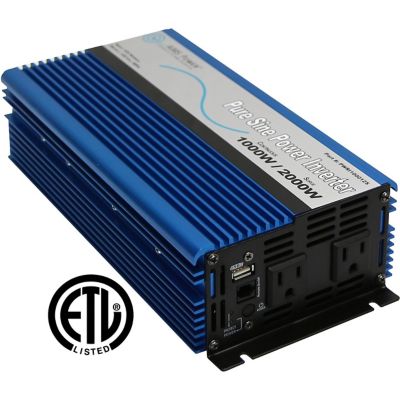
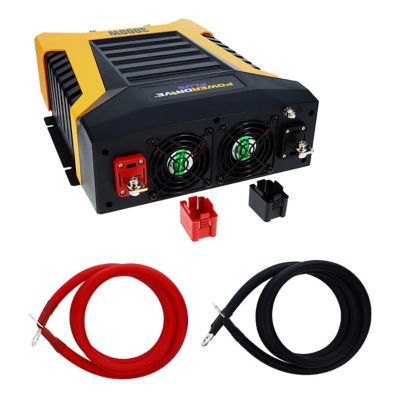
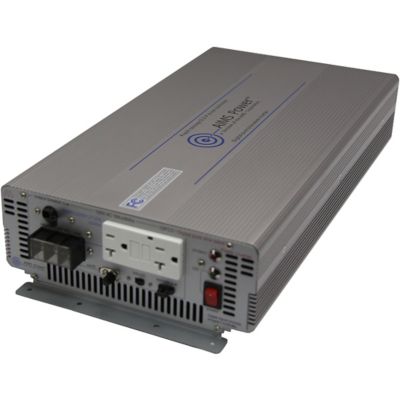
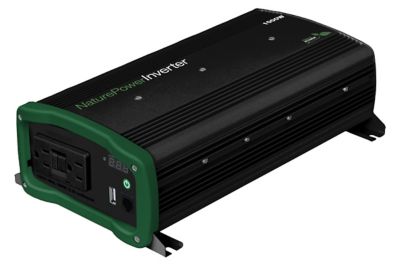
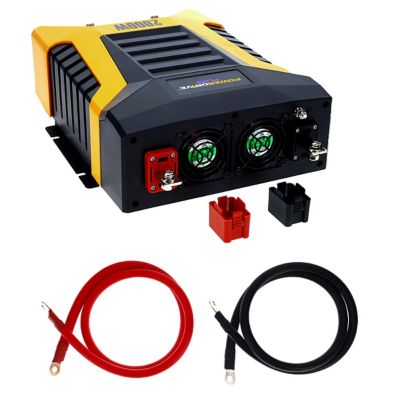
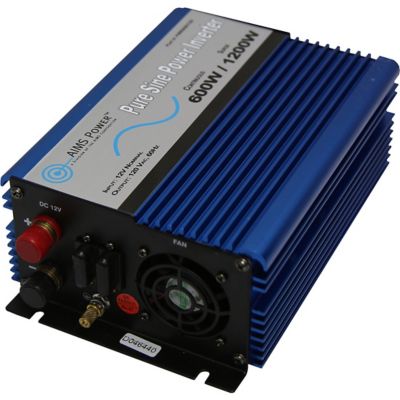
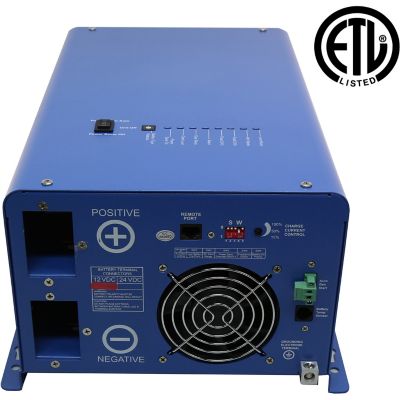
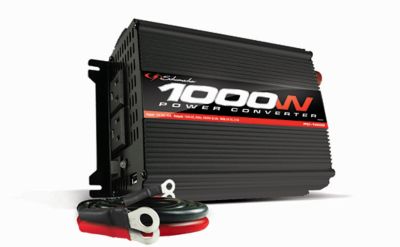
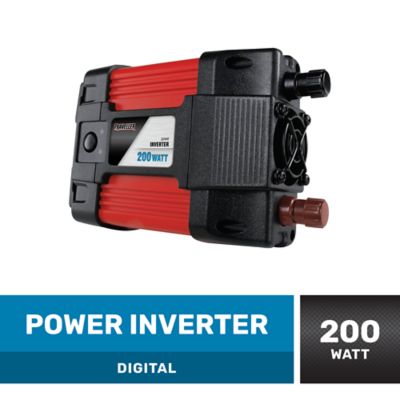
12V to 120V inverters turn direct current from a compatible 12-volt battery into the alternating current that powers many household devices. That makes them handy wherever there’s a battery nearby but no wall outlet within reach, whether that’s a pickup parked beside a fence line, an RV at camp or a battery setup in a small cabin. An inverter supplies a different form of power; it doesn’t make the battery’s energy last forever or create extra energy of its own. The right match depends on what needs power, how much electricity that equipment draws and how the inverter connects to the battery. Continuous wattage describes the load an inverter can carry during normal operation, while surge wattage covers a brief increase in demand, such as a motor starting. A refrigerator, pump or corded tool may need substantially more power to start than to keep running, so both ratings matter. The length of that surge also matters, since a brief advertised peak may not support every motor’s startup cycle. Output waveform is another important distinction. Pure sine wave inverters produce an output that closely resembles utility power and are generally a better fit for sensitive electronics and equipment whose manufacturers require that waveform. Modified sine wave inverters have a stepped output that may suit some simpler loads, but compatibility varies. Certain motors, chargers and electronic controls may run poorly, make noise or fail to work on modified sine wave power. Equipment specifications remain the best reference for matching a load to either type. For someone charging tool batteries between chores, keeping a laptop running in the truck or powering a small appliance away from a building, these differences affect everyday usefulness more than the number of outlets alone. A practical setup pairs the inverter’s output with the actual equipment demand, while leaving room within its continuous rating rather than treating the surge figure as an all-day operating limit.
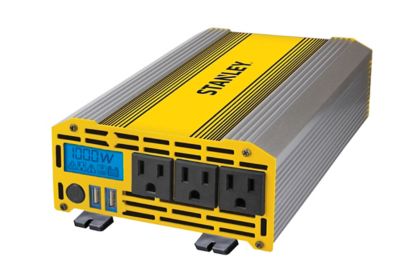
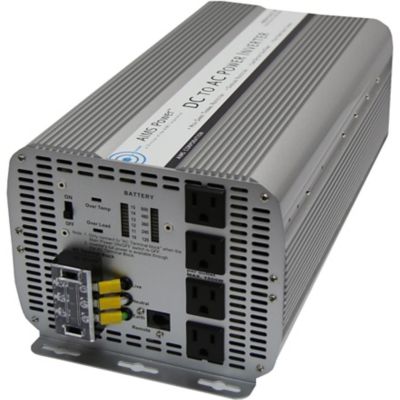
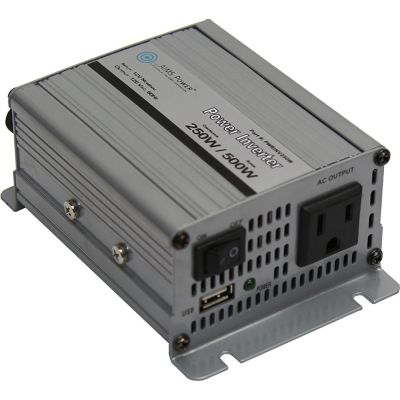
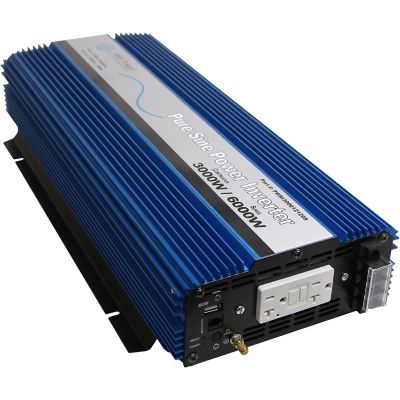
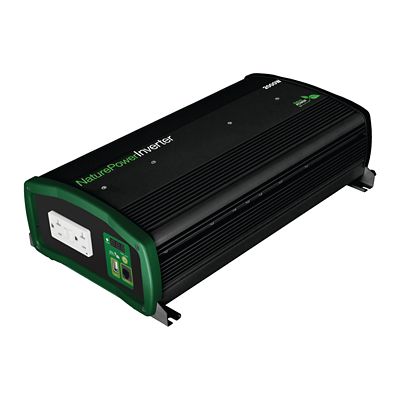
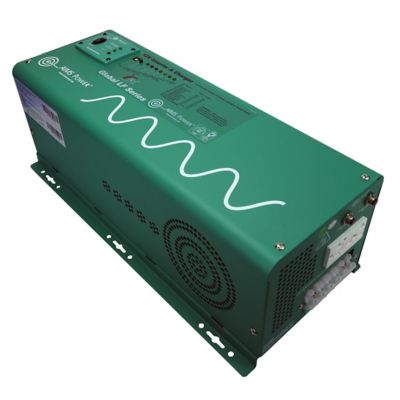
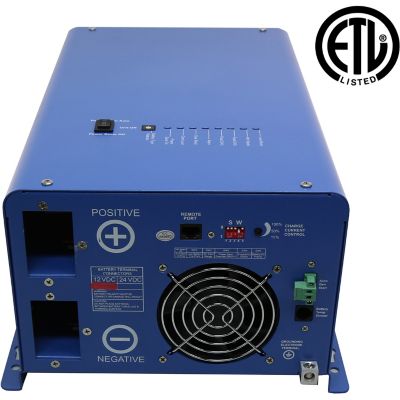
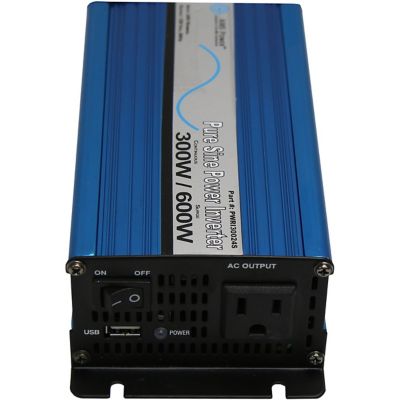
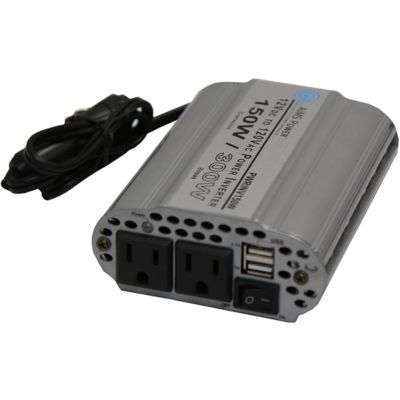
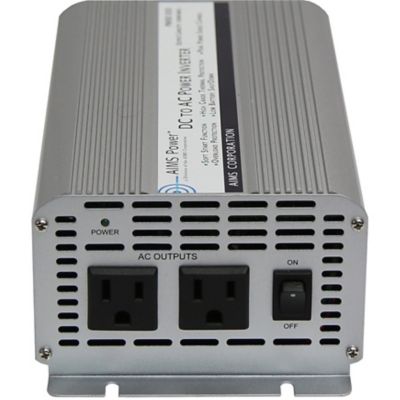
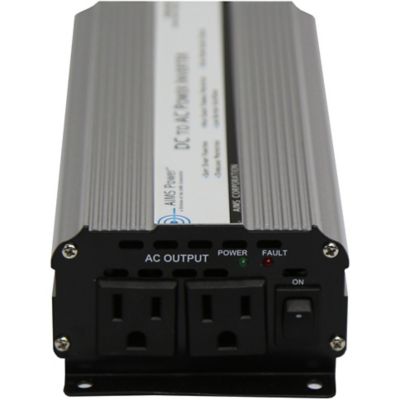
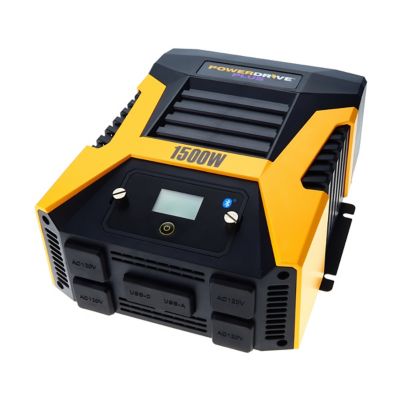
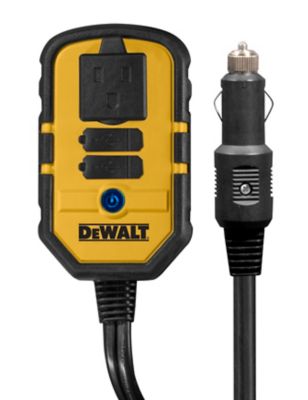
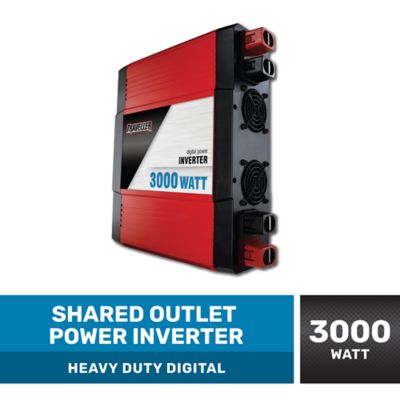
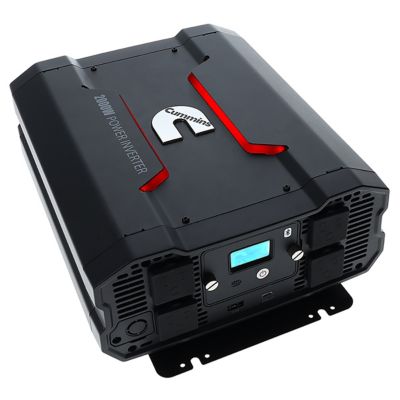
Connection style and installation fit help separate compact 12V to 120V power inverters from larger battery-connected units. Smaller models may plug into a vehicle’s accessory socket, making them convenient for modest loads within that socket’s limits. The socket’s rating, wiring and fuse still control how much power can pass through it, even when an inverter advertises a higher maximum output. Larger loads generally call for a properly sized direct battery connection, with cable size, cable length, terminals and circuit protection matched to the inverter manufacturer’s requirements. The current on the battery side can be much higher than shoppers expect: at 90% efficiency, a 1,000-watt AC load draws roughly 93 amps from a 12-volt battery. That kind of demand makes sound connections and suitable wiring essential. A vehicle accessory outlet is not a substitute for a direct battery connection at those power levels. Physical fit matters, too, especially under a truck seat, inside an RV compartment or on a mounted power panel. Housing dimensions, mounting points, cable clearance and access to switches all affect how neatly the unit fits into the space. Metal housings, sturdy mounting flanges and protected terminals are useful construction details to compare, while ventilation openings and cooling fans need unobstructed space. An inverter belongs in a dry location with the clearances specified by its maker, not buried beneath jackets, feed sacks or loose gear. Moisture, dust buildup and vibration can take a toll on electrical connections and cooling components. Features such as overload protection, short-circuit protection, low-voltage shutdown and status displays can make operation easier to monitor, though they do not replace proper installation. Outlet spacing also deserves a look when several charger plugs need to fit side by side. For a wider view of battery-fed AC power options,
Battery Power Inverters brings related configurations together, with connection methods and output ratings that suit different setups.
Battery capacity determines how long an inverter can keep equipment running, and that’s where intended use becomes especially important. A laptop and a small light put a different demand on a battery than a coffee maker, microwave or power tool. Appliances that produce heat often draw substantial wattage, even when their housings look compact. A setup that handles a charger comfortably may not support a cooking appliance at all. Runtime depends on the load, the battery’s usable capacity, its condition and the energy lost during conversion. An inverter also draws some power while switched on without an active load, so idle consumption matters for longer stays away from an outlet. Starting batteries are built primarily to crank engines, and extended accessory loads can leave a truck without enough reserve to start. Deep-cycle batteries are designed for repeated discharge and recharge, but their usable capacity and discharge limits still vary by battery type and manufacturer. Larger systems may need a dedicated battery bank and a charging arrangement capable of keeping up with the work. This makes inverter power useful for farmers moving between work areas, contractors handling paperwork from the cab, RV travelers and landowners maintaining places beyond the reach of a convenient outlet. A familiar scene is a tool charger running at the truck while a gate gets rehung, or a laptop staying powered while records get finished beside the barn. Those smaller, well-matched loads can make portable AC power a practical part of the day. Long service life also depends on basic care: clear vents, clean and secure connections, intact cables and storage that protects the unit from moisture and loose metal objects. Damaged cords or terminals need attention before operation. Vehicle engines must never run in enclosed spaces to supply inverter power, and inverter output must never feed a household receptacle to energize building wiring. With suitable equipment, proper installation and a realistic battery plan, 12V to 120V inverters bring familiar outlet power closer to the work without requiring a permanent electrical connection at every stop.