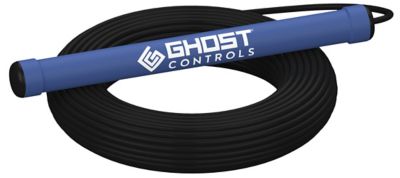
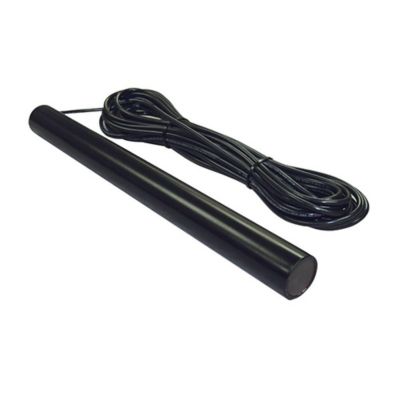
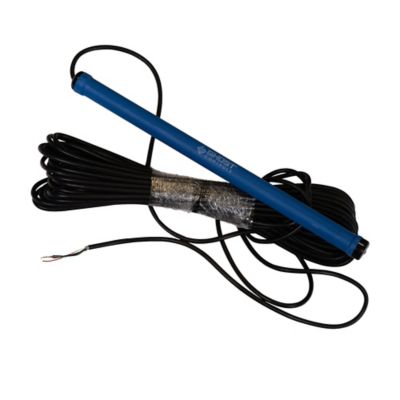
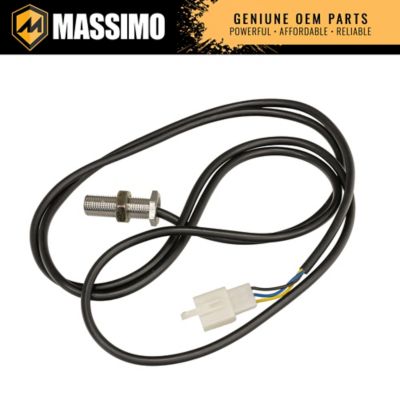
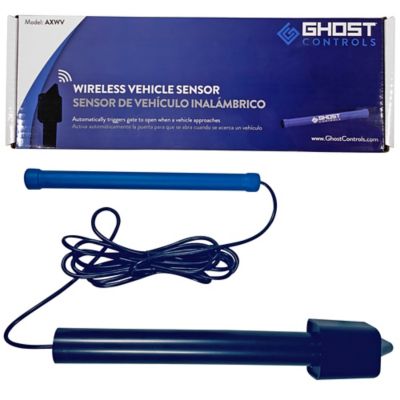
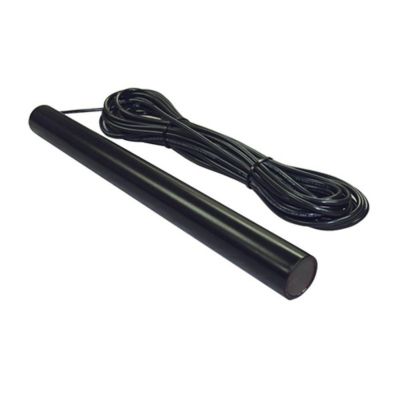
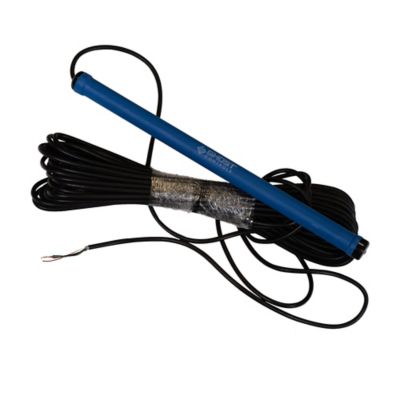
When it comes to keeping your truck, SUV, or work vehicle running smooth across backroads and highways alike, a reliable vehicle speed sensor is one of those behind-the-scenes heroes that makes all the difference. These small but mighty components are responsible for tracking how fast your wheels or transmission shafts are spinning, sending that info straight to your vehicle’s computer. That means accurate speedometer readings, crisp transmission shifts, and steady cruise control—pretty important whether you’re hauling a load of feed, pulling a trailer, or just heading into town. Folks who spend a lot of time behind the wheel, whether for farming, ranching, or outdoor adventures, know how quickly a faulty speed sensor can throw things off. Suddenly, your speedometer might start jumping around, your transmission might hesitate or shift rough, and those dashboard lights for ABS or traction control can light up at the worst times. That’s why having a dependable vehicle sensor in place isn’t just about comfort—it’s about safety and keeping your rig ready for whatever the day brings.
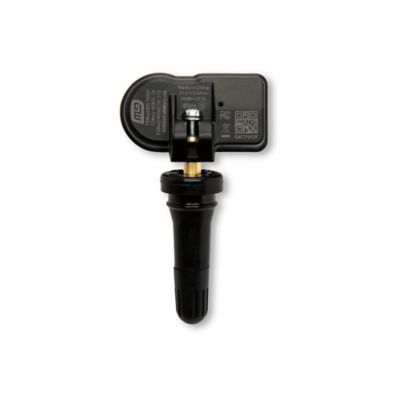
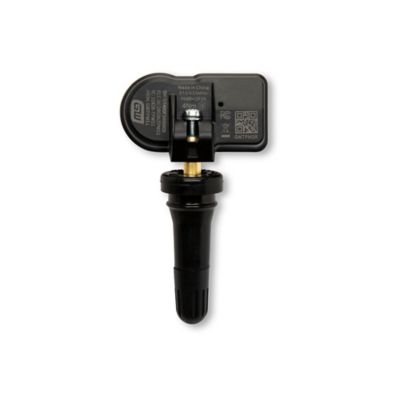
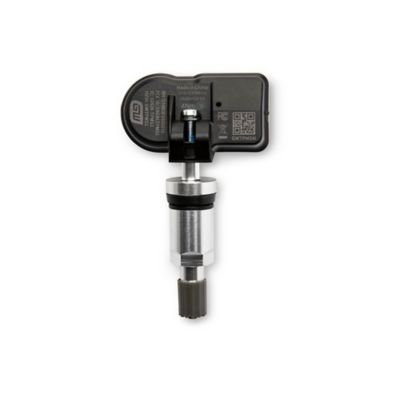
Picking out the right vehicle speed sensor takes a little know-how, but it’s worth the effort. Start by checking your owner’s manual or looking up your make and model, since speed sensors aren’t one-size-fits-all. Some are tucked into the transmission, others are right at the wheels, and the way they’re wired can differ depending on what you drive. If you’ve ever had your check engine light pop on with a code like P0500, or noticed your cruise control refusing to kick in, chances are your sensor’s on the fritz. Swapping it out can be a straightforward job for the handy DIYer, especially if you’ve got the right tools and a good spot to work—think a cool spot in the barn or garage as the weather warms up, or maybe out in the driveway during those long, mild evenings. For folks who’d rather leave it to a pro, knowing the part cost and labor ahead of time helps avoid surprises. Vehicle speed sensors also make a thoughtful gift for the gearhead in your life or anyone who takes pride in keeping their ride in top shape, especially with summer road trips and fall harvest around the corner. And while you’re checking over the essentials, don’t forget about other key sensors that help keep things safe and efficient, like
Tire Pressure Sensors—they go hand in hand with speed sensors for keeping your vehicle’s performance on point.
Whether you’re prepping for a busy season in the fields, planning a family getaway, or just making sure your daily driver is ready for the next adventure, having a quality vehicle speed sensor is a small investment that pays off in peace of mind and smoother rides. It’s the kind of part you might not think about until something goes wrong, but when the speedometer’s steady, the transmission shifts just right, and all the dashboard lights stay off, you know everything’s working together just like it should. From seasoned mechanics to weekend tinkerers, anyone who values reliability and safety will appreciate the difference a good sensor makes. And with the right know-how and a little attention to regular maintenance, you can keep your rig rolling strong through every season—whether you’re chasing the sunrise for an early start or heading home at dusk with a truck bed full of the day’s hard work.