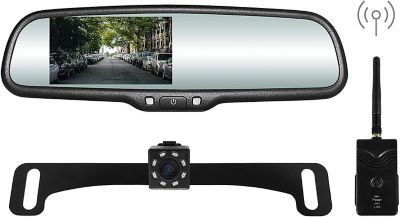
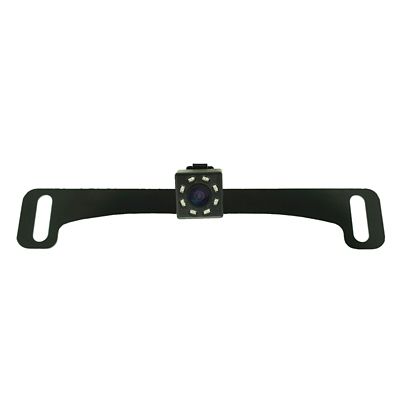
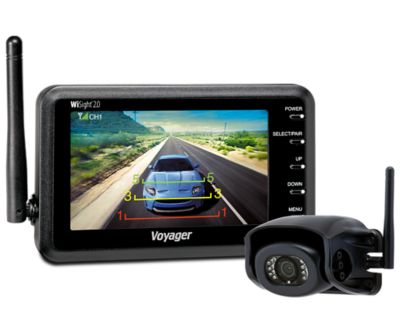
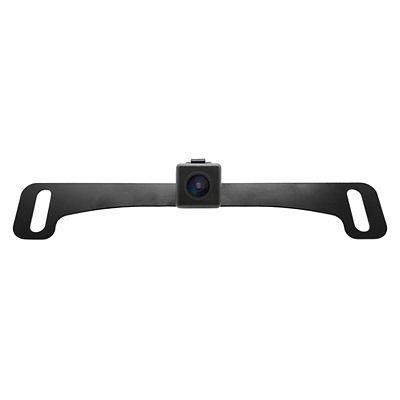
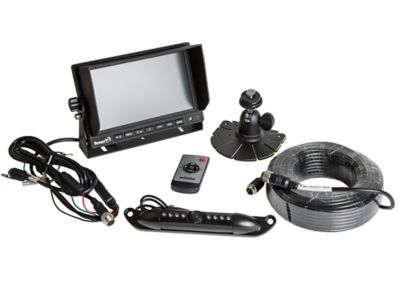
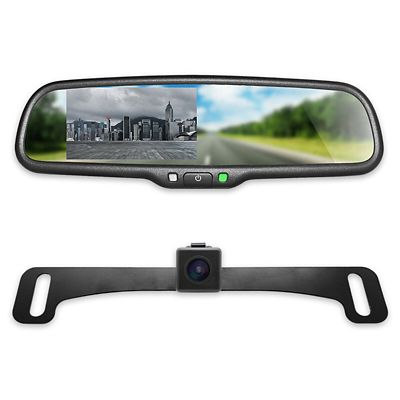
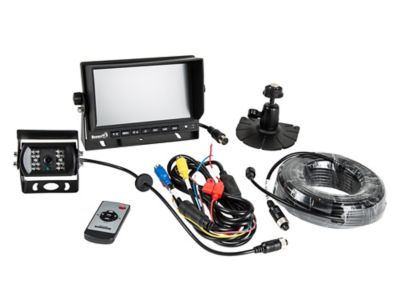
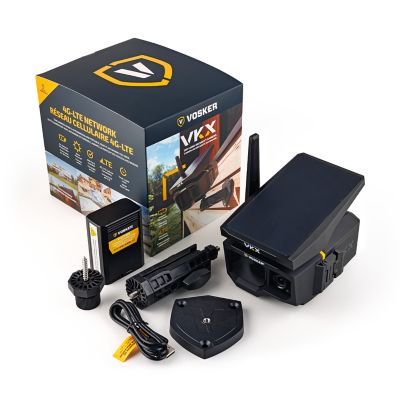
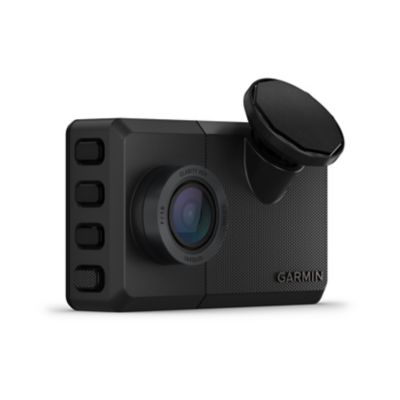
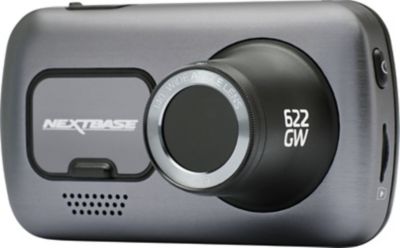
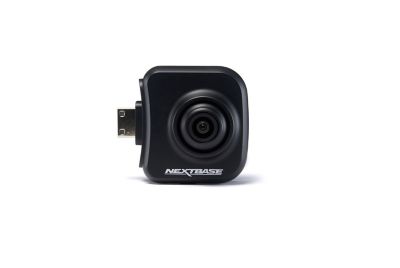
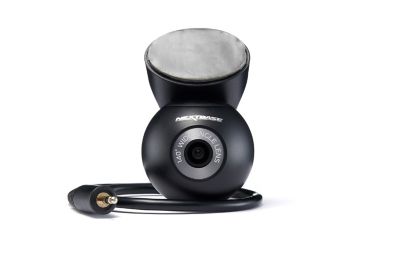
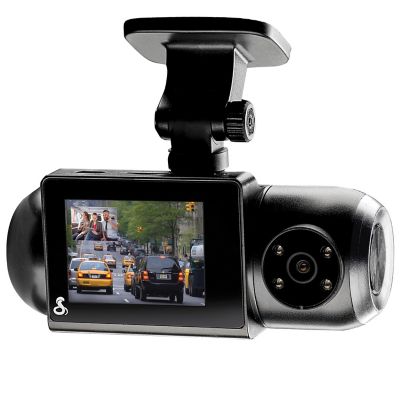
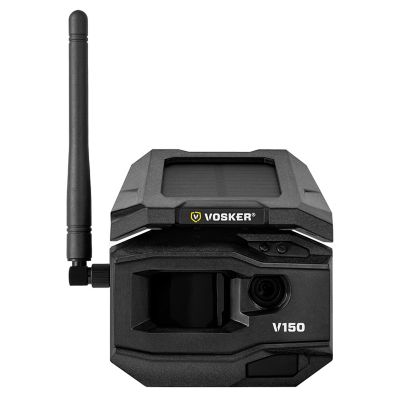
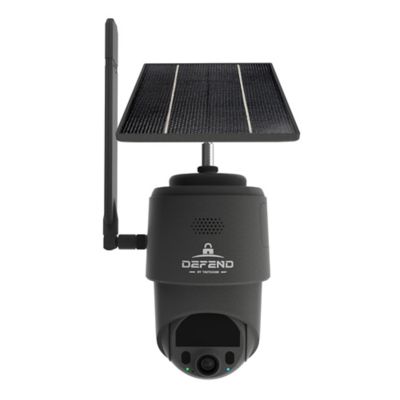
A backup camera is a rear-mounted camera that sends a live view to a screen inside a vehicle, helping the driver see behind it while backing up. Also called a rearview camera or reversing camera, it adds visibility around tailgates, bumpers, and other areas that can be hard to see from the driver’s seat. That extra view comes in handy when easing a pickup toward a stock trailer, backing an SUV out of a busy driveway, or parking a camper beside the barn. Backup cameras serve everyday drivers, livestock owners, campers, and folks who spend plenty of time moving equipment around a property. Different setups suit different jobs: a camera near the license plate can show the area behind a vehicle, while a higher mounting position may provide a broader view behind a trailer or RV. For hitching, a view that includes the hitch ball and trailer coupler can make lining things up less of a back-and-forth chore. Camera angle matters as much as placement, since a lens aimed too high may miss the space closest to the bumper, while one aimed too low can limit the view farther back. A wide field of view shows more of the surrounding area, though it can also make objects look farther away or bend their appearance near the edges. On-screen parking lines provide a visual reference, but their spacing and movement vary by system, and they should not be treated as a measurement unless the equipment supports that function and is properly set up. A camera supplements mirrors, a walk-around, and a spotter when needed; it does not show every hazard or replace checking that people and animals are clear before moving. Around a farmyard, where a feed cart, low fence post, or child’s bicycle can disappear below the rear window, that combination of visibility and careful driving matters more than any single screen feature.
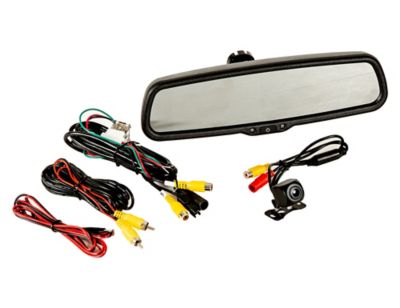
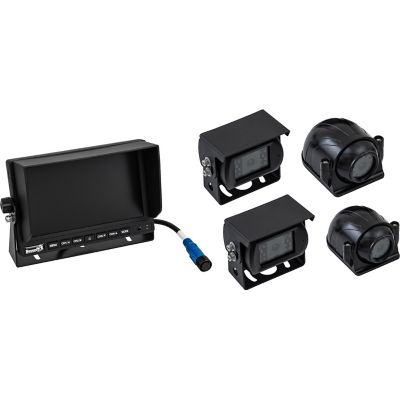
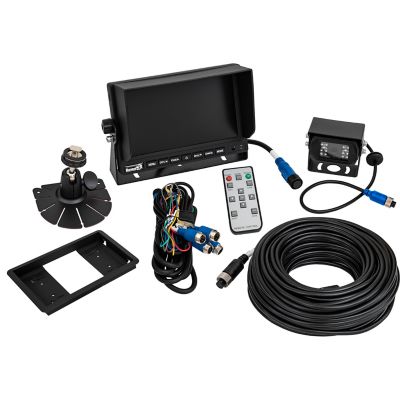
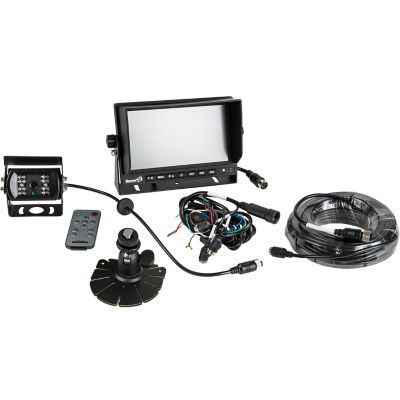
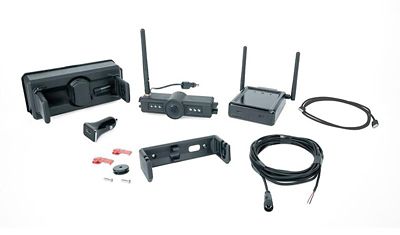
Backup camera systems generally fall into wired, wireless, and battery-powered or solar-assisted designs, with the connection and power arrangement shaping how they fit a vehicle. A wired backup camera sends video through a physical cable between the camera and display. This avoids radio-signal interference in that video connection, although picture performance still depends on sound wiring, secure connections, and compatible components. Cable length and routing become especially important on long-bed trucks, motorhomes, and trailers, where the path from rear camera to front screen may be much longer than the vehicle’s straight-line length. Wireless backup cameras transmit video without a full-length video cable, which can simplify installation, but wireless does not necessarily mean wire-free. Many still need a connection to vehicle power at the camera and a separate power source for the monitor. Metal body panels, trailer construction, distance, and nearby electronics can affect reception, so advertised transmission range needs to be weighed against the actual layout of the truck and trailer. Solar-assisted systems use a small panel to help recharge a battery, reducing the need for a vehicle-power connection on some designs. Charging performance depends on sunlight, panel position, weather, and how often the camera operates; covered parking and long stretches of cloudy weather may call for supplemental charging. Displays can take the form of a separate dashboard monitor, a mirror-mounted screen, or a connection to a compatible in-dash display or navigation device. Screen size, brightness adjustment, glare, and viewing angle all affect how easily the image can be read without blocking the windshield or other controls. A larger display may be helpful in a roomy truck cab, while a smaller screen can fit better in a compact vehicle. Some systems activate with reverse gear, while others support manual viewing or additional cameras. A camera intended for occasional backing is not automatically suited to continuous observation behind a moving trailer. Compatibility with the vehicle’s electrical system, display input, and intended viewing mode keeps those features tied to the work they actually need to do.
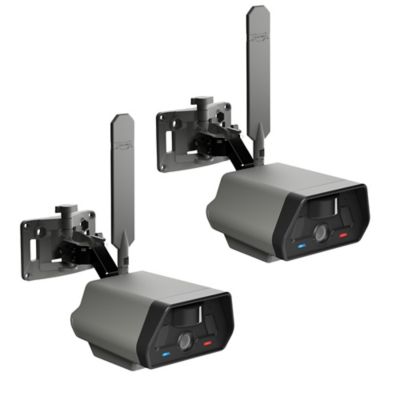
Life on gravel roads and around muddy lots puts backup cameras close to dust, road spray, vibration, and changing temperatures. Camera housings may be metal or molded plastic, and long service life depends on the full assembly, including the lens seal, mounting bracket, cable jacket, and connectors. An outdoor camera’s stated water- and dust-resistance rating gives more useful information than a general weatherproof description, while its operating-temperature range helps show whether it suits local conditions. Exposed connections need the protection specified by the manufacturer, particularly near trailer plugs and beneath bumpers where water and road salt can collect. Mounting hardware should hold the view steady without interfering with a tailgate, spare tire, trailer door, lights, or license plate visibility. On a working pickup, a camera also needs room to stay clear of shifting loads, hitch components, and places where boots or tools might strike it. Image resolution is only one part of picture clarity: lens condition, display resolution, lighting, and signal performance all play a role. Low-light capability can help around an unlit equipment shed, but darkness, glare from nearby lights, rain, and a dirty lens can still reduce what appears on the screen. Infrared illumination, where included, has a limited reach and may reflect off nearby surfaces. During the cooler months, frost and road film deserve attention before a trip, especially when backing out before daylight. Gentle cleaning with a soft cloth and a manufacturer-approved method helps keep the lens clear without scratching it; pressure-washer spray should stay away unless the equipment is expressly rated for it. Periodic checks of brackets, cable routing, and trailer connections can catch looseness or wear before the picture cuts out during a tight backing maneuver. For keeping an eye on a stationary entrance, driveway, or outbuilding rather than the space behind a vehicle,
Outdoor Security Cameras serve a different purpose. Backup cameras belong with the vehicle and the task at hand, whether that means lining up a utility trailer for a Saturday haul or putting the camper away after a weekend outdoors.