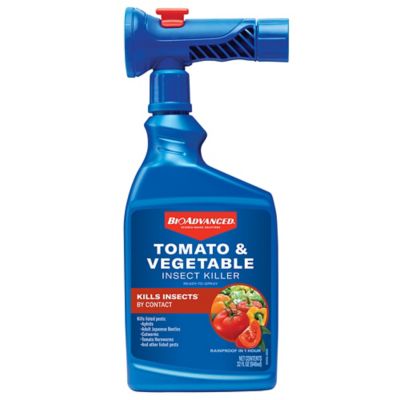
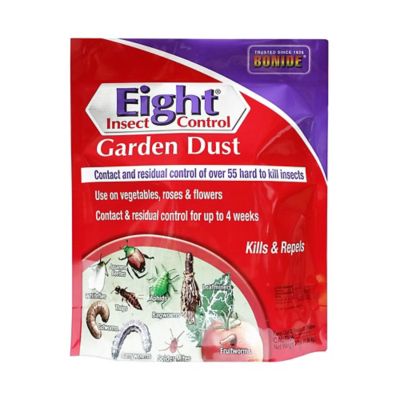
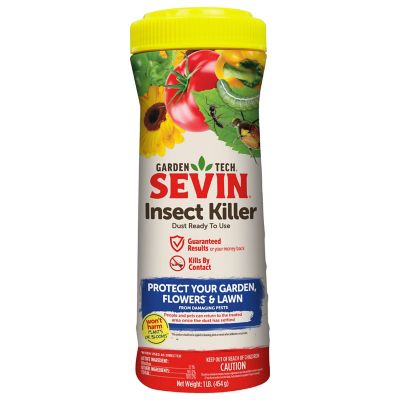
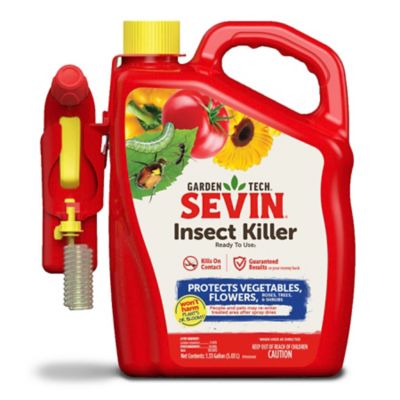
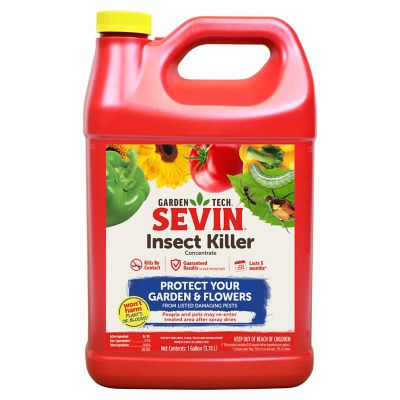
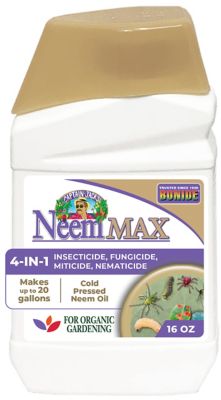
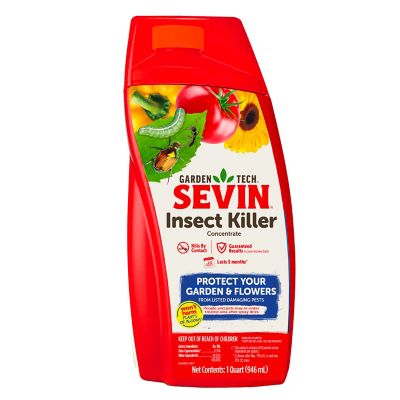
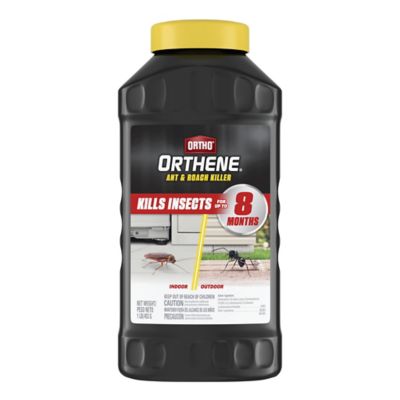
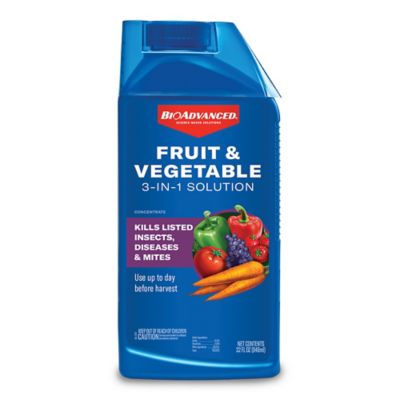
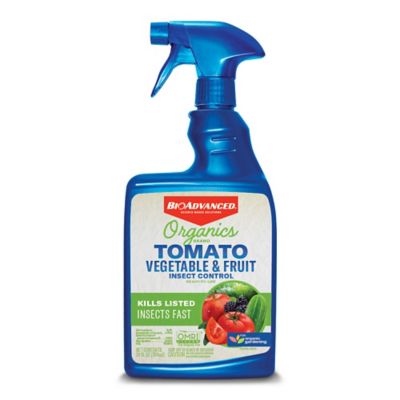
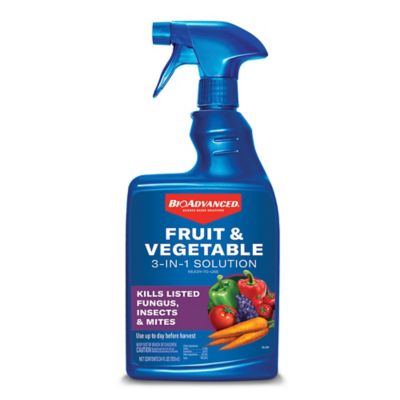
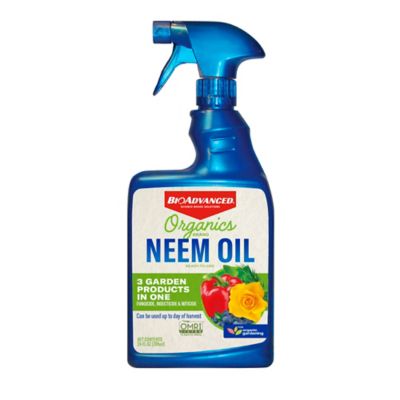
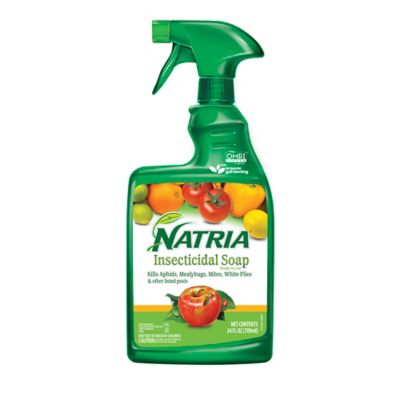
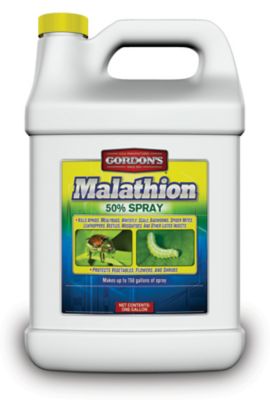
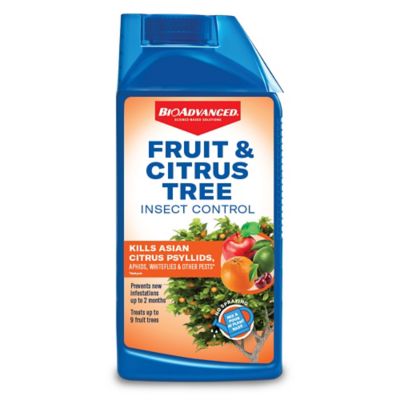
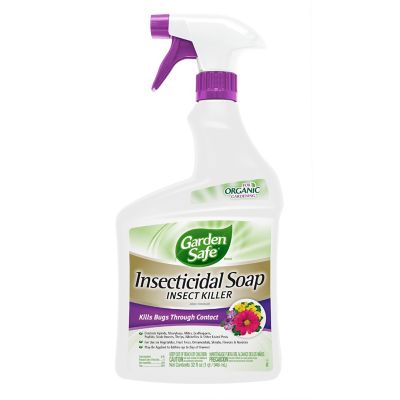
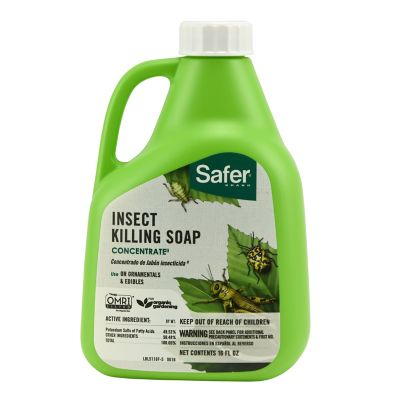
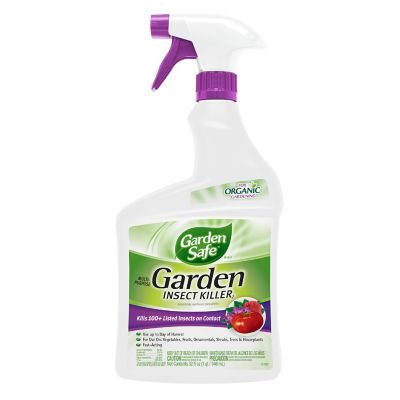
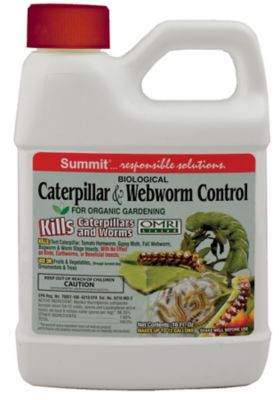
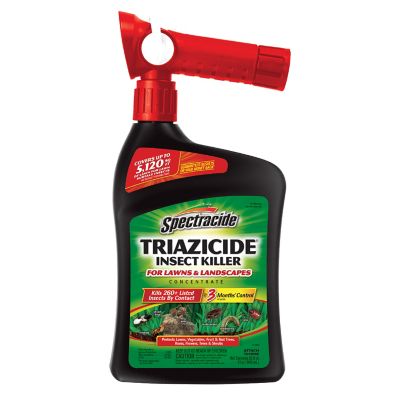
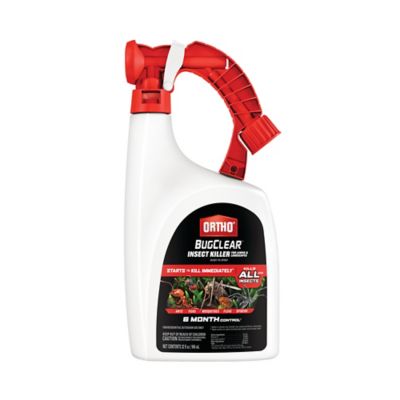
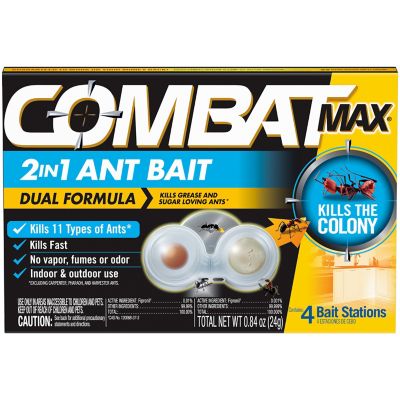
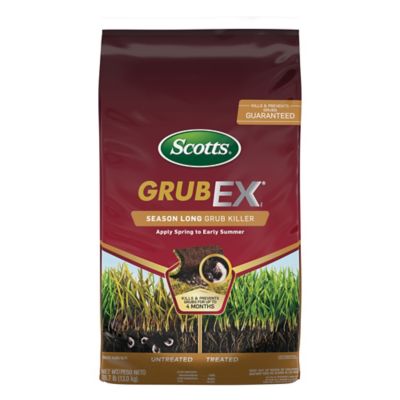
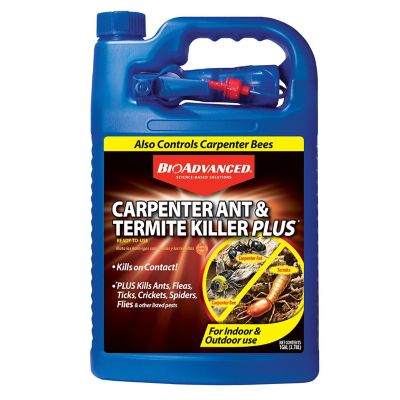
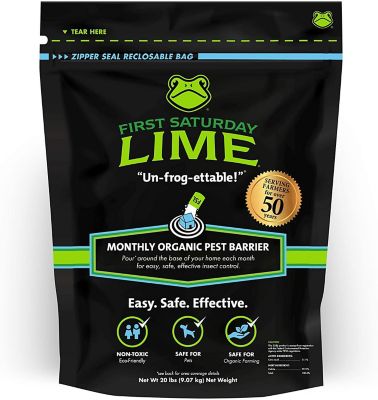
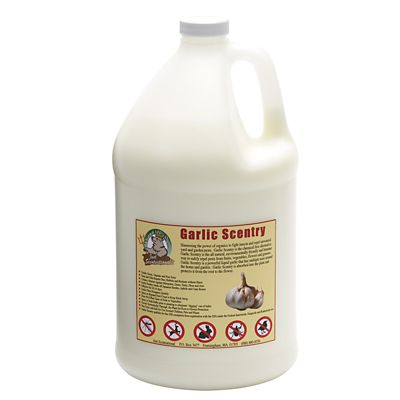
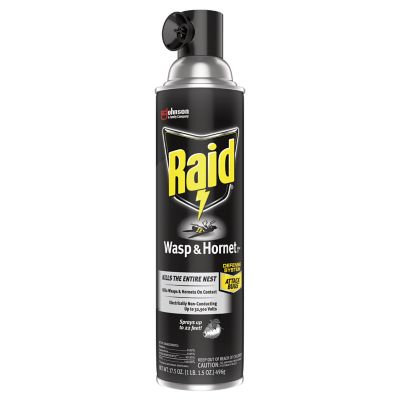
A vegetable patch takes work, whether it’s a few raised beds beside the house or long rows behind the barn. Vegetable garden insect control helps protect that effort by addressing pests that chew leaves, pierce tender growth, or damage developing crops. The right choice starts with the vegetables being grown and the insect causing trouble. Holes in cabbage leaves call for a different match than clusters of aphids on pepper stems, and not every treatment covers both. Product labels identify the crops, pests, and application sites a formula is meant for, so a general garden claim is no substitute for checking those details. Some treatments work through direct contact, while others depend on the insect feeding on treated plant material. That distinction matters when pests gather beneath leaves, hide in curled growth, or feed where coverage is hard to reach. Form also makes a difference in everyday handling. Ready-to-apply liquids can suit a small planting or a limited trouble spot, while concentrates require measuring and mixing but may fit a larger garden with more ground to cover. Dusts and granules have their own application requirements and are appropriate only where the label allows. A treatment intended for soil pests is not automatically a fit for insects feeding on foliage, even when both problems turn up in the same bed. For gardeners tending several kinds of vegetables, a formula labeled for multiple crops can simplify planning, though crop-specific restrictions still matter. Tender seedlings, established vines, and plants carrying vegetables close to picking can each present different treatment considerations. Familiar pest damage is useful background, but identifying the actual insect helps narrow the selection without treating every ragged leaf as a reason to spray. Caterpillars, beetles, and sap-feeding insects behave differently, and a product’s target list should line up with the problem at hand. For a kitchen garden or a bigger homestead plot, a good match comes down to the crop, the pest, and a method that fits the work.
Application equipment and packaging deserve a close look, too, especially when garden chores already compete with feeding animals, fixing fence, and everything else on the place. A compact hand sprayer can be manageable around a few containers, while equipment with greater capacity may reduce refill trips along longer rows. The tradeoff is carrying weight: a tank that feels light when empty can be a different proposition once filled. Comfortable handles, well-fitting straps, readable measurement markings, and controls that are easy to operate all affect how practical an application setup feels. An adjustable spray pattern may help reach the intended plant surfaces when that equipment and application method are permitted by the treatment label. Wand reach can matter around broad beds, where stepping between plants risks broken stems or compacted soil. Equipment materials also need to be compatible with the formula being applied. Tank bodies, hoses, seals, and fittings should meet the equipment maker’s requirements for that treatment rather than being chosen on appearance alone. For concentrated formulas, clear measuring directions and a package that pours cleanly can make preparation less awkward, but household food utensils do not belong in the mixing process. Dedicated measuring equipment helps keep garden chemicals separate from kitchen supplies. Protective clothing and equipment should follow the label, including any requirements for gloves, eye protection, or other protection during mixing and application. Storage is another practical part of choosing a package size. A larger container is not necessarily the better fit for a small patch if it creates more leftover material to manage. Original containers with readable labels, secure closures, and storage away from food, animal feed, children, and pets are important considerations. Cleaning requirements matter just as much as filling and spraying. Equipment that comes apart for maintenance can be easier to care for, but rinsing, residue handling, and disposal must follow the treatment label and applicable local requirements. Keeping application equipment separate from tools that handle unrelated garden chemicals also helps avoid carrying unwanted residues onto vegetables.
Because these crops are headed for the table, vegetable garden insect control involves more than stopping visible damage. The interval between treatment and harvest can influence which option fits a bed of frequently picked beans, cucumbers, or leafy greens. Some labels also limit application frequency, the total amount applied, or the number of treatments within a growing cycle. Those details belong in the buying decision, not just the application routine, especially where several vegetables share a small space. A combination formula may address more than one type of pest problem, but its full ingredient list, labeled purposes, and restrictions still need to suit the garden. More coverage on the label does not automatically make it the better choice for one identified insect. Gardeners working toward organic growing standards can also explore
Organic Farm Pest Control for related options, while checking the labeling and any certification requirements that apply to their operation. An organic claim does not remove the need for protective measures or make a treatment harmless to beneficial insects. Bees visiting blossoms, lady beetles hunting aphids, and other helpful insects are part of a productive garden, so pollinator warnings and restrictions deserve attention. Physical barriers and monitoring supplies can also have a place alongside labeled treatments, depending on the crop and pest. A barrier that excludes a feeding insect may also block pollinators, which makes crop needs and access important considerations. For households with children, barn cats, or dogs moving between the yard and garden, application-area access restrictions are another essential label detail. Gardens near livestock areas, water sources, or neighboring plantings may have additional placement and handling concerns. No single treatment fits every vegetable patch, and a bottle on the shelf is not a substitute for knowing what is feeding on the plants. A well-matched selection brings together targeted pest coverage, practical application, manageable storage, and directions that fit the crops being grown. That keeps the focus where it belongs: tending the garden with care and protecting the vegetables that make the work worthwhile.