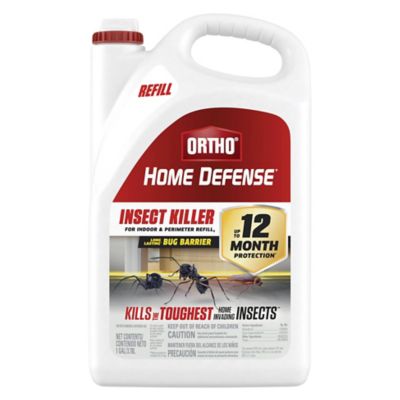
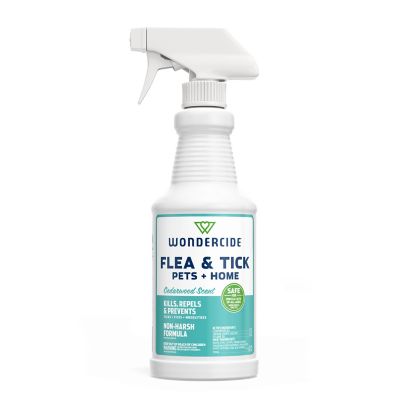
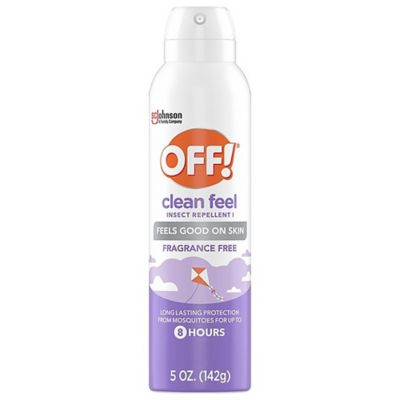
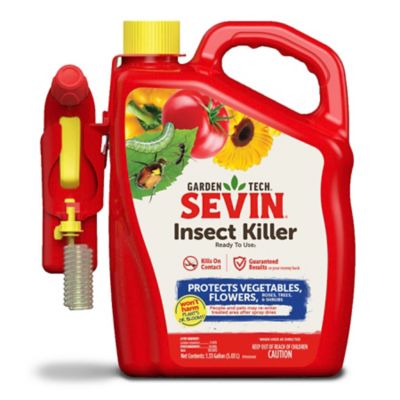
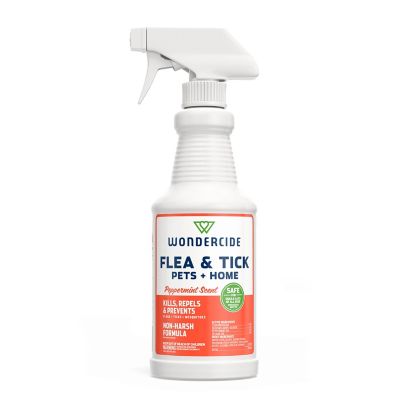
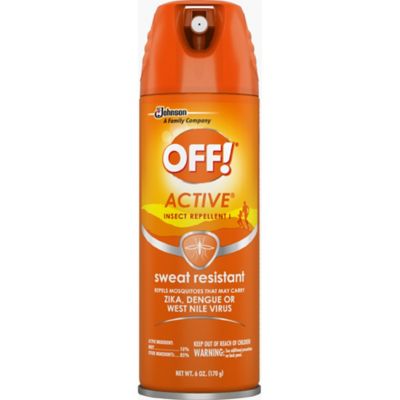
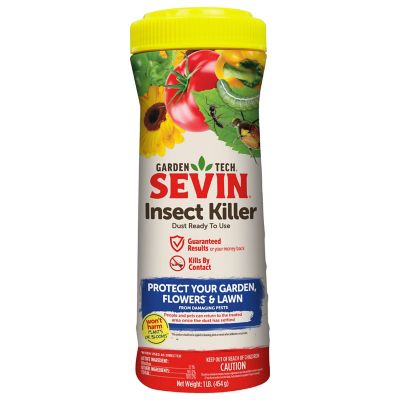
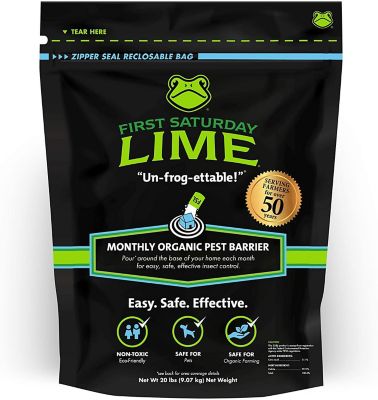
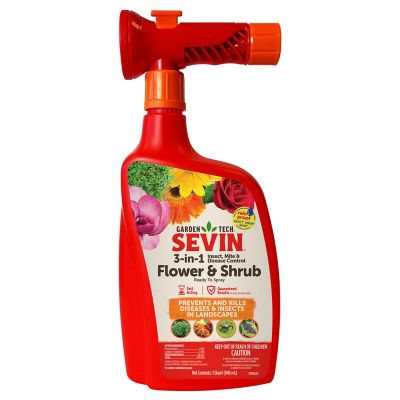
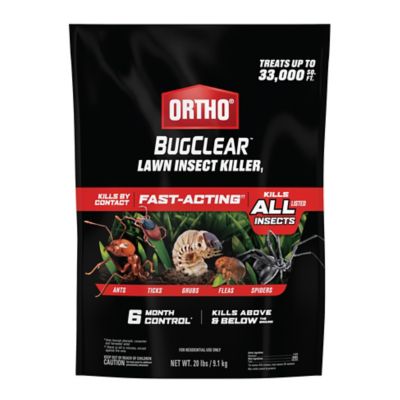
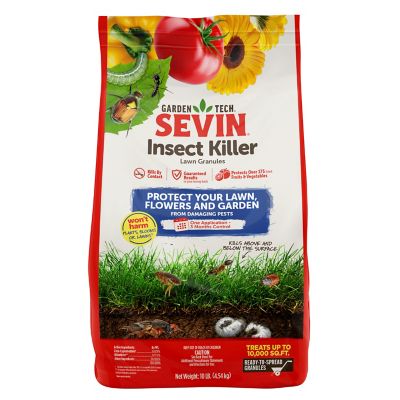
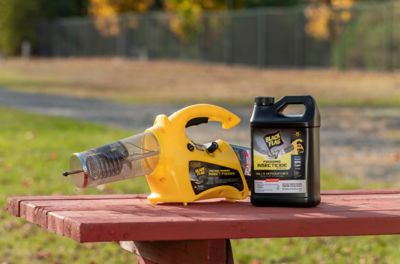
Insect controls have a place anywhere pests interfere with everyday life, from the kitchen and mudroom to the feed room, workshop and livestock shelter. A line of ants along a baseboard calls for a different approach than flies gathering around a manure pile or insects feeding beneath the grass. That’s why this category includes several ways to manage pests, with options intended to repel insects, capture them or control them in a particular area. Sprays, baits, granules and traps each serve a different purpose, and the best match depends on the insect, the location and how the treatment reaches its target. Some applications focus on cracks and crevices where insects hide, while others cover a labeled outdoor area or attract pests to a contained bait. Knowing what’s causing the trouble matters, especially when similar-looking insects have different habits. Ants moving between a food source and their nest, for example, behave differently from flies circling a doorway. Product labels identify the pests and locations a treatment is intended for, along with directions that help keep the application within those limits. For folks managing a house and outbuildings, indoor and outdoor treatments are not automatically interchangeable. A product intended for a barn may not be appropriate for a kitchen, and a household insect treatment may have no place around feed or animals. Insect controls also work alongside the less glamorous parts of property upkeep: closing gaps around doors, keeping grain in properly sealed containers and clearing away spilled feed. Those details reduce the food and shelter that draw pests in the first place. Whether the concern is a few insects near an entryway or recurring activity around a utility room, selecting by pest and treatment site makes more sense than assuming every insect control does the same job. The goal is a treatment suited to the problem, without spreading it into places where it doesn’t belong.
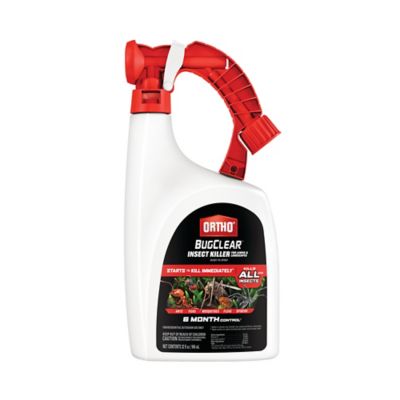
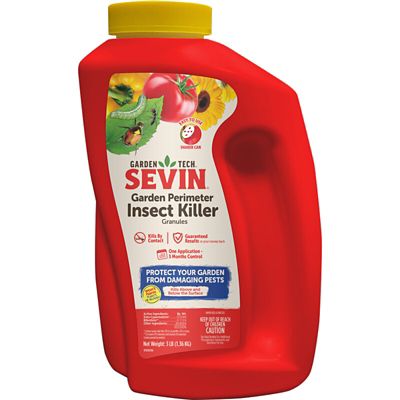
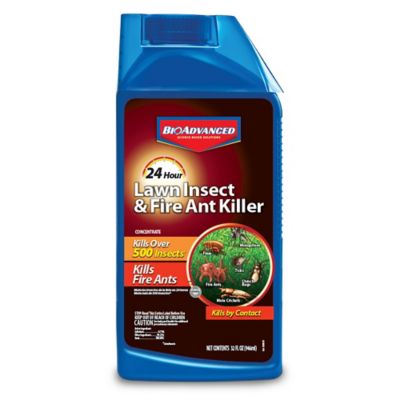
Application format makes a practical difference when there’s a fence line to check, a shed to tend or a lawn with signs of insect activity. Ready-to-apply liquids can suit smaller, defined treatment areas, while concentrates require the measuring, dilution and equipment specified on the label. Granular insect controls distribute treatment through dry particles and may call for a spreader or another application method, depending on the directions. Some require watering after application, so that step belongs in the comparison rather than being treated as an optional extra. Dusts have their own placement requirements and should not be treated as a substitute for a liquid or granular formula. Baits work differently again, drawing listed pests to a food-based treatment; placing other treatments nearby can interfere with that approach when the label advises against it. Traps may help capture certain insects or show where activity is concentrated, but their design and placement determine what they can catch. For yard-focused needs,
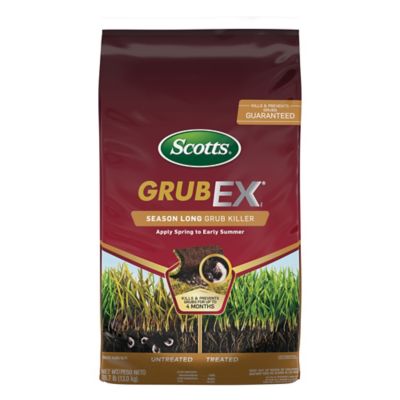
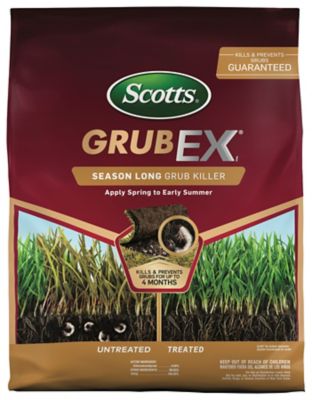
Lawn Insecticides offer a more focused category for comparing treatments intended for turf and the pests listed on their labels. Grass damage alone doesn’t confirm an insect problem, since mowing practices, soil conditions and other causes can leave similar signs. Coverage measurements matter, too: a small strip beside the driveway and a broad stretch of lawn require different amounts of treatment, even when the target pest is the same. The labeled application rate, retreatment interval and any limits on annual applications help define whether a formula fits the job. Physical features can make handling easier without changing those requirements. A comfortable trigger, a clearly marked measuring area or a closure that seals securely can matter when working around a property. For sprayers and spreaders, compatibility with the treatment, even distribution and straightforward cleanup are useful considerations. Materials such as molded plastic and metal serve different roles in application equipment, and resistance to the formula being applied matters more than appearance. Containers, seals and moving parts also need care according to their directions so they remain fit for the next application.
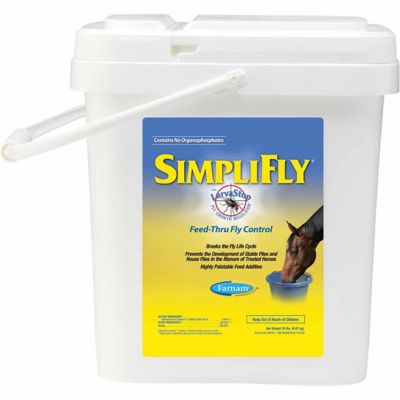
Around animals, insect control needs an especially close match between the treatment and its intended use. A household with pets, a backyard poultry setup and a livestock barn all have different exposure concerns, even when flies or crawling insects are the common nuisance. Treatments labeled for premises are not automatically appropriate for direct application to an animal, and an animal treatment must match the species and other restrictions on its label. Dogs and cats can have very different sensitivities, so a treatment meant for one should never be assumed suitable for the other. Livestock settings may also involve restrictions related to milk, eggs or meat, along with directions for feed areas, bedding and housing. Those distinctions are worth checking before anything goes near a stall, coop or kennel. In the house and around outbuildings, children, pets, feed, drinking water and food-contact surfaces all affect where insect controls can be placed. Enclosed bait stations and traps have placement requirements of their own; a housing doesn’t remove the need to keep them where the label directs. Outdoor applications also need attention to nearby water, flowering plants and beneficial insects, including pollinators. More treatment is not a shortcut to better results, and combining pesticide formulas can create risks or interfere with their intended action. Protective clothing and equipment, ventilation, and the time people or animals must stay out of a treated area all depend on the product’s directions. Storage and upkeep matter after the job is done, too. Original containers keep the label and safety information with the contents, while secure storage separates insect controls from food, feed and everyday supplies. Leftover treatment and empty packaging need disposal according to the label and local requirements. For homeowners, acreage owners and folks caring for farm animals, a sensible insect control setup is less about treating every corner and more about matching each task to the right labeled method. That leaves room for the practical work that supports pest management: repairing screens, addressing leaks, cleaning feed spills and keeping animal areas maintained. Together, those habits and carefully selected treatments help manage insect trouble without making pest control the center of every chore.