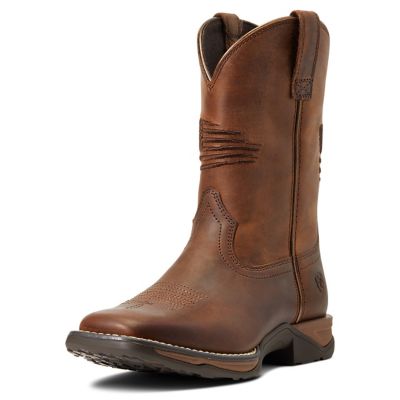
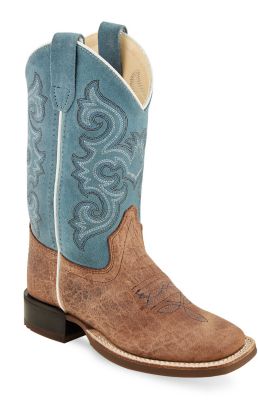
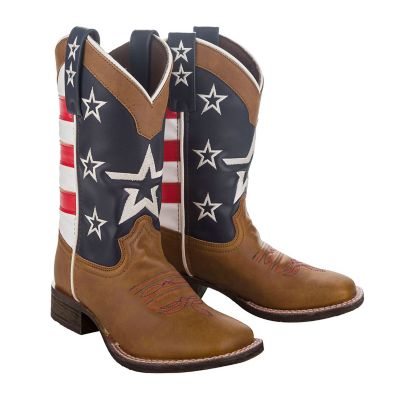
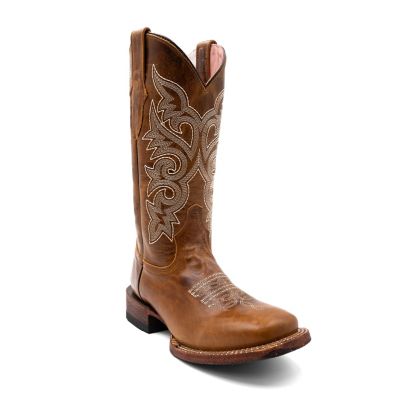
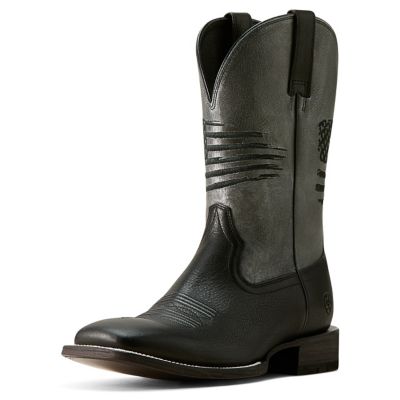
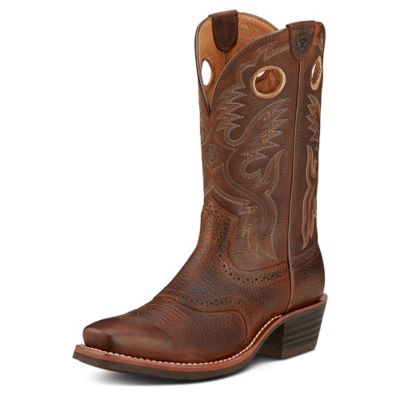
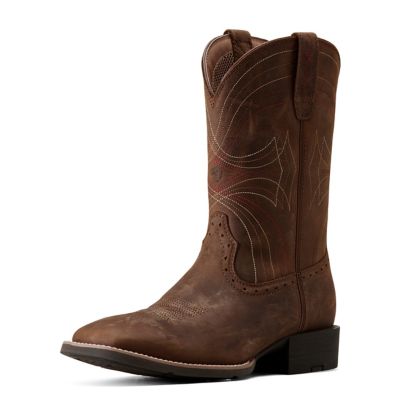
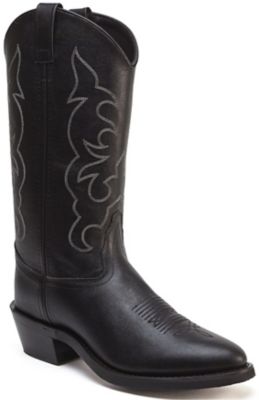
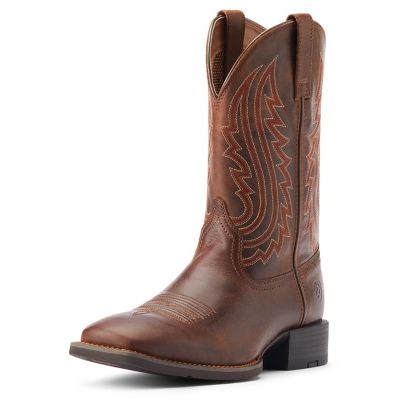
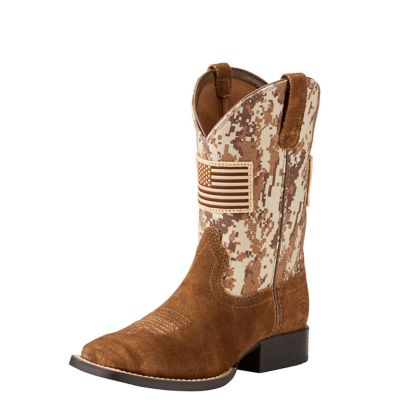
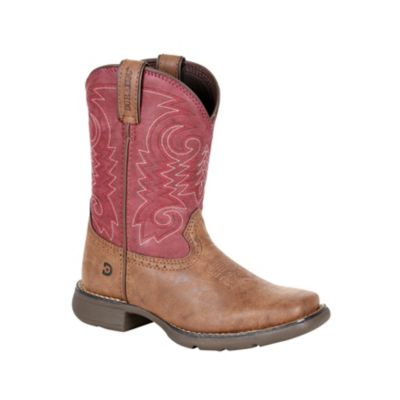
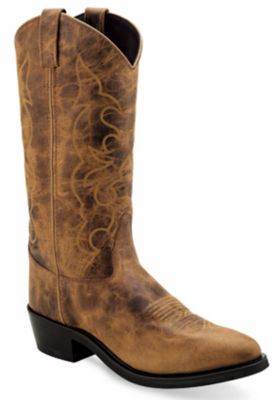
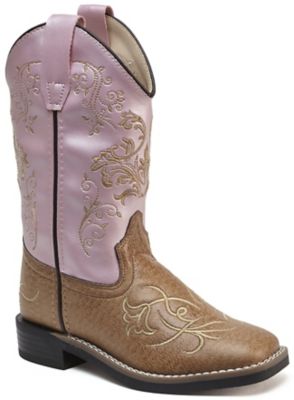
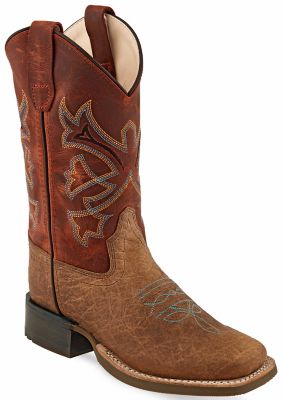
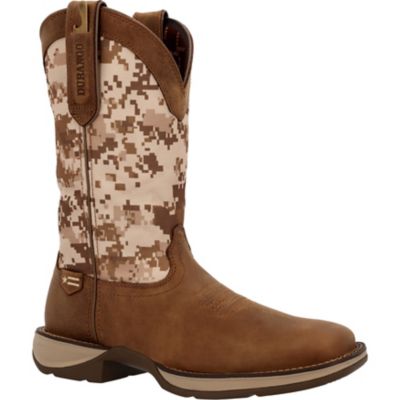
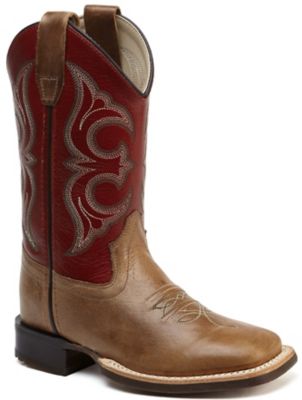
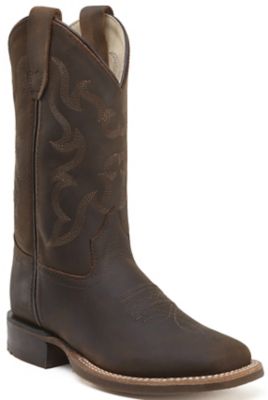
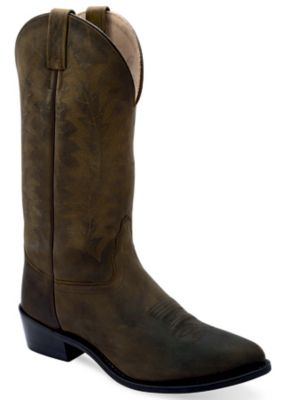
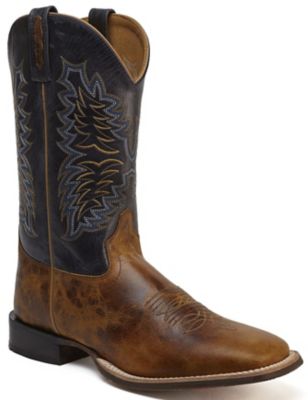
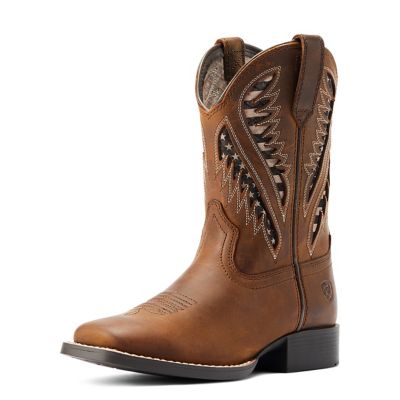
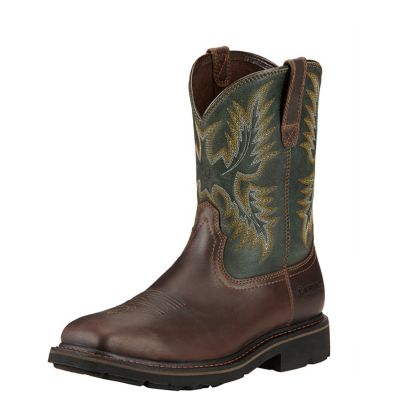
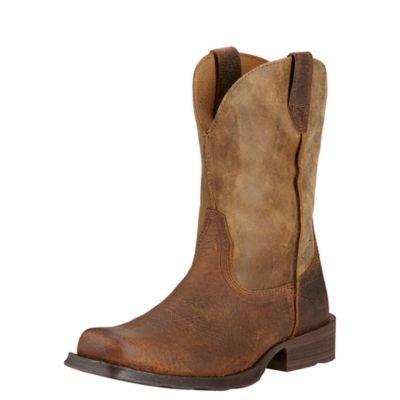
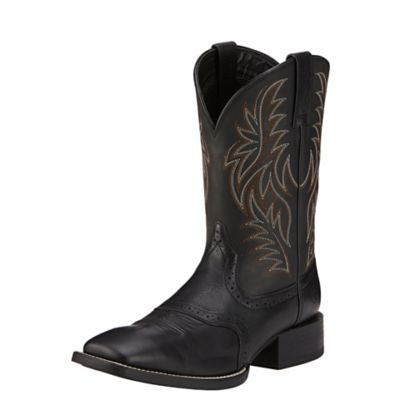
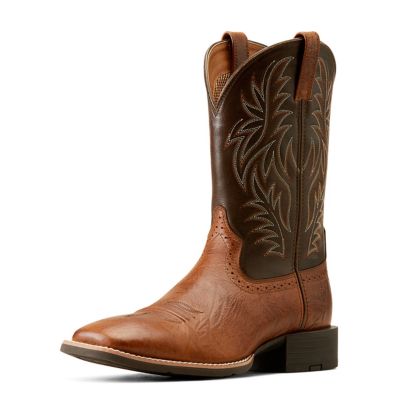
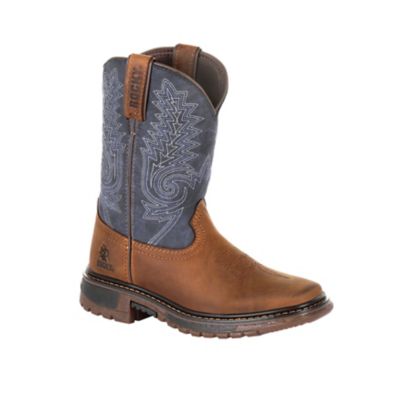
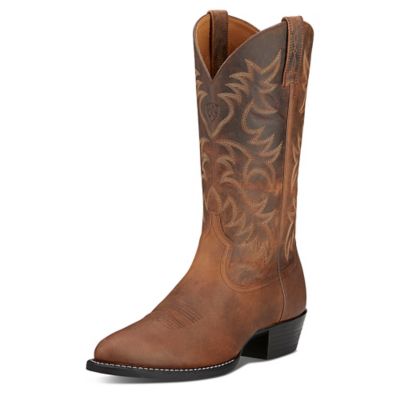
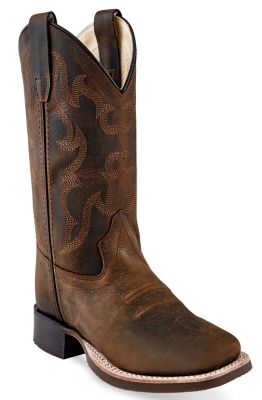
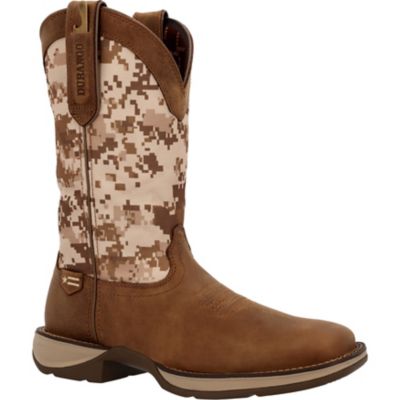
Unisex cowboy boots bring familiar Western styling to anyone who likes a pull-on boot, a shaped heel and a little stitching above the ankle. The unisex label describes who the boots are intended for, not a separate sizing system or a promise that every pair fits every foot. Many unisex cowboy boots follow men's U.S. sizing, though the size chart for each boot is the best starting point. A women's U.S. shoe size generally converts to a men's size about 1.5 to 2 sizes smaller; for example, someone wearing a women's 8.5 or 9 may start by checking a men's 7. That conversion is only a starting point, since toe shape, width and the shape of the boot's interior all affect the fit. In men's sizing, D commonly means standard width, B often means narrow and EE generally means wide, but those labels can vary by maker. Foot measurements matter more than the number stamped inside an old pair, especially when switching from sneakers to Western footwear. A well-fitting cowboy boot should feel snug across the instep without squeezing, leave room for the toes and hold the widest part of the foot at the widest part of the boot. A small amount of heel lift can be normal in a new pull-on boot as the sole begins to flex; repeated rubbing, sharp pressure or a foot sliding forward are different matters. Leather can soften with wear, but a boot that crowds the toes should not be expected to stretch into the right length. The socks worn for chores, riding or an evening out also affect fit, as do any footbeds or orthotics. For someone who spends the morning at the feed store and the afternoon walking fairgrounds, enough toe room and steady support count for more than the size label alone. Unisex styling gives people room to choose by comfort and taste, whether that means a broad square toe, a rounded profile or a pointed Western silhouette.
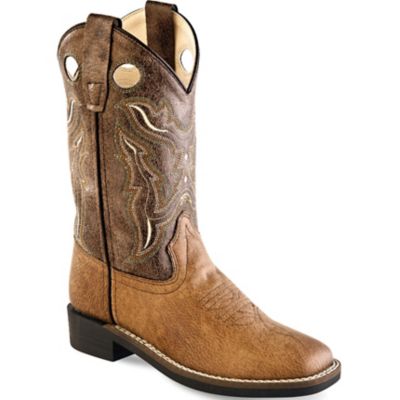
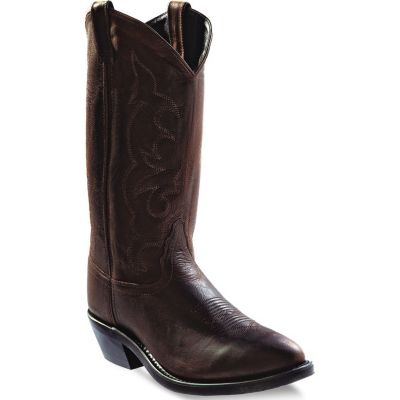
Materials and construction give cowboy boots much of their character, from the feel of the shaft to the way the sole handles a gravel drive. Cowhide leather is a common choice because it can soften around the foot while standing up to regular wear when cared for properly. Full-grain leather keeps the hide's natural surface, including small variations in texture, while suede has a napped finish that calls for a different cleaning routine. Synthetic uppers have their own care requirements and may not soften or breathe the same way leather does. The lining matters, too: a smooth interior can help limit friction, and seams should not press against the ankle or rub the calf. Underfoot, cushioning can make a difference on hard floors, but a soft footbed alone does not make a boot suited to every job. Outsole material, tread, heel shape and construction all play a part. Leather soles suit many traditional Western looks, though smooth soles can feel slick on wet pavement. Rubber outsoles often provide more grip, but performance depends on the tread and the surface underfoot. A defined heel and a sole that works with the stirrup matter for horseback riding; a deep, aggressive tread intended for walking through rough ground may not be the right match for a saddle. For chores around equipment or livestock, protective features should match the hazards, and a cowboy shape by itself does not mean a boot has a safety toe or a tested slip-resistance rating. Beyond the job at hand, color and stitching let these boots fit comfortably into everyday wardrobes. Black pairs naturally with dark denim, while brown and tan shades sit easily alongside faded jeans, flannel and a canvas jacket. For a closer look at that lighter leather color family,
Men's Tan Cowboy Boots offers a related style direction. A clean shaft keeps the look understated, while contrasting stitching adds detail that shows when jeans are tucked in or the boots are worn with a skirt.
The right unisex cowboy boots can feel at home at a barn gathering, a country dance or a family supper, but everyday comfort depends on how and where they are worn. A lower heel may feel easier for long stretches on foot, while taller shafts offer more coverage around the lower leg. Shaft circumference deserves attention alongside foot size, particularly for broader calves or anyone planning to tuck in jeans. Straight-leg and bootcut jeans usually fall over the shaft without bunching, and a hem that clears the ground helps keep damp cuffs from dragging across the heel. During the cooler months, wool-blend socks can add warmth and help manage moisture, provided they do not make the boots too tight. Leather alone does not make a boot waterproof or insulated, so those features need to be stated when wet grass, cold mornings or slushy parking lots are part of the routine. Regular care helps boots hold their shape and keeps small problems from turning into split leather or worn-through soles. Loose dirt is best brushed away before it works into seams, and mud should be removed gently with a method suited to the upper material. Smooth leather generally benefits from occasional conditioning with a compatible product, tested first on an out-of-sight spot because some treatments darken the finish. Suede needs a suede brush and care products meant for its nap rather than ordinary leather conditioner. After a damp day, boots should dry naturally away from a stove, heater or other direct heat source. Letting the inside dry between wears, supporting the shafts in storage and checking heels and soles for uneven wear can all help extend their service life. For gifting, a known size, preferred toe shape and a good sense of the recipient's daily routine are more useful than guessing from appearance alone. Whether the wearer leans toward ranch work, weekend riding or Western dress, boots chosen around the foot and the occasion have a better chance of becoming the pair waiting by the door.