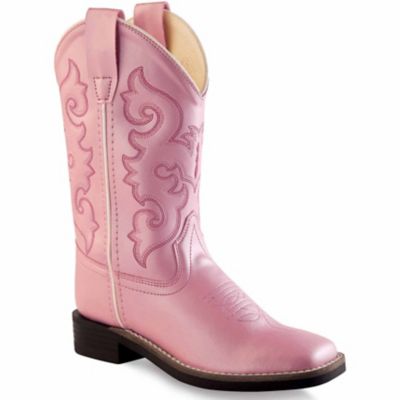
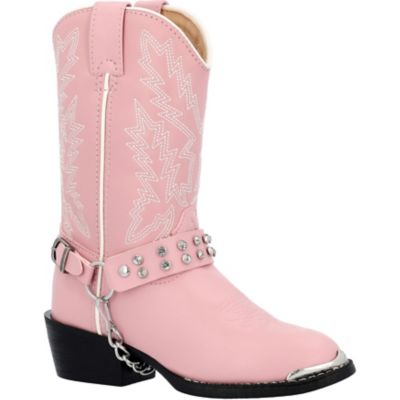
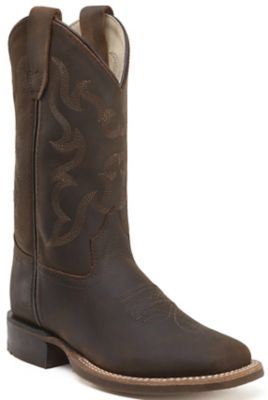
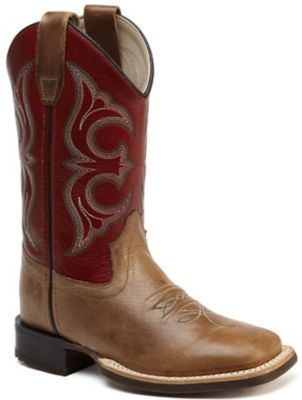
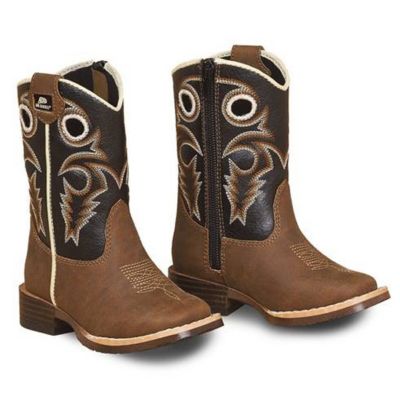
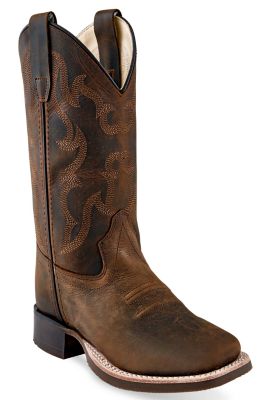
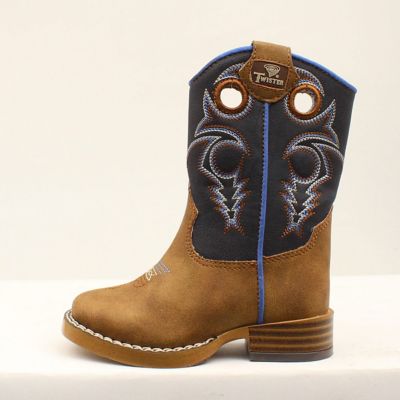
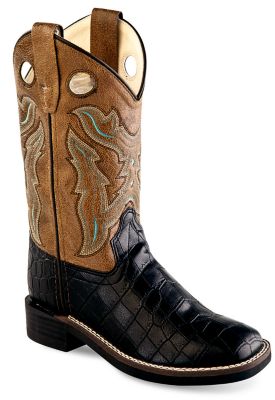
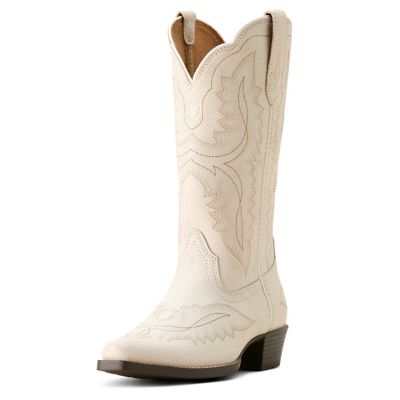
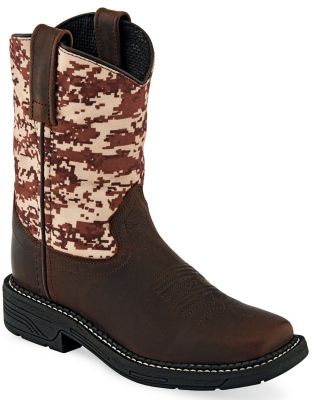
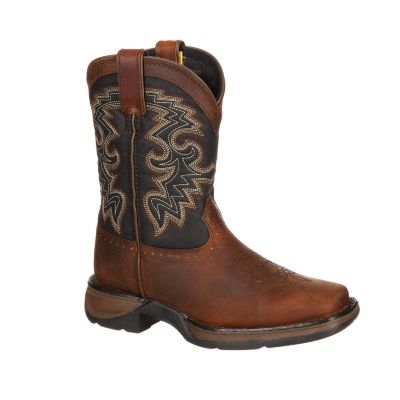
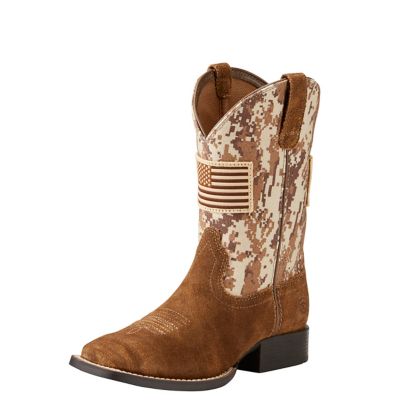
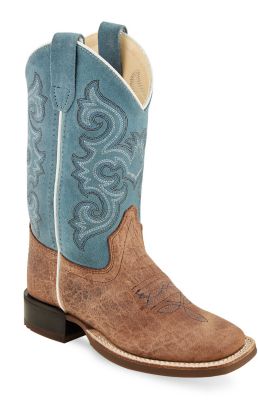
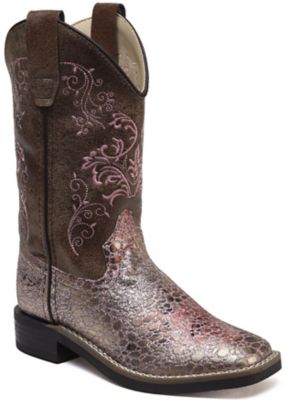
Kids’ cowboy boots bring a little ranch spirit to everyday outfits, whether a child is headed to school, tagging along to the fairgrounds, or dressing up for a family celebration. These Western boots typically pair a pull-on shaft with a shaped toe and a defined heel, though the height, weight, and flexibility vary from one style to another. Leather and synthetic materials are common choices, and each has its place. Leather can soften with wear and develop creases that reflect plenty of miles across the playground or around the barn. It also needs cleaning and occasional conditioning suited to the leather’s finish. Synthetic uppers often wipe clean easily, but care directions still matter, especially around stitching, printed patterns, and contrasting panels. Neither material alone tells the whole story about how a boot will feel or hold up. Secure seams, firmly attached soles, smooth interior surfaces, and reinforcement around high-wear areas all deserve attention. Inside, a soft lining and cushioning can make a difference for children who spend plenty of time on their feet. Outside, rubber outsoles often provide flexibility and grip for everyday walking, while leather outsoles have a more traditional Western feel and can behave differently on smooth surfaces. Toe shapes range from round and broad square profiles to narrower, more pointed looks. A broad square toe may give toes more space, but the boot’s actual width and construction matter more than its silhouette alone. From simple brown and black finishes to bright shafts and rows of contrasting stitching, kids’ Western boots leave plenty of room for personal taste. A child who likes a bold pattern can wear the shaft over slim pants, while a pair worn beneath bootcut jeans lets the toe and foot take center stage. The best match balances that favorite look with the comfort and freedom of movement a growing child needs.
Fit matters more than buying extra length for a future growth spurt. Kids’ cowboy boots should hold the foot securely without crowding the toes, squeezing the sides, or pressing hard across the top of the foot. Both feet need measuring, since one may be larger, and the size chart for the boots matters more than the number on a child’s sneakers. Trying boots with the socks the child plans to wear gives a better sense of the fit than trying them barefoot or with unusually thick socks. There should be space ahead of the toes, but not so much that the foot slides forward or the child has to grip with their toes to keep the boots steady. A small amount of heel movement can happen in a new pull-on leather boot; large lifts, rubbing, or a foot that slips around are reasons to reconsider the size or shape. The instep should feel secure rather than painfully tight, and the shaft opening should allow the foot through without a struggle. Leather may relax somewhat, but a boot that hurts at the start is not a sensible bet for later comfort. For young children who already walk confidently, lighter boots, low heels, and soles that bend near the ball of the foot can make everyday movement easier. Older children may prefer a more defined Western profile, but they still need to walk naturally, turn comfortably, and sit without the shaft digging into their legs. Removable insoles can help with checking fit or airing boots out when that feature is included. Growth inserts serve a different purpose and should only be adjusted according to the maker’s directions; removing cushioning at random can change support and fit. Since children’s feet can grow quickly, regular fit checks are worthwhile even when the outside of the boots still looks fine. Complaints about sore toes, new rubbing, or a sudden reluctance to put boots on can signal that it is time to check the fit again.
The right kids’ cowboy boots also depend on where those little feet are headed. Everyday pairs need to handle walks down the school hallway, family outings, and time spent standing at community events without feeling heavy or awkward. Boots chosen mainly for pictures or dress-up occasions may put more emphasis on stitching and color, but comfortable fit still comes first. For horseback riding, appearance alone is not enough: a defined riding heel, suitable sole, and fit that works with the stirrup are important, and a riding instructor can help confirm what is appropriate for the child and the activity. Very deep tread or an overly wide boot can interfere with stirrup clearance, so an everyday Western style should not automatically be treated as riding footwear. Around livestock or equipment, cowboy boots are not a substitute for task-specific protective footwear or adult supervision. After ordinary wear, brushing away loose dirt before wiping the surface helps keep grit from building up along seams and welt edges. Leather care products should suit the finish, with a small hidden-area test before broader application. Synthetic surfaces generally call for the cleaning method on the care label rather than leather conditioner. If boots become wet, let them air-dry away from direct heat, and avoid soaking them to speed up cleaning. Giving the inside time to dry between wears, checking soles for separation, and watching for worn heel edges can help keep a favorite pair ready for the next outing. As a birthday gift or a first pair for a child who loves horses, cowboy boots feel personal without needing an elaborate outfit to go with them. Confirming the child’s measurements and preferred colors helps make that gift more practical. For coordinated family pictures or a shared Western look, the styles in
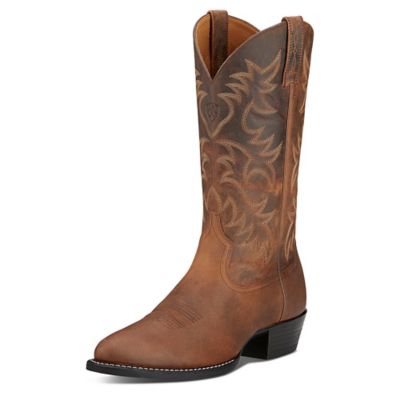
Men's Cowboy Boots offer a natural companion, whether the family leans toward matching leather tones or simply wearing the boots each person likes best.