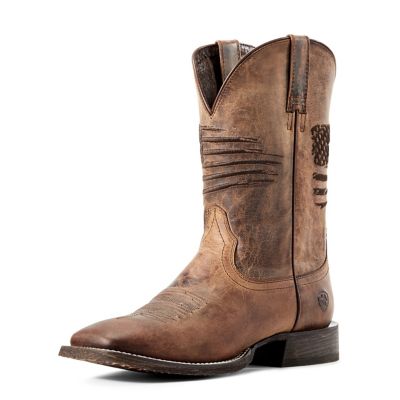
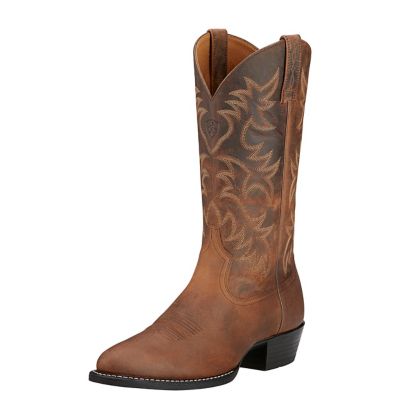
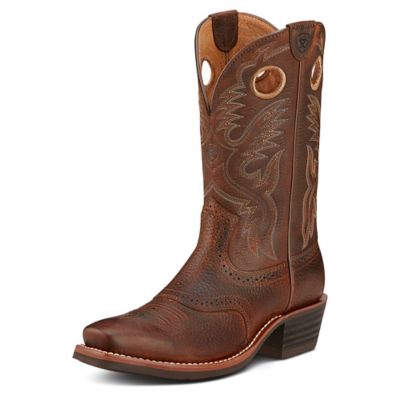
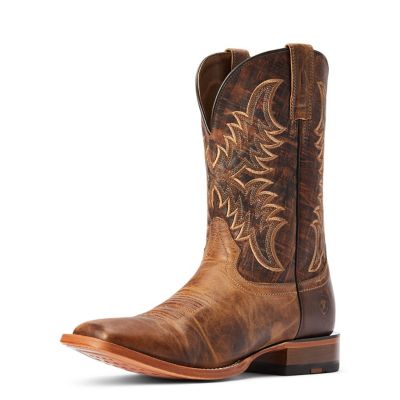
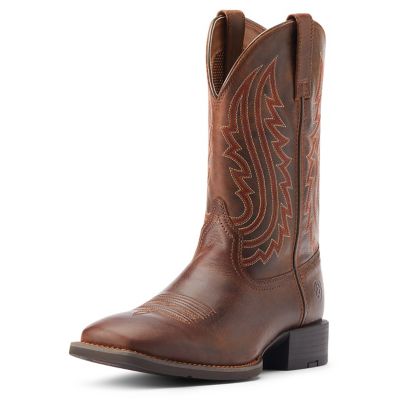
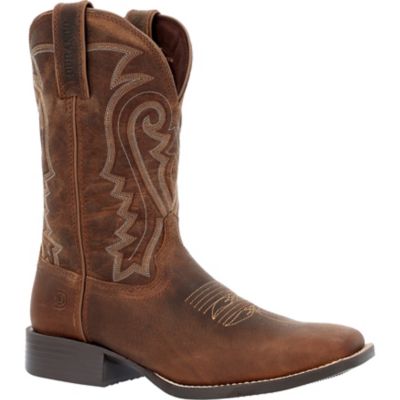
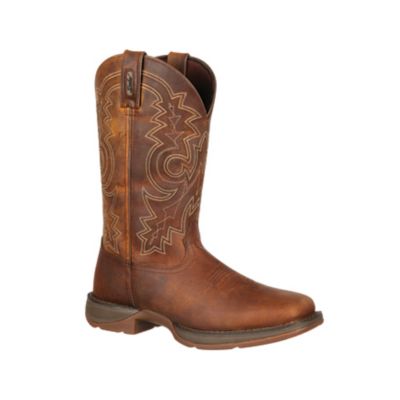
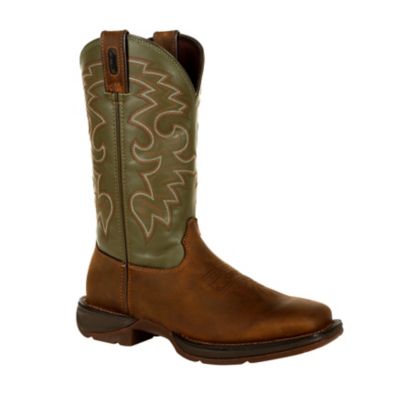
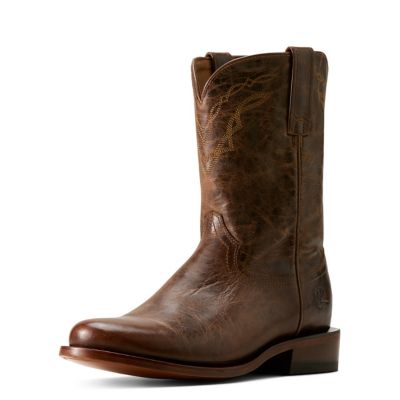
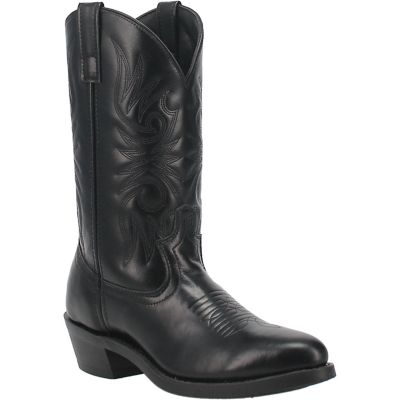
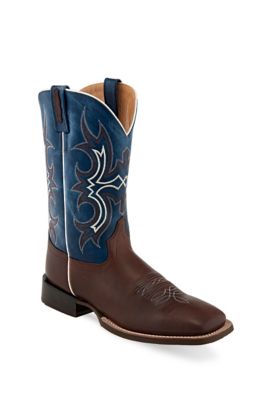
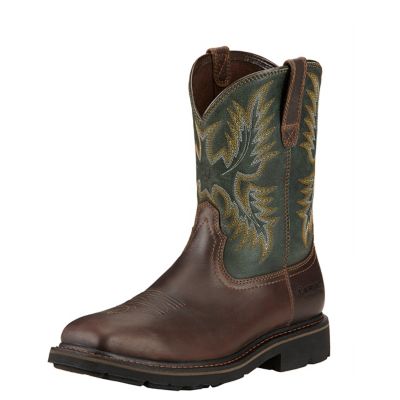
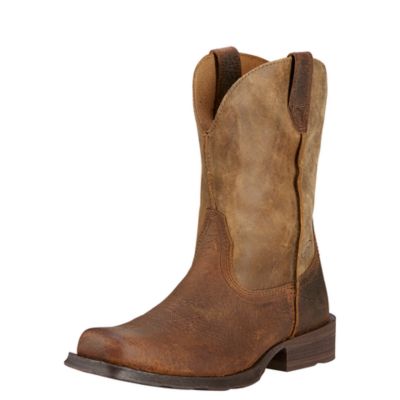
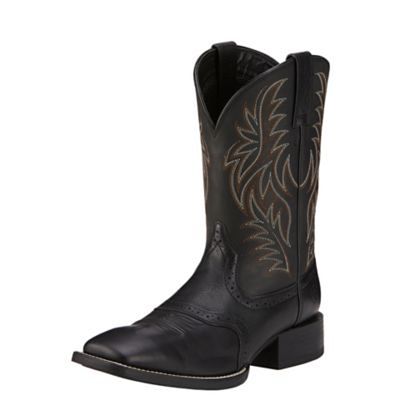
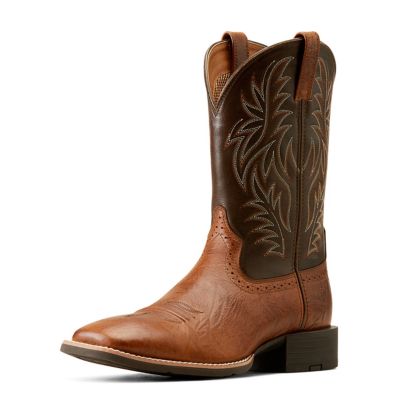
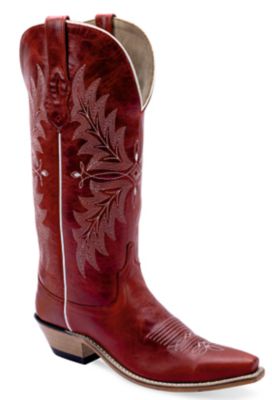
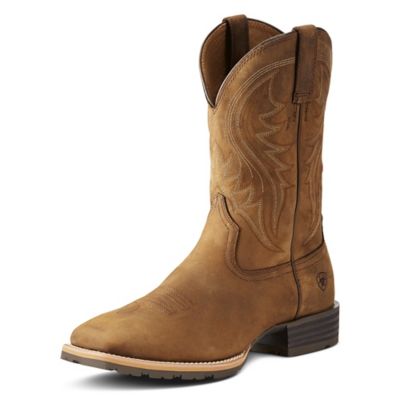
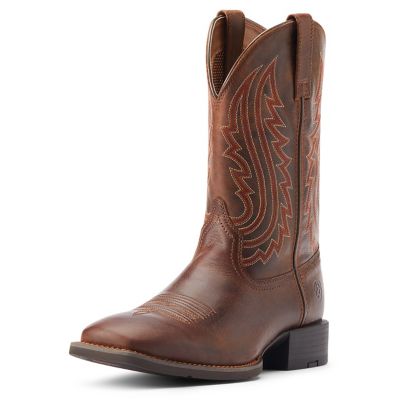
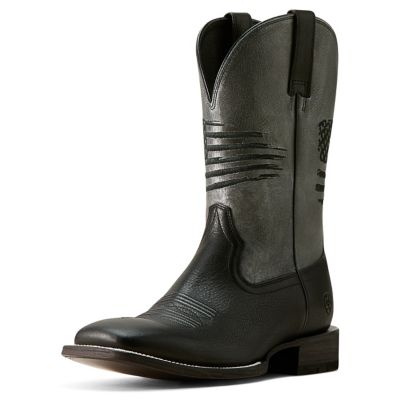
Men’s red cowboy boots bring a bold color to a familiar Western shape, with shades ranging from bright cherry and brick red to deeper oxblood tones. That range makes a difference in how a pair looks with everyday clothes: a clear, bright red stands out against dark jeans, while a muted red settles in alongside faded denim, a plain pocket tee, or a pearl-snap shirt. Some designs carry red across the foot and shaft; others put most of the color above the ankle, leaving just a glimpse when a pant leg moves. Traditional shaft stitching, piping, and contrasting panels add detail without changing the basic pull-on construction. For a ranch wedding, a night at the dance hall, or a trip to the county fair, red Western boots can be the main statement in an otherwise simple outfit. Straight-leg or bootcut jeans generally fall over the shaft more easily than narrow-cut pants, and the hem should clear the ground rather than drag beneath the heel. Men who prefer a darker red may also find
men’s burgundy cowboy boots worth a look for pairing with charcoal, navy, and other subdued colors. Materials affect both appearance and feel. Full-grain leather retains the hide’s natural surface and develops creases as it flexes, while suede has a softer, napped finish that calls for different care. Synthetic uppers may have their own cleaning requirements and generally will not soften and conform exactly like leather. Smooth leather can look polished enough for dressier gatherings, while a rubbed or distressed finish gives the color a more broken-in appearance from the start. Red itself does not tell the whole story about a boot’s purpose. The outsole, heel, lining, and construction matter just as much, especially for someone who wants one pair to move between everyday errands and an evening out. A red shaft with understated stitching gives a different impression than an all-red boot with high-contrast thread, even when the toe shape and heel height are similar.
Fit is where a good-looking pair earns its place by the door. Men’s cowboy boots should feel secure across the instep without squeezing, with enough room for the toes to rest naturally rather than bunch together. A small amount of heel movement can be normal in a new pull-on leather boot, but the foot should not slide around or lift so far that walking feels awkward. As the sole becomes more flexible, that initial heel movement may lessen. Length alone is not enough to judge fit: foot width, instep height, and the shape of the toe box all play a part. A D width commonly indicates a standard men’s width, while EE commonly indicates a wider fit, though measurements and sizing conventions differ among makers. Measuring both feet and checking the maker’s size chart is more useful than assuming every Western boot fits like a work shoe. Try boots with the socks intended for regular wear, and allow space for an insert if one is part of the plan. Leather may give somewhat across pressure points, but break-in should not be counted on to fix cramped toes or the wrong length. Square, round, and pointed toes create different profiles, yet the visible shape alone does not establish how much room the foot gets inside. Underfoot details deserve the same attention. Cushioned footbeds, supportive shanks, and lining materials can affect comfort during a long stretch of standing at a gathering or walking around fairgrounds. Leather outsoles offer a traditional feel, while rubber outsoles vary in tread, flexibility, and grip. For chores, check whether the boot’s stated features match the job rather than treating every cowboy boot as work footwear. Tasks that require a safety toe or other protective features call for footwear carrying the appropriate designation. For riding, heel shape, sole tread, and stirrup fit need to suit the activity; a fashion-focused pair should not be assumed suitable simply because it has a Western silhouette.
Keeping red cowboy boots looking their best starts with care suited to the upper material and finish. Dust left in creases and around stitching can contribute to wear, so brushing it away with a soft brush or wiping smooth leather with a soft cloth is a worthwhile habit after a day out. Follow the maker’s cleaning directions, and test any cleaner or conditioner on a small, less visible area before applying it across the boot. Red finishes can darken or change sheen with treatment, and a product intended for smooth leather may not belong on suede or another specialty surface. For smooth leather, apply compatible conditioner sparingly rather than soaking the upper; too much can leave residue and alter the appearance. Color-matched cream or polish may help with minor scuffs when the finish permits it, but the shade needs to suit the boot. Bright red and deep brick are not interchangeable, and even a neutral treatment can change the look of some leather. If boots get damp during cleaning, let them air-dry away from direct heat. A boot jack can make removal easier without repeatedly stepping on the opposite heel, and properly fitted boot trees or shaft supports help hold the shape during storage. Giving a pair time to air between outings also helps the lining dry out. Over time, check heel edges, outsole wear, and seams, especially if the boots spend plenty of hours on hard surfaces. Some stitched constructions allow resoling, though repair options depend on the individual boot and its condition. As a gift, red cowboy boots make sense for a man who already enjoys Western footwear or likes a little color with his denim. Knowing his width, preferred toe shape, and usual heel height matters more than guessing from his sneaker size. A pair chosen around those everyday preferences is easier to reach for, whether the occasion calls for a tucked-in shirt and clean jeans or a relaxed evening with friends.