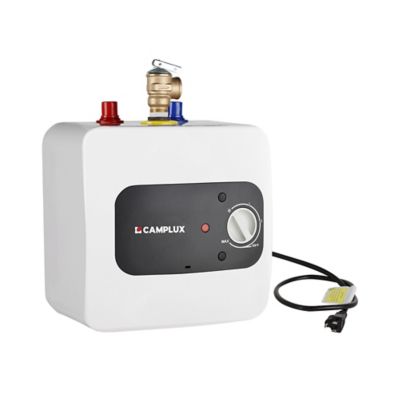
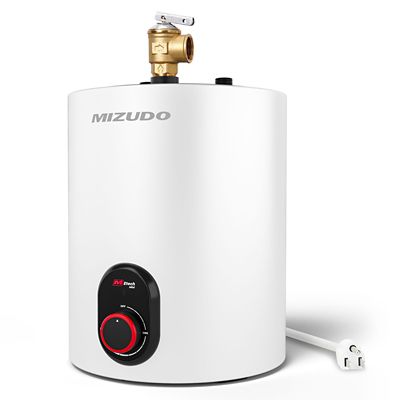
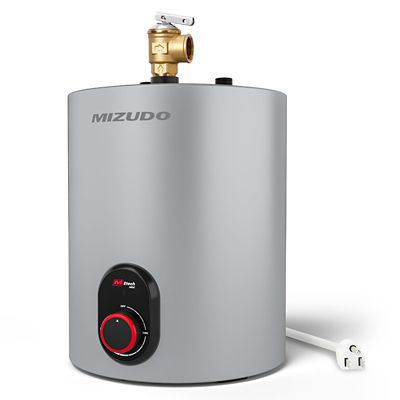
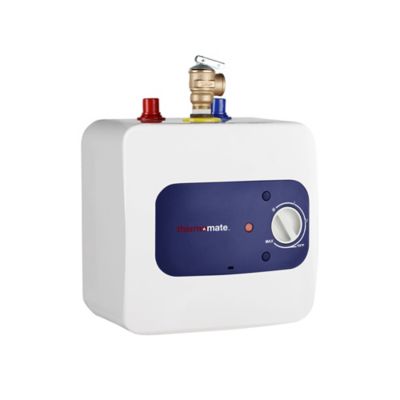
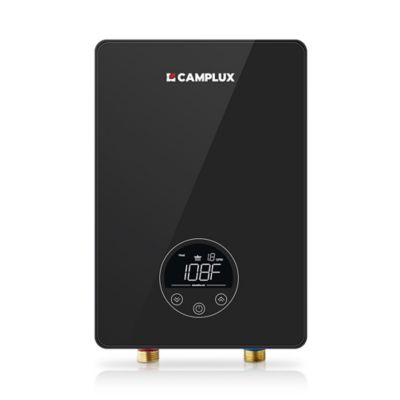
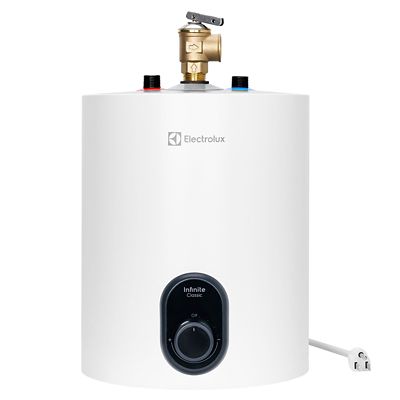
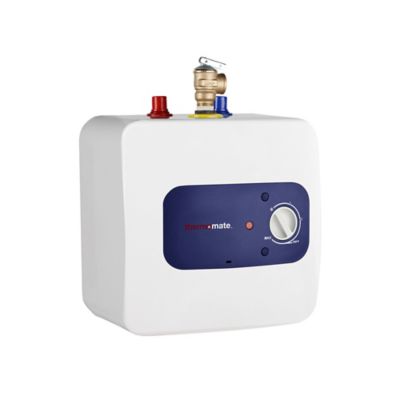
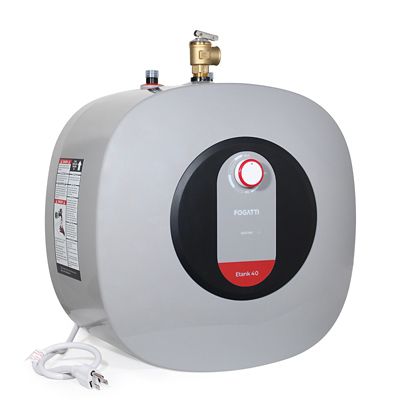
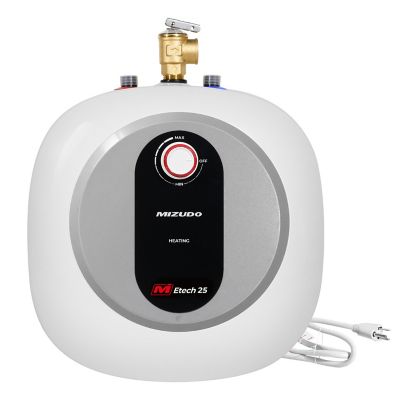
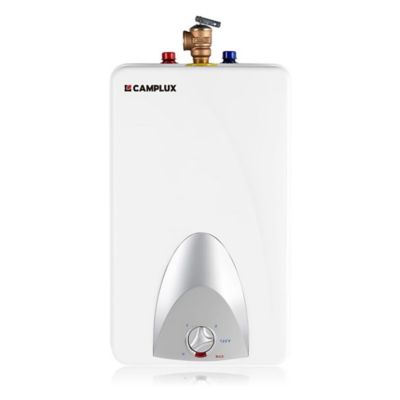
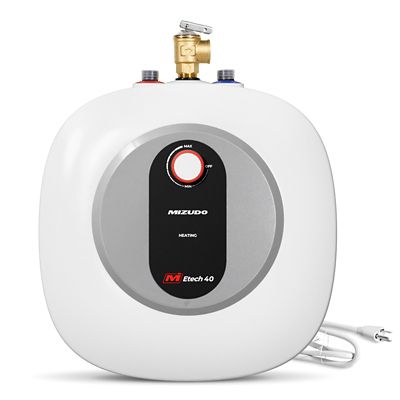
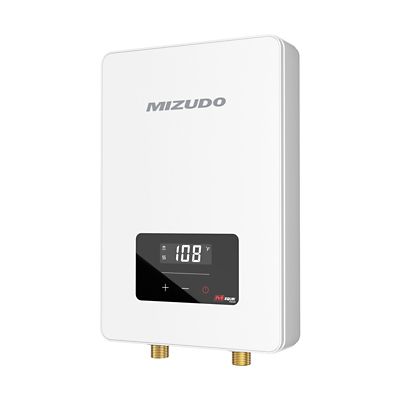
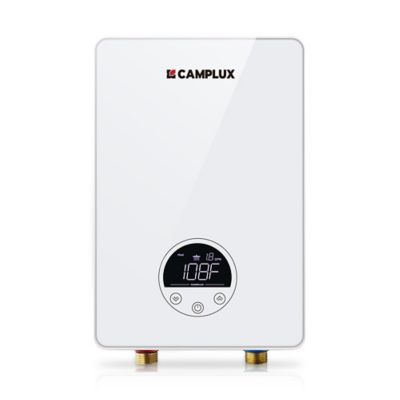
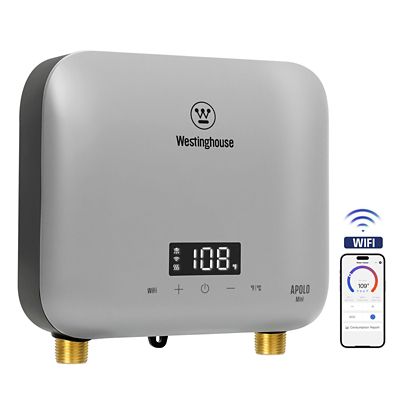
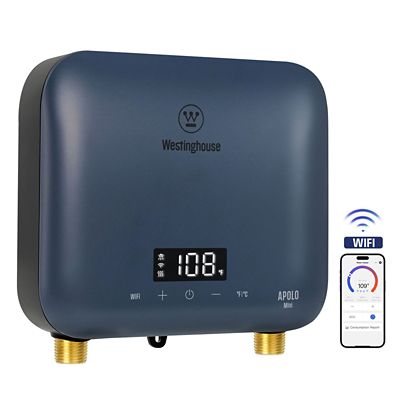
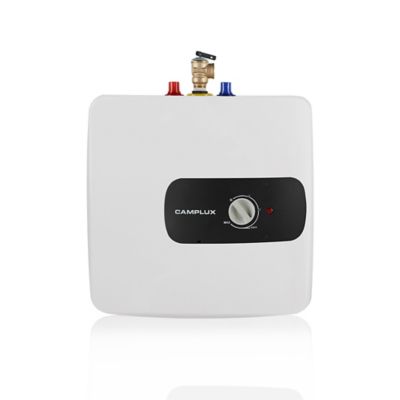
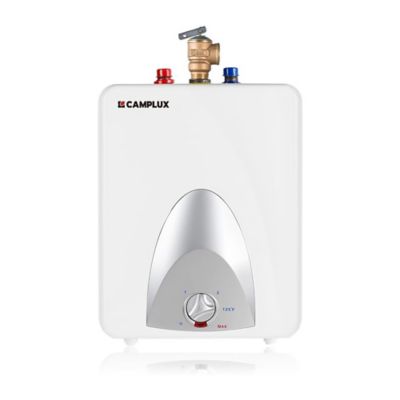
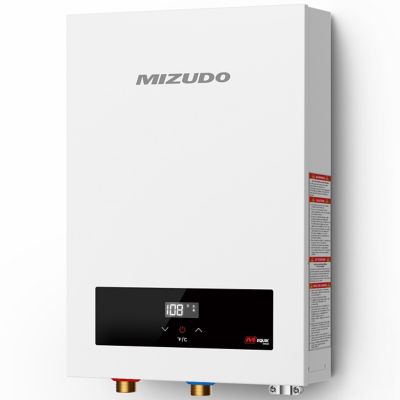
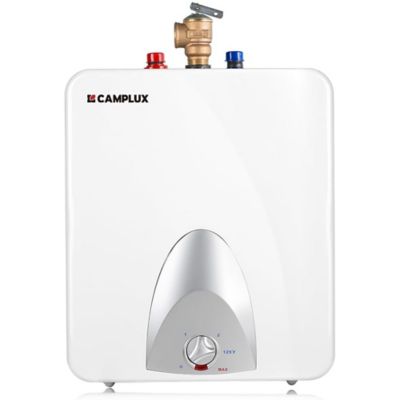
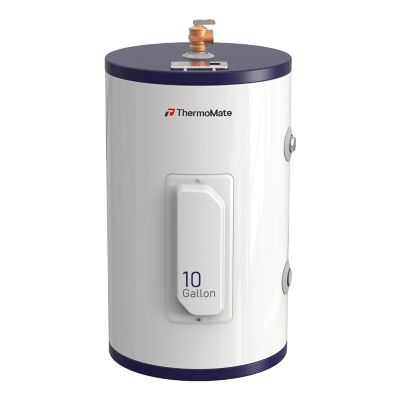
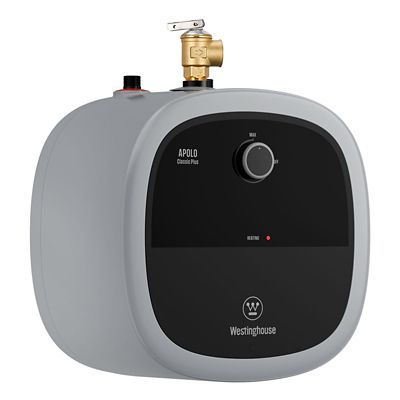
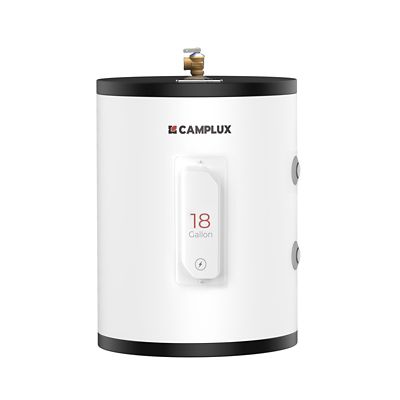
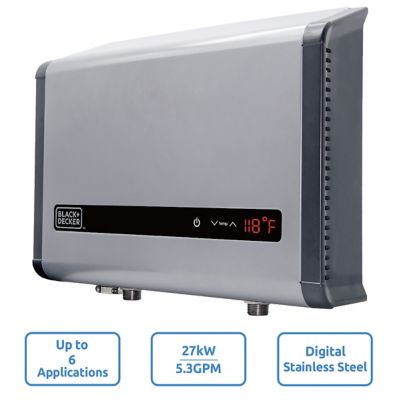
Small electric hot water heaters supply hot water close to a sink or another low-demand fixture, making them a practical fit for spaces that don’t need a full-size tank. Compact mini-tank models commonly hold about 1 to 6 gallons, while small electric tankless heaters warm water as it flows through the unit rather than storing it. Many mini-tank heaters operate on 120-volt power, but electrical requirements vary, especially among tankless designs. These compact heaters make sense in a workshop with a handwashing sink, a home kitchenette, an office break room or a utility room far from the main water heater. After handling feed sacks or working on equipment, having hot water near the work area can make cleanup more convenient. A point-of-use heater can shorten the wait caused by a long pipe run, though delivery time still depends on the installation and the distance between the heater and faucet. Some models accept a cold-water supply for standalone service; others can supplement an existing hot-water line when the manufacturer permits that arrangement. The right capacity depends more on the job than on the size of the room. Brief handwashing draws less water than filling a deep basin, and several people stopping at the same sink can empty a small tank faster than expected. Stored gallons, thermostat setting, incoming water temperature and the amount of cold water mixed at the faucet all affect how much usable hot water a tank provides. A mini-tank also needs time to heat replacement water after a draw. Small electric tankless water heaters avoid that storage limit, but their output depends on incoming water temperature, electrical power and faucet flow. A compact unit suited to one modest-flow sink should not be expected to serve a shower or several fixtures unless its ratings support that demand.
Fit involves more than finding an open corner beneath the sink. Heater height, width and depth need to work around drain traps, supply valves, cabinet doors and shelves, with enough clearance for plumbing connections and future service. An under-sink water heater can keep the setup tucked away, while a wall-mounted arrangement may leave more room for supplies below. Mounting position matters: a heater approved for upright installation may not work safely on its side, and mounting hardware must support the filled weight, not just the empty tank. Connection size and location also affect how neatly the plumbing comes together. A top-connected tank, for example, needs room above it for fittings without putting strain on the pipes. For spaces with a compatible household electrical supply,
120V Water Heaters offer a useful starting point, but voltage alone does not confirm a match. Some heaters have a cord and plug, while others require hardwiring, and wattage determines how much electrical capacity the heater needs. A nearby receptacle does not automatically mean the circuit can handle the load alongside tools, appliances or other equipment. Grounding, circuit protection and any ground-fault protection must meet the heater’s instructions and local electrical requirements. An extension cord is not a substitute for a properly located electrical connection. Plumbing deserves the same attention, including the unit’s pressure rating, approved supply connections, required relief protection and a safe discharge arrangement. A drain pan or thermal expansion control may also be necessary for the particular setup. A licensed plumber or electrician can help confirm these details before installation. For a shop sink that sees regular splashes, the heater’s approved location and protection from moisture matter just as much as its footprint. Compact size is handy, but room to reach a shutoff valve, inspect a connection and service the heater helps keep a tight installation manageable.
Tank construction and routine care play a big part in how a small electric water heater holds up to everyday chores. Glass-lined steel and stainless steel are common tank materials, and each design has its own care requirements. Glass-lined tanks may include a sacrificial anode rod that helps protect against corrosion and needs inspection or replacement according to the manufacturer’s schedule. Stainless steel does not remove the need to consider water chemistry or follow maintenance directions. Mineral-rich water can leave deposits inside a storage tank or on heating surfaces, affecting heating performance and making periodic maintenance especially important. Depending on the design, that care may include draining sediment, flushing the tank or descaling a tankless heater with an approved method. Accessible drain points, heating elements and service panels can make those tasks less of a squeeze inside a crowded cabinet. Insulation also matters because stored water gradually loses heat between draws, even when nobody turns on the faucet. A well-insulated tank helps limit that heat loss, while a heater sized to the actual workload avoids keeping more stored water hot than the space calls for. Thermostat adjustment allows the water setting to match the application within the manufacturer’s limits, with attention to scald protection, particularly anywhere children or people with limited mobility might use the sink. The heater must be full of water before its heating element is energized, and service work calls for the proper electrical and water shutoffs. For occasional handwashing in a workshop, a small storage tank may provide a convenient reserve; for repeated draws, recovery time becomes a bigger consideration. For tankless service, the rated flow at the needed temperature rise matters more than the cabinet dimensions. The best fit brings together the space, plumbing, electrical supply and daily workload, so hot water is close at hand without asking a compact heater to do a whole-house job.