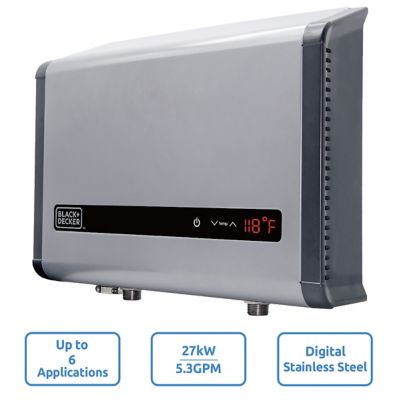
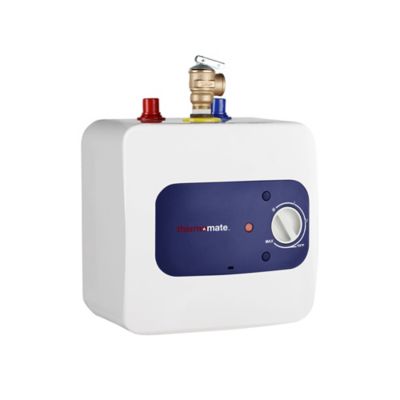
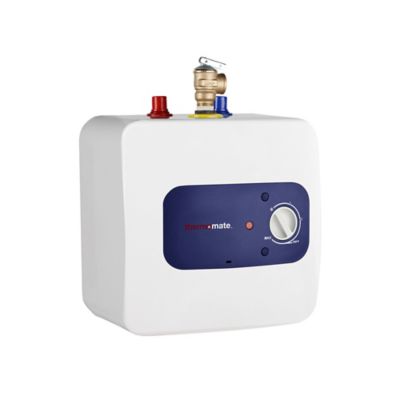
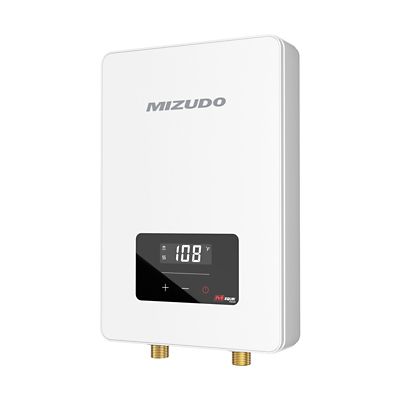
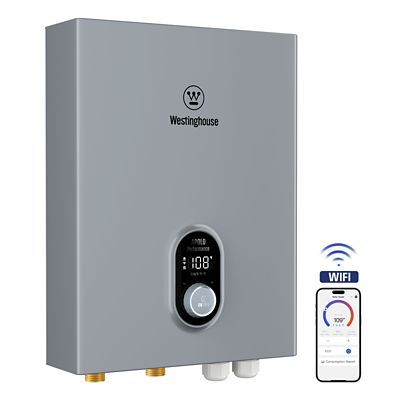
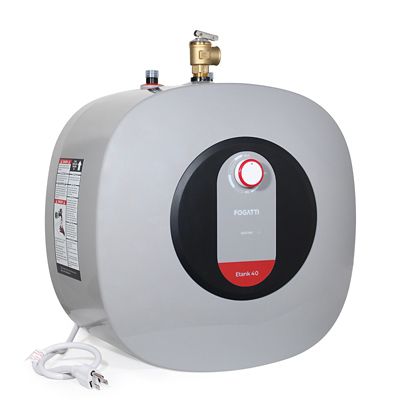
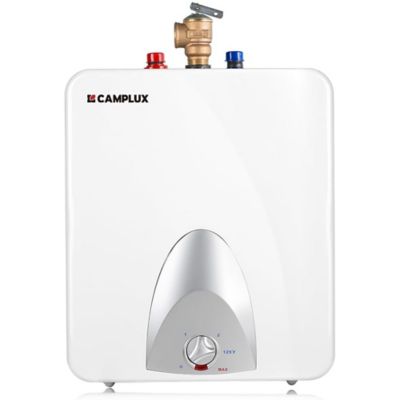
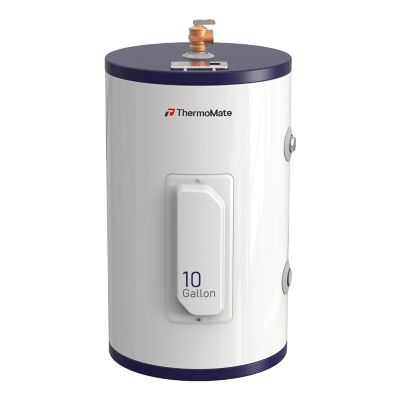
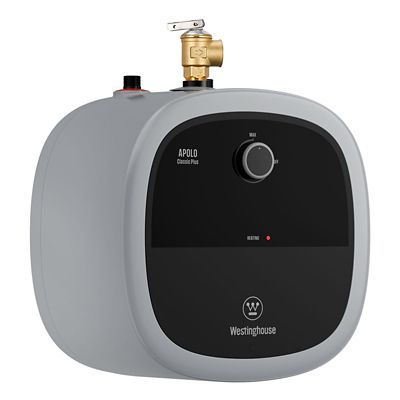
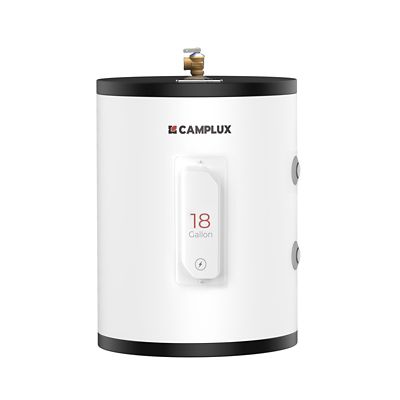
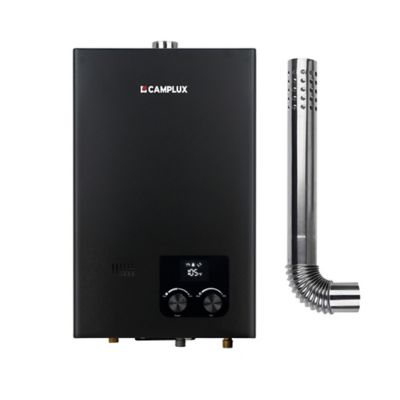
Compact water heaters are small hot water systems built for spaces where a full-size tank may not fit or where a sink sits a long way from the main heater. Many serve a single fixture or a nearby group of fixtures, making them a practical match for workshop sinks, barn offices, utility rooms, kitchenettes and small bathrooms. Mini-tank versions commonly hold about 1.3 to 10 gallons, while compact tankless designs heat water as it passes through rather than keeping a stored supply. Placing a heater close to the faucet can shorten the wait for hot water and reduce the amount of water sent down the drain while a long supply line clears. That can make a noticeable difference at a shop sink where handwashing happens several times throughout the day. For sink-side applications,
Electric Mini Tank Water Heaters keep a small reserve near the tap, with capacity and recovery time determining how much hot water they can deliver between heating cycles. A few quick hand washes place different demands on a heater than filling a deep laundry sink or washing a stack of dishes. Tank capacity describes the stored supply, not an unlimited amount of ready-to-go hot water. Tankless performance depends on both flow rate and the difference between incoming water temperature and the selected outlet temperature. A compact housing alone does not tell the whole story: a heater suited to one low-flow faucet may not support a shower or two fixtures running together. Small living spaces and RVs can also benefit from space-saving equipment, but those applications call for heaters specifically approved for their plumbing, power supply and installation setting. The best fit comes from matching the heater’s intended application to the work that happens at the sink, whether that means rinsing a coffee mug in a kitchenette or washing up before heading from the workshop into the house.
Physical fit involves more than finding an open corner beneath a sink. The cabinet needs room for the heater body, water connections, valves and the service access specified by the manufacturer. Pipes, a drain trap and stored cleaning supplies can take up much of that space before a heater ever goes in. Wall-mounted and floor-supported designs have different support requirements, and the weight of a filled tank matters when evaluating a wall, shelf or cabinet base. Installation orientation matters, too; a model intended for upright placement should not be turned sideways simply to clear a drainpipe. Short, properly sized plumbing connections help preserve the benefit of a point-of-use installation. Some mini-tanks accept a cold-water feed, while certain installations position a compatible tank near a fixture supplied by the main hot-water line; the heater’s instructions determine which arrangements are permitted. Power requirements deserve just as much attention as dimensions. A plug-in heater needs the specified grounded receptacle and a suitable circuit, while a hardwired unit requires the correct wiring, breaker and electrical connection. Compact electric tankless heaters may demand considerably more electrical capacity than their small housings suggest. An existing outlet beneath a sink does not automatically meet a heater’s needs. Fuel-burning designs have separate combustion-air and venting requirements and cannot be treated like plug-in electric equipment. Storage tanks also need their required temperature-and-pressure relief protection and a correctly routed discharge line that must never be capped or blocked. Local plumbing rules may call for a drain pan, expansion control or other safeguards, especially where a leak could damage flooring or cabinetry. A qualified installer can account for those details along with water pressure and shutoff access. In a barn office or detached shop, the installation location still needs to meet the appliance’s operating requirements; a small indoor heater is not automatically suitable for damp or exposed surroundings. Keeping the connections accessible makes routine checks less of a chore and leaves room to address a drip before it spreads.
Construction and upkeep help determine how a compact water heater handles everyday service. Depending on the design, storage tanks may feature glass-lined steel or stainless steel, with insulation around the tank to slow heat loss between uses. A glass-lined tank may include a sacrificial anode rod that needs periodic inspection and replacement according to the manufacturer’s schedule. Stainless steel construction has its own water-chemistry limits, so the tank material should match the conditions and requirements listed for the appliance. Mineral-rich water can leave scale on heating components and inside waterways, affecting heat transfer and flow over time. Tankless models may need descaling, while storage models may call for draining or flushing to manage sediment. Service intervals depend on the heater, the water supply and how hard the equipment works; keeping the manual handy makes it easier to follow the right routine. Accessible shutoff valves and service connections can simplify that work. Around a busy workbench or utility sink, protecting the heater and its plumbing from bumps, hanging tools and overloaded storage helps prevent avoidable damage. Temperature controls should also suit the people and tasks involved. About 120°F is a common household setting, though application requirements and mixing controls can affect the appropriate choice, and hot water still warrants care around children or anyone with reduced sensitivity. A small handwashing station generally benefits from modest flow and short draws, while repeated dishwashing or larger sink fills call for closer attention to capacity and recovery. For a frequently occupied workshop, fast access at the faucet may matter more than serving several fixtures. For an occasional-use kitchenette, simple controls and straightforward maintenance may carry more weight. Those everyday details help separate a heater that merely fits beneath the counter from one that fits the job. Matching the available space, electrical service, water conditions and expected draw gives compact water heaters a clear role: putting a manageable supply of hot water close to the place it is needed without dedicating a large footprint to the equipment.