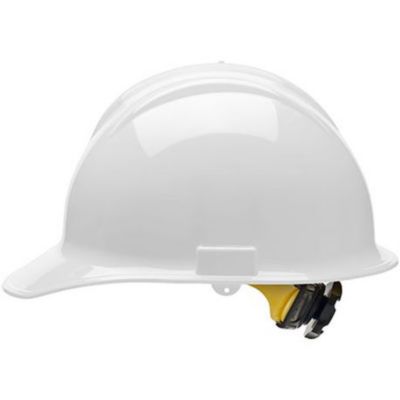
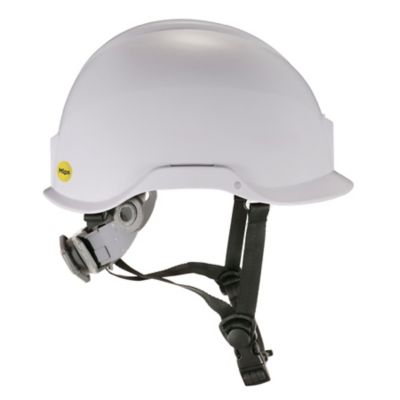
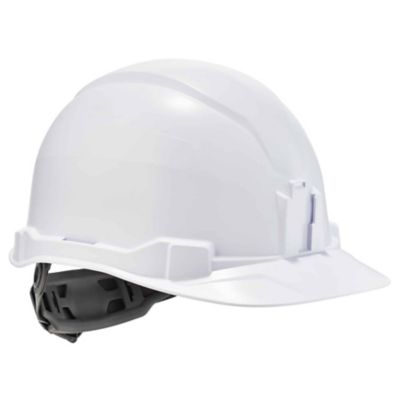
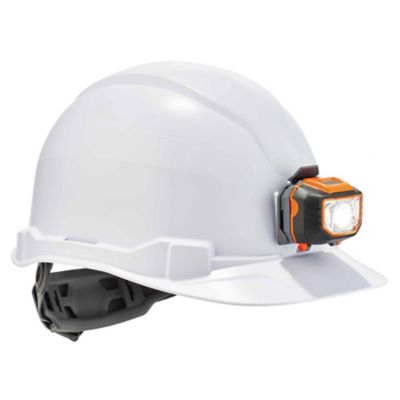
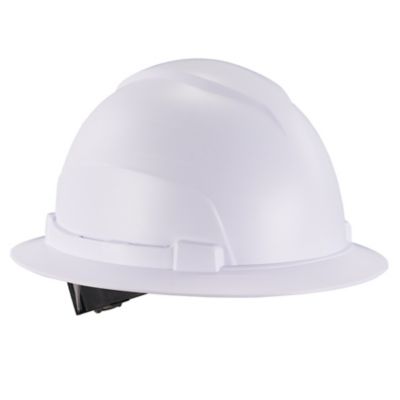
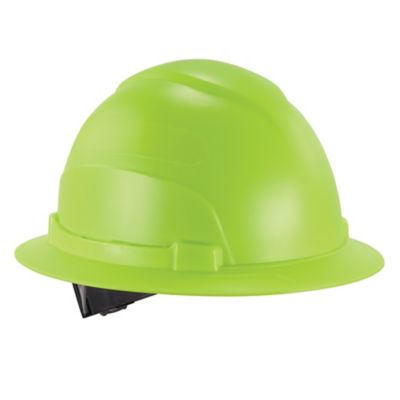
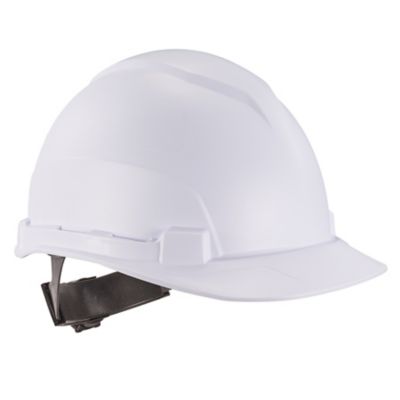
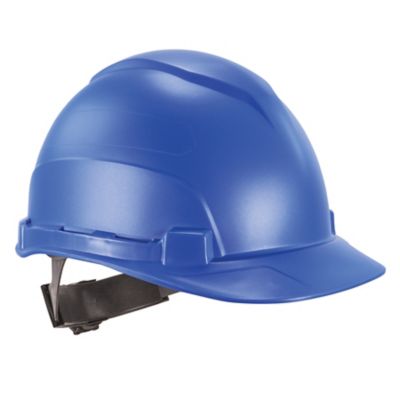
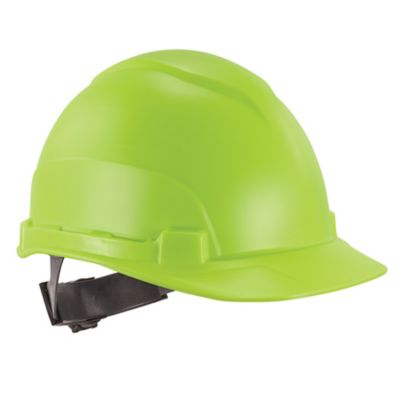
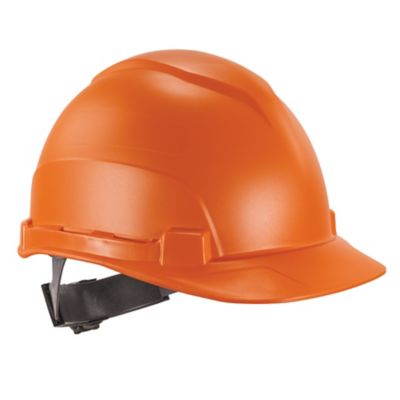
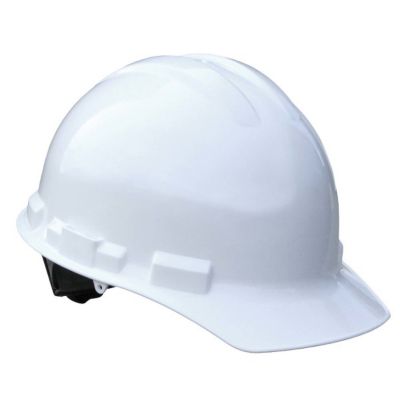
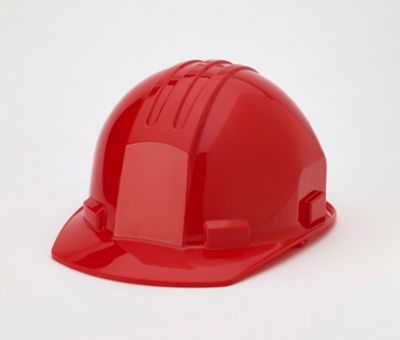
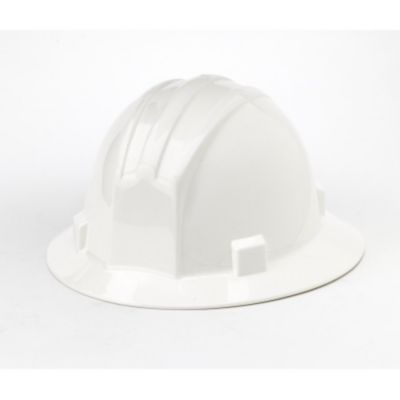
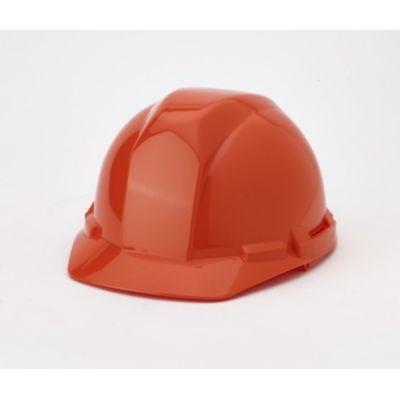
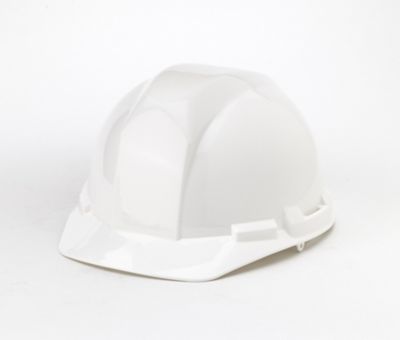
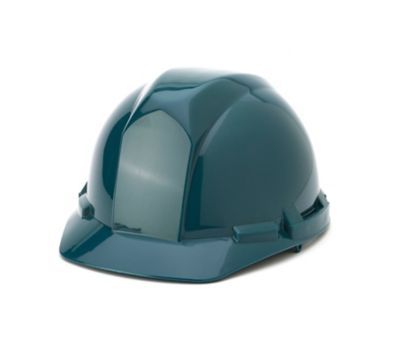
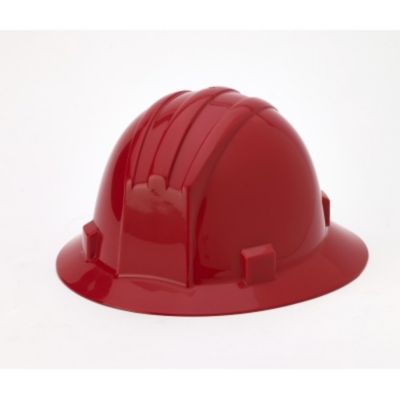
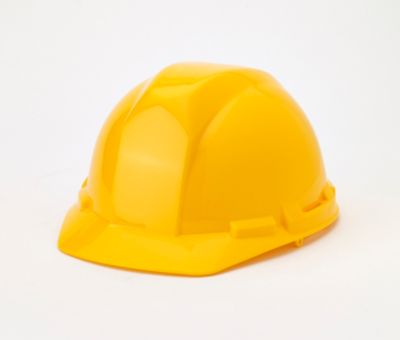
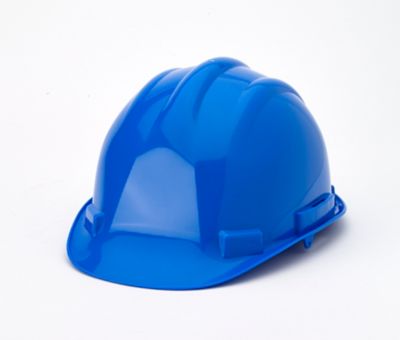
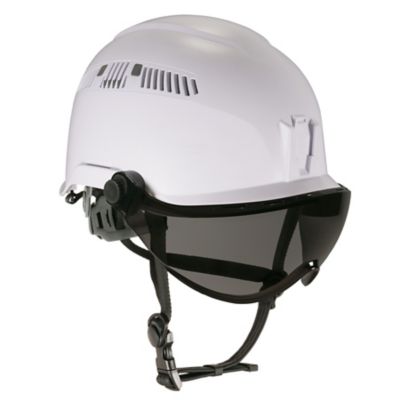
Type 1 Class E hard hats are made for work where protection from objects falling or striking the top of the head goes hand in hand with electrical safety. Type 1 refers to protection against vertical impact, such as a dropped tool, piece of lumber, or other material coming down from above. Class E indicates that the hard hat is designed for electrical work and tested for dielectric protection up to 20,000 volts AC when used as directed. These hard hats are commonly chosen for utility linework, electrical maintenance, general construction, equipment installation, industrial repair, and other jobs where overhead hazards and energized systems may be part of the work area. They are also a practical choice for farm and ranch projects that involve building repairs, elevated equipment, wiring, fencing, or work around barns and outbuildings. A hard hat cannot prevent every injury, and it does not replace safe work practices, lockout procedures, or the rules set by an employer or jobsite. Before buying, check the markings inside the shell and the manufacturer’s information to confirm the Type 1 and Class E rating matches the work being done. Class E designs are generally non-vented because openings in the shell can affect electrical protection. That makes them especially important to consider for work around power lines, service panels, transformers, and other electrical hazards. Anyone using one should also follow the required clearance distances and jobsite procedures for energized equipment.
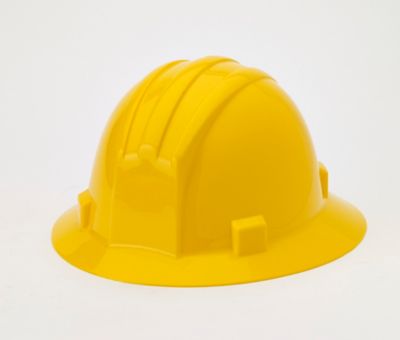
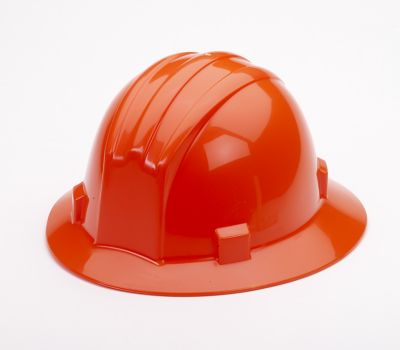
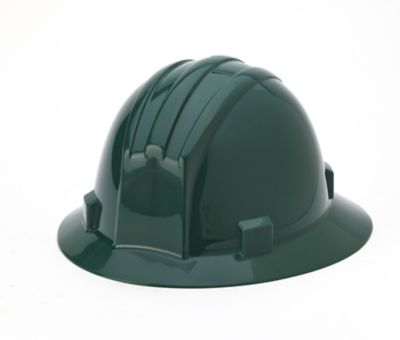
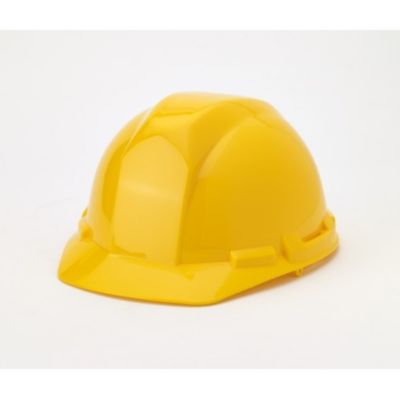
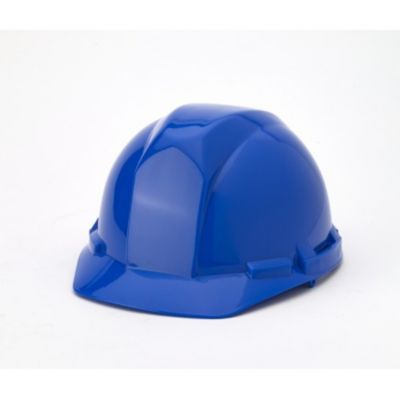
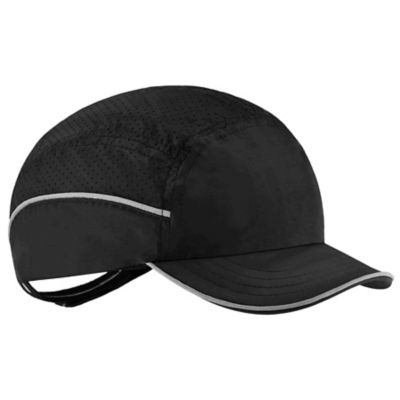
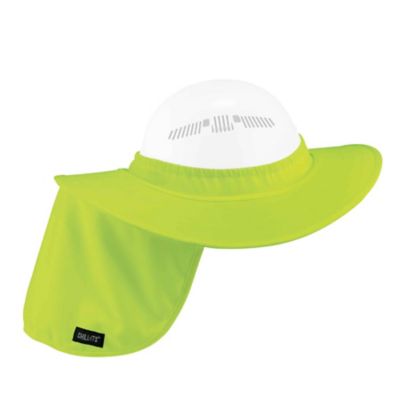
The shape and fit can make a big difference during a long day outside. Cap-style hard hats have a short brim in front and can feel familiar to people who already wear a ball cap, while full-brim styles extend protection around the sides and back of the head and can offer more coverage from sun and light rain. A full brim can be handy when moving between an open field, a dusty work area, and the shade of a building, while a cap style may suit workers who need a compact profile around machinery or tight spaces. Look for an adjustable suspension that sits securely without pinching, along with a sweatband or moisture-managing padding if the hard hat will be worn for hours at a time. Ratchet suspensions are easy to fine-tune with one hand, even while wearing gloves, while pin-lock suspensions can provide a dependable fit when adjusted to the wearer’s head size. The hard hat should sit level, leave room for comfortable movement, and stay in place when the wearer bends, climbs, or turns to check equipment. Avoid decorating, drilling, cutting, or modifying the shell, since those changes may affect its protective performance. Accessories should be made for the specific hard hat and should not interfere with the suspension or electrical rating. For extra comfort in bright sun, a compatible
Hard Hat Shade Cover may help reduce glare and keep the shell cooler, but it should be used only when approved for the hard hat and work conditions. Keep the brim, suspension, and shell clean enough to inspect, and avoid storing the hard hat on a truck dash, near a heater, or anywhere prolonged heat and sunlight can weaken the materials.
A Type 1 Class E hard hat can be a useful addition to a crew’s shared safety supplies or a thoughtful gift for someone starting an electrical trade, construction job, utility apprenticeship, or farm maintenance project. It is also worth keeping a properly fitted spare on hand for a visiting contractor or a family member helping with a building repair. Before handing one over, make sure the size can be adjusted and that the intended wearer understands the rating and limits. Inspect the shell for cracks, dents, deep scratches, brittleness, discoloration, or other signs of damage before each use. Check the suspension for stretched straps, torn fabric, broken tabs, or worn adjustment parts, and replace damaged components with parts approved for that hard hat. A hard hat that has taken a significant impact should be removed from service even if there is no obvious mark; the shell or suspension may have absorbed damage that cannot be seen from the outside. Many manufacturers also recommend replacing the shell and suspension on a set schedule based on age, use, storage, and exposure, so keep the product instructions available and follow them. During the warmer part of the year, a breathable sweatband and a secure fit can make it easier to keep the hard hat on through a full day of fencing, roofing, or equipment work. As the weather turns cooler, make sure winter liners, earmuffs, face shields, and other accessories are approved for the hard hat and do not interfere with its fit or electrical protection. Choosing the right style, suspension, coverage, and certification helps workers stay prepared from the first trip to the jobsite through the last chore of the day.