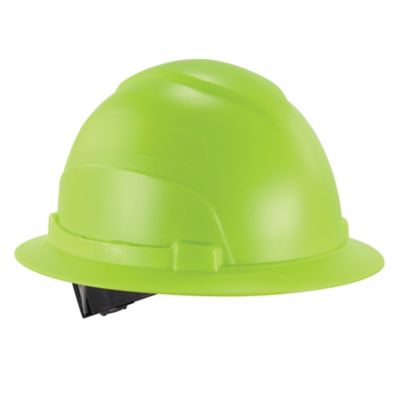
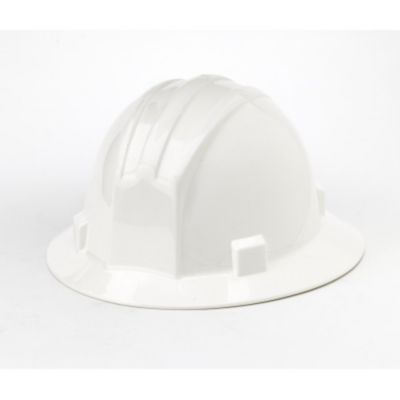
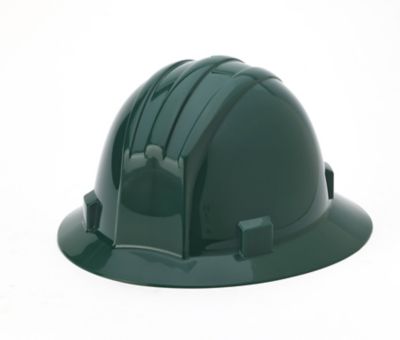
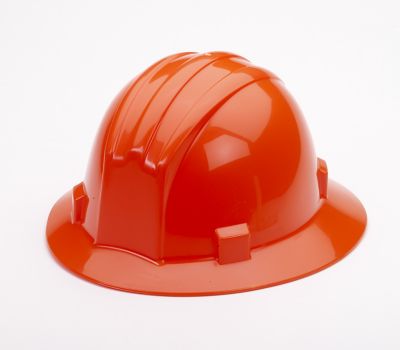
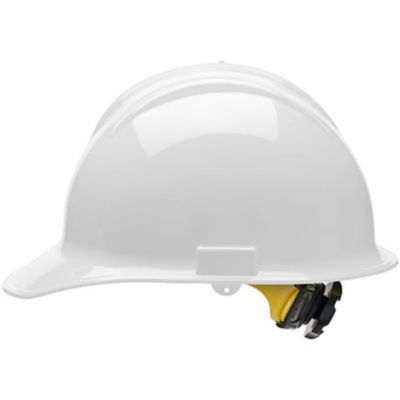
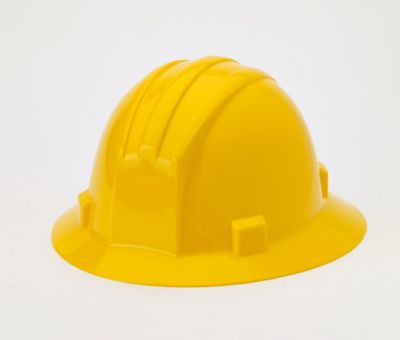
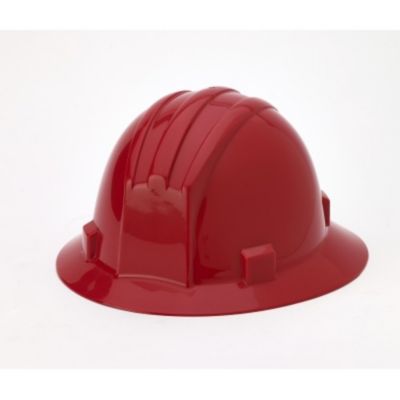
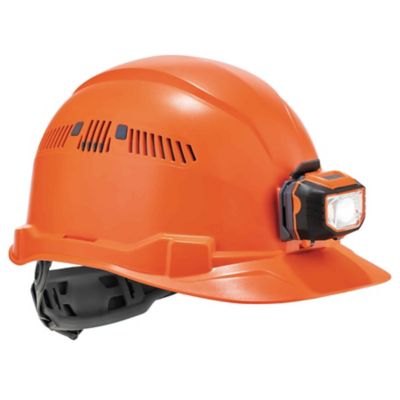
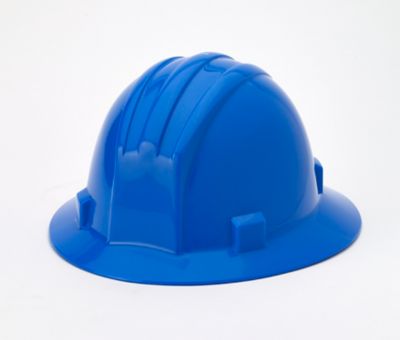
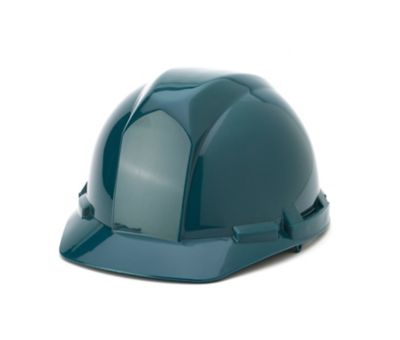
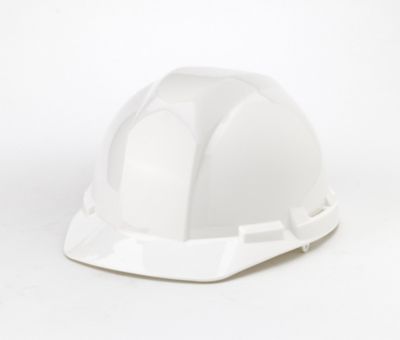
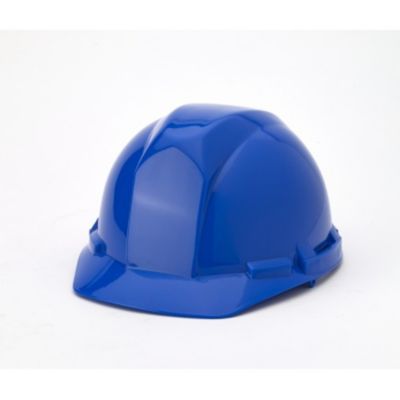
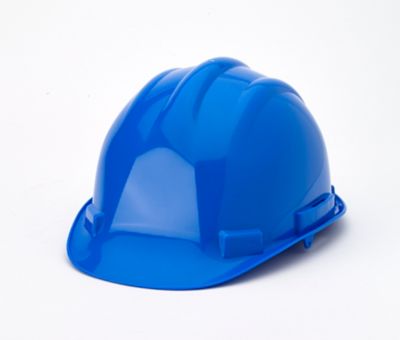
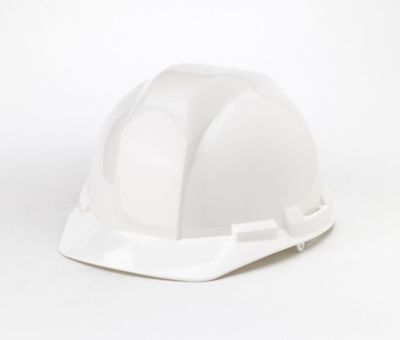
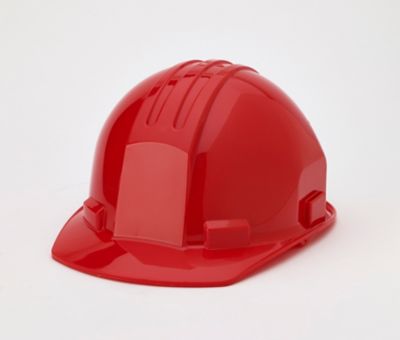
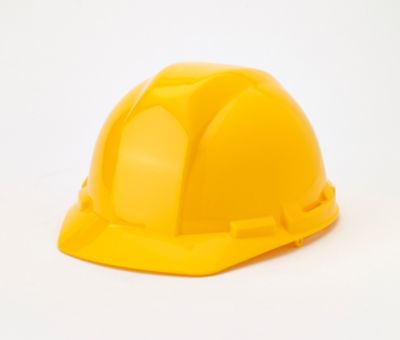
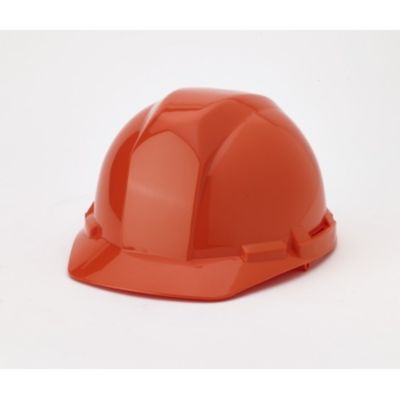
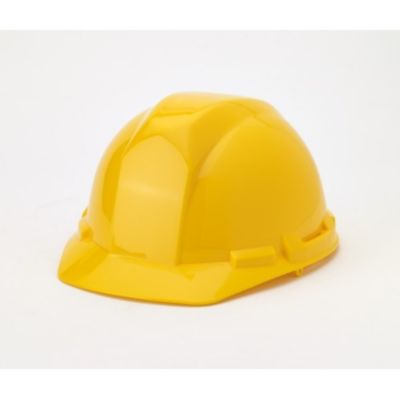
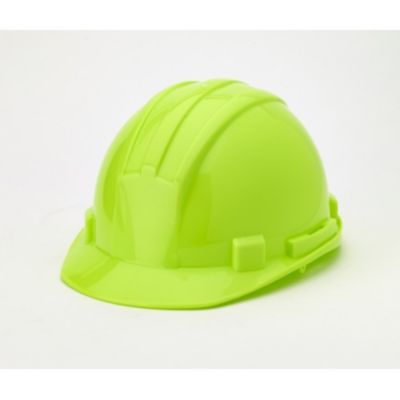
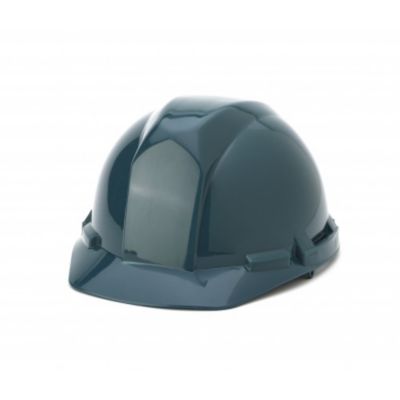
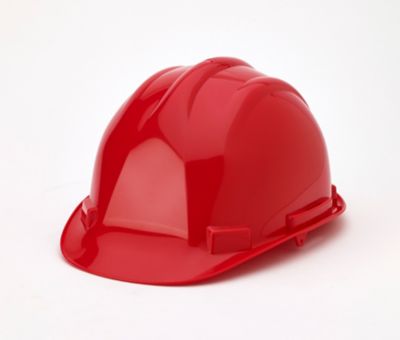
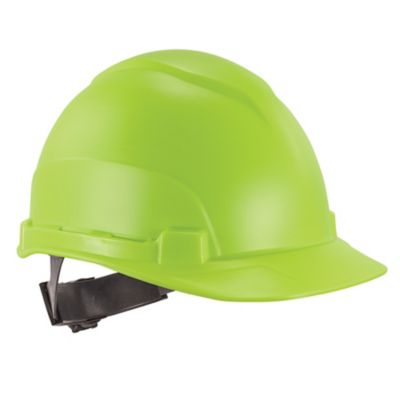
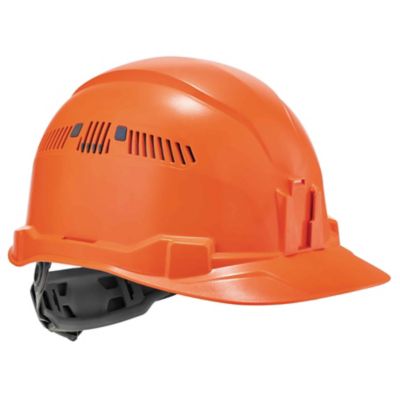
Full brim hard hats belong on jobs where head protection is part of getting the work done, from framing a barn addition to handling materials at a lumber yard or working around overhead construction. Their brim extends around the shell rather than stopping at the front, giving them a different profile from cap-style hard hats. That wider edge can help direct some falling debris away from the collar, but the helmet’s protective performance comes from its tested shell and suspension system, not the brim alone. Falling-object hazards, contact with fixed structures, and electrical exposure all call for protection matched to the task. For farm crews, contractors, maintenance workers, and equipment operators who move between different work areas, that match matters more than appearance. A full brim shape is one part of the choice; the protection rating, fit, and compatibility with other safety gear carry just as much weight. Common shell materials include high-density polyethylene, ABS plastic, and fiberglass-based materials, each with characteristics that affect weight, feel, and suitability for particular work environments. Material alone does not tell the whole story, though. The manufacturer’s markings and instructions establish what a helmet is designed to handle. A lighter shell may feel easier to wear through a long stretch of work, while a different construction may suit the demands of a particular trade. Neither shell thickness nor a heavy feel proves that one hard hat offers more protection than another. The suspension inside helps manage impact forces and maintains the intended space between the head and shell. Together, those parts form a protective system that needs to stay intact. A brim that clears the shoulders, a shell that does not crowd nearby equipment, and a suspension that stays settled during normal movement all contribute to a practical fit. Around farm buildings and busy jobsites, head protection should complement safe work practices, equipment guards, and clear work zones rather than stand in for them.
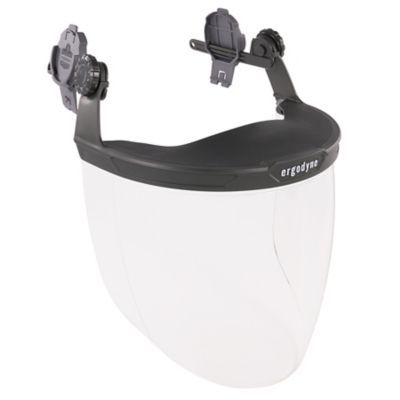
Fit makes a noticeable difference when a hard hat stays on for hours instead of just a quick walk through a work area. A helmet that slides down over the eyebrows or rocks backward with every bend can become a distraction, while a headband pulled too tight can create pressure points. Ratchet and pin-lock suspensions offer different ways to adjust the headband, and some designs also provide height settings to change how the shell sits. The right adjustment keeps the helmet secure without squeezing, with the suspension seated as the manufacturer intends. Head size ranges vary, so a familiar hat size is not enough to establish whether a hard hat will fit. Sweatbands, suspension contact points, and overall balance also influence comfort, especially for crews moving between measuring, lifting, fastening, and checking equipment. Comfort features still need to work within the helmet’s protective design. Extra padding, a thick cap, or an unapproved liner can change how the suspension functions. Protection markings deserve the same attention as fit. Under ANSI/ISEA Z89.1 classifications, Type I hard hats address impacts to the top of the head, while Type II hard hats address top and lateral impacts. Electrical classifications are separate: Class G and Class E indicate different electrical protection categories, while Class C offers no electrical protection. A nonmetallic appearance does not establish an electrical rating, and a rating does not replace the precautions required for electrical work. Ventilation, attachments, and the complete helmet configuration can matter when matching protection to a job. Where flying particles or splashes are part of the work, compatible
Hard Hat Face Shields can add task-appropriate face protection. Face shields generally supplement rather than replace the safety glasses or goggles required for the hazard. Mounting hardware needs to match the helmet, and the full brim must leave enough clearance for the shield to move and sit correctly. Earmuffs and other attachments also need approved connections, so the full setup works together without loosening the fit or interfering with protection.
Service life depends on more than how a hard hat looks hanging by the shop door. Daily handling, repeated contact with rough surfaces, chemical exposure, and wear in the suspension can all affect whether it belongs on the next job. A shell may still look tidy while the headband has stretched or an attachment point has begun to fail. Cracks, dents, brittleness, chalking, frayed straps, and damaged adjustment hardware are reasons to take a closer look and follow the manufacturer’s replacement directions. A hard hat that takes an impact should come out of service even when damage is not easy to see. Replacement schedules differ among manufacturers and work environments, so there is no single calendar rule that fits every helmet. Shell and suspension replacement intervals may also differ. Keeping track of the date placed in service makes those decisions easier, especially where several crew members have similar-looking gear. Regular cleaning with a manufacturer-approved method helps remove sweat and jobsite grime without introducing substances that might weaken the shell or straps. Solvents, paint, drilled holes, and unapproved attachments can compromise the protective system; stickers and markings also need to follow the helmet maker’s directions. Storage matters between jobs, too. A designated spot away from crushing loads, chemical containers, and loose tools helps keep the shell and suspension from taking damage before the next shift. Replacement suspensions and sweatbands need to be specified for the helmet rather than chosen simply because they seem to fit. For a crew working out of a shared shop or moving between a farm and construction sites, keeping each person’s helmet properly adjusted and clearly identified can cut down on mix-ups. Color may help distinguish roles or make a worker easier to spot, but it does not establish the helmet’s protection level or replace required high-visibility clothing. The practical choice is a full brim hard hat that meets the worksite’s requirements, fits the wearer, and accommodates the rest of the required protective equipment without getting in the way.