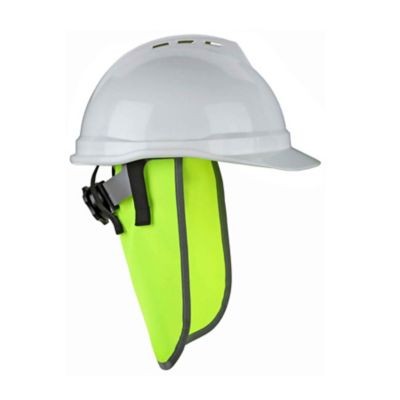
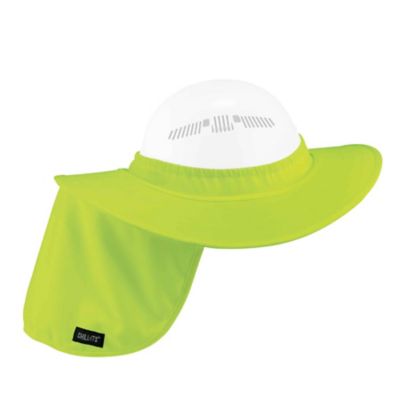
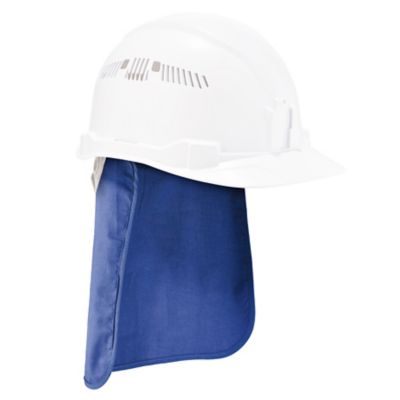
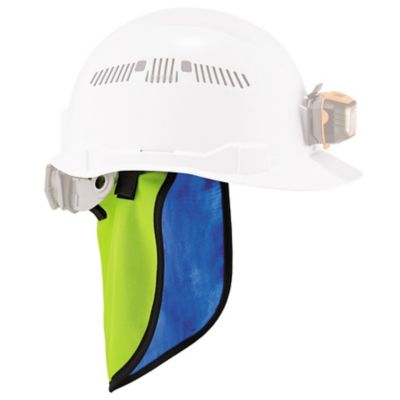
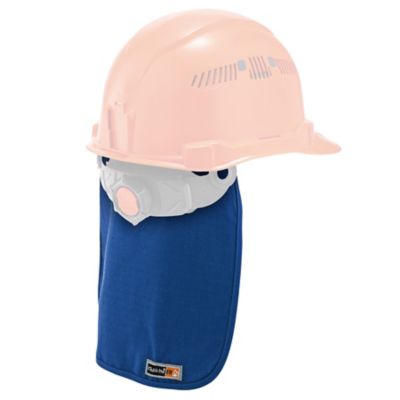
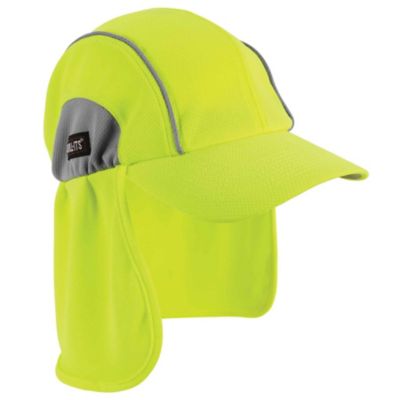
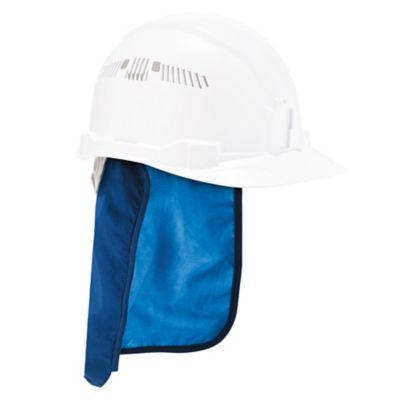
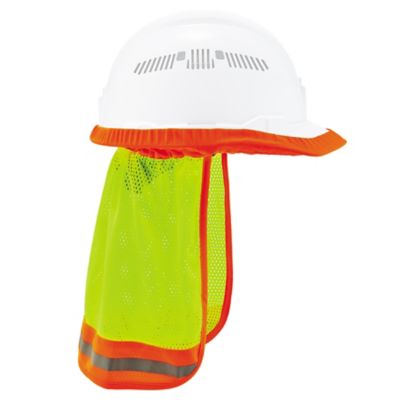
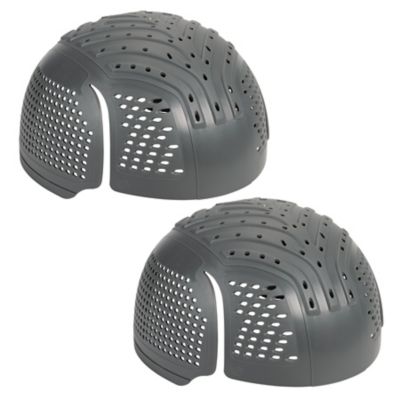
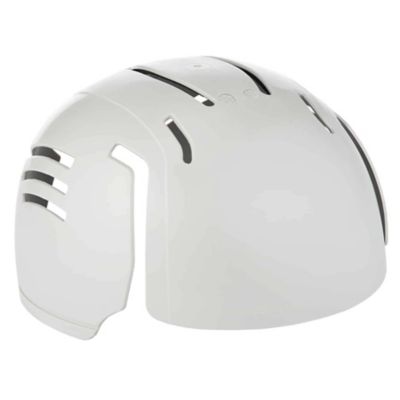
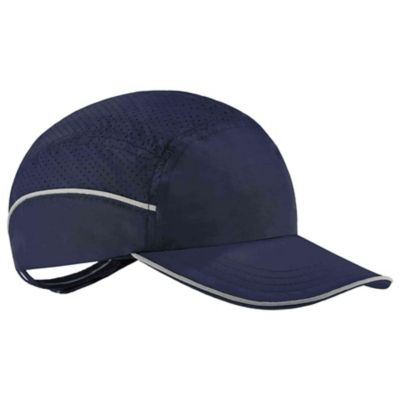
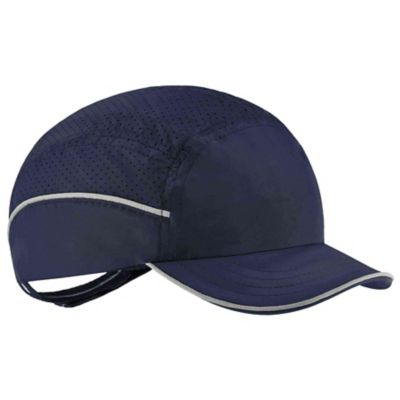
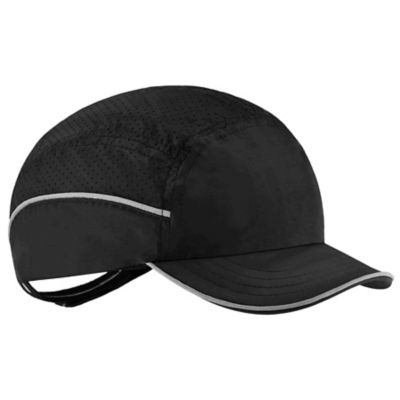
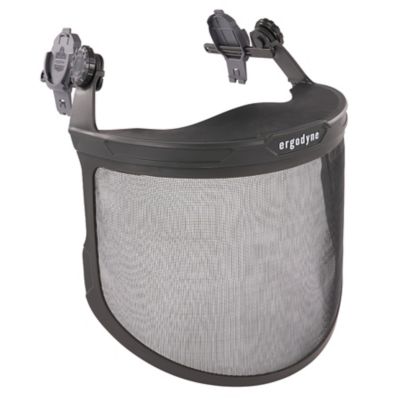
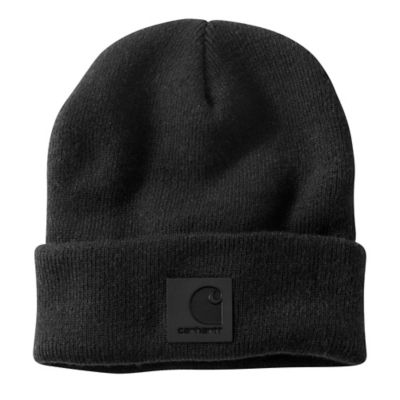
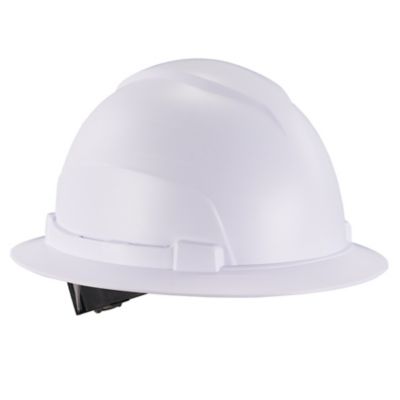
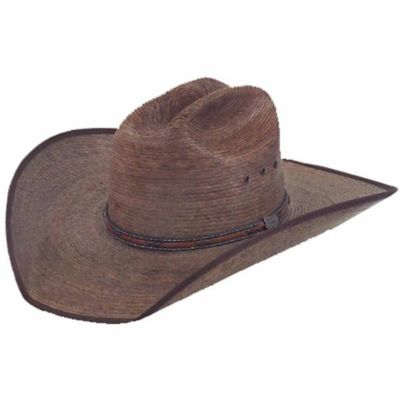
A hard hat shade cover is a practical add-on for people who spend long hours working outdoors, especially when direct sunlight beats down on the top of the helmet and the back of the neck. These covers are made to slip, stretch or fasten over a compatible hard hat, adding shade without replacing the protective headwear required for the job. Depending on the style, a cover may include a wider visor brim to help shield the eyes, a neck drape that hangs over the collar, or breathable panels that allow air to move around the head. Outdoor crews, farmers, ranch hands, utility workers, road and construction crews, landscapers, surveyors, roofers and other workers who move between open fields and exposed job sites may find this extra coverage useful during the warmer part of the year. Even on cooler days, the sun can reflect off pale gravel, concrete, metal roofs and equipment, making a little added shade welcome by the end of a long shift. A hard hat shade cover can also be handy for maintenance workers, event crews and anyone helping with fencing, barns, tree work or property repairs. For workers who already have a dependable hard hat, this type of accessory offers a simple way to improve comfort without adding much weight or bulk. It can be a thoughtful gift for a new apprentice, a family member working outside, or the person who always seems to be tending a farm project, clearing brush or repairing equipment. Look for a cover that matches the shape of the hard hat it will be worn with. Cap-style hard hats and full-brim hard hats have different profiles, and a cover designed for one may not sit correctly on the other. A secure fit helps keep the shade in place when a breeze picks up, while a loose or poorly matched cover can shift, flap or interfere with normal movement.
Material and construction make a noticeable difference when work stretches from early morning into the afternoon. Lightweight polyester, mesh and other breathable fabrics can help air circulate, which is useful when the temperature climbs or the job calls for steady physical effort. A neck flap or drape provides more coverage behind the ears and across the back of the neck, where a shirt collar may not offer much protection. Wider brims can help reduce glare and keep some direct sunlight out of the eyes, though they should not block the wearer’s view or get in the way around ladders, machinery or low branches. For jobs near traffic, equipment or other active work areas, consider high-visibility colors and reflective details that make a worker easier to spot in changing light. Bright fluorescent orange, yellow or lime shades may stand out against soil, pavement and vegetation, while reflective strips can catch headlights or work lights. Visibility needs vary by workplace, so check the job’s safety rules and any required high-visibility apparel before choosing an accessory. It is also worth checking how the cover attaches. Elastic bands can make for quick installation, while hook-and-loop closures, straps or gripping edges may provide a more adjustable fit. The attachment should hold firmly but still allow the cover to be removed for cleaning. Before purchasing, compare the listed size and hard hat compatibility, and think about whether the wearer uses earmuffs, a face shield, a headlamp or other accessories. Some covers are shaped to leave room for helmet accessories, but not every style will work with every setup. A cover should never obstruct a face shield, hearing protection, ventilation opening or other part of the hard hat, and it should not be used to alter the fit or condition of the helmet itself. Keeping the cover clean matters, too. Dust, sweat, pollen and job-site grime can collect in the fabric, so follow the care instructions and let it dry fully before storing it. A clean, dry cover is more comfortable against work clothing and easier to keep ready for the next shift.
As the weather warms, a hard hat shade cover can make outdoor work feel a little more manageable by adding a layer of shade where the helmet alone leaves skin exposed. During the cooler months, it may still be useful on bright afternoons, particularly for workers who spend time in open areas without much natural cover. A simple cover can ride in a truck cab, tool box or work bag and be added when the day turns sunny, making it a convenient piece of gear for changing conditions. When comparing options, start with the wearer’s typical work environment: open pasture, dusty construction ground, wooded property, roadside shoulder and sunny rooftops each call for slightly different priorities. A mesh design may suit hot, active work, while a fuller neck drape may be preferred where sun exposure is the main concern. Bright colors may be important for visibility, while a more subdued shade may fit general property work where visibility requirements are less demanding. Consider how often the accessory will be put on and removed, whether it needs to fit over a full-brim or cap-style helmet, and how easily it can be washed after a dusty shift. A cover that packs flat and weighs very little is convenient for workers who move from one task to another, while a sturdier attachment system may be worthwhile for windy fields or exposed job sites. These accessories are not a substitute for sunscreen, protective eyewear, proper hydration, breaks in the shade or the safety practices required by the workplace, but they can add useful coverage to a complete outdoor work setup. For more headwear ideas suited to sunny chores, fieldwork and time spent outside, browse
Hats For Outdoor Workers. Whether it is being added to a daily work kit or tucked into a gift for someone who earns their living outdoors, the right hard hat shade cover can help bring welcome shade, comfort and visibility to long days on the job.