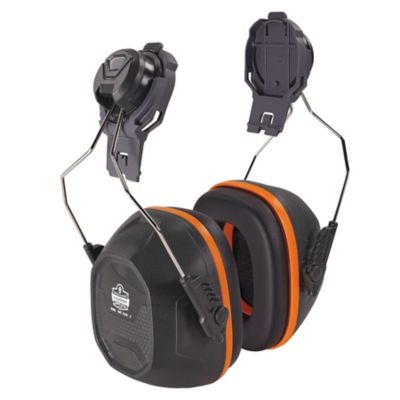
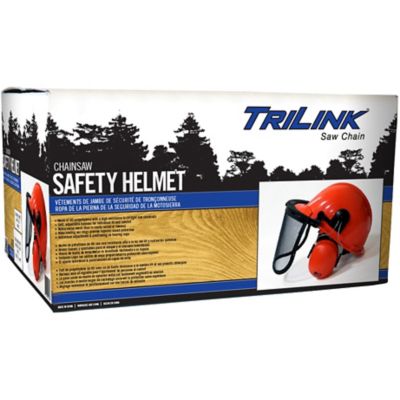
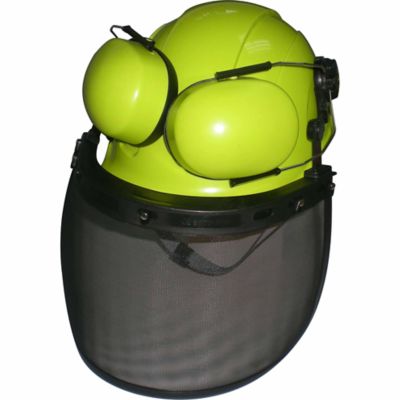
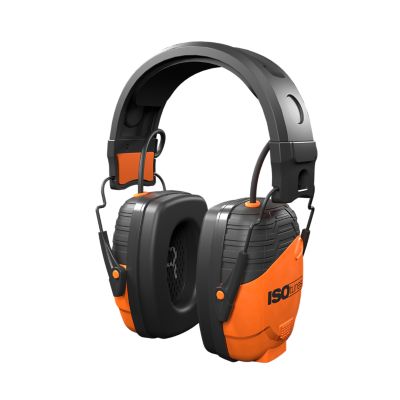
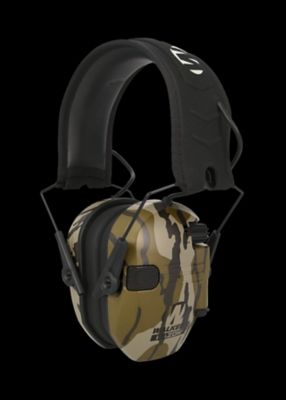
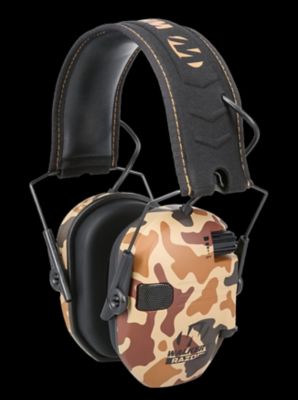
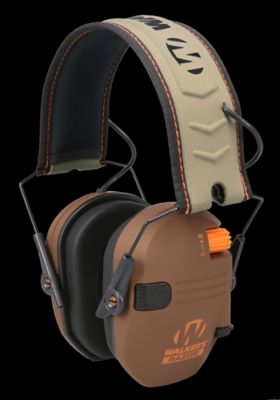
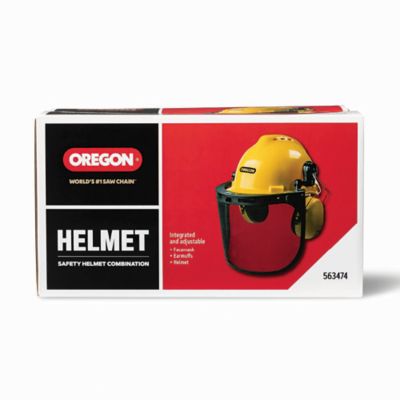
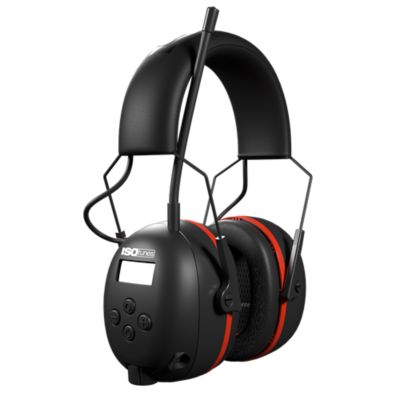
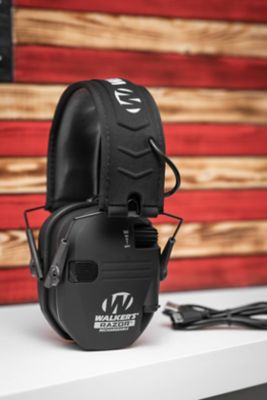
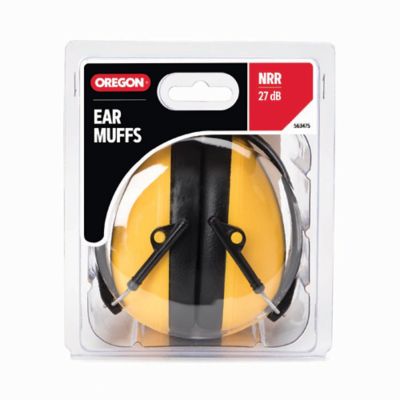
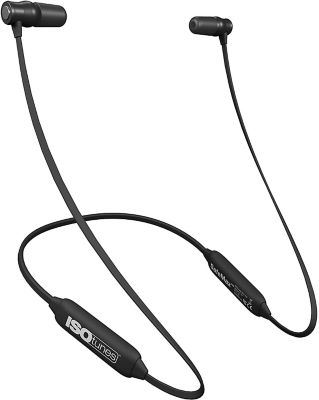
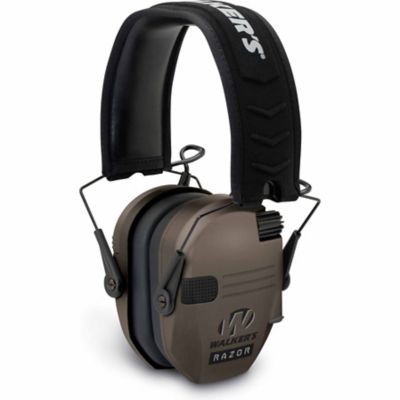
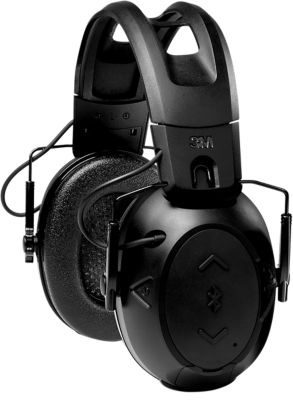
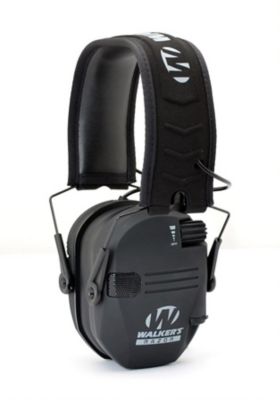
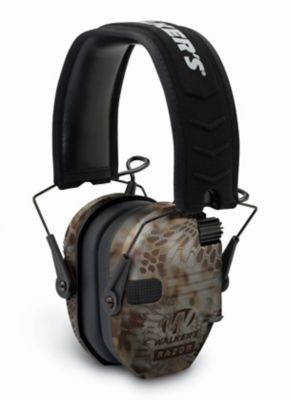
Ear muffs for hard hats give workers a practical way to protect their hearing while keeping required head protection in place. These cap-mounted hearing protectors attach to the side slots on a compatible hard hat or safety helmet, then cover the ears with padded cups that help reduce exposure to loud equipment and jobsite noise. They’re commonly used around tractors, mowers, chainsaws, generators, compressors, grinders, nail guns, concrete tools, livestock facilities, and other machinery that can make a steady roar or sudden burst of sound. They’re also handy for construction crews, road and utility workers, maintenance teams, farmers, ranchers, arborists, and anyone who spends long hours near running equipment. During the cooler months, an earmuff-style protector can feel especially comfortable compared with separate earplugs, since the cups help block sound while adding a little warmth around the ears. A good fit matters more than simply choosing the highest-looking number on the package. Check the Noise Reduction Rating, or NRR, to compare the amount of noise reduction a protector is designed to provide under testing conditions, and follow the label directions for fitting, use, cleaning, and replacement. The stated rating is not a guarantee of the exact protection every person will receive, especially when the cups do not seal evenly or when other gear gets in the way. Hair, hat brims, eyewear, hooded sweatshirts, and safety glasses can all affect the seal. For very loud work, an employer or safety professional may require hearing protection with a certain rating or the use of earplugs together with ear muffs. Always follow workplace rules, equipment instructions, and applicable hearing-conservation requirements rather than relying on a product rating alone.
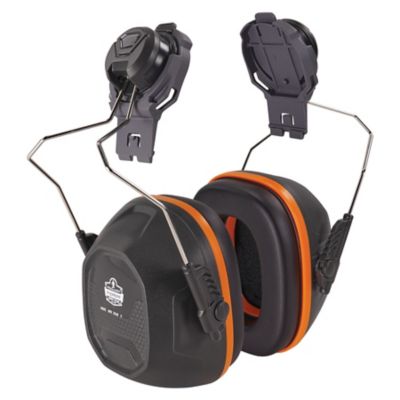
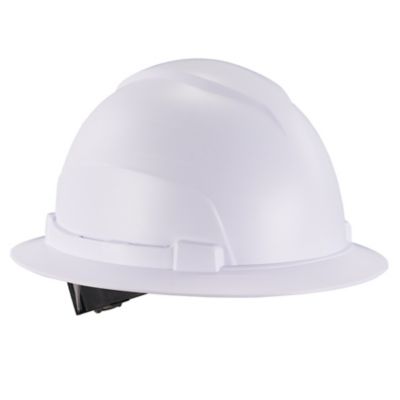
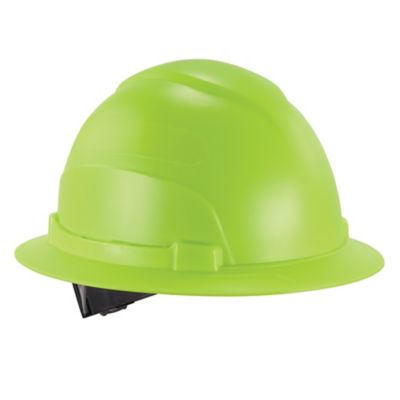
Before adding ear muffs for hard hats to a cart, take a close look at how they mount to the headgear you already use. Many hard hats have universal side slots, but not every slot-mounted accessory fits every hard hat, safety helmet, full-brim style, or rail system. Cap-style and full-brim designs may use different mounting arrangements, and some helmets have dedicated 30 mm accessory slots or other rails that require a matching attachment. A snug fit should feel secure without forcing the arms, bending the shell, or leaving the cups crooked over the ears. If the hard hat does not have compatible side slots, a model intended for a different mounting system may not attach properly. It is worth checking the hard hat manufacturer’s accessory guidance and the ear muff package before buying, especially when outfitting a crew with more than one style of head protection. Positioning features can make a noticeable difference during a busy workday. Some designs allow the cups to click down over the ears for active use, move up into a standby position when noise levels drop, or swing back for storage when the hard hat is not being worn. Look for comfortable cushioning, smooth adjustment points, and enough room inside the cups to surround the ears without pressing hard against them. Foam or fluid-filled cushions can help create a softer seal, while wider openings may be more comfortable for people with larger ears. Inspect the cushions, mounting arms, and shell regularly for cracks, hardening, stretching, or other wear. Dust, sweat, mud, and sawdust can build up around the seal, so clean the parts as directed and replace worn cushions or damaged components. A protector that is easy to adjust and maintain is more likely to be worn consistently from the morning chores through the last cleanup of the day.
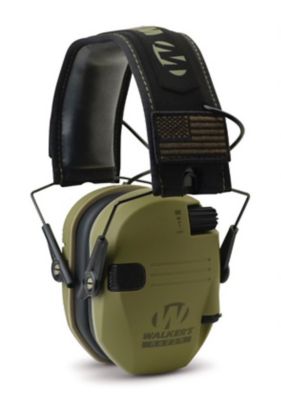
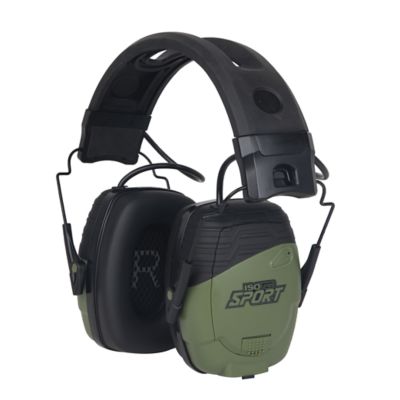
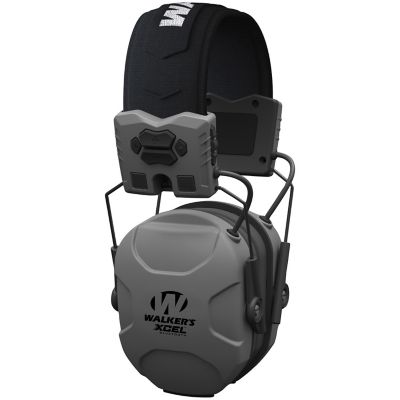
Passive ear muffs use insulating materials and a sealed cup to reduce sound without batteries or wireless features, making them a straightforward choice for steady noise around equipment and tools. Electronic hearing protectors may add features such as Bluetooth audio or sound pass-through, but they still need to provide the required hearing protection and should be used according to the manufacturer’s instructions. Audio features can be convenient, yet they should never prevent a worker from hearing alarms, warning signals, coworkers, approaching vehicles, or changes in machinery. Electronic or passive, the protector must fit correctly and remain compatible with the hard hat and any other required personal protective equipment. If work takes place near electrical hazards, check whether a dielectric or non-conductive construction is required; metal components or unapproved accessories may not be suitable for that environment. Ear muffs for hard hats can be a thoughtful gift for a farmer, contractor, equipment operator, volunteer, or new crew member who spends time around loud tools, though the recipient’s hard hat style and work requirements should guide the selection. They can also be useful for keeping a spare set in a truck, shop, barn, or equipment shed, where hearing protection is easy to reach when a repair turns into a noisy job. Keep them stored away from direct sun, excess heat, chemicals, and sharp tools, and avoid modifying the hard hat or mounting system to make an accessory fit. For other kinds of protective headgear used around the farm or at the stable, browse
Equestrian Helmets. Choosing compatible, comfortable protection and wearing it whenever noise reaches unsafe levels can help make hearing safety a natural part of the work routine, whether the day starts with a cold engine in the barnyard or ends with equipment being put away at dusk.