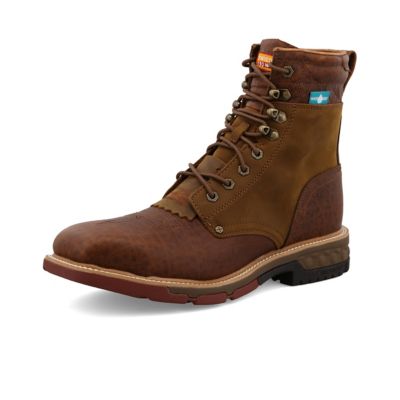
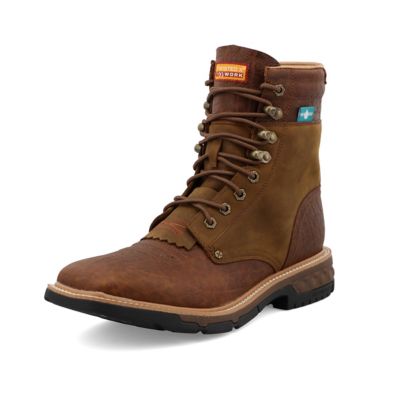
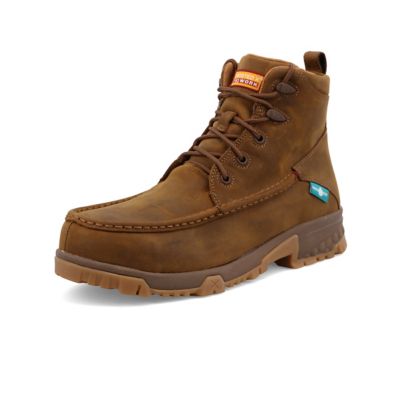
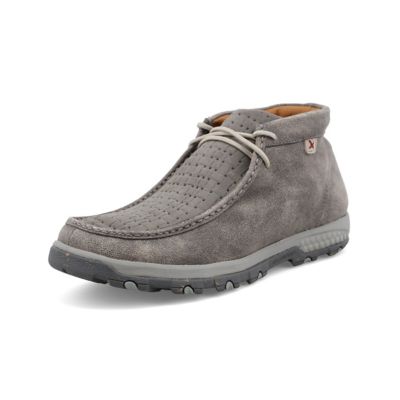
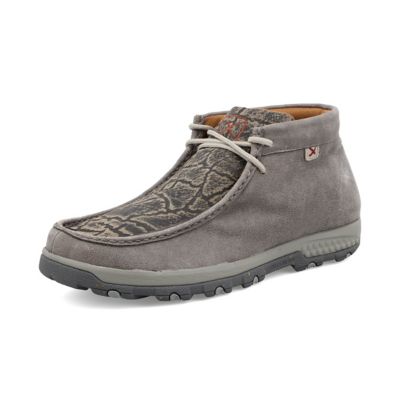
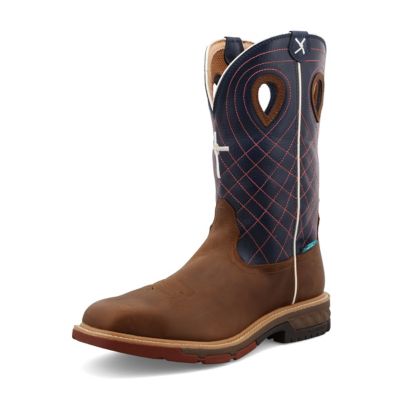
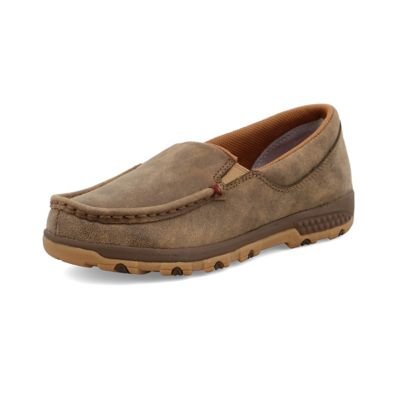
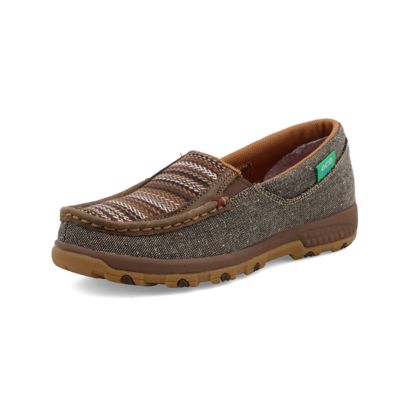
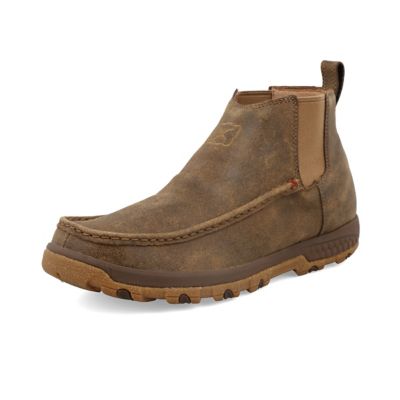
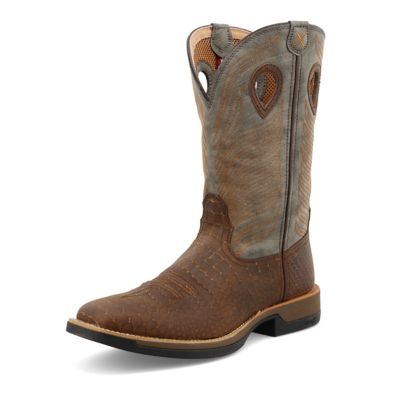
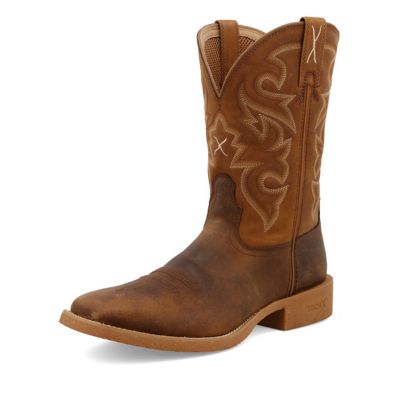
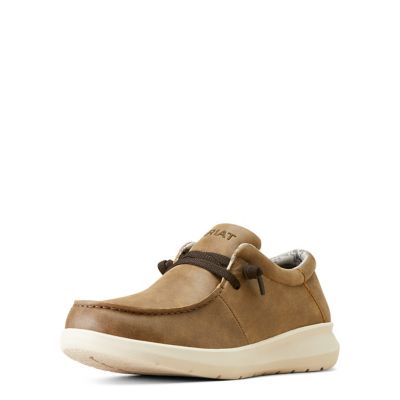
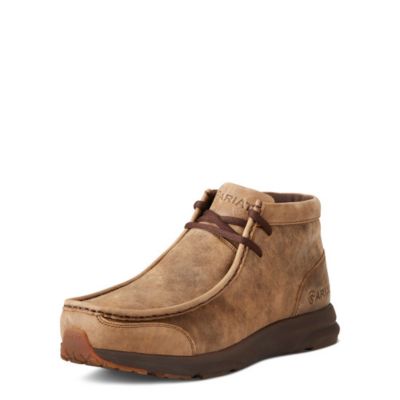
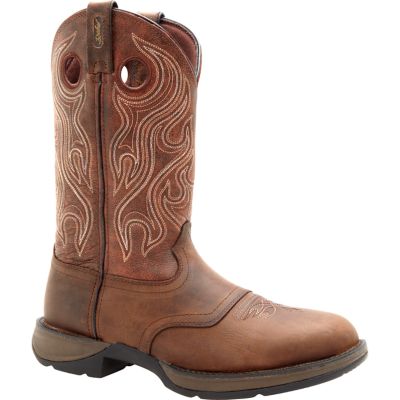
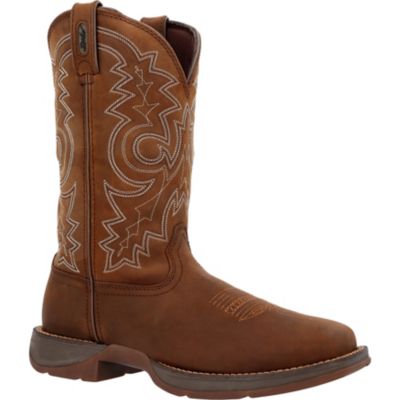
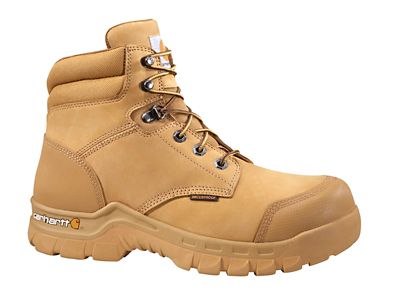
CellStretch is a footwear comfort technology that uses an interconnected network of internal cells to compress, stretch, and rebound with each step, engaging more than 100 pressure points across the ball and heel of the foot. That cushioning system is designed to respond as weight shifts, whether someone is walking across a shop floor, standing at a counter, or heading from the house to the truck. The cells work within the footwear rather than on the ground-facing tread, so cushioning and traction are separate features to consider. Softness underfoot can make a pair feel inviting, but the upper, outsole, heel shape, and overall fit still determine how it handles a full day. Footwear built around this technology can suit different routines, from everyday errands and time behind the wheel to work that calls for a more structured boot. Moc-inspired construction has a relaxed look that pairs easily with jeans, while a boot silhouette offers more coverage around the ankle and a different feel through the heel and instep. Neither shape tells the whole story about job suitability. A comfortable casual shoe is not automatically a work boot, and cushioning alone does not establish protection for a jobsite. For someone moving between an office, a parts counter, and a few stops around town, easy walking comfort may take priority. Someone spending hours on concrete in a repair shop may put more weight on underfoot support, outsole construction, and the requirements of the work. The useful distinction is how the whole shoe comes together: responsive cushioning beneath the foot, an upper that holds it securely, and a sole suited to the surfaces ahead. CellStretch describes the cushioning technology, not a promise that every pair has the same materials, safety features, or intended purpose. That makes the construction details just as important as the comfort description when choosing footwear for a particular routine.
Materials affect how footwear feels from the first try-on and how it settles in over time. Leather uppers can develop creases and a broken-in feel, while textile panels may offer a lighter, more flexible feel, depending on their weave and placement. Lining materials, seams, and padding also influence comfort, especially around the heel and the top of the foot. A stitched moc-style toe creates a different shape and flex pattern than a more structured work-boot upper, and a taller shaft changes how a boot fits beneath jeans. Fit deserves a close look even when the underfoot cushioning feels soft. Toes need room to rest naturally without pressing against the front or sides, and the ball of the foot should sit near the shoe’s natural flex point. A snug instep can help hold the foot in place, but squeezing, tingling, or pressure across the top of the foot are not signs of a good match. Some leather may soften with wear, but extra length or toe room should not depend on stretching. Trying footwear with the socks intended for the day gives a better sense of the fit than switching between thin everyday socks and thick work socks afterward. Lace-up construction allows adjustment across the instep, while pull-on designs depend more heavily on the relationship between the heel, instep, and opening. For work settings, outsole tread and stated performance features matter alongside fit. Loose gravel, smooth concrete, and shop floors present different footing concerns. A protective toe, electrical hazard designation, or slip-resistance claim should come from the pair’s labeling and specifications, not its rugged appearance. Where workplace rules apply, those requirements take precedence over styling preferences. Removable footbeds can also matter for someone who wears an orthotic, but added inserts change the space inside a shoe. Enough depth, steady heel placement, and freedom through the toes remain important after any insert goes in.
Day-to-day care helps footwear keep its shape and keeps small wear issues from becoming bigger ones. Leather, textile, and mixed-material uppers call for different cleaning approaches, so the care directions for the material are worth keeping handy. A soft brush can lift loose dirt from seams and tread before it gets worked farther into the shoe. Leather may benefit from a suitable cleaner or conditioner, though treatments can darken some finishes and should match the leather type. Textile sections generally need a different approach, and soaking an entire pair can affect linings, adhesives, or the shape of the upper. Gentle cleaning and air-drying away from direct heat are sensible starting points unless the care label says otherwise. If the interior becomes damp from a long day of wear, opening the footwear and removing the footbed, when it is designed to come out, can help it dry. Giving pairs time to air out between outings also helps keep the inside more comfortable. An occasional look at the outsole, heel lining, stitching, and laces can reveal worn spots before the next long shift. Cushioning deserves attention, too: a pair that feels noticeably flatter or lets the foot move differently may no longer provide the same experience it did at the start. For everyday outfits, the easygoing shape of comfort-focused footwear works with straight-leg jeans, work pants, and shirts that can go from chores to a trip into town. Broader
Cowboy Workwear choices can help round out that practical, Western-influenced look without making every piece feel dressed up. Comfort-focused footwear can also be a thoughtful gift for someone who spends plenty of time on their feet, whether that means managing a store, working around the farm, or handling a busy household. Knowing the recipient’s size, usual sock thickness, preferred closure, and workplace requirements makes the choice more personal and practical. The best match is a pair that fits the person’s real day, with cushioning, construction, and care needs that make sense from the first step to the last stop.