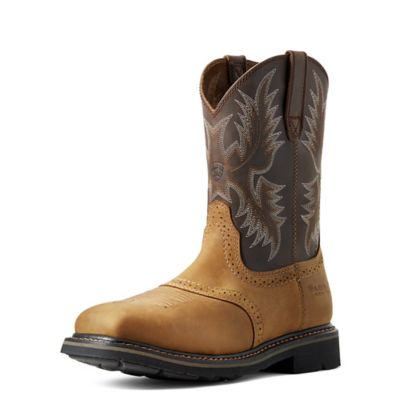
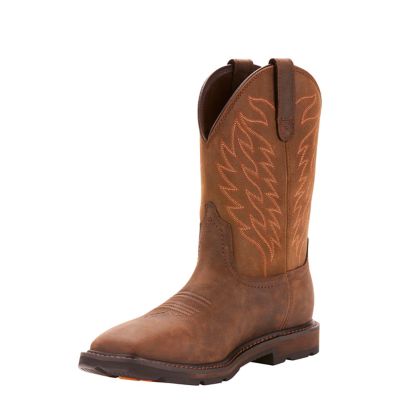
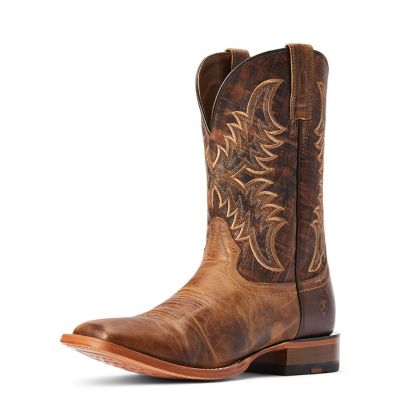
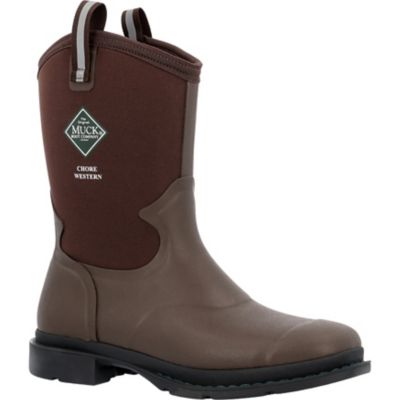
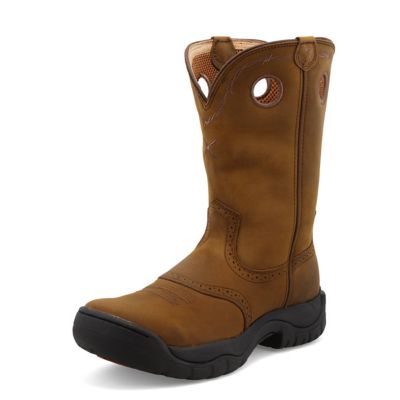
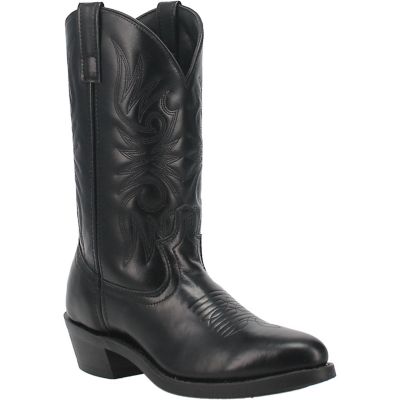
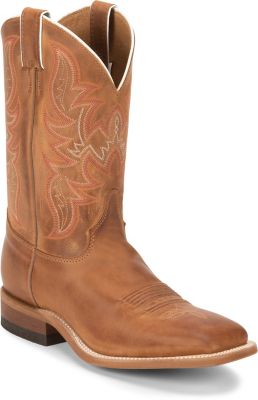
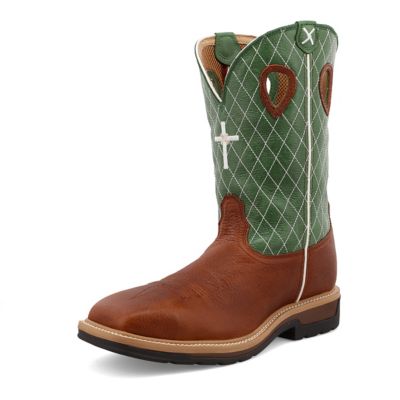
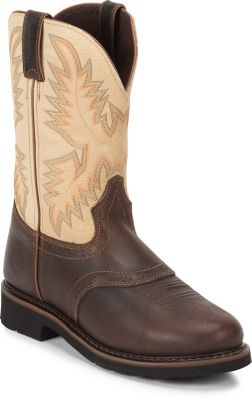
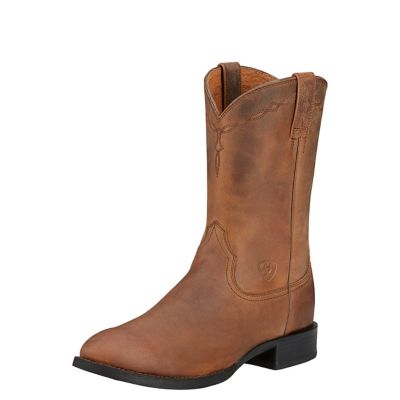
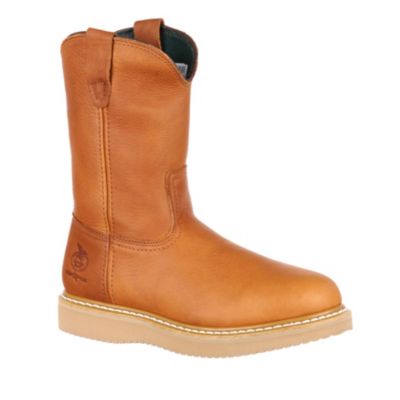
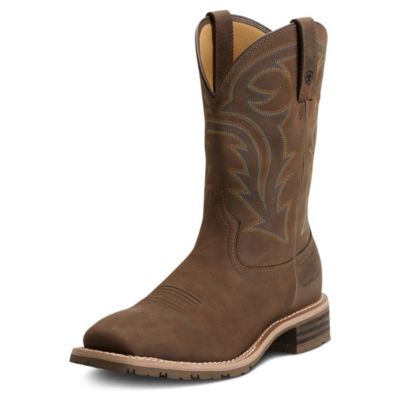
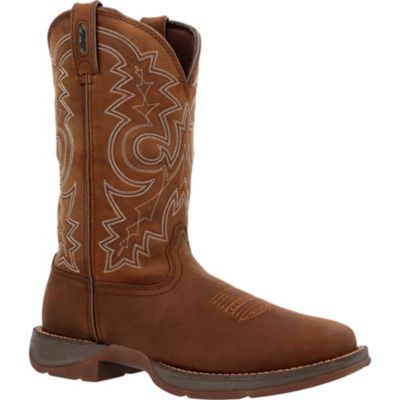
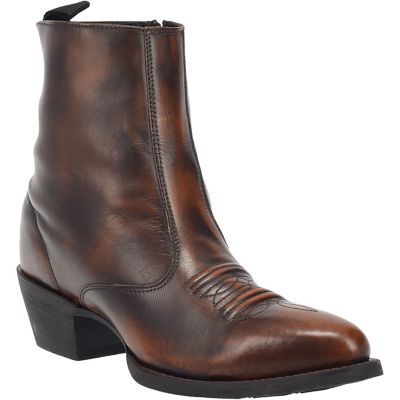
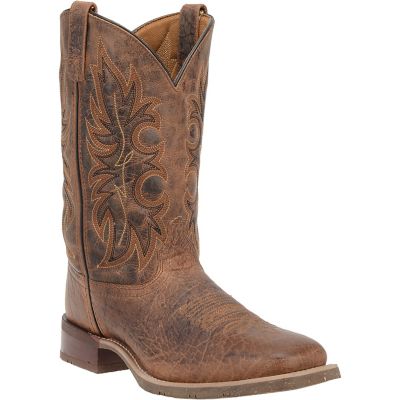
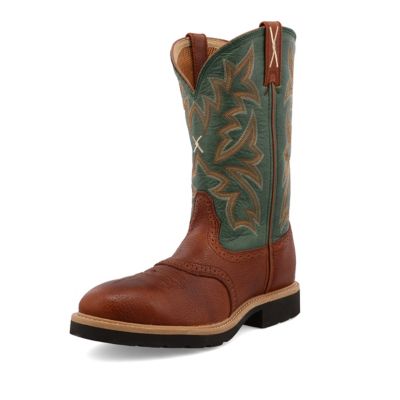
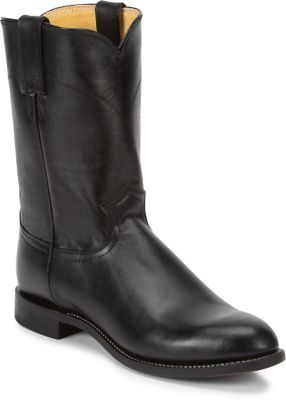
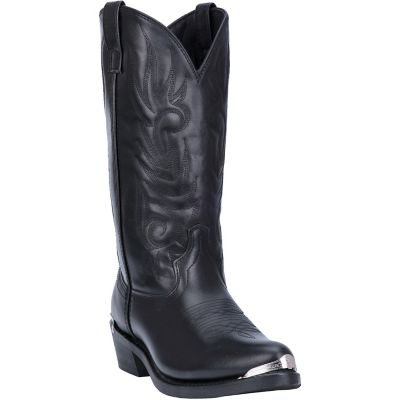
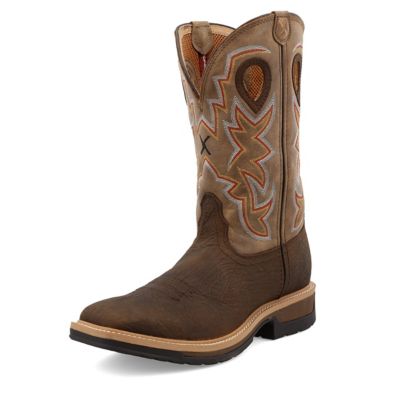
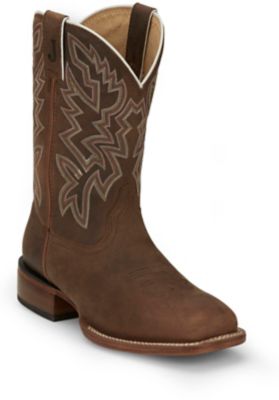
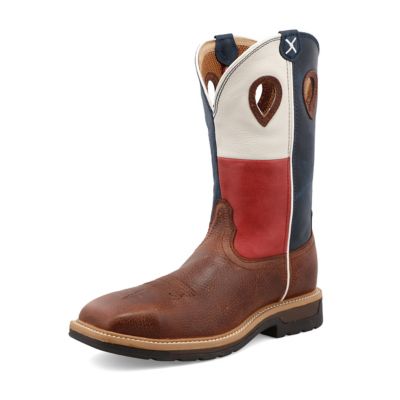
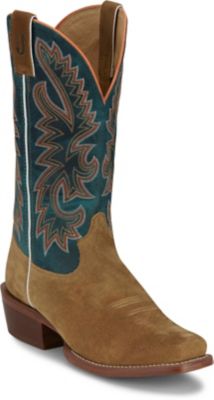
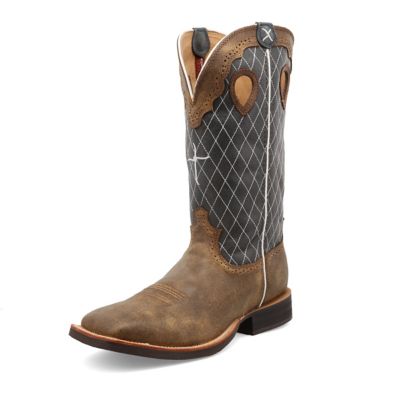
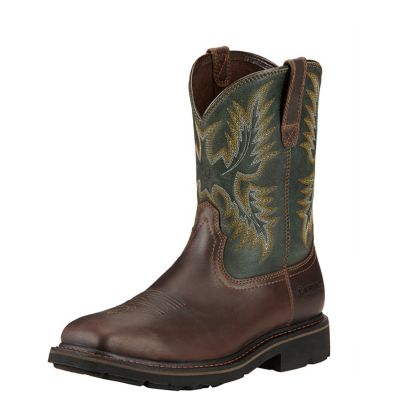
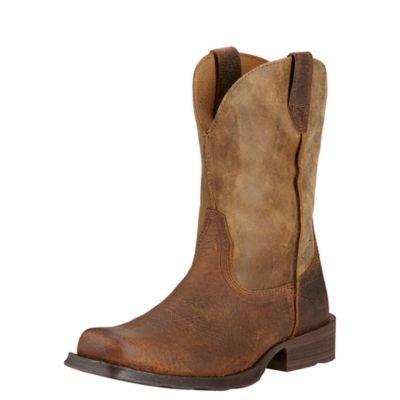
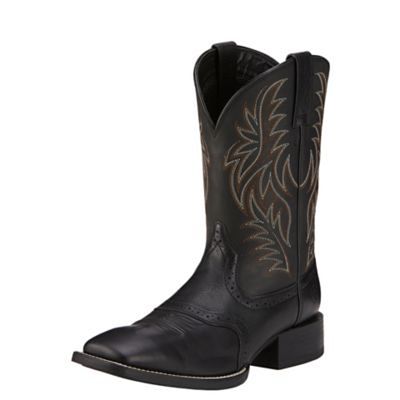
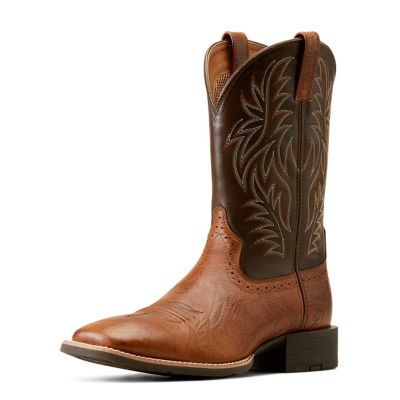
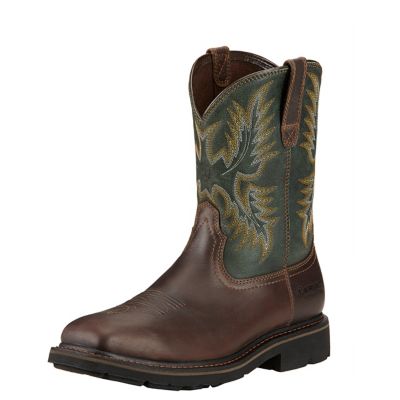
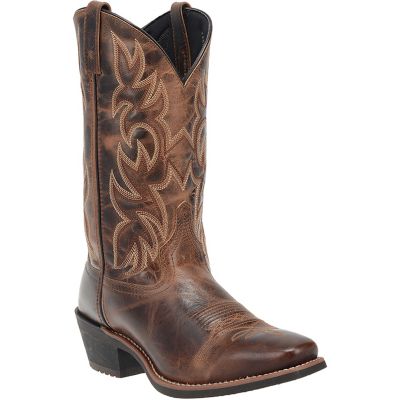
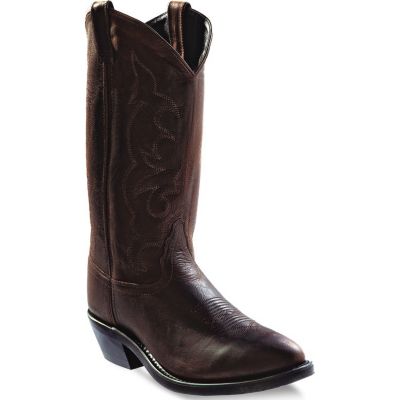
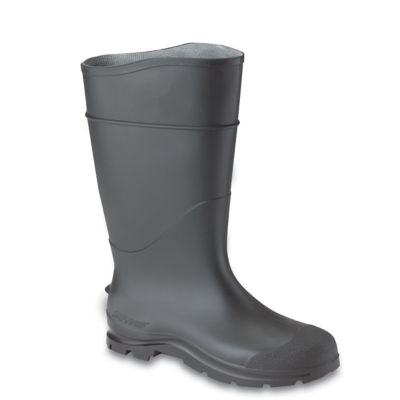
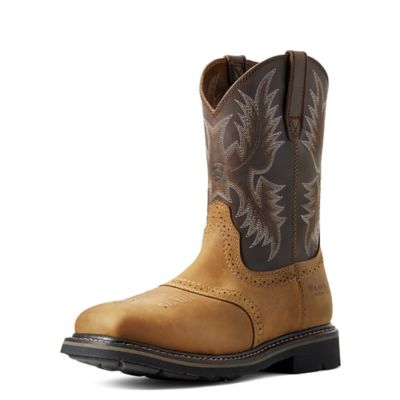
Men’s size 14 western boots can be a hard-to-find fit, especially when you need room through the toe box, a comfortable instep, or a width beyond standard medium. A well-fitting pair should feel secure around the heel and ankle without pinching across the ball of the foot. Leather may feel firm when new, but it should not cause sharp pressure or numbness during the first try-on. Check the available width as carefully as the length; many size 14 styles come in a standard D width, while wide EE options can make a big difference for high insteps, broader feet, or anyone who spends long hours on solid ground. Keep in mind that western boot sizing can vary by maker and by shape, so use the brand’s measurement chart whenever it is available and compare it with a pair of boots that already fits well. A round or roper toe gives the toes a more traditional, easygoing shape, while a square or wide-square toe offers extra room across the front and a modern work-ready look. Pointed toes can be a sharp choice for dressier wear, but they may not suit every foot for all-day use. The right shaft height and opening matter, too. Your jeans should slide over the shaft without bunching, and the boot should pull on smoothly without feeling loose around the calf. Western boots with a defined heel can help keep your foot positioned in the stirrup and add a little lift for everyday outfits, while a lower heel may feel more natural for walking, shop work, or long days on concrete. Look for a sturdy outsole, dependable stitching, and a heel that is firmly attached. A cushioned insole and flexible midsole can take the edge off hard floors, barn aisles, and packed gravel, while a tempered shank or other supportive construction can add stability underfoot. For outdoor work, consider traction, weather-resistant materials, and a sole that can handle mud, dust, and changing ground conditions. For casual wear, comfort, leather character, and an easy fit may matter more than heavy-duty construction.
Men’s size 14 western boots can pull together plenty of everyday outfits without looking overdone. Pair them with straight-leg or boot-cut denim for chores, weekend drives, feed-store runs, and time around the fire pit. Darker leather often works well with cleaner jeans and a button-down shirt, while distressed or lighter finishes fit right in with flannel, canvas jackets, and broken-in workwear. They can also be worn with work pants when you need footwear that moves from the jobsite to supper without a complete change of clothes. A dependable pair may serve someone who works around livestock, rides, repairs equipment, walks fence lines, or simply likes the feel and look of a traditional western boot. Riders should pay close attention to heel height, sole profile, and how securely the foot sits in the boot, since those details affect comfort in the stirrup and while walking around the barn. For standing and walking, focus on arch support, cushioning, and enough toe room to let your feet spread naturally. As the weather shifts through the cooler months, full-grain or weather-treated leather can offer useful protection from chilly air, damp grass, and light splashes, though no boot should be treated as fully waterproof unless the construction specifically says so. Insulated socks may help on cold mornings, but they should not make the fit tight. In warmer stretches, breathable materials, moisture-wicking socks, and a roomier toe box can help reduce heat and rubbing. If you are buying a gift, size 14 western boots can be a thoughtful choice for a ranch hand, horse enthusiast, country music fan, hard-working dad, or anyone building a practical western wardrobe. Since fit is personal, it helps to know the recipient’s usual size, preferred width, favorite toe shape, and whether the boots are meant for riding, work, or casual wear. A gift receipt or easy exchange option is especially useful when shopping for a less common size. For a lighter boot style that works well with changing conditions and everyday outfits, browse
Spring Boots For Men as another option.
Taking care of size 14 western boots starts with giving them a proper break-in period. Wear them for short stretches at first, such as around the house, in the shop, or on an easy errand, rather than heading straight into a full day of walking. A boot should loosen in the right places as the leather warms and flexes, but it should never require enduring blisters or strong pressure. Keep the boots clean with a soft brush or damp cloth, paying extra attention to dried mud and grit around the welt and sole. Use a conditioner made for the boot’s material to help maintain flexibility, and test any treatment on a small hidden area before covering the whole boot. Avoid setting leather boots beside a woodstove, heater, or other intense heat source, since rapid drying can cause cracking or shrinkage. Let damp boots air-dry at room temperature, and use boot trees or clean paper to help hold their shape when needed. Rotating between pairs gives the footbed and lining time to dry and helps each pair last longer, which is handy for anyone wearing western boots most days. Inspect the heel and outsole from time to time, especially if the boots see pavement, rough gravel, or wet ground. Worn tread, loose stitching, or a heel that begins to lean can affect comfort and footing, so early repairs are usually easier than waiting until the damage spreads. When shopping for men’s western boots in size 14, think beyond appearance and weigh the fit, width, toe shape, heel, sole, materials, and intended use together. A boot that feels good at the first try-on, matches the way you spend your days, and receives regular care can become a go-to pair for work, weekends, gatherings, and the many miles in between.