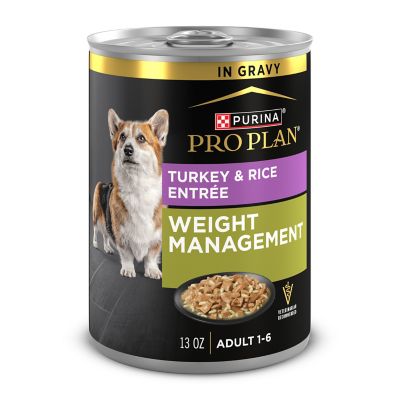
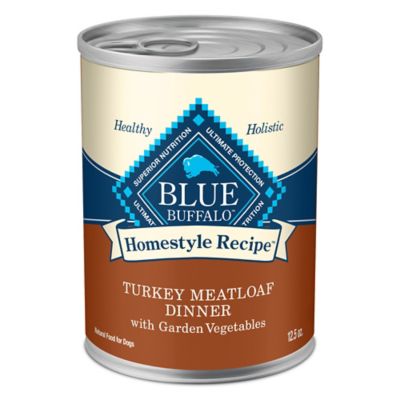
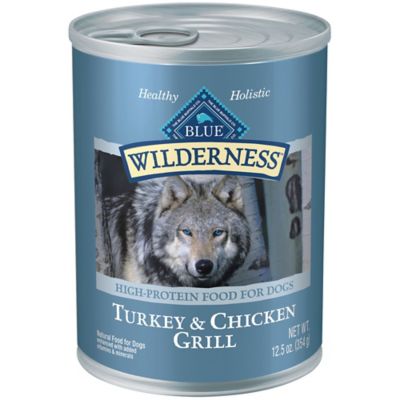
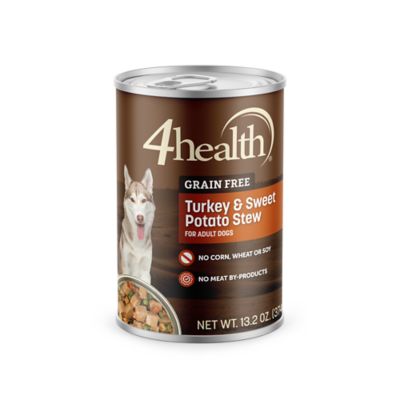
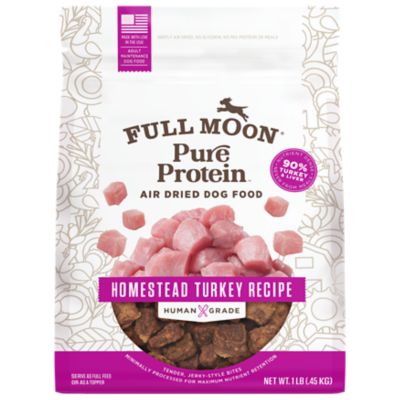
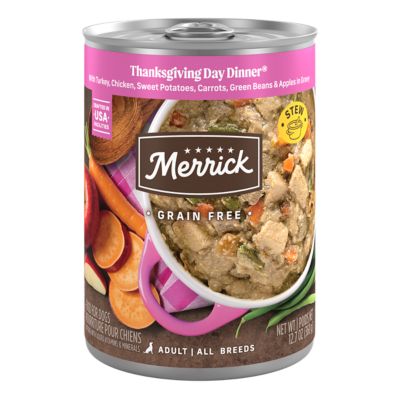
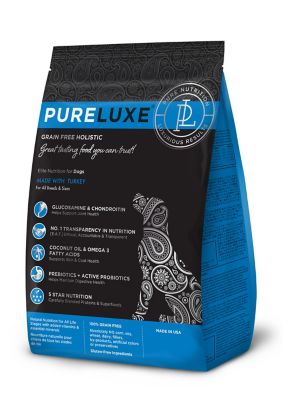
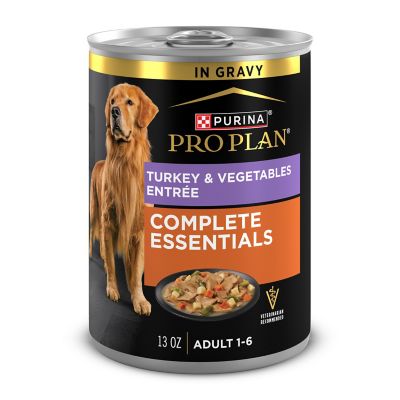
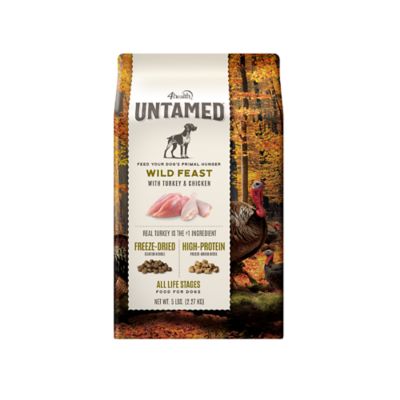
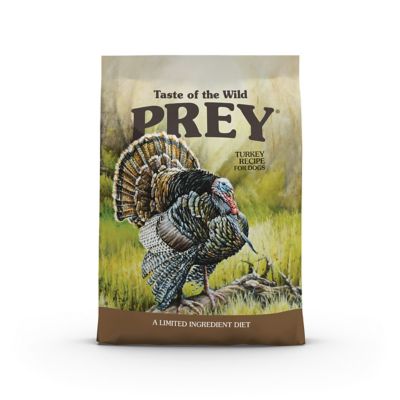
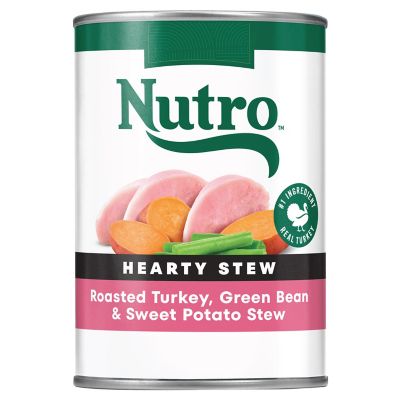
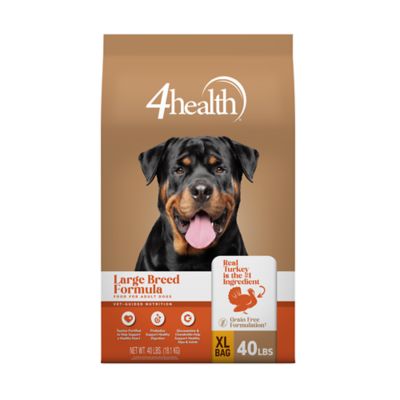
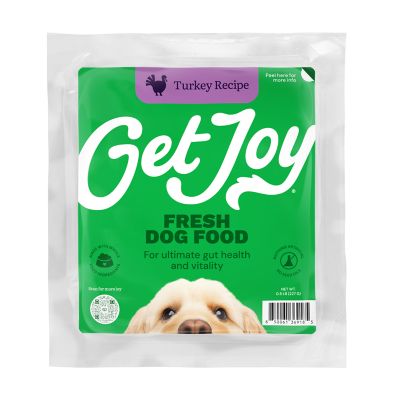
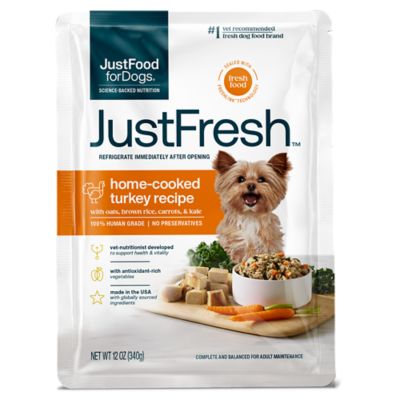
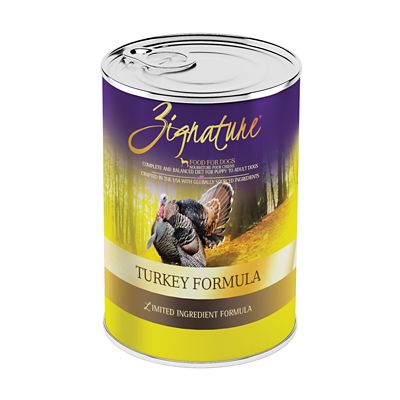
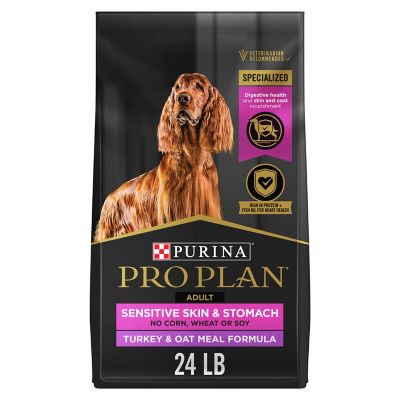
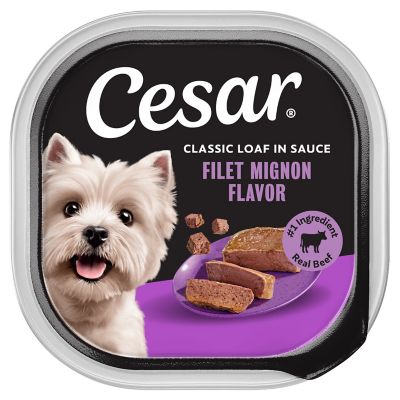
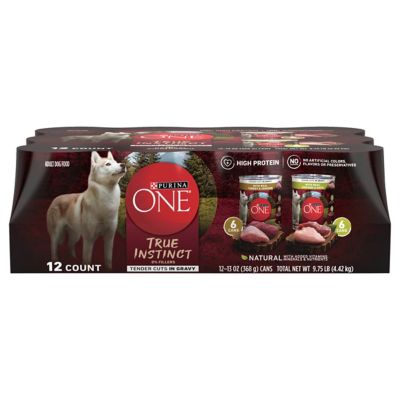
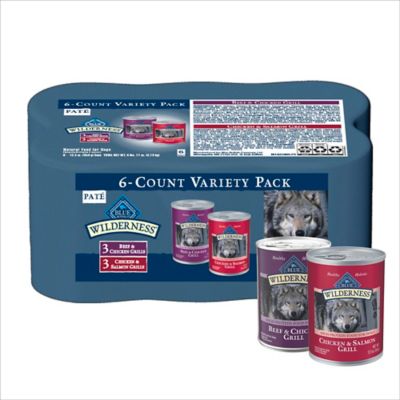
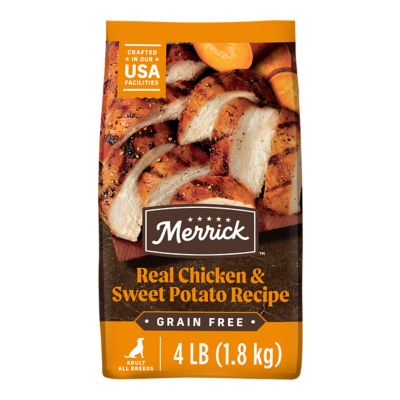
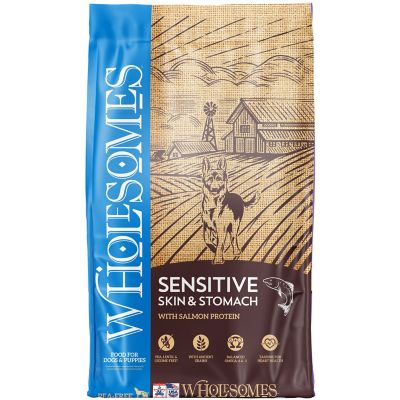
Turkey-flavored dog food brings a savory poultry taste to everyday meals, with recipes ranging from crunchy dry kibble to soft wet food and concentrated air-dried or freeze-dried formats. The name describes the flavor, but the ingredient list tells more of the story: some recipes feature turkey as the main animal protein, while others combine turkey ingredients or flavoring with chicken, beef, fish, or other sources. That distinction matters when choosing food for a dog with a dietary restriction. Turkey supplies protein that supports muscle maintenance and normal tissue repair, but a finished food’s nutrition depends on the entire recipe, not just the meat pictured on the package. Although turkey meat can be lean, turkey-based dog food is not automatically low in fat or calories. Comparing the guaranteed analysis, calorie statement, and feeding directions gives a clearer picture of how a recipe fits a dog’s daily needs. Dry turkey dog food offers convenient portioning and a crunchy texture, making it a practical choice for a steady feeding routine. Wet turkey dog food adds moisture and a softer bite, whether served as a complete meal or spooned over kibble when its labeling supports that purpose. Pâté, minced textures, and chunks in gravy offer different eating experiences, particularly for dogs that prefer softer food. Air-dried and freeze-dried recipes bring other textures to the bowl, and some call for added water before serving. These formats can differ substantially in calories per scoop, so equal-looking portions do not necessarily deliver equal amounts of food energy. For a dog that spends the day tagging along at the barn or one that prefers a spot beside the couch, the best fit comes down to nutritional suitability, feeding amount, and a texture the dog can comfortably manage.
A turkey recipe should match the dog eating it, from a growing pup to an adult with a well-established routine. A nutritional adequacy statement identifying the food as complete and balanced for the appropriate life stage helps distinguish an everyday diet from a topper or a food intended only for intermittent or supplemental feeding. Puppies need food formulated for growth, and large-breed puppies need particular attention to the statement covering growth of large-size dogs. Adult maintenance food serves a different purpose, while older dogs may need adjustments based on body condition, activity, dental health, and medical needs rather than age alone. A smaller kibble shape or softer texture may make meals more manageable for some dogs, though persistent trouble chewing deserves a veterinary check. Turkey can offer a change from other meat flavors, but it is not automatically a solution for food allergies or sensitive stomachs. Dogs can react to turkey itself, and a turkey-labeled recipe may still contain other poultry ingredients. A dog with a suspected food allergy needs veterinary guidance, especially when choosing a controlled elimination diet; simply changing the name on the bag may not address the problem. Limited-ingredient recipes can make the ingredient panel easier to review, but the claim does not establish that a food will suit every sensitive dog. For recipes made without grains,
Grain Free Turkey Dog Food offers a more focused category to consider. Grain-free does not mean carbohydrate-free, and it does not automatically mean better digestion or fewer allergens. Potatoes, peas, lentils, and other ingredients may take the place of grains, depending on the formula. Whether a recipe includes rice or oats or leaves grains out, its overall nutrient balance and the dog’s individual needs matter more than a single front-label claim. Veterinary input is especially helpful for dogs with ongoing itching, digestive trouble, or a prescribed diet.
Everyday feeding details also help determine which turkey-flavored dog food fits a household. Package feeding amounts provide a starting point, but a dog’s weight, activity, treats, and body condition influence the portion that makes sense. A busy farm companion and a less active house dog may need very different amounts, even at the same weight. Calories from wet food, toppers, and treats count toward the same daily total, so adding a generous spoonful to kibble without adjusting the base meal can add up. Foods labeled for supplemental feeding should not crowd out the complete and balanced diet that supplies essential nutrients. A gradual transition over several days generally gives the digestive system more time to adjust than an abrupt switch, unless a veterinarian recommends another approach. Measuring portions with a consistent method, or weighing them when the feeding directions provide gram amounts, makes it easier to track intake. Practical packaging and storage matter, too. Dry food benefits from a cool, dry storage spot with the original bag closed inside a clean, lidded container; keeping the bag preserves the feeding directions, lot code, and best-by information. Open wet food needs prompt refrigeration and handling according to its label, and bowls should be washed between meals rather than topped off over old leftovers. Freeze-dried does not necessarily mean cooked, and raw foods can carry germs even after drying or freezing. Households with young children or anyone at greater risk from foodborne illness should discuss raw diets with a veterinarian and pay close attention to handwashing and food-contact surfaces. Commercial turkey dog food also differs from turkey scraps off the table: rich skin, gravy, onion, garlic, and cooked bones can pose problems and do not belong in the bowl. A complete recipe built for dogs offers a more consistent foundation than leftover meat alone. The right turkey-flavored food supports a familiar, manageable routine, with suitable nutrition, sensible portions, and clear storage directions that help keep every meal straightforward.