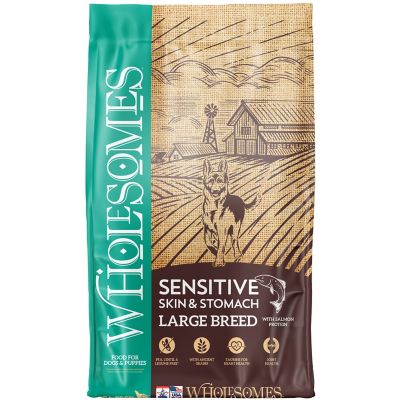
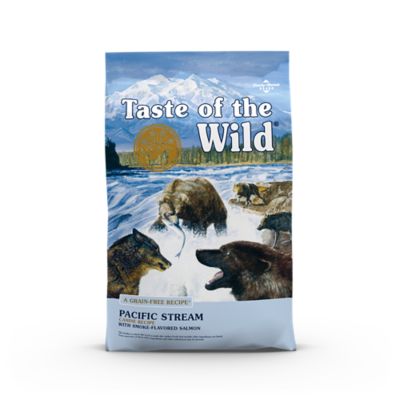
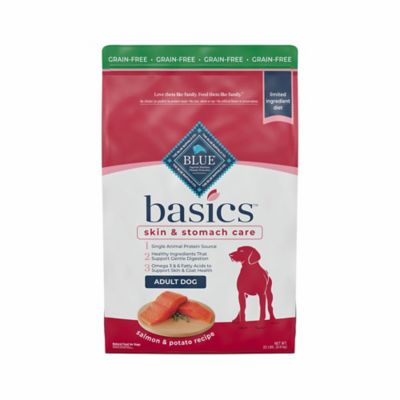
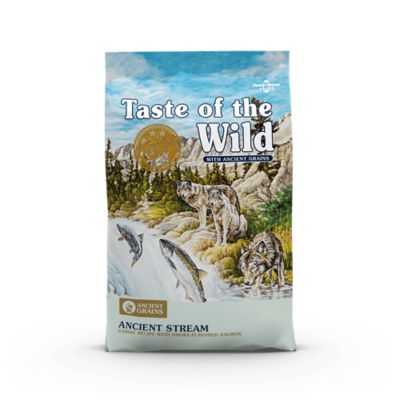
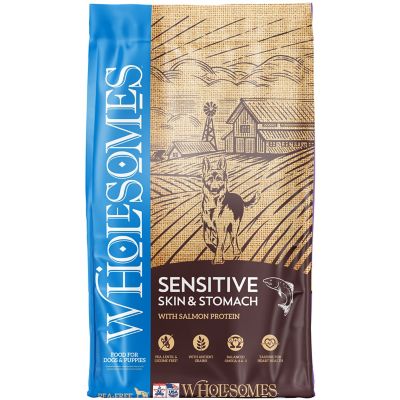
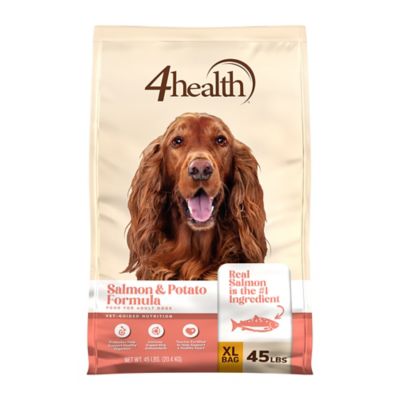
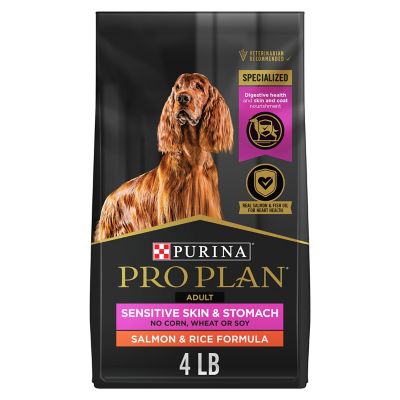
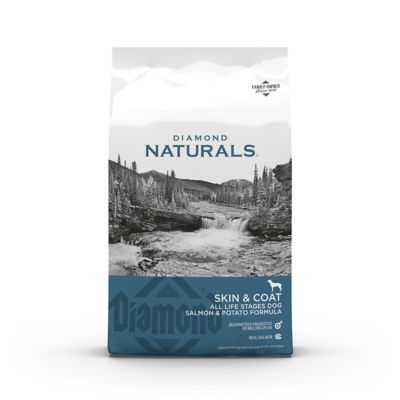
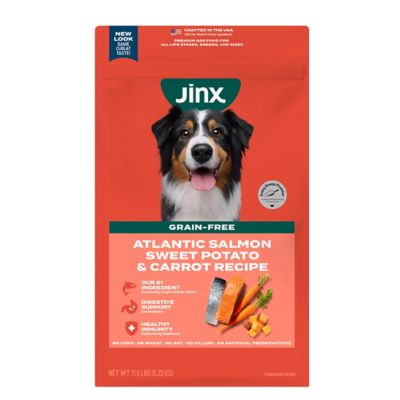
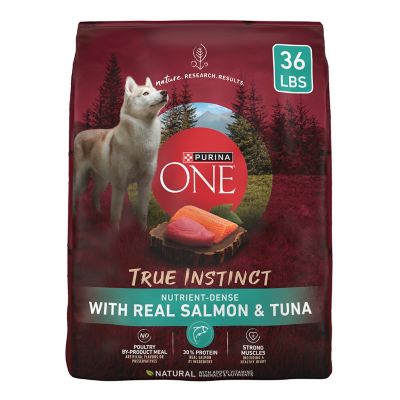
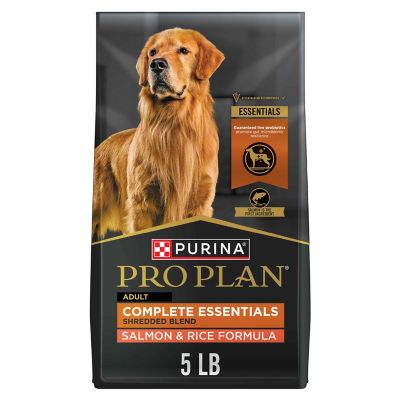
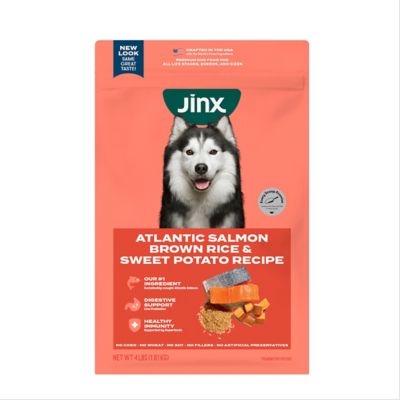
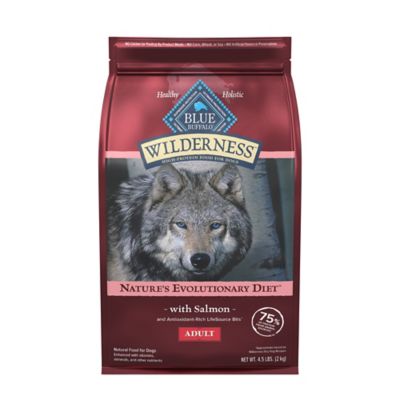
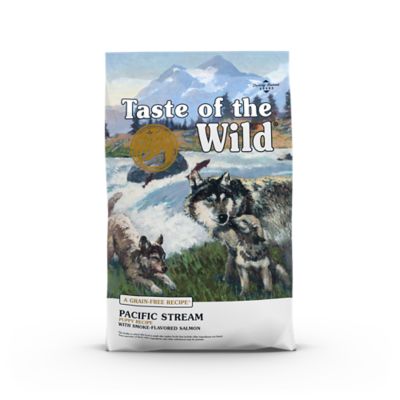
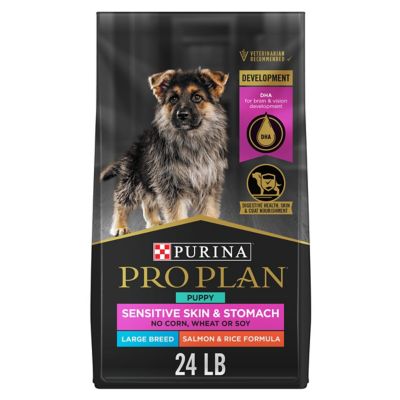
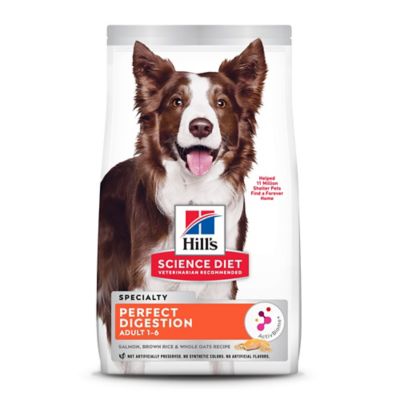
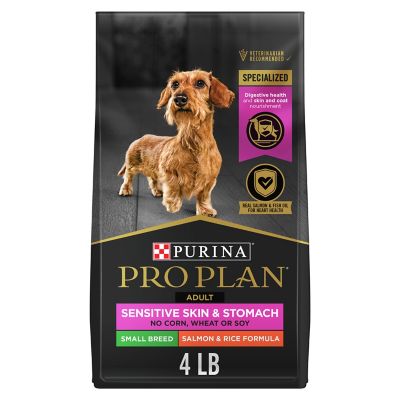
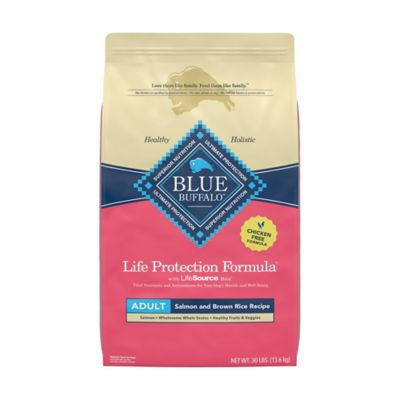
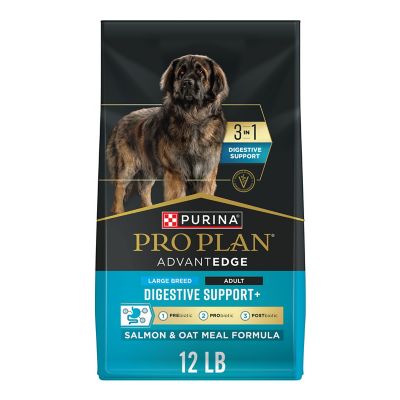
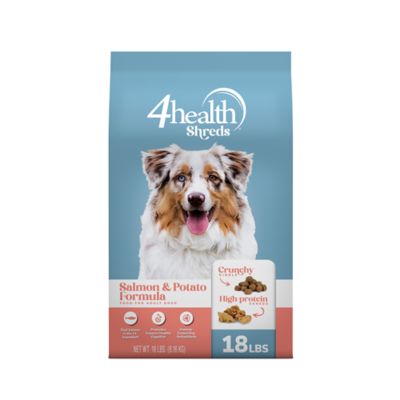
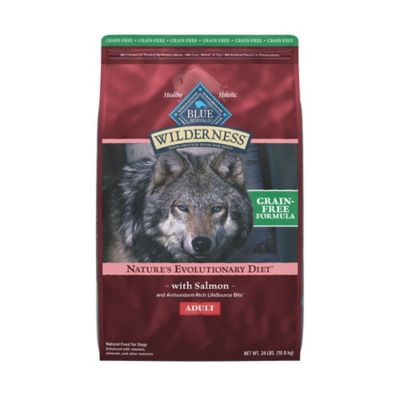
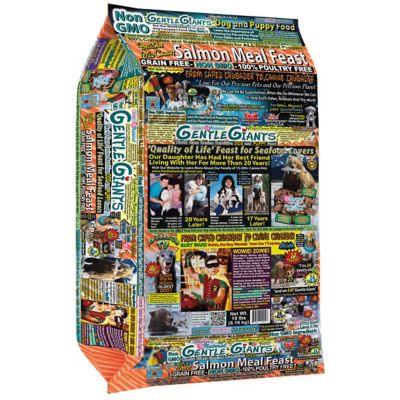
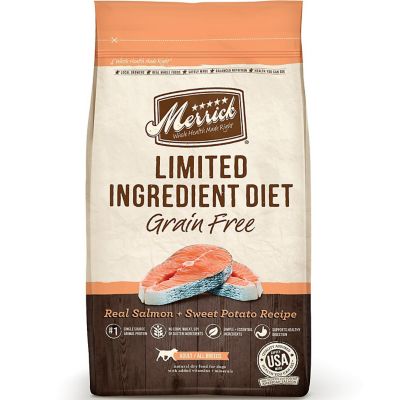
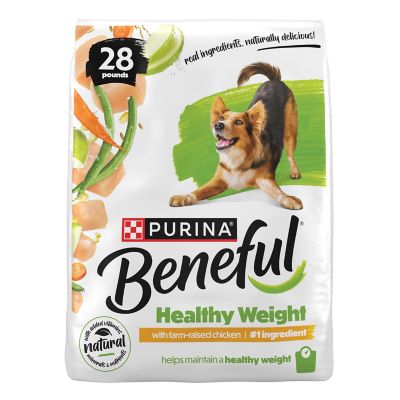
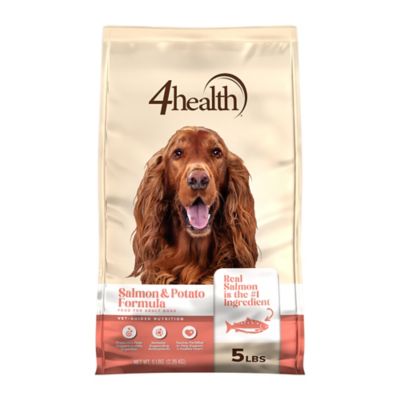
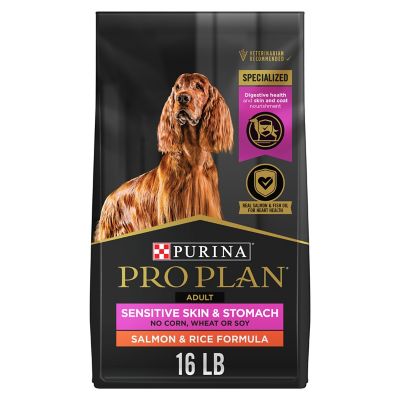
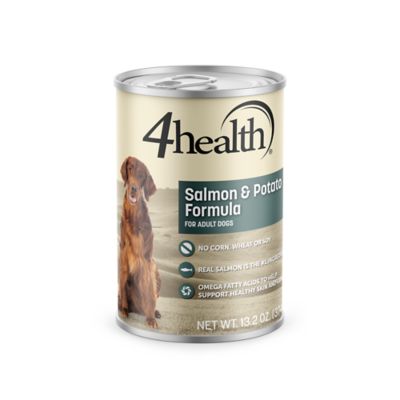
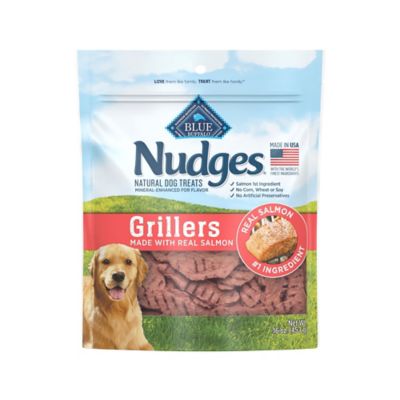
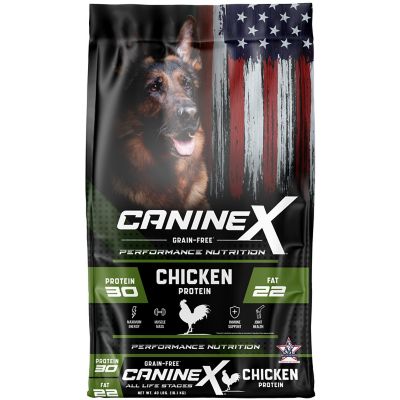
Salmon dry dog food brings fish-based protein to the everyday feed bowl, with recipes suited to different life stages, body sizes, and activity levels. Salmon supplies amino acids that help maintain muscle, while the finished formula brings together protein, fat, carbohydrates, vitamins, and minerals to support daily nutrition. For a dog that trots along the fence line or settles beside the kitchen table after chores, the right fit depends on the whole recipe—not just the fish named on the bag. Some formulas feature salmon as the first ingredient, while others combine it with additional animal proteins. Salmon meal may also appear on the ingredient list; it is a concentrated fish ingredient with much of the water removed. Fish ingredients and added fish oil can contribute omega-3 fatty acids, including EPA and DHA, which help support normal skin and coat health. The amounts vary by formula, so a salmon recipe does not automatically provide the same fatty acid content as another. Grain-inclusive recipes may pair fish with rice, barley, or oatmeal, while grain-free recipes may contain potatoes, peas, or other carbohydrate sources. Neither approach is automatically the better choice for every dog. What matters most is a complete and balanced formula appropriate for the dog’s life stage, along with ingredients that agree with that particular animal. The nutritional adequacy statement on the package identifies whether the food meets established nutrient profiles or has been substantiated through feeding trials, and which life stage it supports. Dry kibble also makes daily feeding straightforward: portions are easy to measure, the bag tucks away between meals, and the pieces work in many food puzzles and slow-feed bowls. Piece size and shape vary, which can matter for a small mouth, a dog that gulps dinner, or an older companion that has trouble chewing. A comfortable bite and an appropriate formula do more for everyday meals than a long list of label claims.
Dogs at different stages of life need more than different scoop sizes, and salmon dog food comes in formulas designed around those changing needs. Puppy food supports growth, and a large-breed puppy needs nutrition appropriate for the growth of large-size dogs, including controlled mineral levels. Adult maintenance recipes serve dogs that have finished growing, while foods marketed for seniors can differ considerably in calories, protein, fiber, and texture. An older dog that still spends the day checking pastures may have different needs from one that prefers a warm bed by the back door. Calorie content is especially worth comparing because equal cups of two dry foods can supply different amounts of energy. Package feeding charts provide a starting point, but body condition, treats, exercise, and veterinary advice help determine the portion that fits. During the cooler months, longer stretches indoors can reduce activity for some dogs, while working dogs may keep right on moving. Adjustments should follow the individual dog rather than the season alone. Salmon-based formulas can also be an option when a veterinarian recommends trying a different protein, but salmon is not automatically suitable for every dog with itching, digestive upset, or a suspected food allergy. A fish-forward label does not mean the recipe is free of chicken, beef, egg, or other animal ingredients. Limited-ingredient formulas may simplify the ingredient list, yet they are not the same as veterinary diets intended for a controlled food trial. Dogs can react to fish proteins, too. Persistent scratching, ear trouble, vomiting, or loose stools call for a veterinary conversation rather than repeated food changes. Grain-free food is not a general solution for allergies, and many dogs digest properly prepared grains well. Some sensitive-stomach recipes include selected fiber sources or added probiotics, but tolerance depends on the dog and the finished formula. Comparing the full ingredient list, nutritional adequacy statement, and calories per cup gives a clearer picture of how a salmon kibble may fit daily feeding than the front of the bag alone.
A good feeding routine carries on after the bag comes home, especially in a household where muddy boots, early chores, and several hungry animals keep things moving. Bag size should match the amount a dog eats and the storage space on hand, so the food can be finished within the manufacturer’s recommended period after opening. Keep salmon kibble in its original bag, close it tightly, and place the bag inside a clean, dry container with a secure lid. That setup helps protect the food from moisture and pests while keeping the lot number, feeding directions, and best-by date close at hand. A cool, dry indoor spot is a better choice than a damp shed or a garage that sees wide temperature swings. Wash and dry the storage container between bags rather than pouring fresh food onto crumbs and oils left from the last batch. Food that smells rancid, shows mold, or has become wet should not go into the bowl. When changing foods, a gradual transition over about seven to ten days often helps limit digestive upset; some dogs need a slower switch based on veterinary advice. Measured meals make it easier to notice appetite changes and keep portions consistent, whether breakfast happens before sunrise or after the morning rounds. A kitchen scale can help when close portion control matters, and fresh drinking water should always be within reach. Hard kibble alone is not a substitute for toothbrushing or veterinary dental care, particularly for dogs with sore mouths or missing teeth. In homes with both dogs and cats, separate feeding spots help prevent bowl swapping and keep each animal on food formulated for its species. Cats have different nutrient requirements, so
Salmon Cat Food belongs in the cat’s feeding routine rather than serving as an everyday replacement for dog food. For dogs, salmon dry food can provide a practical daily meal when its nutritional purpose, calorie level, and texture line up with the animal eating it. That fit supports a steady routine, from the first scoop in the morning to the last bowl washed at night.