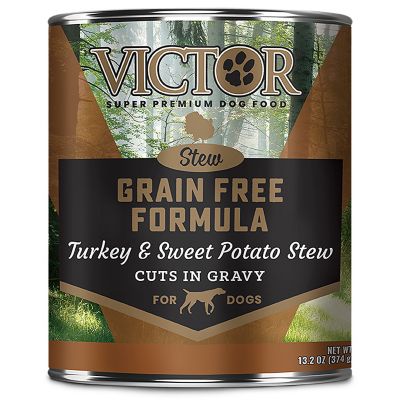
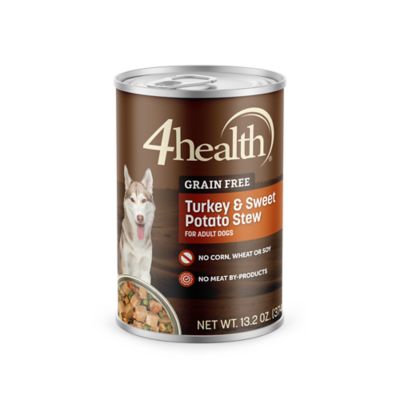
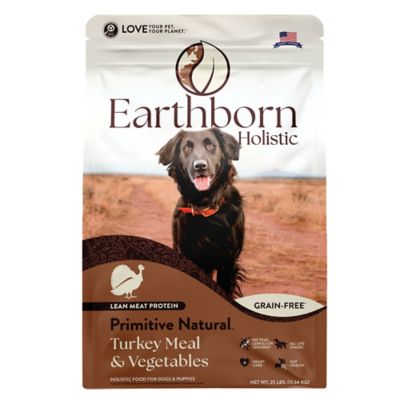
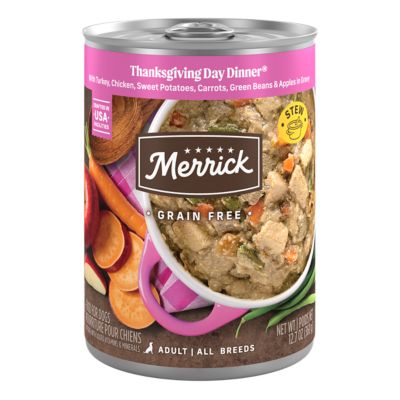
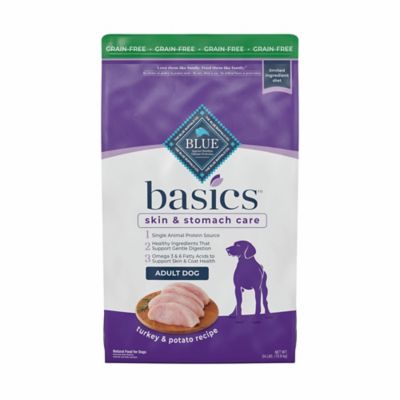
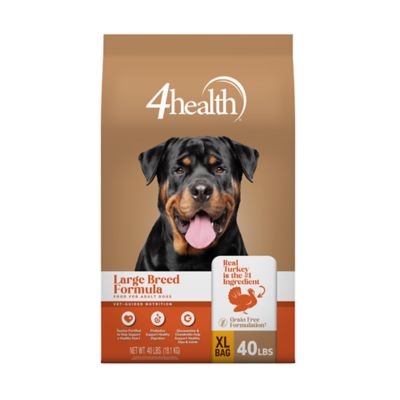
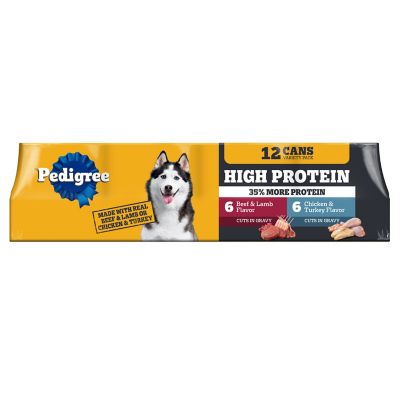
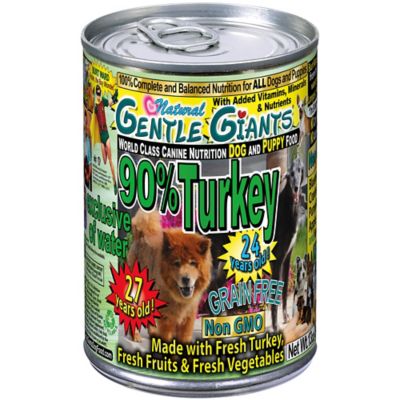
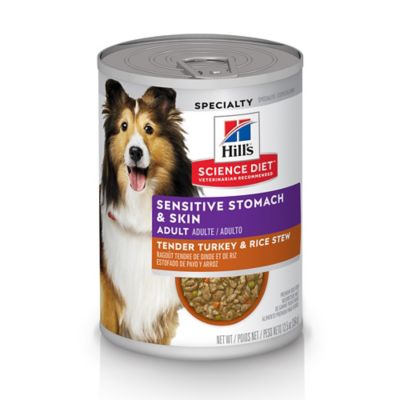
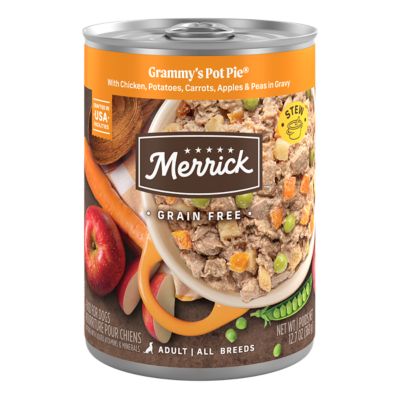
Turkey and sweet potato dog food brings together two familiar ingredients that many dogs enjoy: turkey for animal-based protein and sweet potato for digestible carbohydrates and dietary fiber. Turkey is often a lean protein choice that helps support strong muscles while offering a change of pace from beef, chicken, or other common proteins. Sweet potatoes provide complex carbohydrates, along with fiber and beta-carotene, and can fit well into recipes made for dogs with sensitive stomachs. That combination is found in dry kibble, canned meals, fresh-style foods, toppers, and limited-ingredient recipes, so it is easy to compare different textures and feeding styles in one place. Some formulas use turkey as the first ingredient, while others include turkey meal, which is a concentrated source of turkey protein after moisture has been removed. Reading the full ingredient list matters because “turkey and sweet potato” on the front of a bag does not always mean those are the only ingredients. A recipe may also include turkey broth, turkey meal, vegetables, grains, vitamins, minerals, oils, or other protein sources. If your dog does best with a simpler diet, look for a clearly stated limited-ingredient formula and check whether the recipe contains any ingredients your veterinarian has asked you to avoid. Grain-free is not automatically better for every dog, and a food made with sweet potato can still include other carbohydrate sources. The best fit depends on your dog’s age, size, activity level, health needs, and personal tolerance. A young, busy farm dog may need a different calorie level than a small older companion who spends most of the day curled up by the woodstove. Check the package for the life-stage statement, feeding directions, calorie information, and whether the food is complete and balanced for your dog’s stage of life. Puppies, pregnant or nursing dogs, adults, and seniors can have different nutritional requirements, and large-breed dogs may benefit from food formulated with their growth needs in mind.
These recipes can be a practical choice for households managing picky appetites, occasional digestive upset, or a dog that seems to do better with a different protein source. Turkey may be useful when a dog has already eaten a great deal of chicken or beef, though it is important to remember that turkey is still poultry and is not automatically appropriate for a dog with a poultry allergy. Dogs with diagnosed food allergies or ongoing vomiting, diarrhea, itching, ear problems, or weight changes should be evaluated by a veterinarian rather than placed on a new food based on guesswork. An elimination diet should be planned and monitored with professional guidance, since even small amounts of treats, table scraps, flavored medicines, or shared food can affect the results. For everyday feeding, transition gradually over about a week by mixing increasing amounts of the new food with the old food. This gives your dog’s digestive system time to adjust and makes it easier to spot a problem if loose stool or reduced appetite develops. Serve the amount listed on the package as a starting point, then adjust with your veterinarian based on body condition, activity, and weight. Sweet potato adds fiber, but more fiber is not always better; a dog that eats too much may experience gas, loose stool, or unnecessary extra calories. Wet turkey and sweet potato food can add moisture and a softer texture for dogs with dental trouble, older pets, or dogs that simply turn up their noses at dry kibble. Dry food is convenient for measuring, storing, and filling a puzzle feeder, while canned food can be mixed with kibble or offered as a meal topper. Keep opened cans covered and refrigerated, and store dry food in a cool, dry place in its original bag or a clean, tightly sealed container. Fresh water should always be available, especially when feeding dry food or when dogs are active outdoors during changing weather. For more options centered on this savory protein, browse
Turkey Flavored Dog Food and compare recipes by form, ingredients, life stage, and feeding needs.
Turkey and sweet potato dog food can also be handy for the practical routines that come with country living. During cooler months, a warm, familiar meal can be welcome after a long day of checking fences, riding along in the truck, or working around the barn, but portion size still matters when outdoor activity changes from one day to the next. Use measured meals rather than estimating by scoop, particularly for dogs that receive treats during training or spend time helping with chores. Training treats, chew items, scraps from the dinner table, and toppers all contribute calories, and rich extras can upset a dog that otherwise handles a simple recipe well. Families bringing home a new rescue, puppy, or adult dog may appreciate a turkey and sweet potato formula as part of a thoughtful welcome basket, especially when paired with stainless-steel bowls, a food-storage container, or a sturdy scoop. It is best to learn what food the dog was eating before making a change, then transition at a comfortable pace instead of switching on the first night. These foods can also make a useful gift for a neighbor, ranch hand, or friend caring for a dog, provided you know the pet’s size, age, dietary restrictions, and preferred texture. Homemade meals made from plain ground turkey and boiled sweet potatoes may sound simple, but turkey and sweet potato alone do not provide every nutrient dogs need. Calcium, essential fatty acids, vitamins, minerals, and the correct balance of protein and energy are easy to miss without a properly formulated recipe and professional guidance. Avoid seasoned turkey, onion, garlic, heavy sauces, butter, and salty leftovers, which can be unsafe or unnecessarily rich for dogs. Whether you choose kibble, canned food, or a combination, look for clear labeling and a complete-and-balanced nutritional statement, inspect bags and cans for damage, and keep feeding notes when your dog is trying a new recipe. A steady routine, sensible portions, fresh water, and attention to your dog’s body condition will help make turkey and sweet potato food a comfortable part of mealtime through the changing seasons.