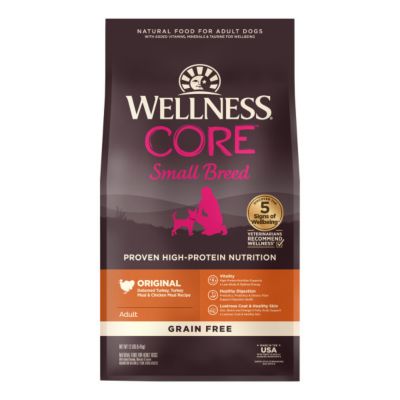
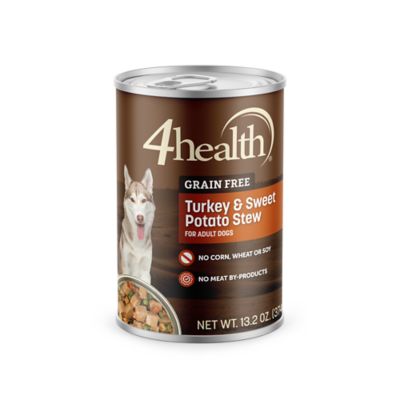
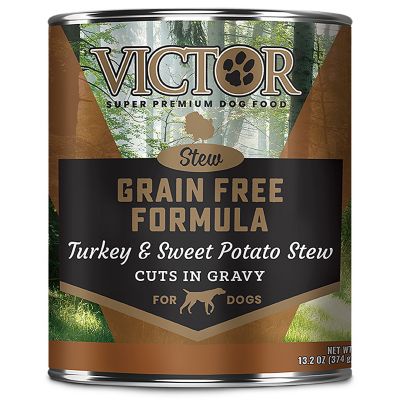
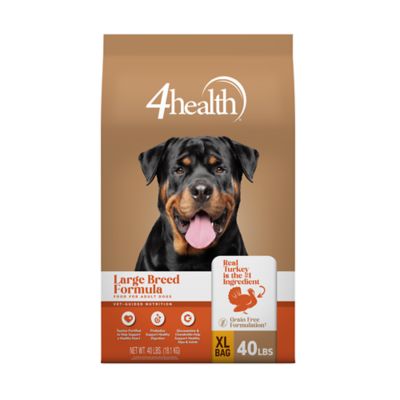
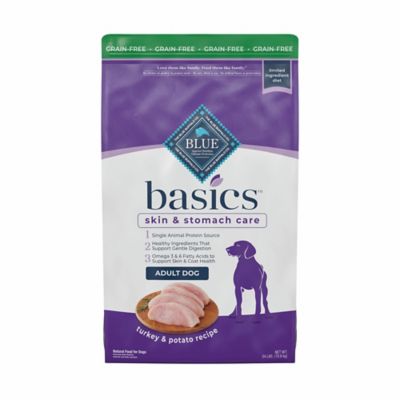
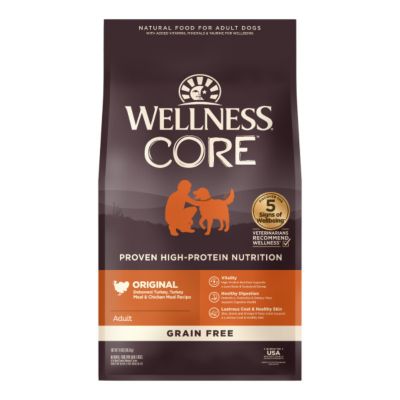
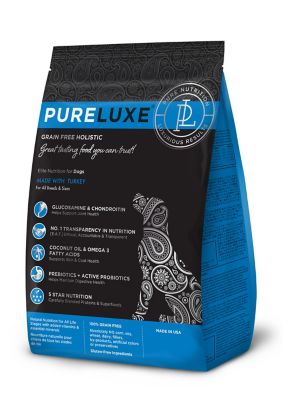
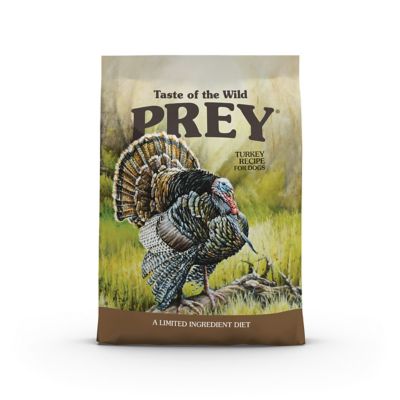
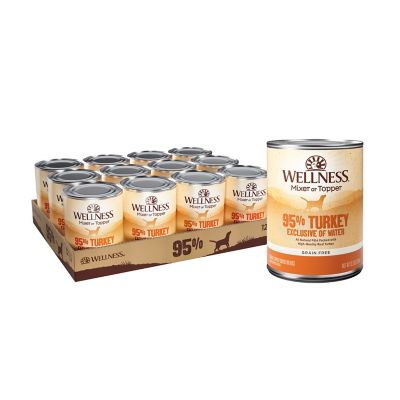
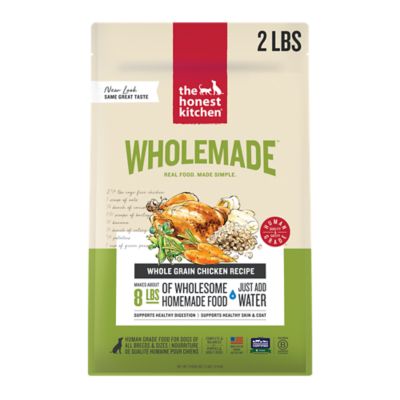
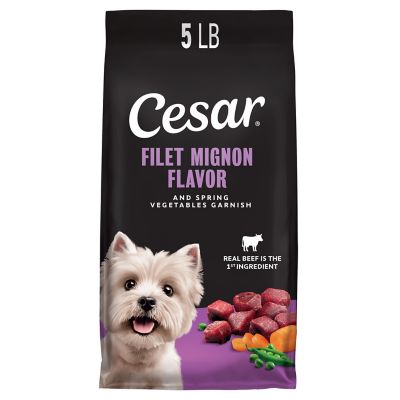
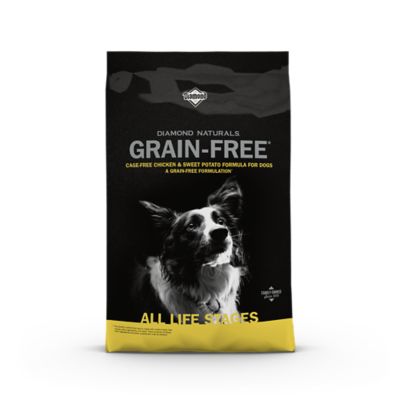
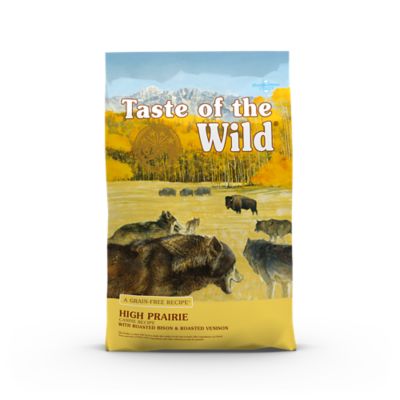
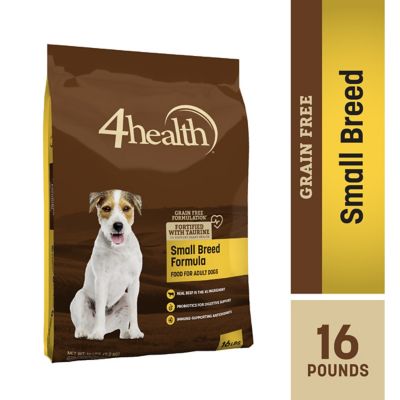
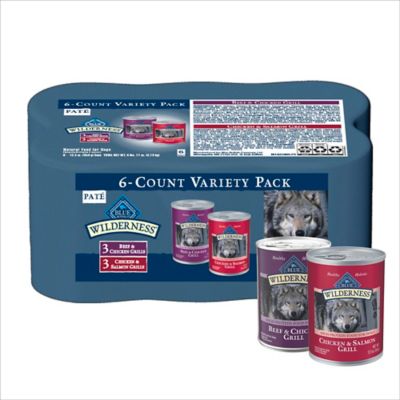
Grain-free turkey dog food puts turkey in a recipe made without grains such as wheat, corn, rice, or barley. Turkey supplies protein and amino acids that help support muscle maintenance and normal body functions, while the rest of the recipe contributes fats, vitamins, minerals, and other nutrients. These foods can come as dry kibble, wet meals, or dehydrated formulas that need water before serving. The right format depends on the dog at the bowl and the routine around it, whether that means breakfast before a walk down the lane or supper after a day spent tagging along for chores. Dry food is easy to measure and portion, while wet food brings more moisture and a softer texture. Dehydrated meals require preparation according to the package directions, and their serving size changes once water goes in. Grain-free does not mean carbohydrate-free: potatoes, sweet potatoes, peas, lentils, or other ingredients may take the place of grains. It also does not mean that every recipe contains turkey as its only animal protein. Some formulas include chicken, fish, eggs, or other animal ingredients alongside turkey, so the full ingredient list matters more than a picture or a few words on the front of the bag. Turkey and turkey meal are different ingredient forms, with meal having much of its water removed before it enters the recipe. Neither ingredient name alone tells the whole story about a food’s nutritional suitability. For a dog that eats turkey willingly, the appeal may be as simple as a familiar flavor and a texture that suits its eating habits. For a dog with a suspected food reaction, the details need closer attention. Turkey is still poultry, and switching from chicken to turkey does not guarantee relief from itching, digestive trouble, or other symptoms. A veterinarian can help sort out whether food is involved before another bowl change becomes part of the routine.
A grain-free turkey recipe should fit a dog’s life stage, size, activity level, and health needs—not just a preference for one protein. Puppies need nutrition formulated for growth, and large-breed puppies have additional considerations for controlled growth and mineral balance. Adult maintenance food serves a different purpose, while an older dog’s needs depend on body condition, activity, and any medical concerns rather than age alone. The nutritional adequacy statement on the package identifies whether a food is complete and balanced for a particular life stage, based on established nutrient profiles or feeding tests. That statement also helps distinguish a full daily diet from a topper, mixer, or food intended only for intermittent or supplemental feeding. A spoonful of turkey-based wet food can make a bowl more appealing, but a supplemental food should not replace a complete diet without veterinary direction. Calorie content deserves the same attention as flavor. Two grain-free turkey foods can provide very different amounts of energy per cup, can, or serving, even when their ingredient lists sound similar. A dog that covers ground beside its person may need a different portion from one that mostly keeps watch from the porch. Feeding amounts on the label provide a starting point; body condition and weight trends help show whether those portions fit. Treats and toppers count toward the day’s intake, too. When comparing wet and dry recipes, the moisture difference can make the protein and fat percentages on the labels misleading without a dry-matter comparison. A veterinarian can help make that comparison meaningful for the individual dog. The broader
Grain-Free Dog Food category includes other protein choices, but changing proteins or leaving out grains is not automatically a nutritional improvement. Grain allergies are uncommon in dogs, and some grain-free diets have been investigated in connection with diet-associated dilated cardiomyopathy, a serious heart condition. The relationship is complex and is not explained by the grain-free label alone. Veterinary input is especially important before changing diets for a dog with heart disease, ongoing digestive problems, or another diagnosed condition.
Texture, preparation, and storage can make just as much difference to everyday feeding as the recipe itself. Kibble pieces vary in size and shape, and a comfortable bite for a large dog may be awkward for a small mouth. Wet food can suit dogs that prefer softer meals, although trouble chewing or a sudden change in appetite calls for a veterinary check rather than just a different texture. Dehydrated food needs the amount of water and soaking time stated on its label; feeding it dry when the directions call for rehydration changes the intended meal. For households feeding more than one dog, separate bowls and measured portions help keep the fast eater from collecting an extra supper. A standard measuring cup or kitchen scale makes portions more consistent than an unmarked scoop, particularly when a small dog’s daily allowance leaves little room for extra handfuls. Fresh drinking water belongs alongside every feeding format, including moisture-rich meals. When moving to a different food, a gradual transition over about seven to ten days often helps limit digestive upset, unless a veterinarian recommends another approach. Dogs with sensitive digestion may need a slower change. Storage should follow the package instructions: dry food generally belongs in its original bag, closed tightly and protected from moisture, pests, and direct sunlight. If the bag goes inside a storage bin, keeping the packaging preserves the lot number, feeding directions, and best-by date. The bin should be clean and fully dry before a new bag goes in rather than continually topping off old crumbs. Opened wet food and prepared dehydrated meals need prompt refrigeration when the label directs it, with leftovers discarded within the stated timeframe. Wash bowls, utensils, and hands after handling food, and clear away uneaten portions as directed instead of leaving them out all day. Those practical details help keep grain-free turkey dog food easy to work into a steady feeding routine, with the recipe, serving size, and handling matched to the dog that depends on it.