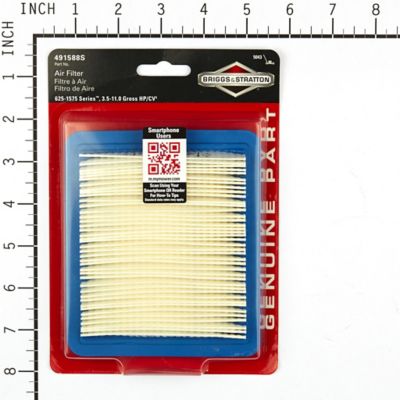
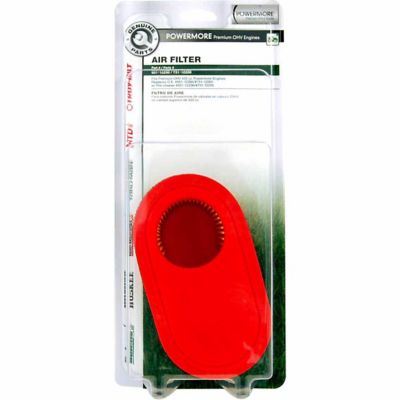
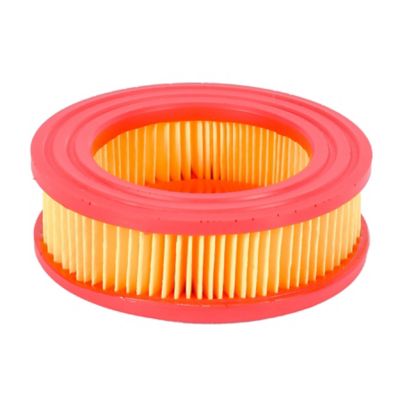
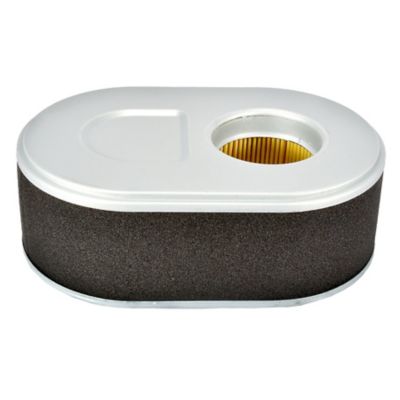
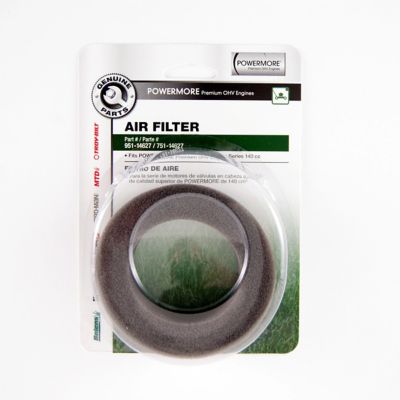
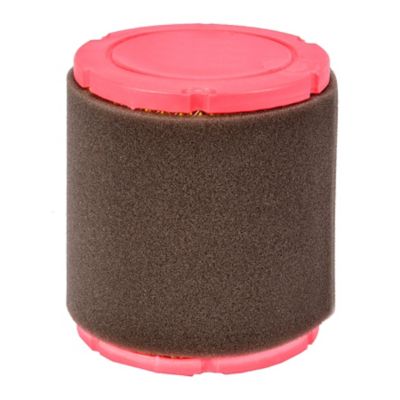
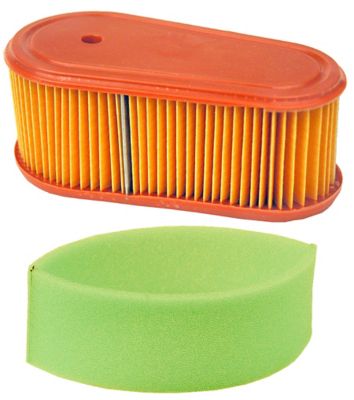
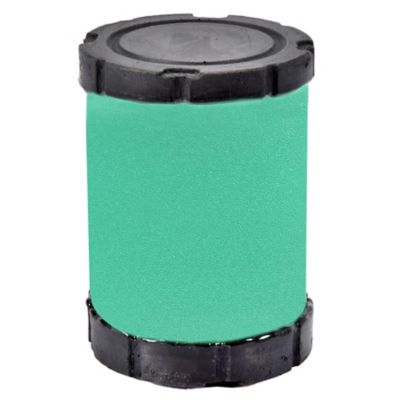
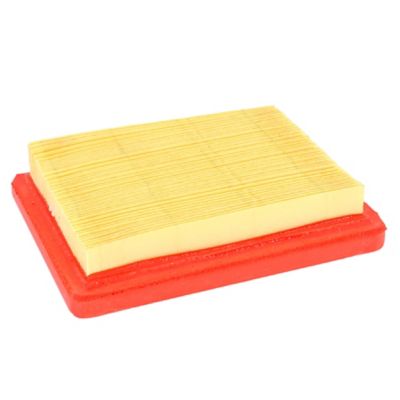
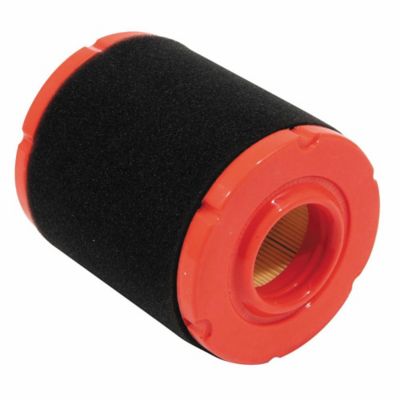
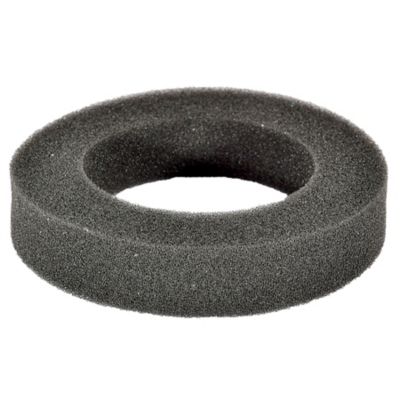
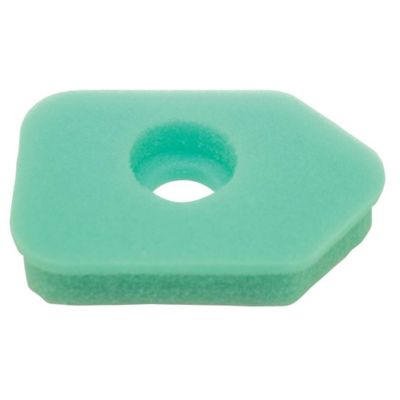
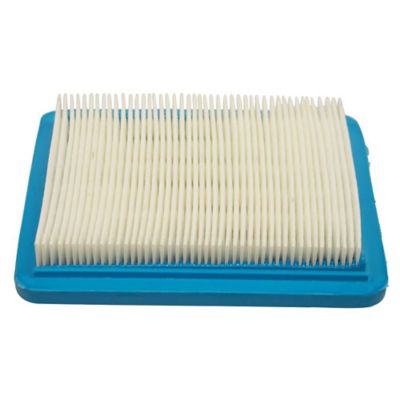
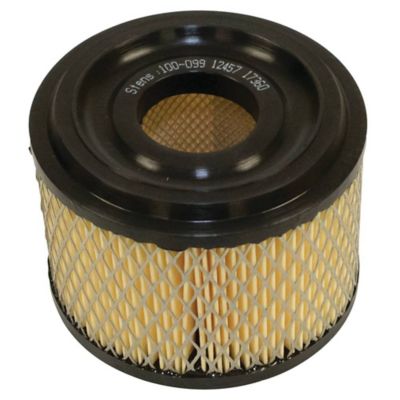
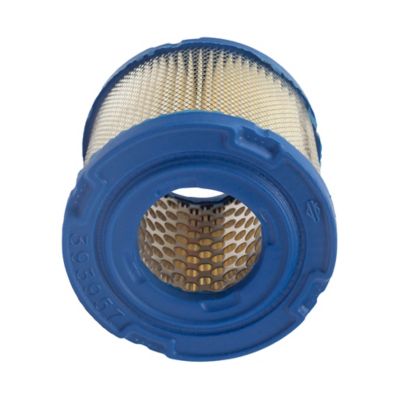
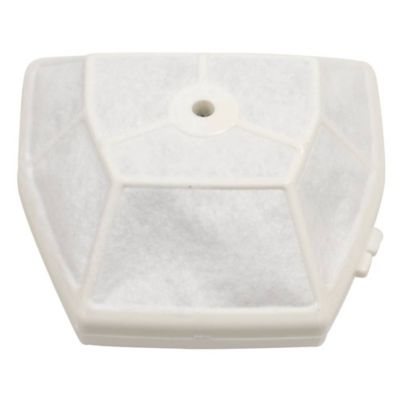
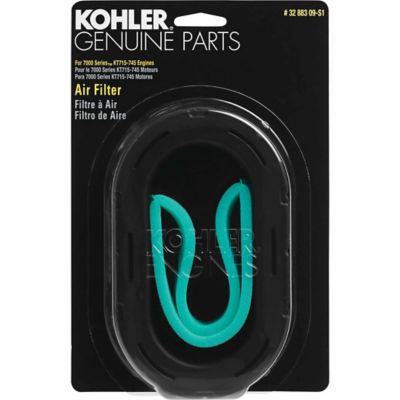
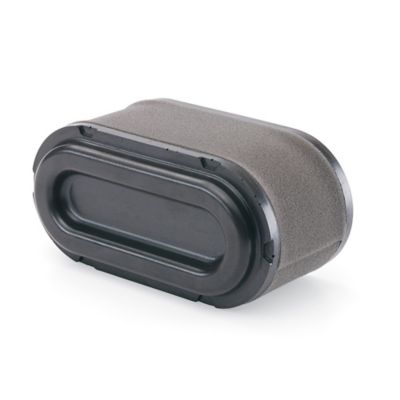
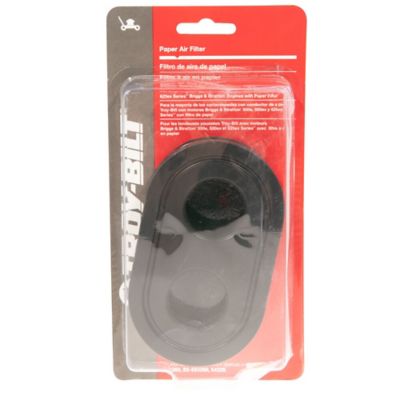
Push mower air filters help keep dust, dirt and grass particles out of a gas-powered mower’s engine while allowing the airflow it needs to run. The filter sits in the engine’s air intake system, generally inside a housing near the carburetor, where it catches debris before that material can reach internal engine parts. A mower working along a gravel driveway or trimming around fence posts can stir up more grit than one crossing a thick lawn, so the right filter matters even when the machine only handles a small patch of grass. Common filter designs include pleated paper elements, foam elements and combinations that pair a main filter with a foam pre-filter. Pleated paper provides a broad filtering surface within a compact shape, with folds that trap particles as air passes through. Foam designs have an open-cell structure, and some require a specified oil treatment to capture dirt properly. A foam pre-filter adds an outer layer that catches larger debris before it reaches the main element, but only on engines designed for that arrangement. Frames, backing screens and sealing edges vary by application, giving each filter the shape and support its housing requires. These differences matter more than color or a passing resemblance to the old part. A filter needs to sit squarely, maintain its shape and seal where the engine maker intended. Gaps around the edge can let unfiltered air bypass the material altogether. Push mower replacement air filters are engine maintenance parts for homeowners, property caretakers and anyone keeping a gas walk-behind mower ready for regular yard work. They are not the same as fuel filters or oil filters, and corded or battery-powered mowers do not have this type of gasoline-engine intake filter. Whether the mower handles the yard beside the house or narrow stretches around outbuildings, matching the filter to the engine comes first.
Fit starts with the engine model and the specified replacement filter information, not just the name on the mower deck. A mower model may have different engine configurations, and engines within the same general family can take different filter shapes or housing designs. The engine identification label or stamping, the owner’s manual and the original filter’s part number can help narrow the match. Length, width and thickness are useful checks for flat filters, while round designs also depend on diameter, height and the shape of their openings. Those measurements support a compatibility check; they do not replace it. Two filters that look nearly alike can have different sealing lips, mounting holes or internal clearances. A filter that is too thick may prevent the housing cover from closing correctly, while one that is too thin may not seal against the intended surfaces. Likewise, a foam sleeve or pre-filter belongs only with the main element and housing specified for it. Adding another layer to an engine that does not call for one can affect airflow rather than improve protection. The
Troy Bilt Lawn Mower Air Filter page provides a more focused starting point, with engine identification and listed fit details still guiding the final match. For any push mower air filter, compatibility information should cover the complete filter arrangement, including whether a pre-filter is separate or part of the assembly. A sound frame and evenly formed sealing edge help the element stay seated through normal engine vibration. The housing matters, too: broken cover tabs, a damaged gasket or a cracked cover can undermine the protection of a properly matched filter. Replacing the filter cannot make up for a housing that no longer closes as intended. Checking those details helps separate a straightforward filter replacement from a repair that needs attention elsewhere, especially on a mower that has spent plenty of hours working around roots, posts and uneven ground.
Care requirements depend on the filter material, the engine’s maintenance schedule and how much dust the mower encounters. There is no single replacement interval that fits every push mower or every property. Work along bare soil, gravel edges and dusty fence lines can load an element faster than mowing a well-covered lawn, even when the hours on the engine are similar. A clogged air filter can restrict airflow and contribute to reduced power or rough running, though fuel, spark plug and other engine problems can cause similar symptoms. Condition matters alongside the service schedule: torn paper, crumbling foam, a distorted frame or a damaged sealing edge calls for attention even if the filter does not look heavily packed with dirt. Paper elements generally are not washable, and high-pressure air can damage their folds or force particles deeper into the material. Foam elements may be washable and reusable when the engine maker allows it, but cleaning methods and oil requirements differ. Oil belongs only on elements designed for it and in the amount specified; adding it to a dry-type filter can restrict airflow. An element soaked with engine oil may also signal a tipping or service issue rather than ordinary dirt buildup. Before any filter service, the engine should be off and cool, with precautions against accidental starting taken according to the manual. Keeping loose grit out of the intake during maintenance is just as important as fitting the replacement correctly, and the engine should never run without its specified filter in place. Spare filters benefit from clean, dry storage in their packaging, away from fuel, oil and anything that could crush the pleats or deform the frame. For a mower that handles regular laps around the house, careful filter selection and sensible upkeep help protect the engine without turning a routine maintenance job into a bigger repair.