A mower air filter helps keep airborne dirt, grass dust, and other debris out of the engine while allowing the airflow it needs to run. That matters whether the job is a small patch beside the house or a long stretch of grass along a gravel lane. Every pass through dry clippings can stir up fine particles, and the filter stands between that grit and the engine’s intake. The right replacement depends on the mower model, the engine model, and the specified filter part number—not simply the mower’s cutting width or the shape of its cover. Machines with similar-looking decks can have different engines, and engines within the same family may have different air cleaner assemblies. A good match fits the housing as intended, seals around the proper surfaces, and lets the cover close without forcing or bending anything. Length, width, height, and diameter can help narrow the choice, but measurements alone do not establish compatibility. The mower and engine manuals, model labels, and replacement-part references provide the details that matter most. An existing filter’s part number can also be helpful, provided that filter was the correct fit to begin with. For shoppers comparing engine-specific options,
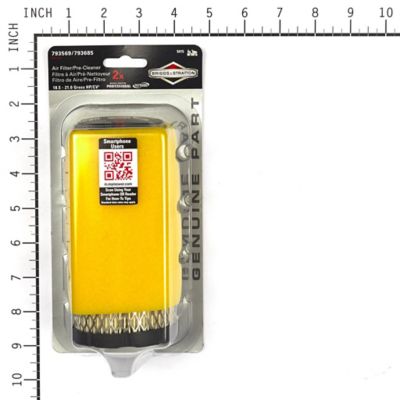
Briggs And Stratton Filters offers a related place to look, with the same need to verify the engine and part-number match. Walk-behind mowers, riding mowers, and zero-turn machines may call for different filter styles even when they handle similar mowing chores. Gas-powered mower engines need the specified intake filtration; battery-powered electric mowers do not have a combustion-engine air filter. For a homeowner keeping the yard tidy, a property owner maintaining fence lines, or a grounds crew covering several lawns, choosing by the actual engine application helps keep a routine maintenance purchase straightforward. It also avoids the trouble of opening the air cleaner housing halfway through an afternoon’s work and finding that a nearly matching filter leaves a gap around the edge.
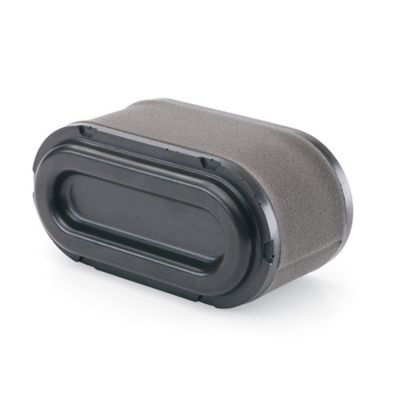
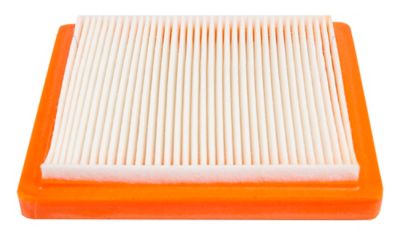
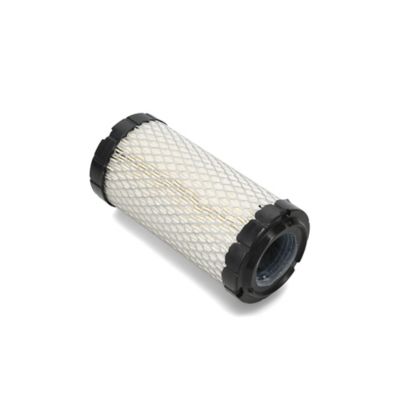
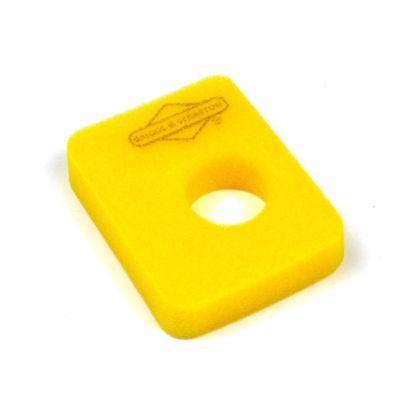
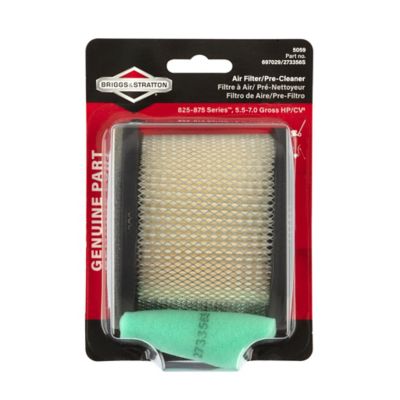
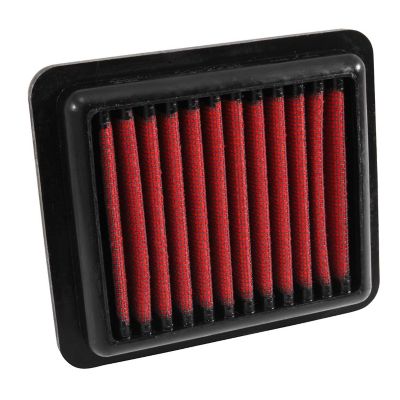
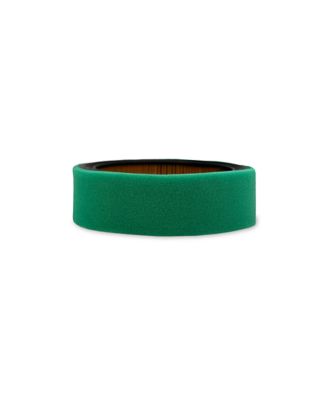
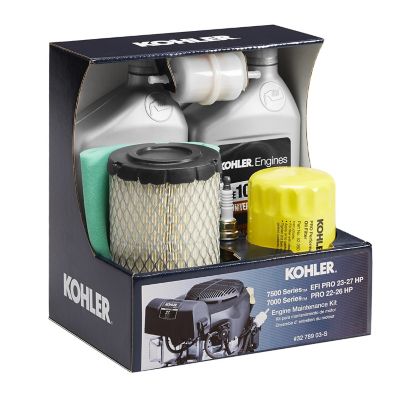
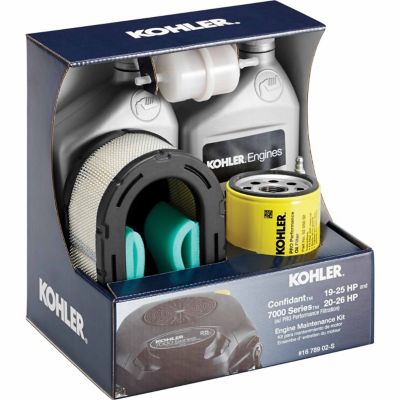
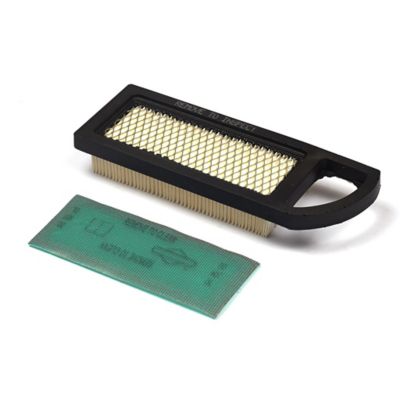
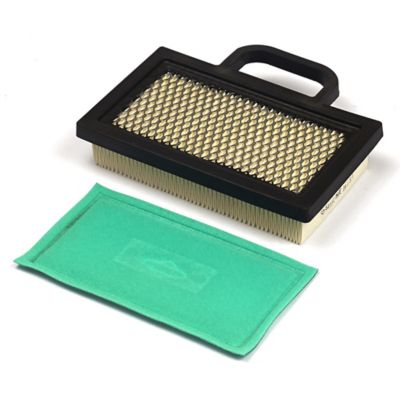
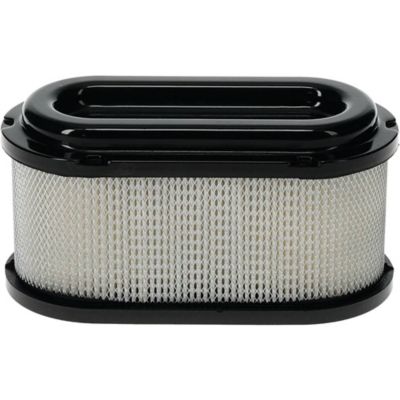
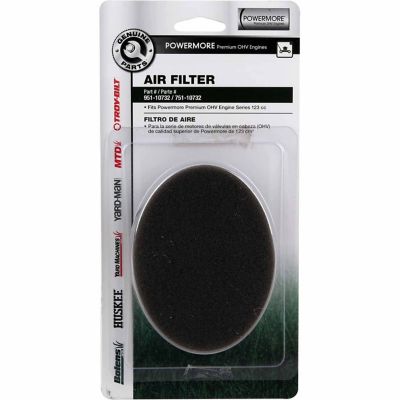
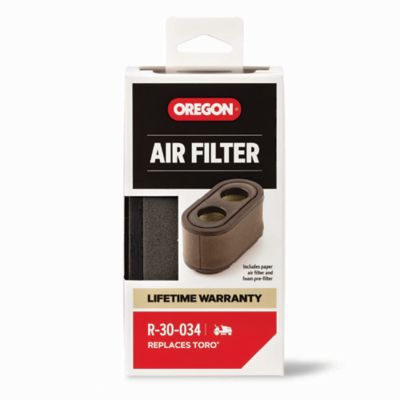
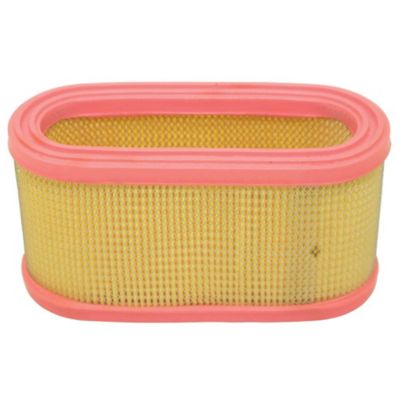
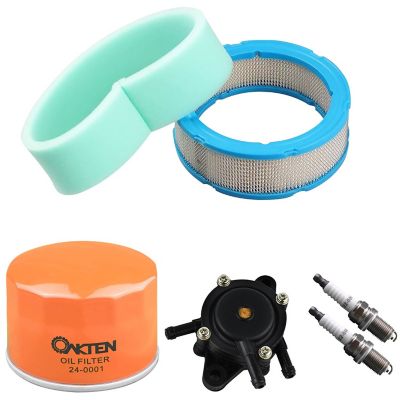
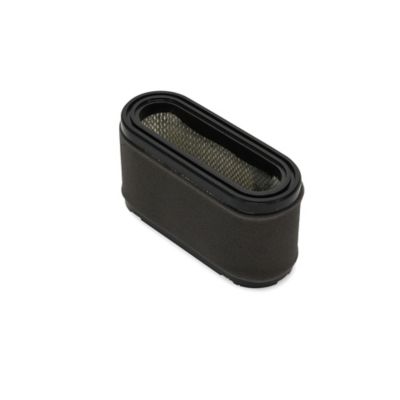
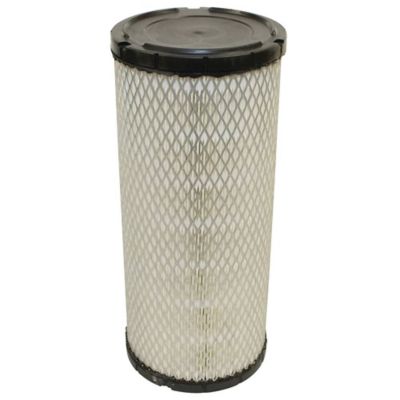
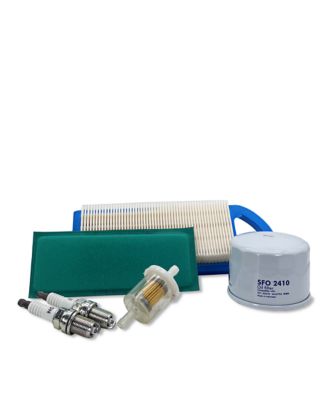
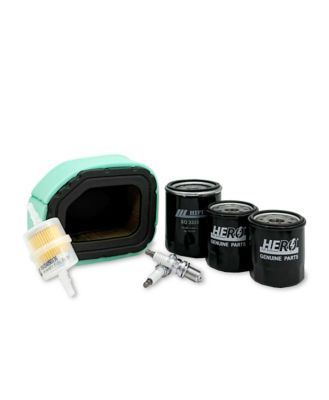
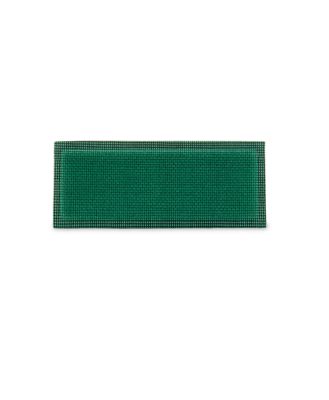
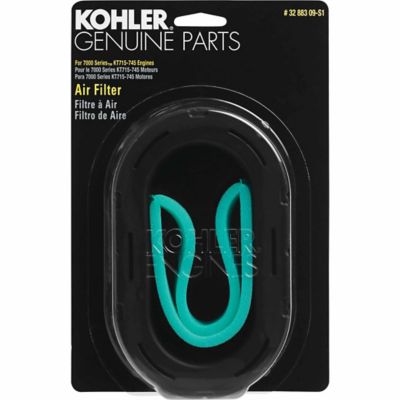
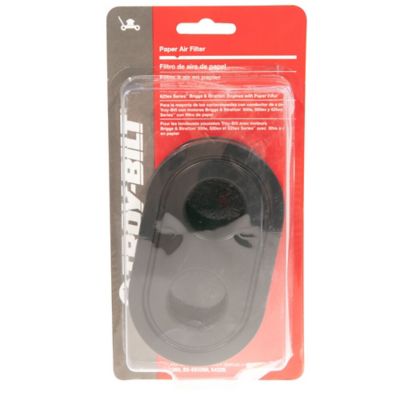
Mower air filters come in several constructions, with pleated paper, foam, and combinations of the two serving different engine designs. Pleated paper provides a large filtering surface within a compact space, while the surrounding frame and sealing edges help direct incoming air through the filter rather than around it. Depending on the application, the element may sit in a flat panel housing or form a cylindrical cartridge. Foam may act as the main filtering element in some engines or as a prefilter around a paper element in others. A prefilter catches some of the larger debris before it reaches the main filter, which can be especially useful where mowing kicks up dust near driveways, dry bare spots, or livestock areas. Not every engine takes a prefilter, though, and adding one where it is not specified can interfere with fit or airflow. The complete assembly matters: filtering material, support structure, gasket surfaces, and any required sleeve all need to suit the engine’s design. A neatly seated element with intact edges does more for protection than a thicker-looking filter that does not belong in the housing. Service life depends on mowing conditions as well as construction. Fine soil hanging over a dry field edge can load a filter sooner than regular mowing over a thick, lightly damp lawn. A mower working around fallen leaves may also draw in a different mix of dust and fragments than one clipping open turf. For that reason, there is no single replacement interval that fits every property or every mowing schedule. The engine maker’s service schedule is the starting point, with closer attention under dusty conditions. A filter with torn media, cracked sealing material, or damage that prevents a proper seal needs replacement even if it has not reached the usual service interval. Intended use matters more than appearance: the goal is to catch debris while preserving the airflow the engine was designed to receive.
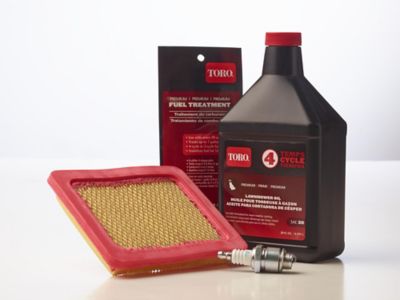
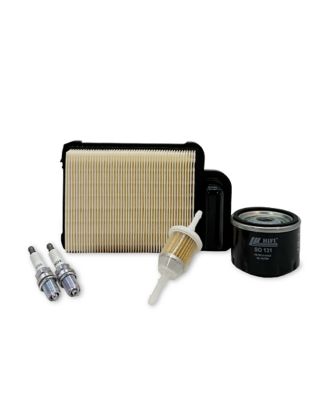
Care requirements depend on the filter material, and the distinction between a paper element and a serviceable foam element is worth knowing before choosing a replacement. Pleated paper mower air filters generally are not washable. Water, solvents, aggressive brushing, or high-pressure air can damage the media, sometimes without leaving an obvious tear. Any permitted cleaning method should come from the engine manual; a heavily loaded or damaged paper element calls for replacement. Some foam elements and prefilters can be cleaned with mild soap and water, then dried completely, but oiling requirements vary. Certain foam filters need the specified type and amount of oil, while others must remain dry. Treating every foam piece the same way can restrict airflow or compromise filtration. A replacement filter also works best in a sound air cleaner assembly, with a cover that fastens properly and sealing surfaces free of debris. Loose clips, a cracked housing, or dirt trapped along an edge can let unfiltered air bypass an otherwise suitable element. Routine checks belong with the engine shut off and cool, following the mower’s safety instructions, and the engine should not run with the filter removed. Restricted airflow can contribute to reduced power or rough running, although those symptoms can have other causes and do not prove the filter is at fault. For folks mowing around barns, along tree rows, or across a few acres, keeping the correct replacement on hand can make scheduled upkeep easier to fit between chores. An extra filter belongs in clean, dry storage, protected from moisture, spilled fuel, crushing, and shop dust until it is needed. During the cooler months, mowing may slow down, but dry leaves and dusty grass can still put the intake filter to work. Checking its condition before seasonal storage, according to the engine manual, also helps keep an overlooked maintenance task from carrying into the next mowing season. The best choice comes down to a confirmed fit, the specified filter construction, and care that matches both the engine and the ground it covers.