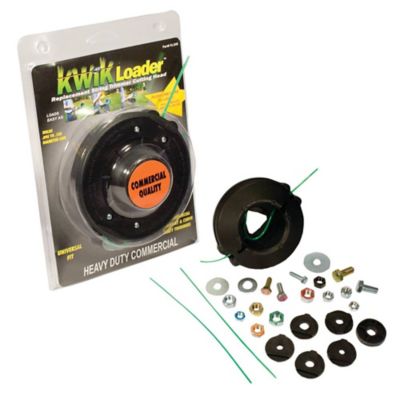
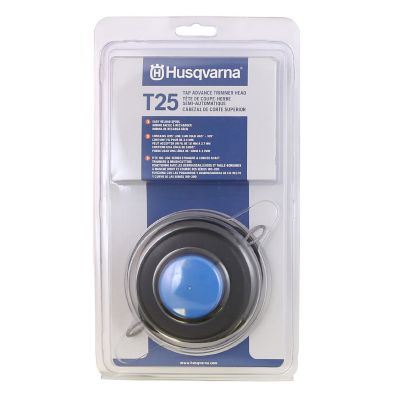
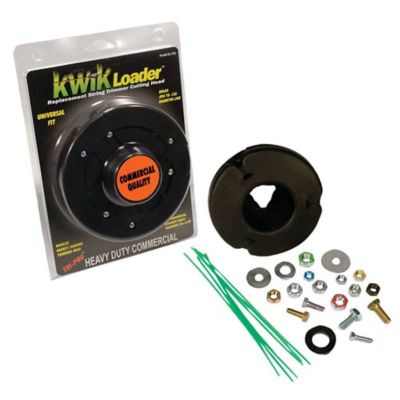
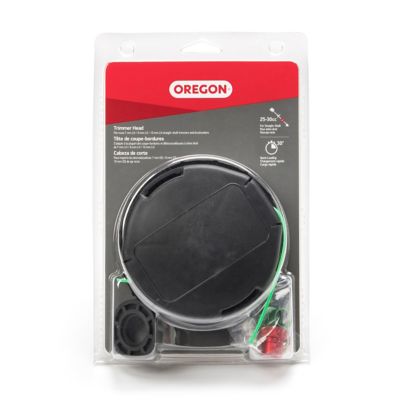
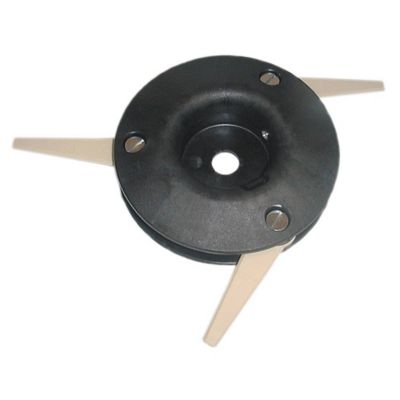
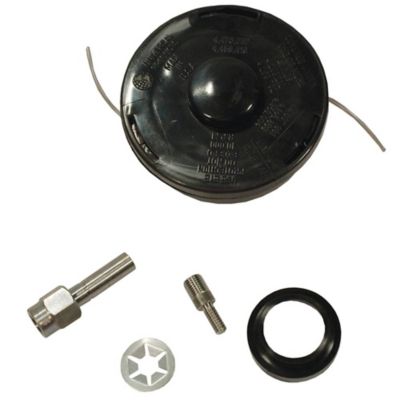
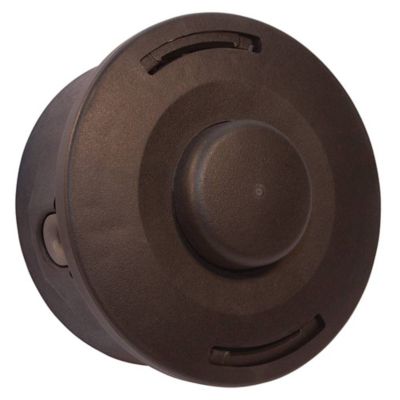
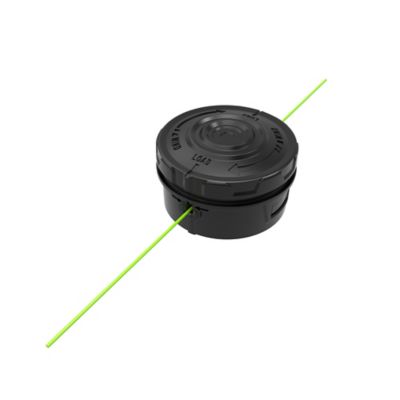
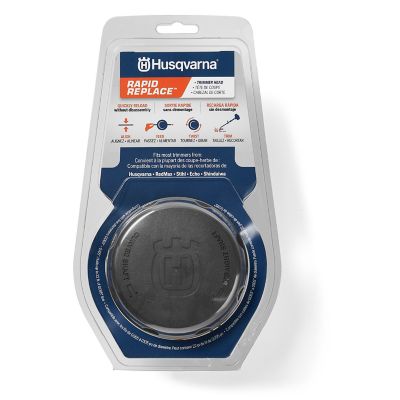
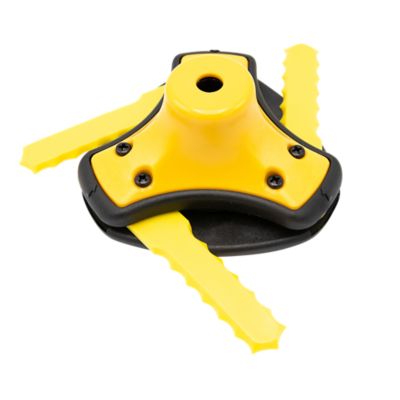
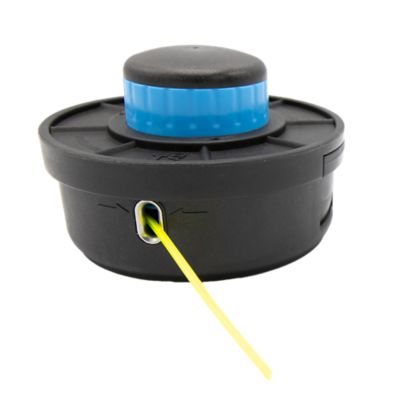
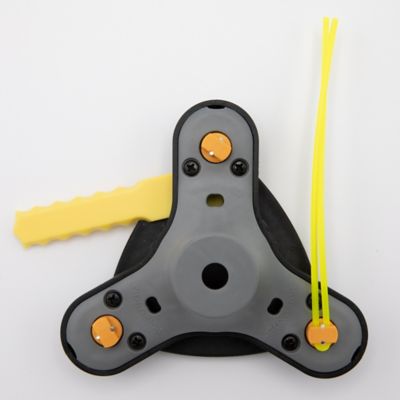
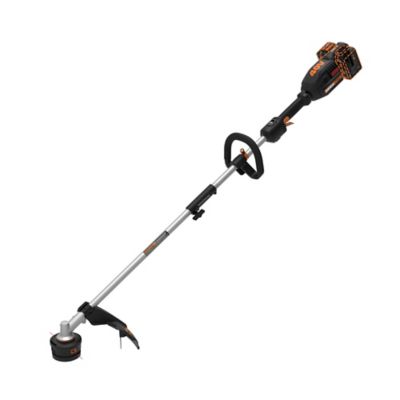
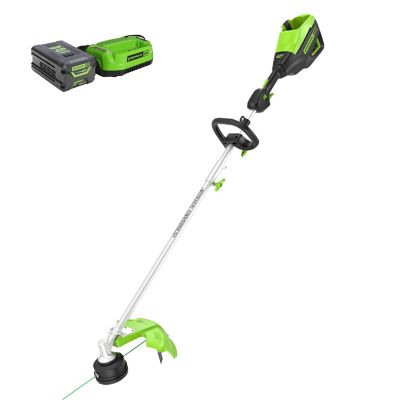
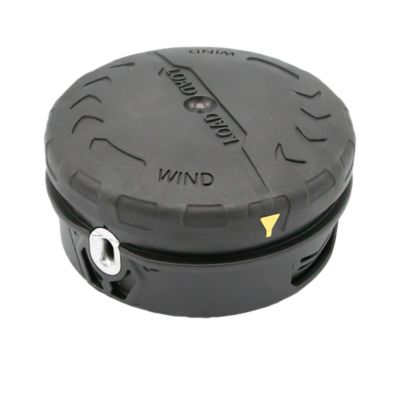
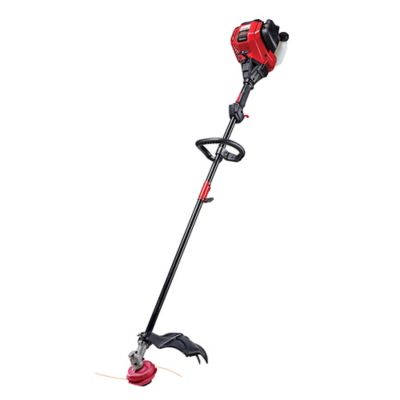
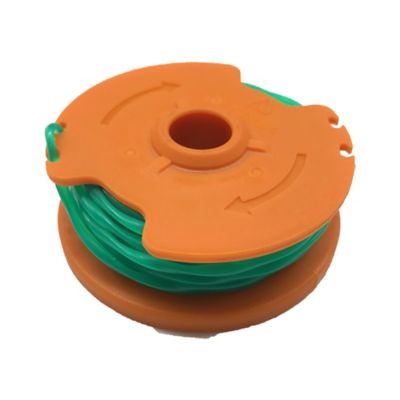
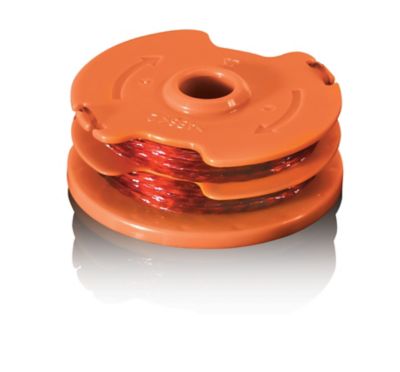
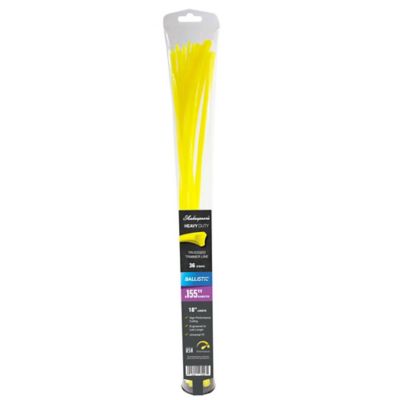
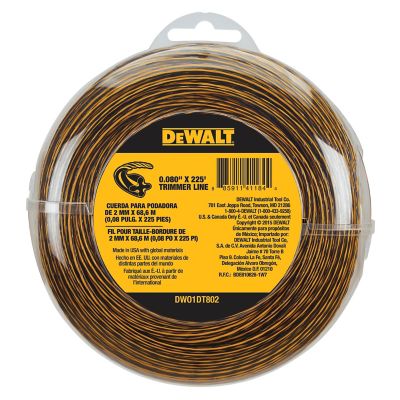
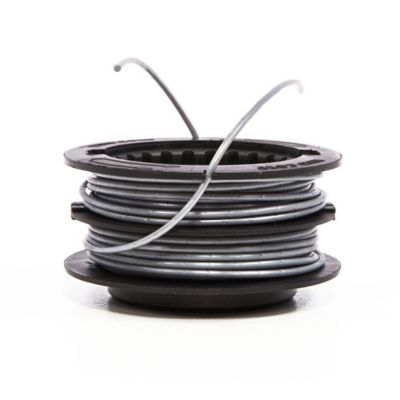
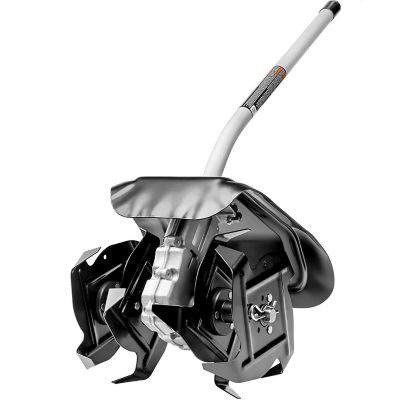
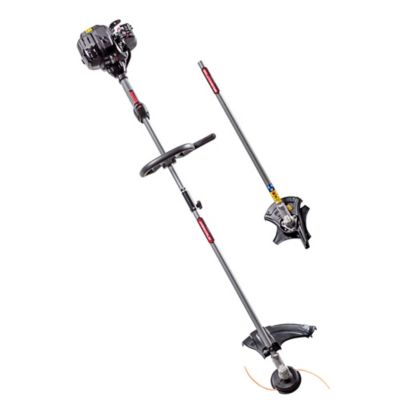
Easy load trimmer heads are string trimmer attachments designed to simplify replacing cutting line, often by letting fresh line pass through the head and wind onto the spool without opening the housing. That means less handling of loose spool parts when there’s grass to trim around gateposts, along a driveway or beside the equipment shed. The term covers more than one loading style, so the details matter. Wind-through designs generally take a measured length of line through aligned openings, then wind it into the head with a turning knob. Fixed-line designs hold separate, precut lengths instead of storing a continuous supply on a spool. Both can simplify loading, but they handle line replacement differently once the cutting ends wear down. Loading and feeding are separate features: an easy load head may still have a bump-feed mechanism that releases more line when the head is tapped against the ground as directed by the manufacturer. A fixed-line head typically calls for stopping the trimmer and replacing the short cutting lengths. For a homeowner keeping a small yard tidy, straightforward loading can make routine upkeep less of a chore. For someone tending a larger place, fewer loose parts and a loading system that’s easy to handle can help keep the job moving between fence corners and outbuildings. The right choice depends on the trimmer, the growth being cut and how the operator prefers to manage line. Grass around a mailbox calls for a different approach than heavier growth beside a long lane, and a convenient head still needs to stay within the machine’s cutting limits. These heads are meant for compatible trimmer line, not wire, chain or improvised cutting attachments. They also don’t turn a grass trimmer into a brush cutter. Around young trees, wood posts and painted siding, careful clearance matters just as much as an easy reload, since spinning line can mark surfaces and injure bark.
Fit comes first when comparing easy load trimmer heads. A head has to match the trimmer’s mounting system, shaft requirements and direction of rotation, along with any adapters specified by the head manufacturer. Straight-shaft and curved-shaft machines can have different requirements, and a head labeled for broad compatibility still needs a model-by-model check. Gas, battery-powered and corded electric trimmers are not interchangeable simply because their heads look similar from the outside. Thread size, thread direction and the way the head connects to the drive all affect whether an attachment belongs on a particular machine. When comparing
Trimmer Head Replacements, the equipment model number and the manufacturer’s fit information are better starting points than appearance alone. Cutting line matters, too. The head and trimmer must both support the selected diameter and line type; a head that accepts thicker line does not mean the motor or drive system can handle it. Common diameters such as .080 inch and .095 inch are not automatic substitutes for one another. Line shape, recommended loading length and spool capacity also affect how a head loads and runs. Too much line can crowd the spool, while uneven cutting ends can contribute to vibration. Thicker line is not automatically the better choice, especially on equipment designed around a lighter cutting setup. Materials and construction deserve a close look as well. Molded polymer housings keep weight manageable, while reinforced sections and metal eyelets can help address wear where line exits the head. The bump knob, spool and mounting hardware each take different kinds of strain during regular work. A compact head may suit tight spaces, while a larger housing can change clearance and handling near posts or edging. Overall weight matters during a long stretch of trimming, particularly when the head is farther out on an extended shaft. Compatibility with the original guard and line-cutting blade remains part of the complete setup, rather than an afterthought.
Day-to-day handling is where the differences between easy load designs become most noticeable. Alignment marks that are easy to see, a winding knob with a comfortable grip and line openings that are simple to reach can all make reloading less fussy. Those details are worth considering for anyone who finds small spool tabs awkward or regularly wears work gloves while handling equipment that is fully shut down. A head that loads neatly on a workbench should also be manageable beside the barn, where grass clippings and dust tend to collect around the housing. Easy loading does not eliminate routine care, though. Packed grass, grit and wrapped vegetation can interfere with moving parts, and repeated contact with rocks or concrete can wear a bump knob or housing. Resting the head on the ground while cutting can add unnecessary wear; bump-feed operation calls for the contact described in the manufacturer’s directions, not continuous dragging. Before loading line, clearing buildup or checking hardware, the trimmer needs to be shut off and secured against starting according to its manual, whether that means removing a battery, unplugging a cord or disconnecting a spark plug lead. Cleaning methods should follow the head manufacturer’s directions, especially around internal springs, bearings and drive connections. Cracks, missing pieces, a loose mount or persistent vibration call for attention before the next trimming job. Keeping line in its recommended storage conditions and keeping the head out of prolonged direct sunlight during storage can also help protect nonmetal parts. For routine work around a home, small acreage or farmyard, a practical choice balances straightforward loading with proper fit, comfortable handling and parts that can be inspected and serviced. Eye protection, suitable clothing and clearance from people, animals and windows remain important with any cutting head. A well-matched easy load design keeps the focus on trimming the grass rather than wrestling with a spool, without asking the equipment to do more than it was built to handle.