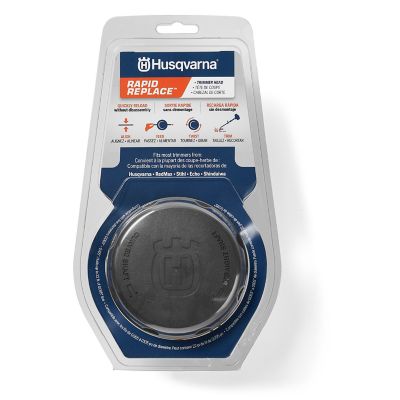
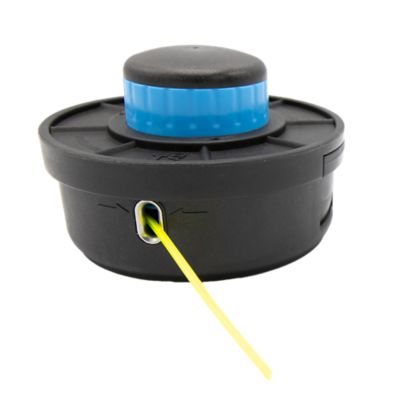
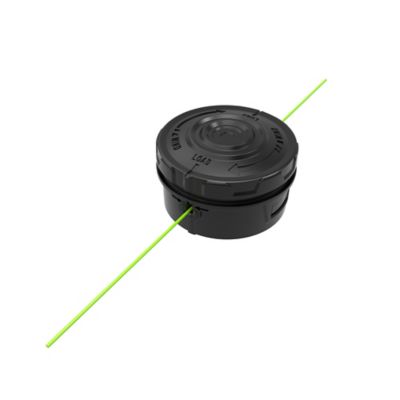
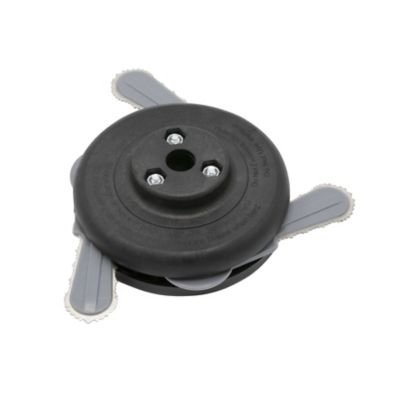
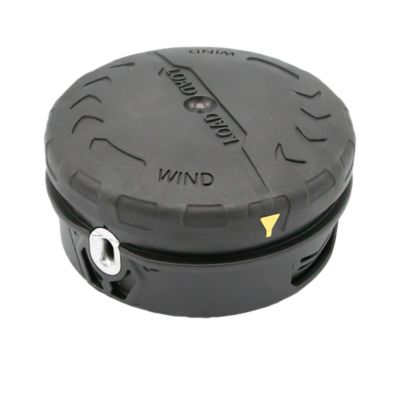
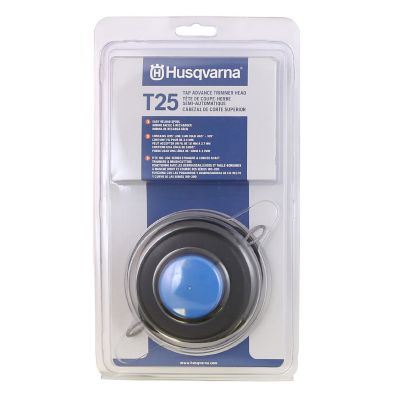
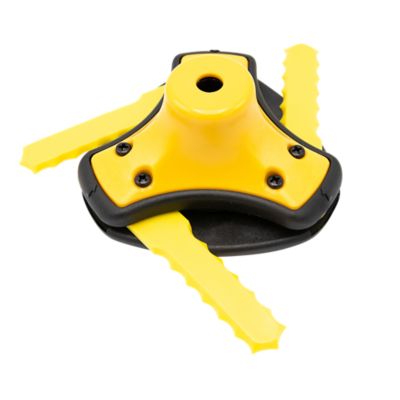
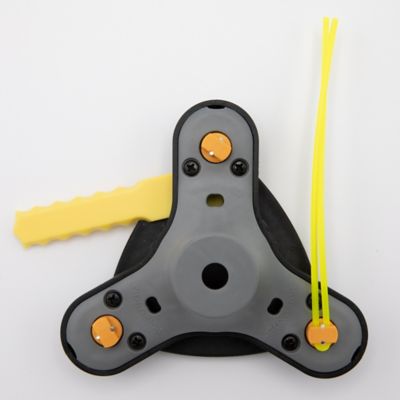
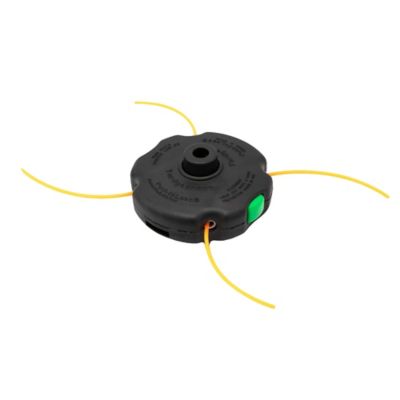
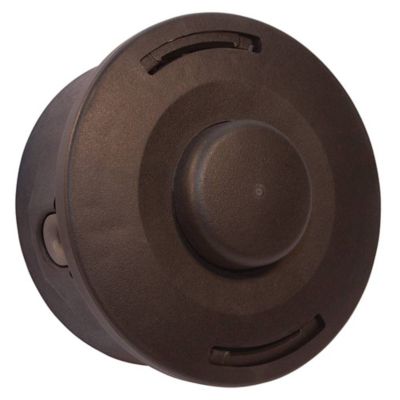
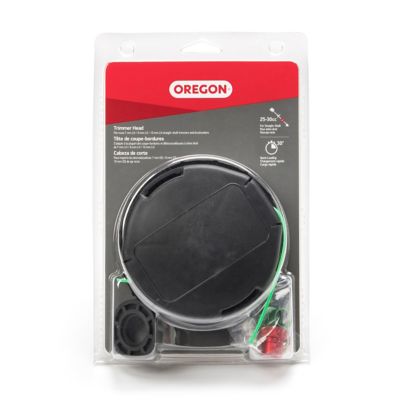
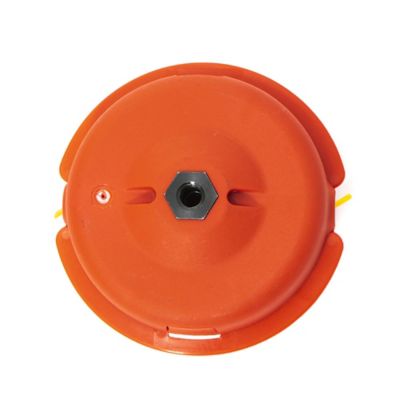
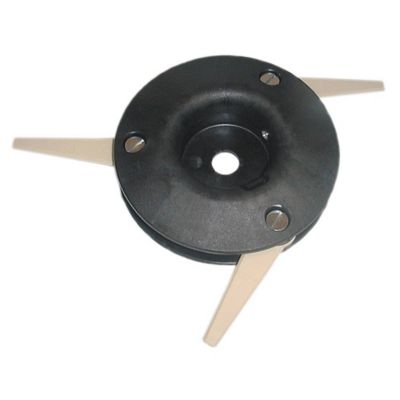
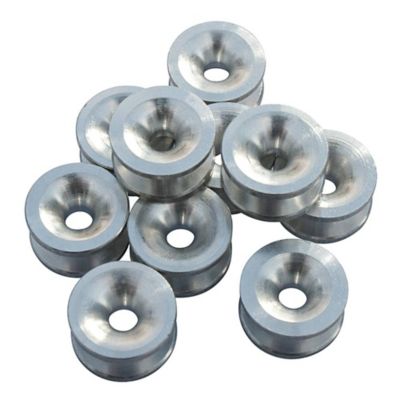
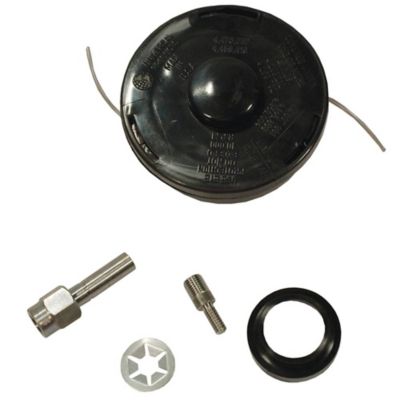
Trimmer head replacements are the cutting attachments that hold and feed the line on a string trimmer. Depending on the design, a head may include a housing, spool, cap, spring and line outlets, while other styles hold short lengths of line without a spool. A compatible replacement can bring a trimmer back to steady cutting when a cracked housing, worn line outlets or a damaged feed mechanism gets in the way. For a small yard, that might mean getting back around porch steps and along a driveway. On a larger place, it might mean trimming grass beside outbuildings, around gate openings or along stretches of fence that the mower cannot reach. Different feed styles suit different work habits. Bump-feed heads advance line when the head is tapped against the ground as directed by the equipment manufacturer, helping keep the job moving without stopping for every adjustment. Automatic-feed heads release line through the trimmer’s feed system, with operation depending on the tool’s design. Fixed-line heads hold separate pieces of line that need replacement as they wear down. Those simple distinctions matter when the trimming job covers more than a few feet of lawn. Someone working around several sheds may favor a feed system that limits interruptions, while a person handling short touch-up jobs may prefer the straightforward loading arrangement of a compatible fixed-line head. The head also needs to suit the vegetation and the machine, not just the size of the property. Fine grass beside a walkway puts different demands on the cutting line than thicker weeds along an open boundary. Even with a fresh head, string trimmers need some room around tender tree bark, fence wire and other surfaces that can catch line or suffer damage from contact. A replacement head restores a working part of the tool; it does not change the trimmer’s intended purpose or cutting limits.
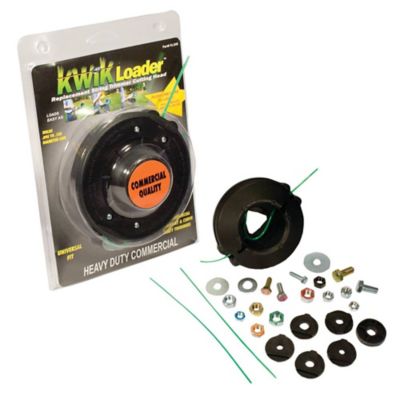
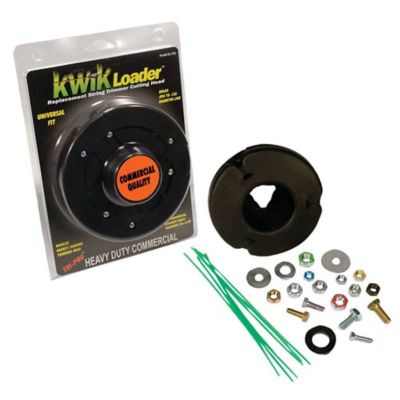
Fit comes first when comparing replacement trimmer heads. The trimmer’s model number, shaft connection, thread size, thread direction and approved attachment requirements are more useful than appearance alone. Two heads that look much alike can have different mounting arrangements, and a head described as fitting multiple trimmers may still require particular adapters or hardware. Straight-shaft and curved-shaft machines can differ in their connections and rotation, but shaft shape by itself does not establish compatibility. Gas, corded electric and battery-powered trimmers also have their own operating requirements. A head must match the machine’s specified attachment type, operating speed and line recommendations rather than simply fitting over the shaft. Some threaded connections have left-hand threads, so the direction for loosening or tightening is not the same on every machine. The equipment manual and the replacement head’s compatibility information settle those details without guesswork. Line diameter matters, too. A spool designed for one range of line sizes may not feed thicker line properly, and heavier line can put more load on a trimmer than it was designed to handle. Head size and weight also affect clearance, balance and operation, making an oversized attachment a poor substitute for a proper match. Materials help explain how different designs handle everyday wear. Molded polymer housings keep weight down, while some designs incorporate reinforced materials or metal line outlets at contact points. Smooth, intact outlets let line pass without snagging on rough edges; cracked housings and badly worn openings deserve attention even if the spool still turns. For shoppers who want less fuss when adding line, compatible
Easy Load Trimmer Heads can simplify reloading through designs that accept and wind line without taking the whole head apart. Loading methods still vary, so the right choice combines a convenient feed system with a confirmed fit. Spool capacity is another practical consideration: more line may mean fewer reloads, but capacity alone does not determine how well a head will work on a particular trimmer.
Care and condition have a lot to do with how long a trimmer head stays in service. Grass wrapped around the shaft, packed clippings beneath the head and grit inside a spool can interfere with feeding or keep parts from seating properly. Clearing that buildup according to the equipment manual makes it easier to spot a split cap, loose hardware or damage around the mounting point. Any inspection or service calls for the trimmer to be shut down and isolated from its power source as directed by the manufacturer, whether that means unplugging a cord, removing a battery or disconnecting a spark plug lead. A head that will not feed does not always need complete replacement; tangled line, an incorrectly wound spool or worn service parts can cause similar trouble. On the other hand, a broken housing, damaged mounting connection or cap that no longer locks securely is more than a loading nuisance. Unusual vibration or a head that sits crooked calls for stopping the machine and checking the assembly before more trimming. Replacement heads should attach with the specified hardware and any required adapters, leaving the guard and other safety equipment in place. Improvised spacers, forced threads and mismatched components can turn a routine repair into a bigger problem. For property owners, grounds crews and anyone responsible for keeping grass out of tight spaces, the most useful head is one that fits correctly, feeds consistently and stays manageable through the work at hand. Keeping the recommended line on hand and storing the trimmer with the head clean makes the next job simpler. Eye protection, sturdy footwear and the manufacturer’s required protective gear remain important with every head style, especially around gravel and other loose material. A well-matched replacement keeps the focus on finishing the fence corner, clearing around the mailbox and reaching those narrow strips the mower leaves behind.