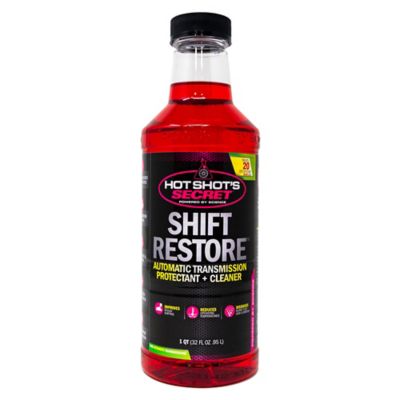
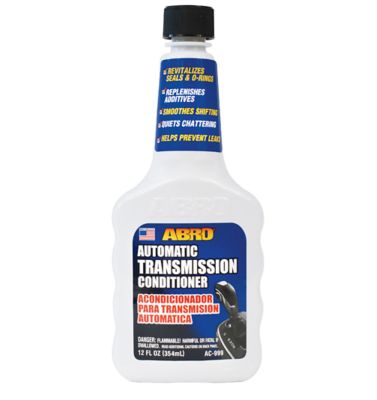
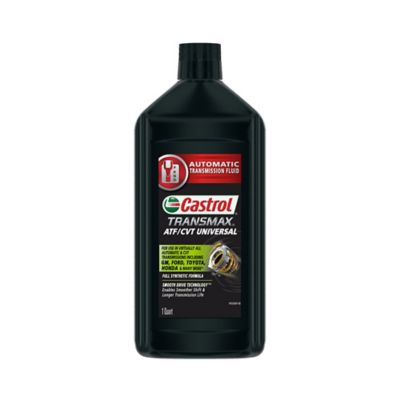
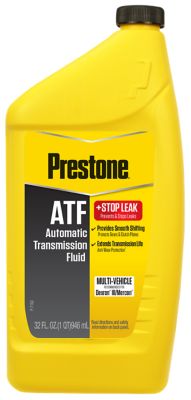
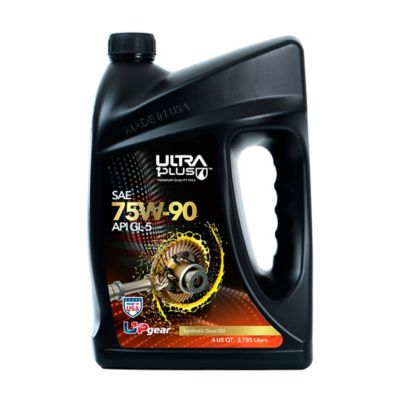
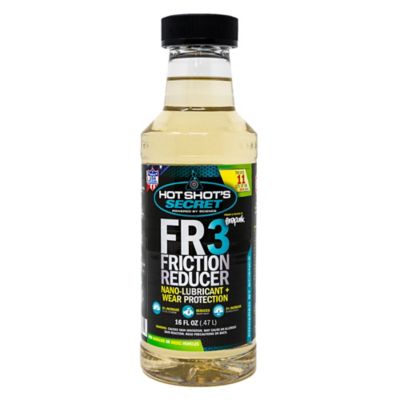
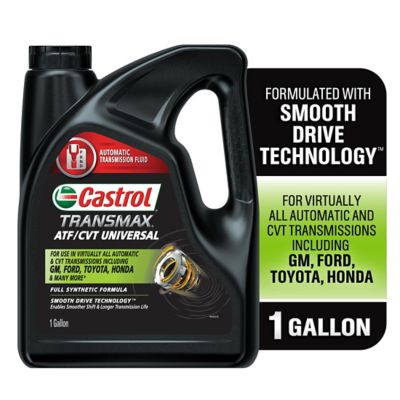
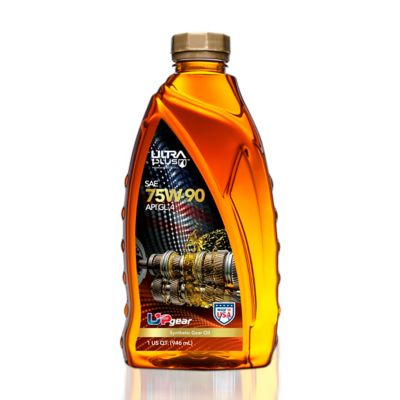
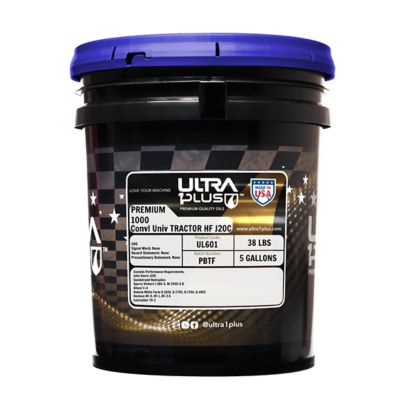
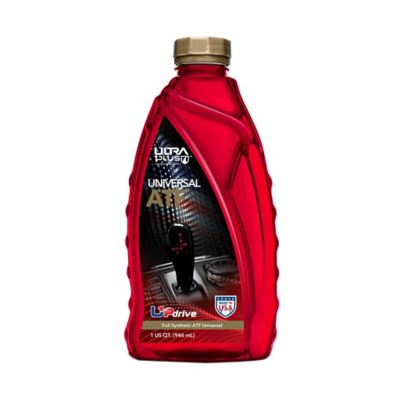
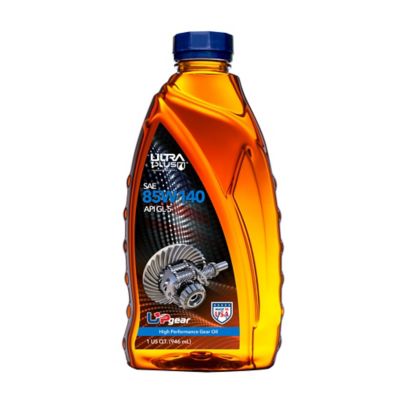
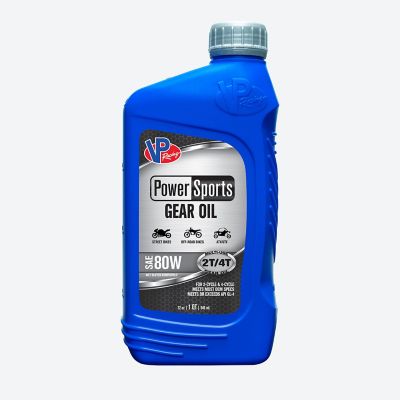
Keeping your truck, tractor, or daily driver running smooth through the heart of summer and into the cooler days of fall often comes down to the little things—like making sure your transmission is in good shape. Folks who spend long days in the field or haul heavy loads know just how much strain shifting gears can put on a vehicle, especially when the work doesn’t slow down for the heat or the harvest. That’s where transmission additives come into play. These chemical treatments are designed to help keep automatic and manual transmissions running their best, whether you’re dealing with an older rig that’s starting to show its age or just want to get ahead of wear and tear. Transmission additives can help quiet down noisy components, condition rubber seals to prevent leaks, and improve the overall performance of your transmission fluid. If you’re noticing a bit of slipping, rough shifting, or hesitation when you put your truck in gear, the right additive can offer a cost-effective fix that keeps you moving until you can schedule a full repair. While they won’t replace a mechanic when there’s serious damage, they can be a real lifesaver for minor issues—especially when you’ve got a full season of work ahead and downtime just isn’t an option.
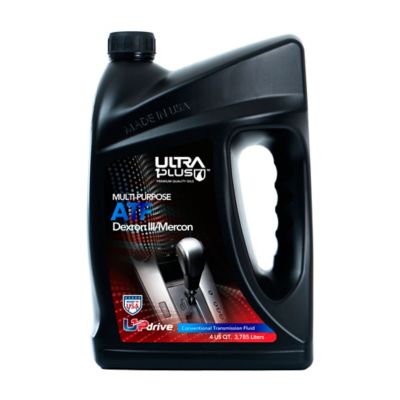
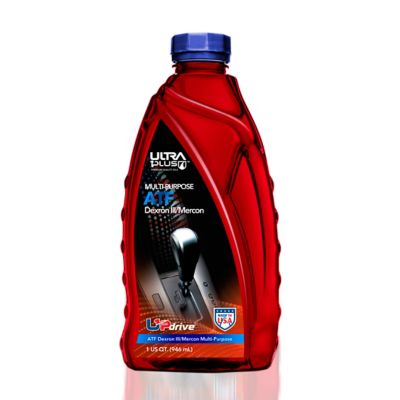
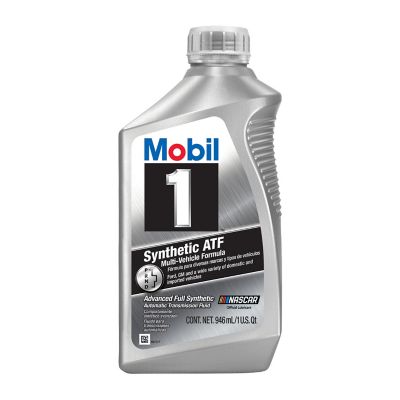
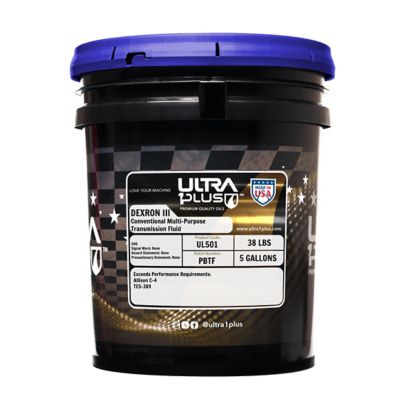
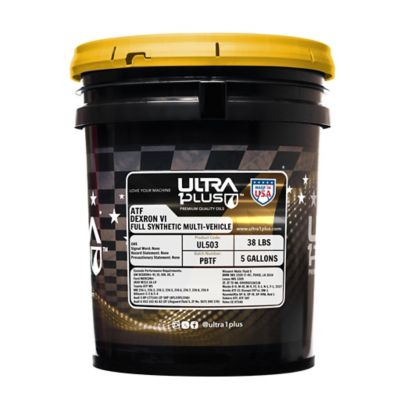
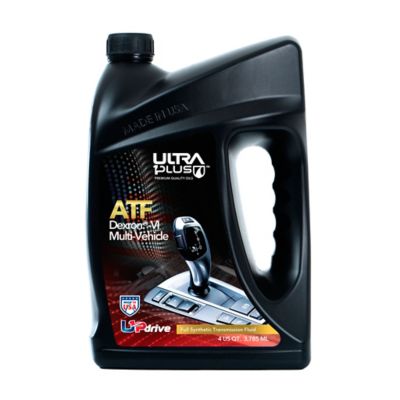
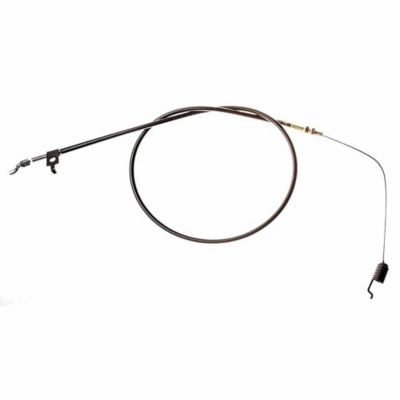
When you’re looking to pick up a transmission additive, it’s important to match the product to your specific needs and equipment. Not all additives are compatible with every transmission type, so it’s worth double-checking whether your vehicle has an automatic, manual, CVT, or dual-clutch system before making a choice. Many rural folks keep a bottle or two of ATF Dexron III power steering fluid on hand, since it’s often compatible with a range of older trucks and farm equipment, but always check your owner’s manual or talk to your local mechanic if you’re unsure. Additives can be especially helpful for those who put their vehicles through tough conditions—think towing livestock trailers, hauling hay, or navigating muddy back roads after a summer storm. They’re also a thoughtful gift for anyone in your life who takes pride in keeping their vehicles running strong, from the neighbor who’s always tinkering in the barn to the young farmer just getting started with their first pickup. And if you’re tackling a bigger project or notice shifting problems that won’t quit, you might also want to take a look at your cables and linkages; you can find what you need over at our
Transmission Cables page.
Using a transmission additive is pretty straightforward—just add it to your existing fluid according to the instructions, drive for a bit, and keep an eye out for improvements in shifting and performance. Some folks swear by these treatments for extending the life of their vehicles, especially as parts start to wear and seals dry out over time. Additives can help reduce heat, minimize friction, and even dissolve harmful deposits that build up after long hours on the road or in the field. For anyone who depends on their vehicle season after season, a little preventative care with the right transmission additive can go a long way toward avoiding bigger problems down the line. Whether you’re gearing up for the busy months ahead or just want to keep your ride running smooth for weekend trips into town, having a trusted transmission additive on hand is a smart move for anyone who values reliability and peace of mind.