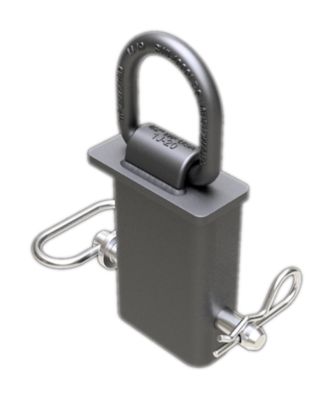
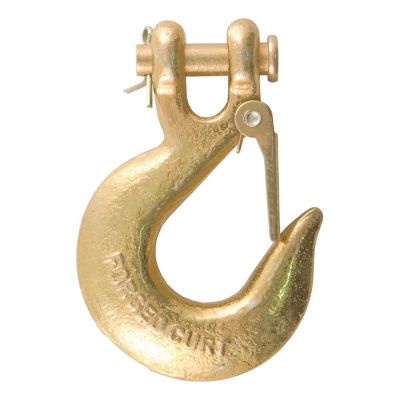
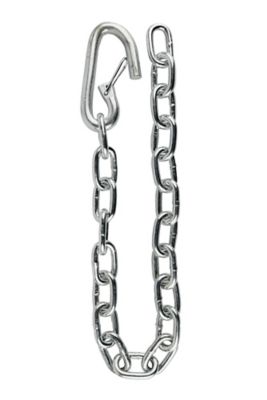
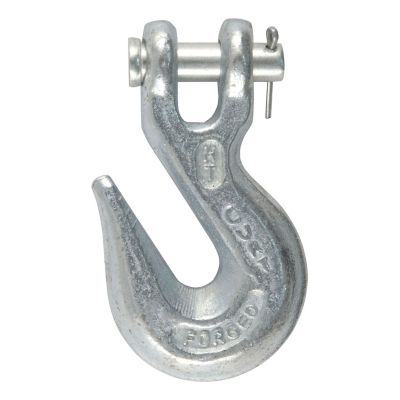
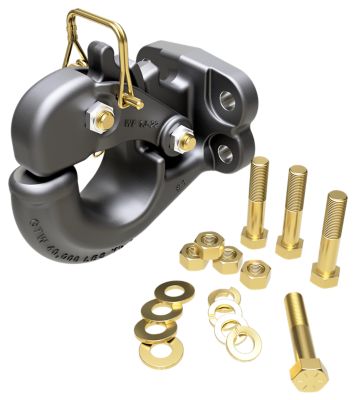
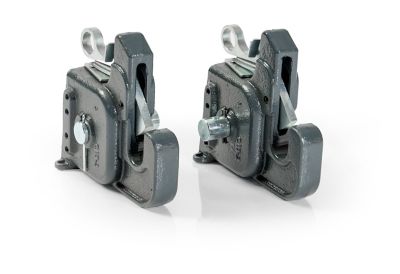
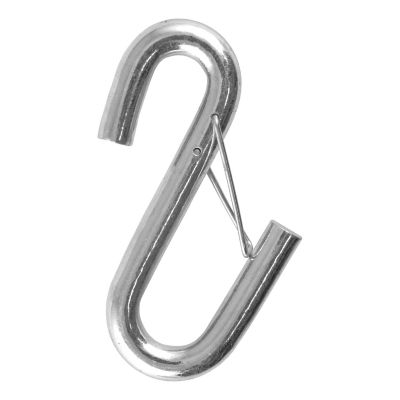
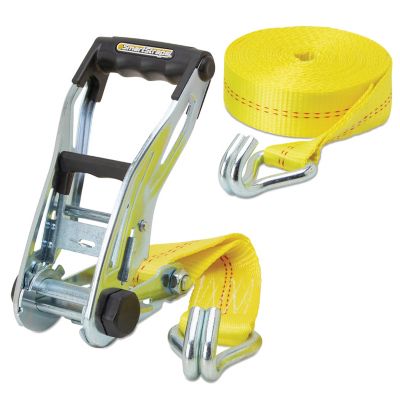
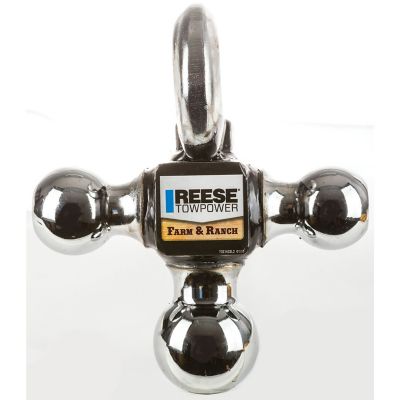
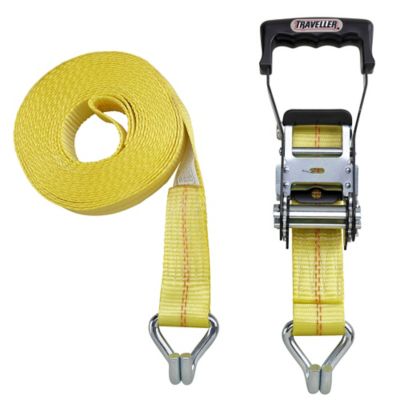
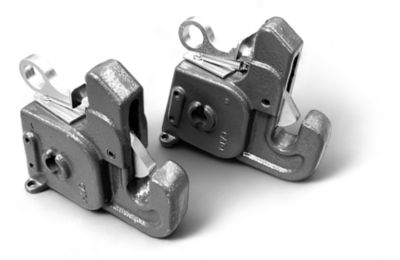
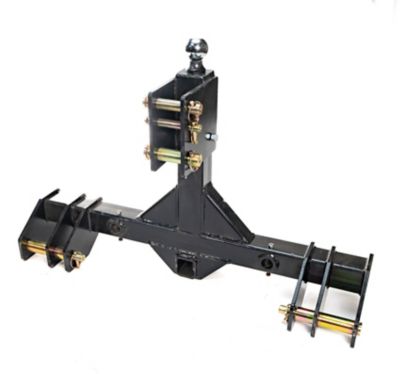
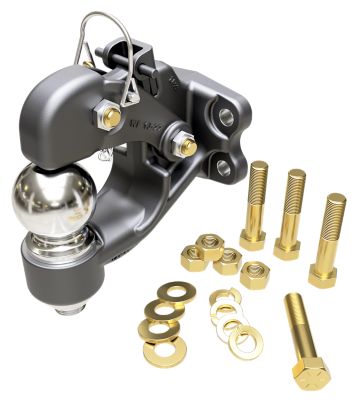
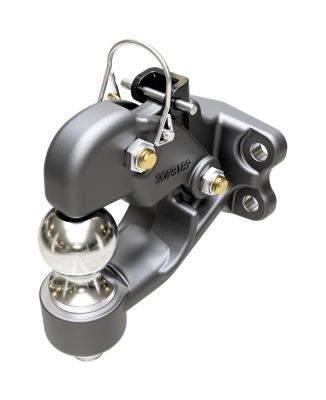
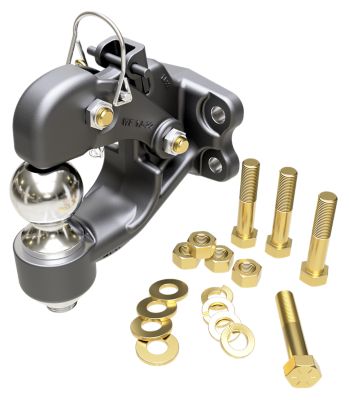
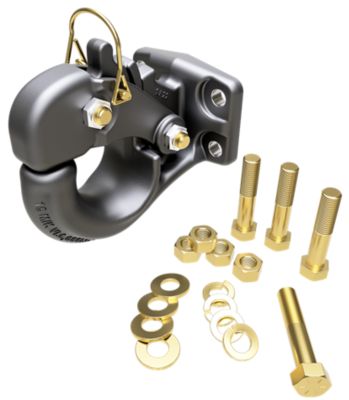
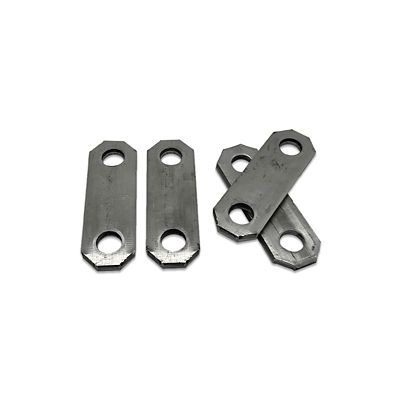
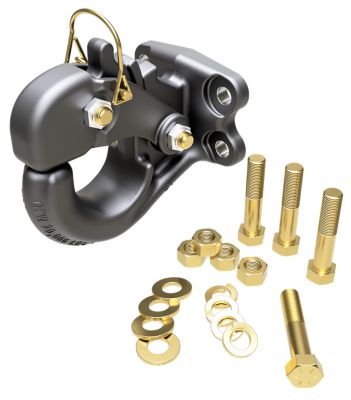
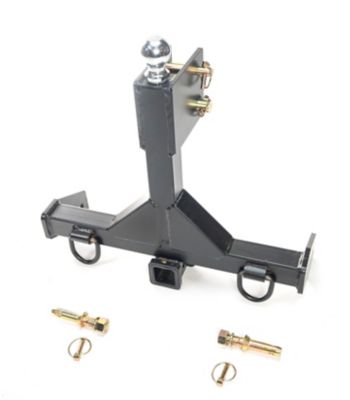
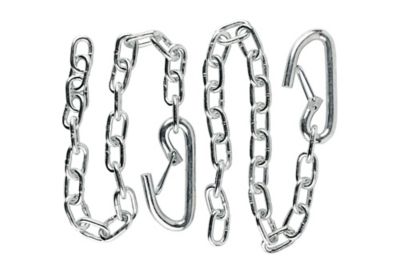
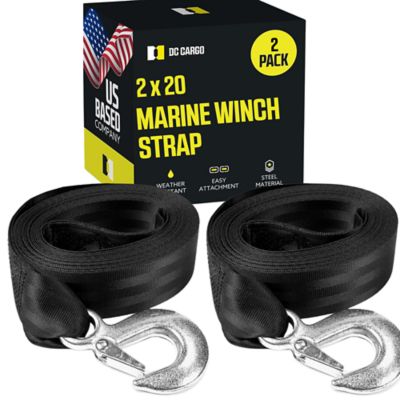
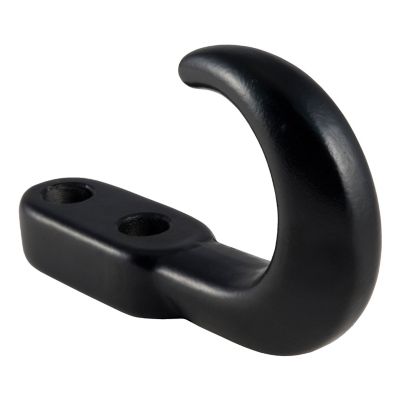
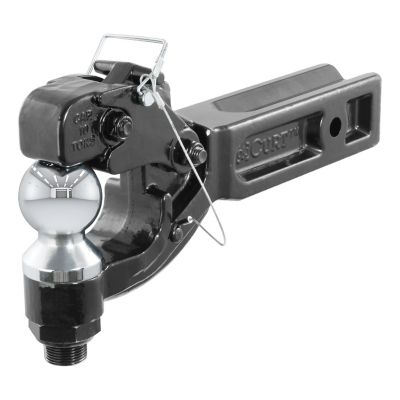
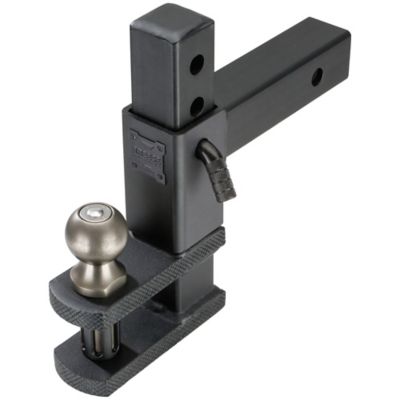
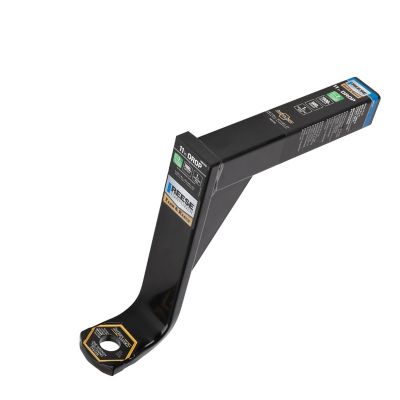
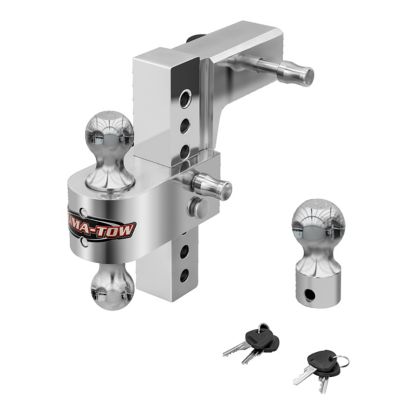
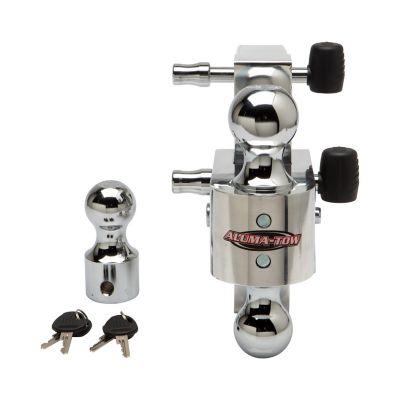
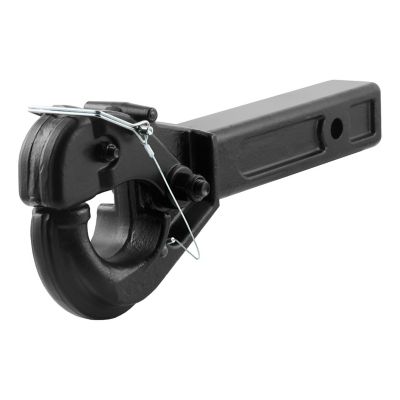
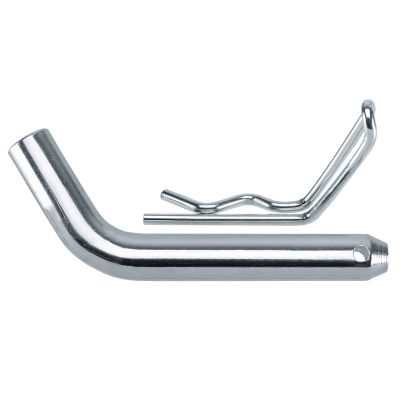
Trailer hooks are small pieces of hauling gear that can make a big difference when you need to secure a load, connect equipment or keep loose material from shifting during a trip. On a farm, ranch or rural property, a trailer may be called into service for everything from hauling feed and fencing supplies to moving firewood, lawn equipment, tools or a load of brush. The right hook helps create a dependable connection between your trailer, tie-down straps, chains or other securing equipment. Before choosing one, take a close look at the trailer and the jobs it handles most often. Consider the hook’s working load limit, overall size, opening style, shank length and the type of attachment point where it will be used. A hook that works well with a chain may not be the best match for a strap, while a hook made for a fixed mounting point may not be suited for frequent removal. Pay attention to the material and finish, too. Trailer gear spends plenty of time around rain, mud, gravel dust and road spray, so durable metal construction and a finish that helps resist corrosion can be useful for equipment that lives outside or rides in a truck box. It is also worth checking how the hook fits with existing anchor points, rails or tie-down hardware before placing an order. A snug, compatible fit makes loading easier and helps prevent the hook from twisting, slipping or rubbing against nearby parts during transport. For added versatility around the shop or barn, some haulers keep several sizes on hand so they can match the hardware to the load instead of forcing one hook to do every job.
Trailer hooks are useful for farmers, livestock owners, landscapers, contractors, hunters, campers and anyone who regularly moves bulky or awkward gear. A rancher may use them while securing panels, gates or supplies for a trip between properties, while a homeowner may reach for them when hauling a mower, a stack of lumber or storm cleanup debris. They can also be handy for utility trailers used to move hay, bags of animal feed, firewood and fencing materials during the cooler months, when wet ground and changing weather can make a secure load even more important. When putting a load together, place hooks in strong, properly rated attachment points and use enough tie-downs to control movement from side to side as well as front to back. Keep chains, straps and hooks away from sharp edges when possible, and avoid loading beyond the capacity of the trailer, anchor points or securing hardware. After tightening everything, walk around the trailer and check that hooks are fully seated, straps are not twisted and no loose ends can catch a tire or drag on the road. A quick stop after the first stretch of driving is a good habit, especially when the load is heavy, uneven or made up of several pieces. Inspect hooks before use for cracks, bent sections, stretched openings, heavy rust or other signs of damage, and replace worn hardware rather than trusting it for one more trip. Keeping the parts clean and stored in a dry place can help them stay ready for the next hauling job. For lighter-duty organizing and connection tasks, it may also help to browse
Trailer Clips alongside trailer hooks to build a setup that fits the equipment you already own.
Trailer hooks can be a practical gift for someone who spends weekends fixing up a property, hauling supplies or maintaining equipment. They fit naturally into a useful collection of trailer accessories for a new landowner, a first-time trailer owner, a do-it-yourselfer or a family member who is always helping neighbors with cleanup and moving jobs. They are easy to store in a toolbox, service truck or trailer bin, and having the right hook available can save a trip to town when a strap or chain needs a better connection point. For a gift, look for sturdy construction, a clear load rating and a shape that matches the recipient’s usual trailer setup. If you are shopping for your own hauling needs, count the existing anchor points and think through the loads you handle most often before choosing hardware. A compact hook may be convenient for lighter work, while a larger, heavier-duty style may be more suitable for demanding farm, construction or land-maintenance tasks when used with properly rated equipment. Trailer hooks are not a substitute for following safe loading practices, but they are a valuable part of a well-organized hauling setup. With the right match, they help make everyday jobs feel more controlled, whether you are carrying supplies down a gravel lane, bringing equipment home from a repair shop or getting a trailer ready for the next chore.