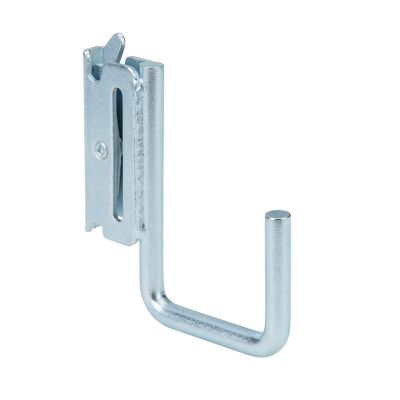
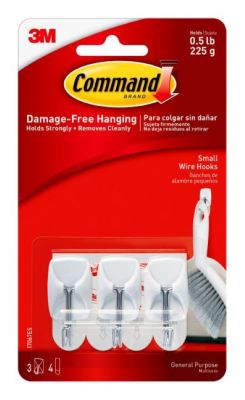
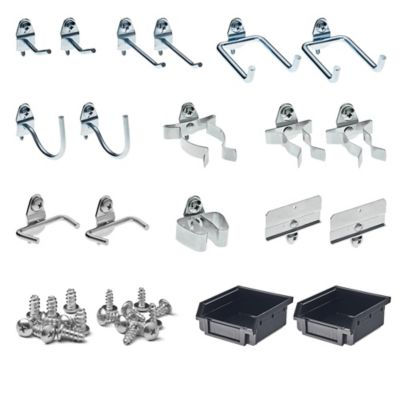
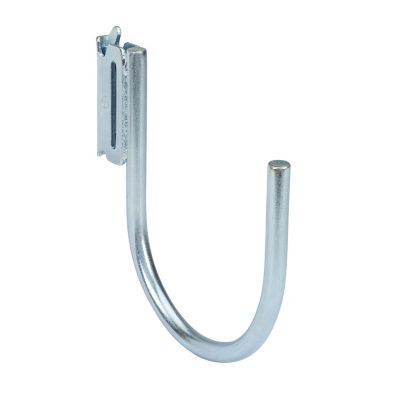
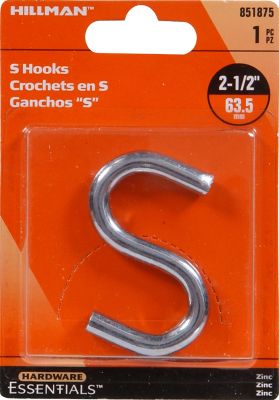
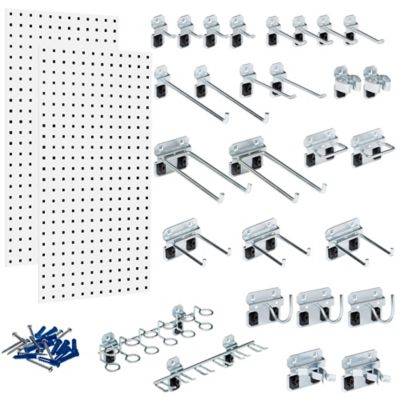
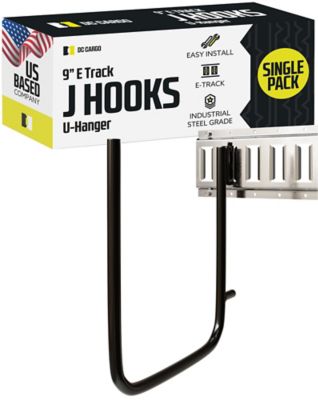
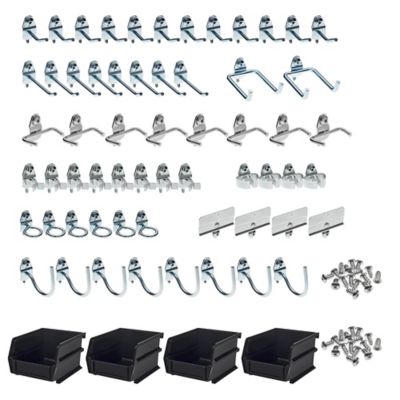
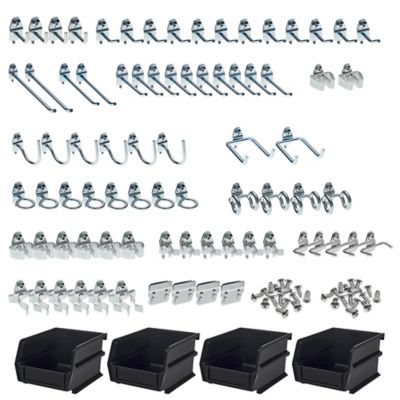
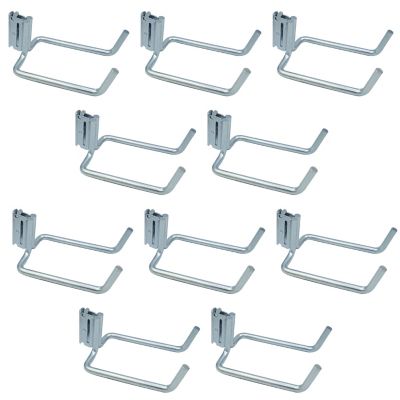
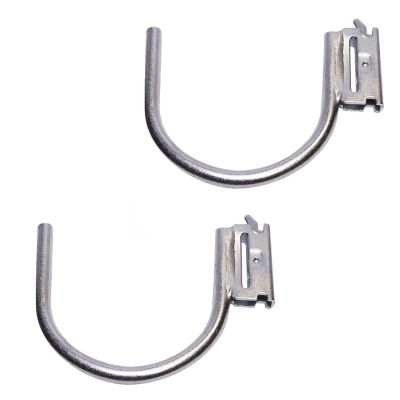
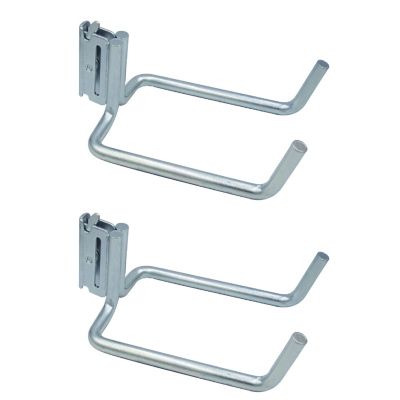
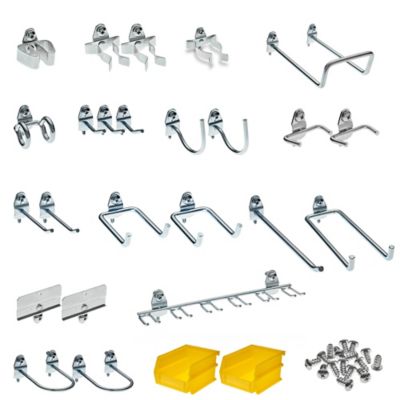
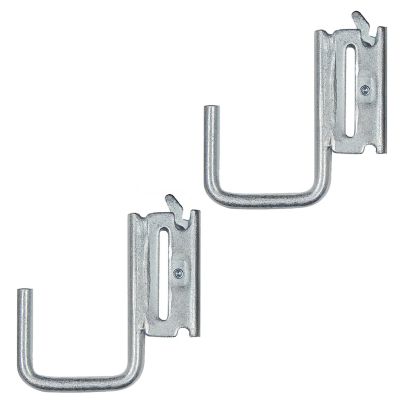
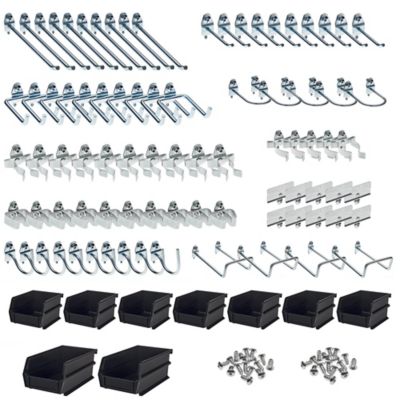
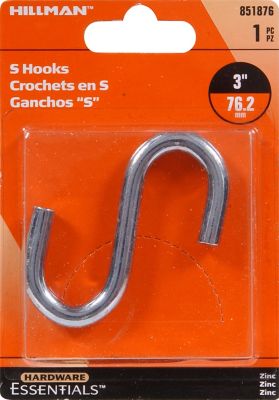
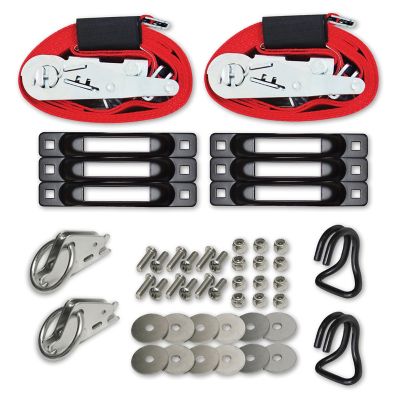
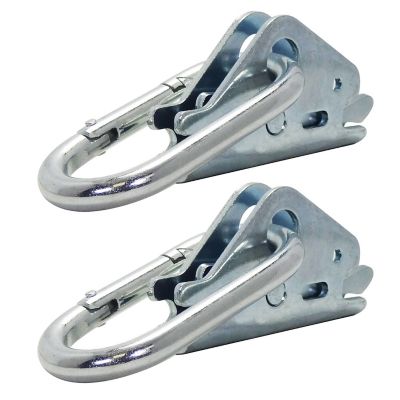
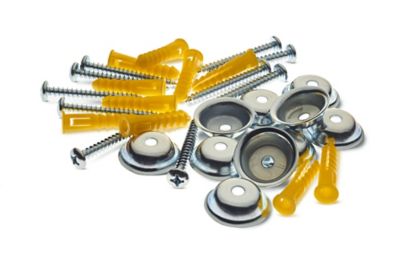
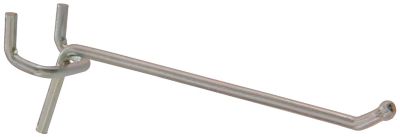
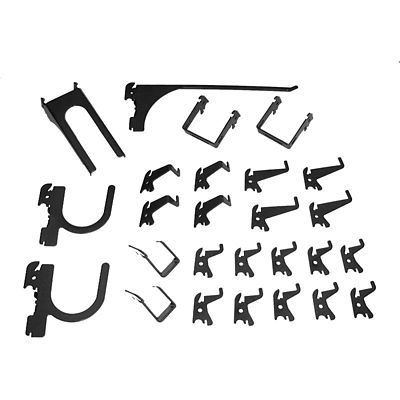
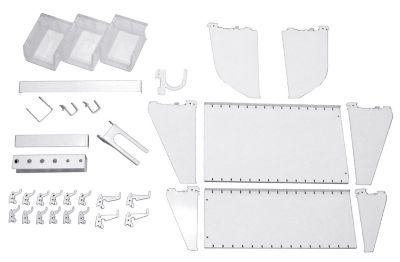
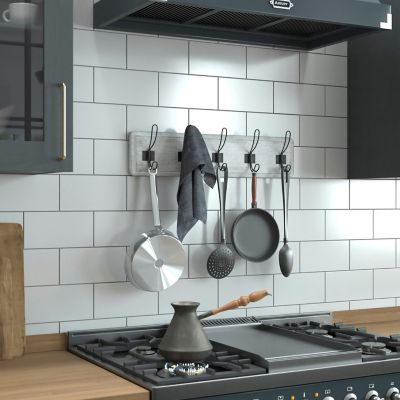
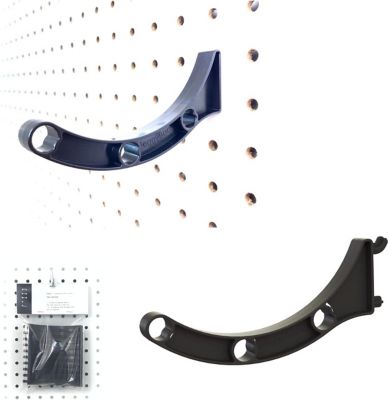
Hook systems give you a practical way to put often-used gear where it is easy to see, reach and return when the job is done. In a garage, barn, tack room, mudroom or workshop, a wall-mounted setup can turn a messy pile of hoses, hand tools, leads, cords and outdoor equipment into a cleaner working space without taking up valuable floor room. Instead of leaning everything in a corner, you can use a rail, track, panel or pegboard-style surface to arrange hooks around the way you work. Smaller hooks are handy for light tools, keys, gloves and shop accessories, while sturdier options can support bulkier gear when they are installed on a suitable wall and used within their rated capacity. A modular system is especially useful when your storage needs change with the seasons. As the weather warms, you may want frequently used garden and yard gear close to the door; during the cooler months, you can shift space toward winter workwear, extension cords and indoor project supplies. Look for hooks that match the mounting surface and the weight of the items you plan to hang. Some designs slide along a track for quick rearranging, while others fit into pegboard openings or lock into place with tabs, pins or spring-loaded features. A secure connection helps keep a hook from lifting out when you pull off a heavy coat or tool, and rounded edges can help protect handles, straps and clothing from unnecessary wear. For a closer look at wall-based organization options, browse
Storage Hooks and consider how each style will fit your available wall space, daily routine and storage load.
The right hook system starts with a little planning. Measure the wall area before buying, and check whether the mounting surface is solid enough for the intended use. Drywall, finished paneling, masonry and exposed studs all call for different fasteners, and a hook is only as dependable as the hardware holding the system to the wall. Keep heavier items low enough to lift safely and place frequently handled gear between shoulder and waist height. Leave room around each hook so straps, handles and cords do not become tangled, and avoid crowding items near doors, heaters, electrical panels or moving equipment. A locking hook can be a smart choice in a busy shop, especially where vibration, bumping or repeated use might cause a regular hook to shift. For farm and ranch spaces, organization can save more than time; it can keep a tool from getting left in the grass, help prevent a lead or rope from becoming a tripping hazard, and make it easier to spot missing equipment before heading out to a fence line or pasture. In a home workshop, a well-planned arrangement keeps saws, clamps and hand tools visible while freeing a bench for the work itself. Families can also use simple hook-and-rail storage in an entryway for hats, jackets, bags and everyday gear. These systems make useful gifts for a new homeowner, a first-time shop owner, a hobby farmer or anyone who enjoys having a place for everything. A small assortment can help someone start organizing a new space, while a larger setup may be a thoughtful choice for a garage refresh or a practical housewarming gift.
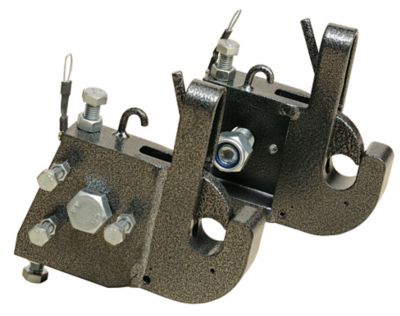
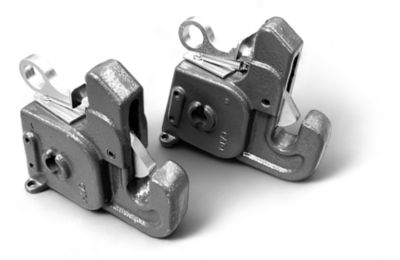
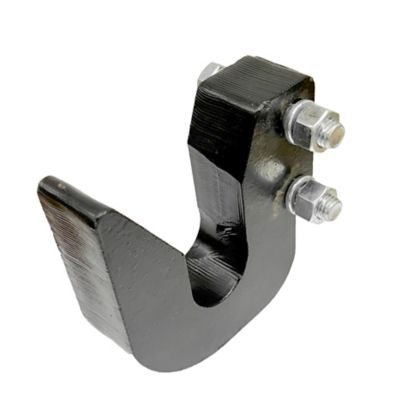
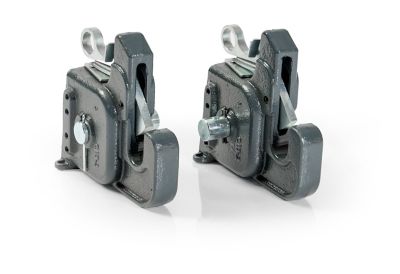
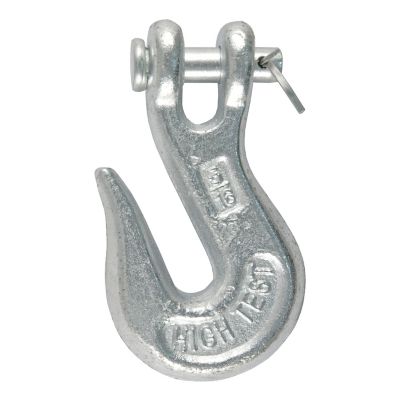
Some hook systems are built for a different job: positioning, securing or moving loads during lifting and rigging work. In those applications, it is important to understand the difference between a hook meant only to guide or align a load and one designed to carry a working load. Positioning hooks should not be treated as lifting hooks, and a swivel feature does not automatically make a hook suitable for every situation. Ball-bearing swivel hooks are made to rotate with a properly supported load, which can help reduce twisting in certain rigging arrangements, but they must still be used according to the manufacturer’s instructions and rated working load limit. Inspect hooks, latches, chains, straps, pins and mounting points before every use. Watch for cracks, bending, stretched openings, damaged threads, excessive wear, rust or a latch that does not close correctly. Never exceed the lowest-rated component in the setup, never stand beneath a suspended load and never use improvised hardware in place of properly rated rigging equipment. Remote or automatic release systems may be used in specialized industrial settings to keep workers farther from hazardous loads, but those applications require trained operators, compatible equipment and established safety procedures. For everyday storage, choose a wall hook or track system made for the items being hung; for load handling, follow the applicable equipment instructions and workplace rules. Taking a few minutes to match the hook, mounting method and intended task can make a storage area easier to use and help keep routine work moving smoothly through changing seasons.