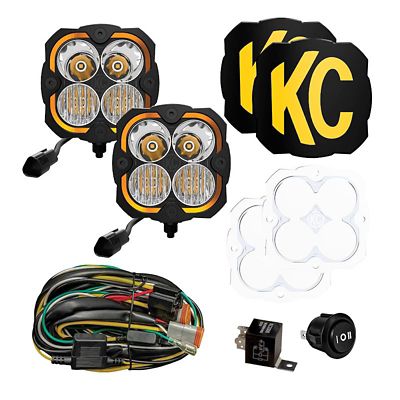
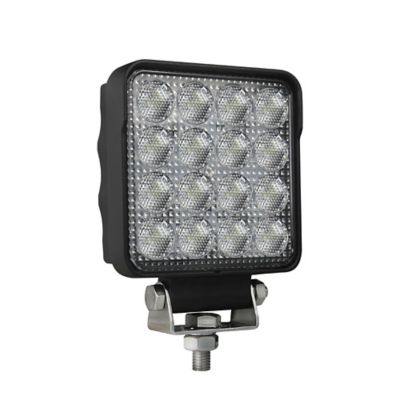
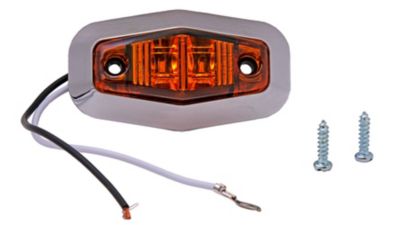
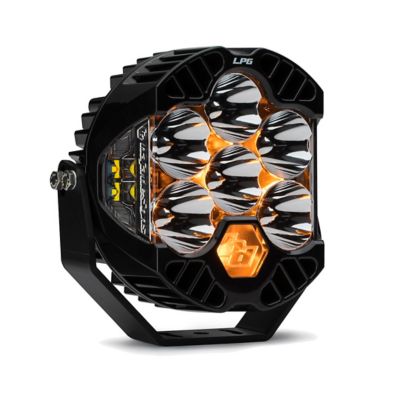
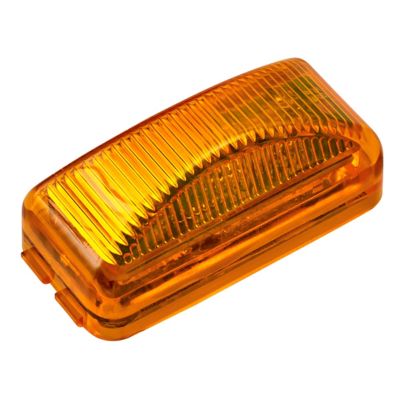
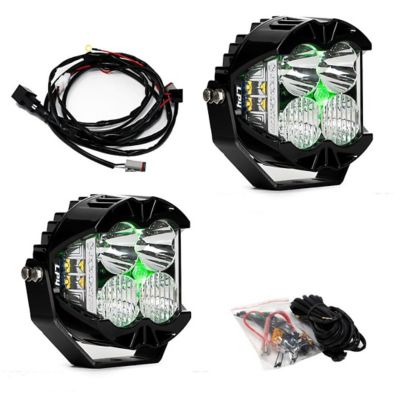
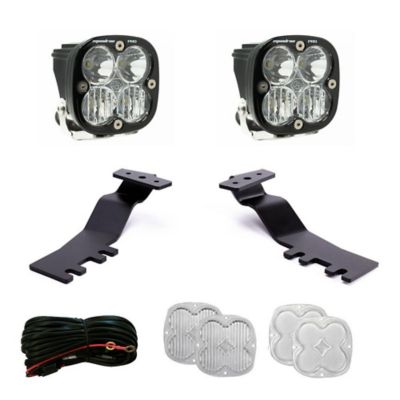
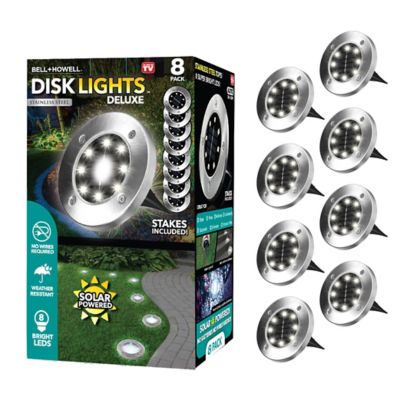
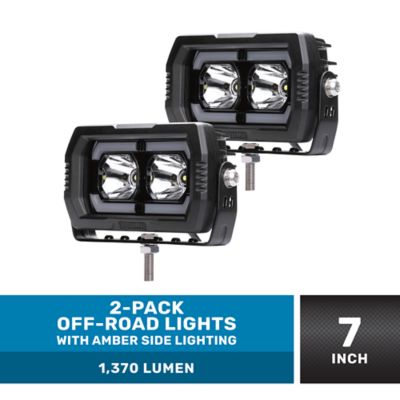
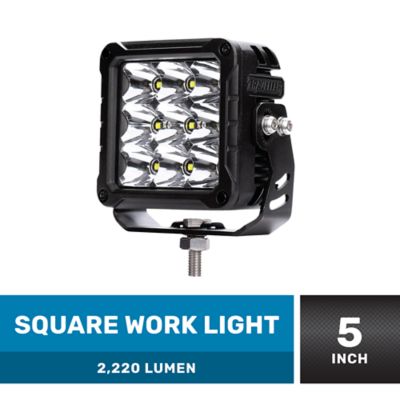
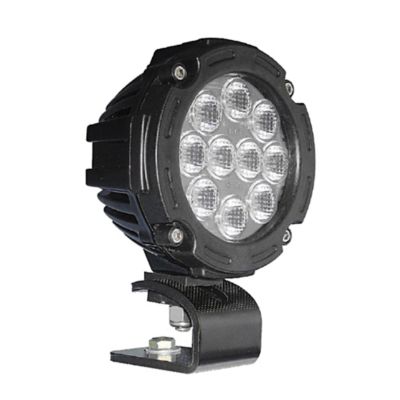
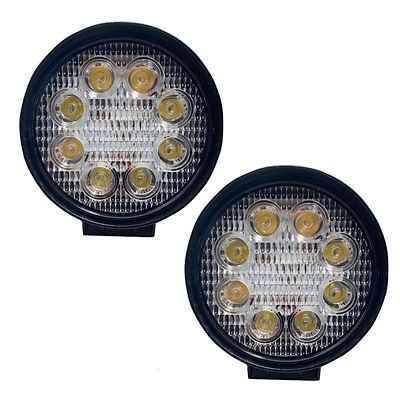
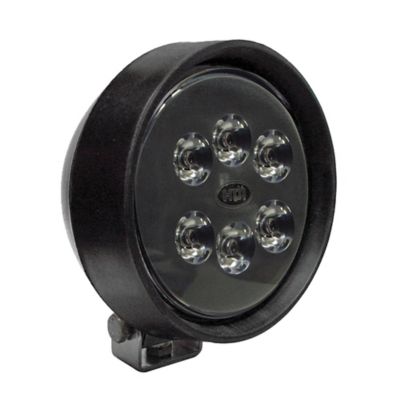
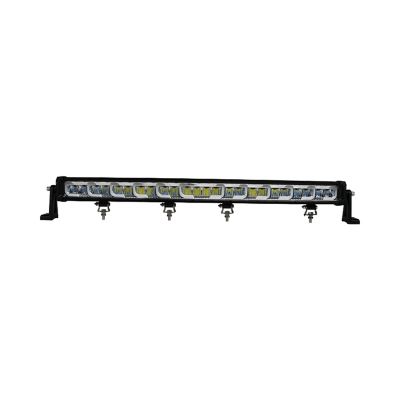
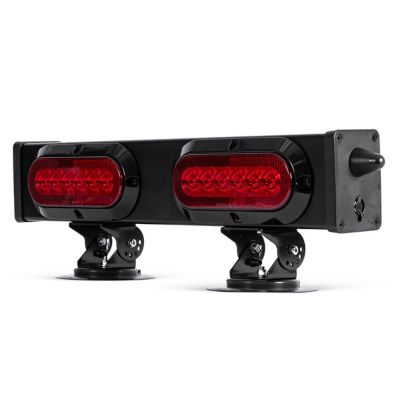
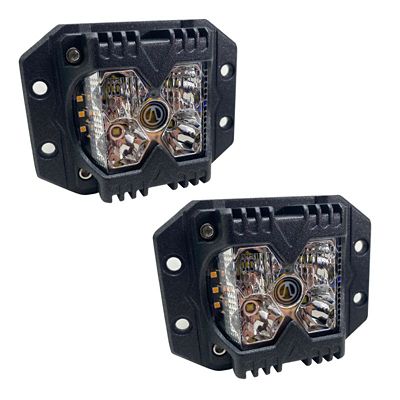
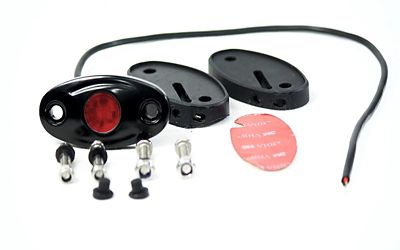
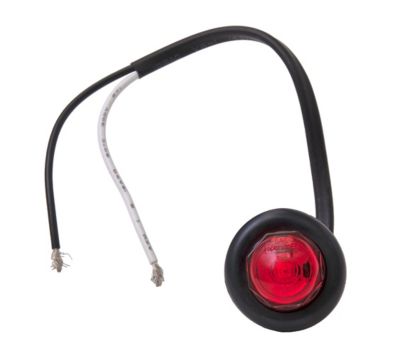
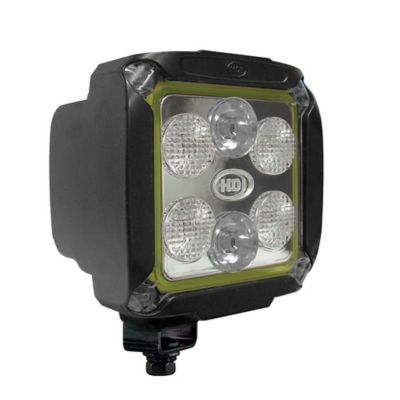
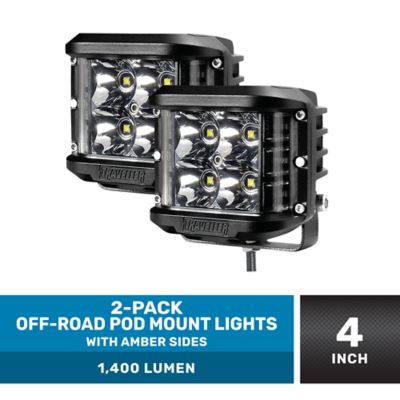
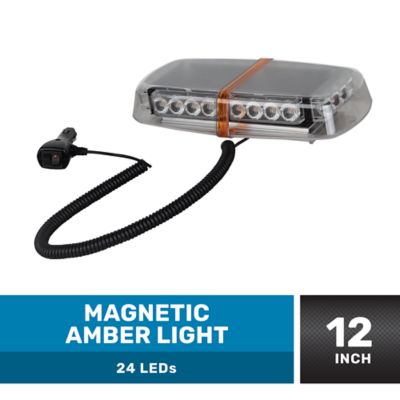
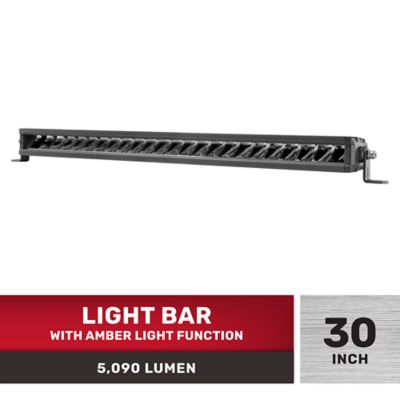
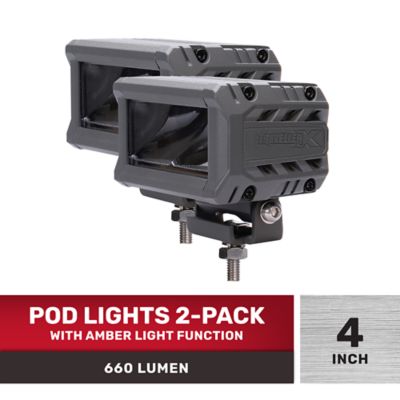
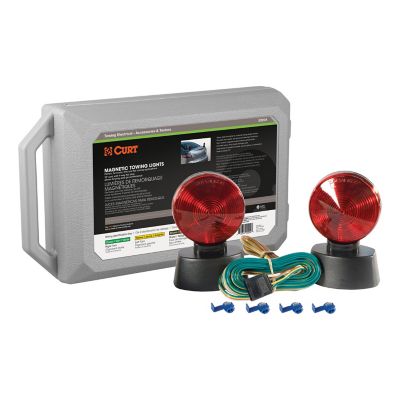
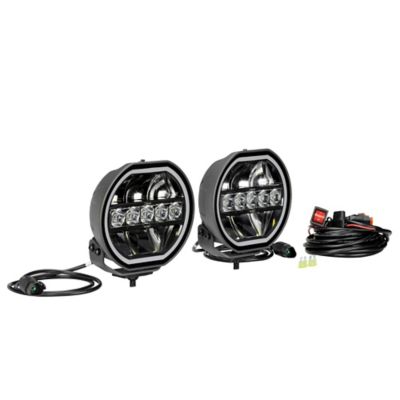
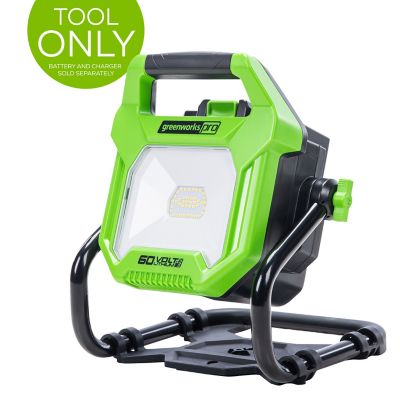
Trail lights are lighting products that help illuminate unpaved routes, wooded paths, and off-road work areas when daylight is no longer enough. For trucks, utility vehicles, and ATVs, the term generally refers to auxiliary lights that supplement the vehicle’s original lighting, including LED light bars, compact pods, and other forward-facing or area-lighting designs. Bicycle trail lights serve a similar purpose on a smaller scale, with mounts and power sources suited to riding rather than vehicle wiring. Trailer lights serve a different job: they communicate braking, turning, and vehicle presence instead of lighting the trail ahead. That distinction matters when matching lighting to the job, whether it is checking a back fence, traveling between pasture gates, or taking a familiar off-road route back to camp. Forward-facing trail lighting needs to reveal more than the center of the track. A rut near the shoulder, a low branch, and the edge of a narrow crossing can all sit outside a concentrated beam. Spot beams direct light farther down the route, while flood beams spread illumination across a wider area nearby. Combination patterns bring those two functions together, though their actual reach and spread depend on the optics and mounting position. Lumens describe total light output, but that number alone does not tell how clearly a driver will see the ground ahead. Beam shape, usable distance, and glare deserve just as much attention. A bright patch directly in front of the hood can make farther-away details harder to pick out, while poorly aimed lights can reflect off the hood or nearby equipment. For slow travel through gates and along fence lines, broad coverage can be more useful than a long, narrow beam. On a more open off-road route, additional distance may matter more, provided the lighting is matched to a sensible travel speed.
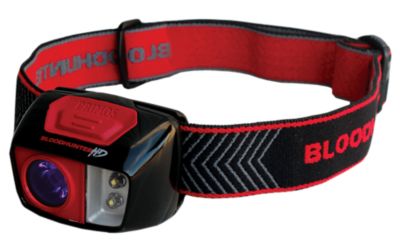
The best fit for a trail light involves its mounting footprint, electrical requirements, and the space around it, not just its overall length. A light bar that fits across a rack still needs clearance for brackets, wiring, and adjustment, and a compact pod needs enough room to aim without striking body panels. Mounting locations should leave the driver’s view clear and avoid interfering with steering, suspension travel, opening panels, or cargo. On a working utility vehicle, that might mean keeping lights clear of a tipping bed or making sure a loaded rack does not block the beam. Secure brackets and suitable hardware help lights hold their aim over rough ground; a loose mount can turn a useful beam into a distraction. Aluminum housings are common in LED trail lighting because they can help transfer heat away from the electronics, often with fins that increase the exposed surface area. Lens materials vary, with polycarbonate offering impact resistance and glass offering different scratch-resistance characteristics. Housing construction, lens protection, sealed connectors, and documented dust and water resistance all affect how well a light suits travel along dirt lanes and brush-lined routes. An ingress protection rating describes particular test conditions, so it should not be taken as permission for every kind of exposure or cleaning method. Electrical compatibility is equally important. Vehicle voltage, total current draw, wire size, and circuit protection need to match the lighting system. A properly sized harness, fuse, and relay, where required, help support the added load without asking an existing switch or circuit to carry more than it should. LED lights can provide substantial illumination with less electrical demand than many incandescent designs, but they still add to the vehicle’s load. Battery-powered bicycle trail lights bring a different set of fit considerations, including handlebar diameter, mount stability, battery placement, and runtime at the selected brightness setting. A steady handlebar beam lights the direction of the front wheel, while a compatible helmet-mounted light follows the rider’s gaze. Either arrangement should keep controls accessible and avoid adding a snag point or compromising the helmet.
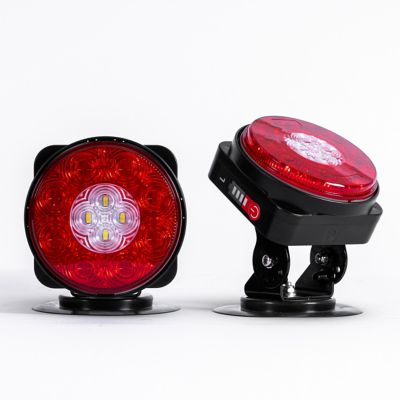
Everyday usefulness also comes down to how trail lights operate once the vehicle or bicycle is moving. Controls that are easy to reach, clearly separated lighting functions, and a beam that stays put make a difference when there is a gate latch to find or a tight bend ahead. For rechargeable lights, published runtime should be considered alongside the output setting because the brightest mode typically draws down the battery faster. Charging access and battery-status indicators can matter just as much as peak output on a longer outing. For vehicle-mounted systems, protected wire routing helps keep leads away from hot surfaces, sharp edges, and moving parts. Care is usually straightforward: keep lenses clear of dirt, remove buildup around cooling fins, and check brackets, connectors, and wiring for looseness or damage. Cleaning methods should follow the manufacturer’s directions, since harsh chemicals, abrasive wiping, or high-pressure spraying can harm some lenses and seals. A quick function check before heading down a remote lane can catch a flickering connection or a shifted beam before it becomes a bigger interruption. Auxiliary off-road lights are not automatically approved for public-road driving, and permitted placement, aiming, and operation vary by location. They should not replace required headlights or signal lamps, and beams need to be managed around other drivers, riders, and people on foot. If the task involves pulling a trailer rather than seeing farther down a trail,
LED Tail Lights belong to the signaling side of the setup, where correct stop, turn, and running-light functions are essential. Keeping illumination and signaling separate makes it easier to match each type of lighting to its purpose. Trail lighting can also make a practical gift for someone who spends time on a utility vehicle, tends acreage, or rides off pavement, as long as the vehicle fit, mounting needs, and power requirements are known. The most useful setup is one that puts light where the task calls for it without getting in the way of the work or the ride.