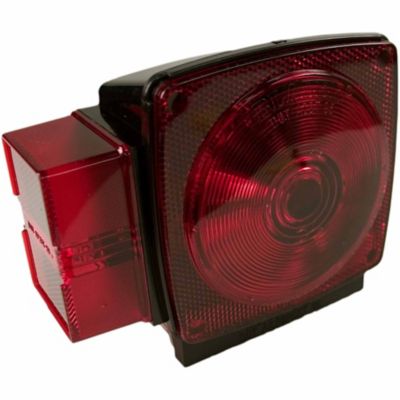
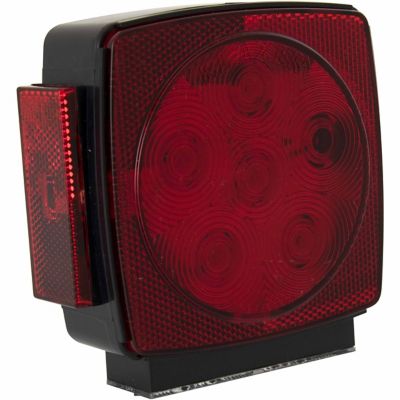
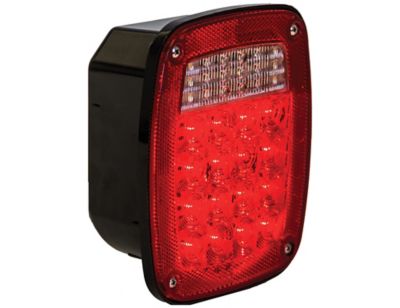
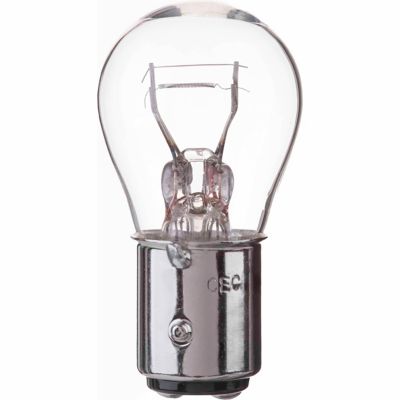
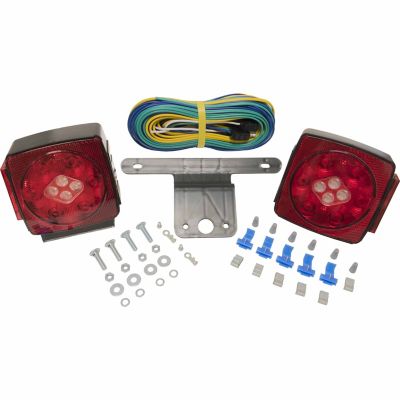
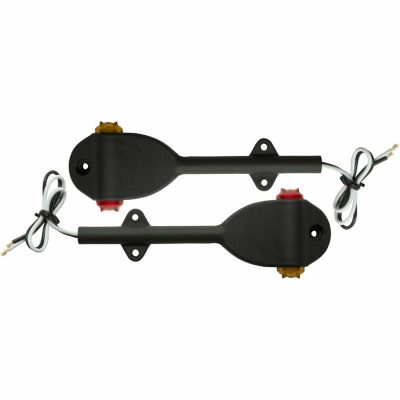
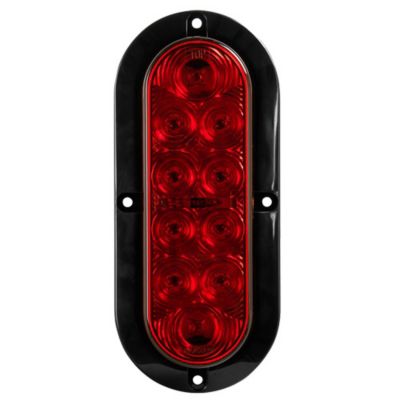
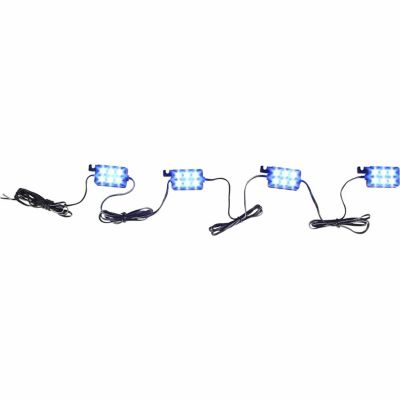
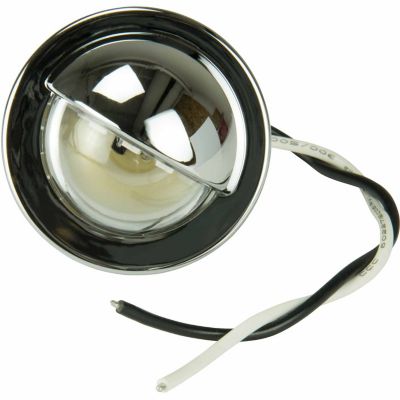
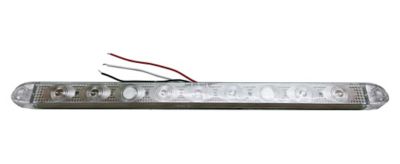
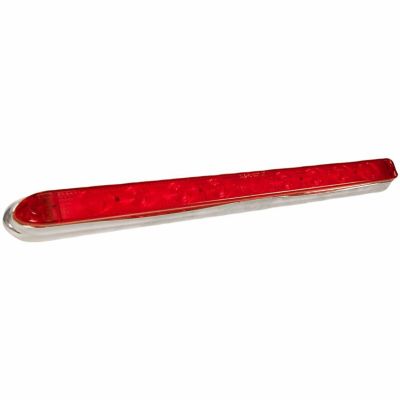
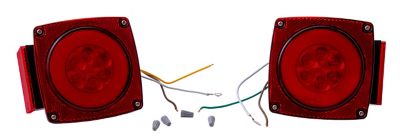
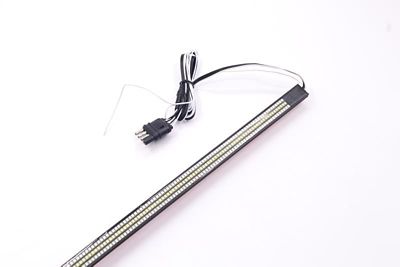
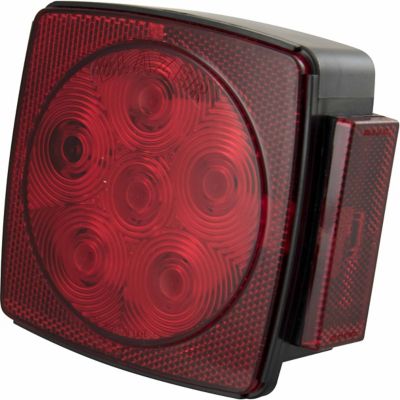
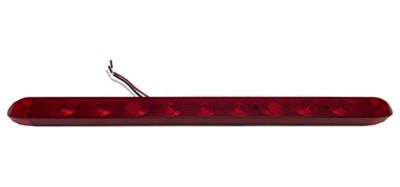
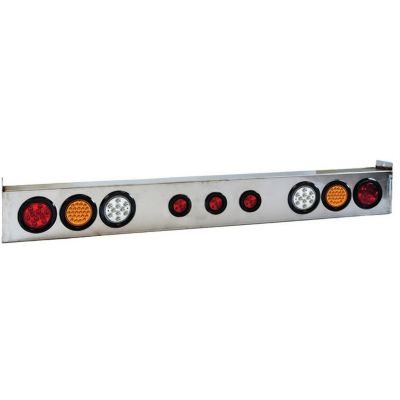
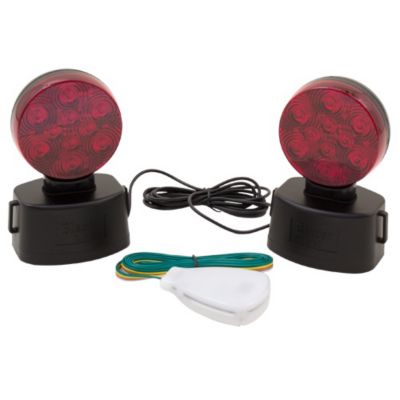
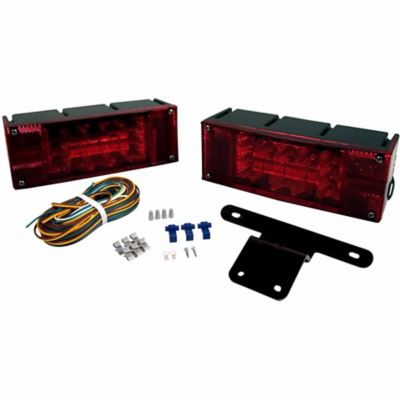
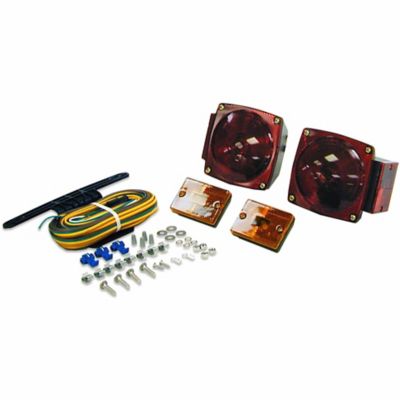
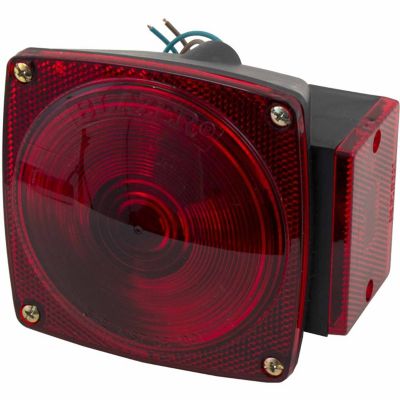
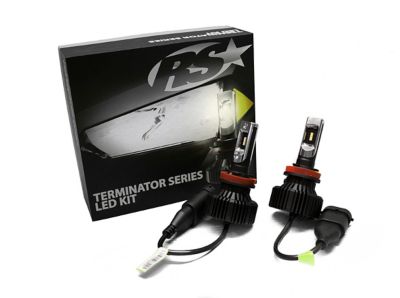
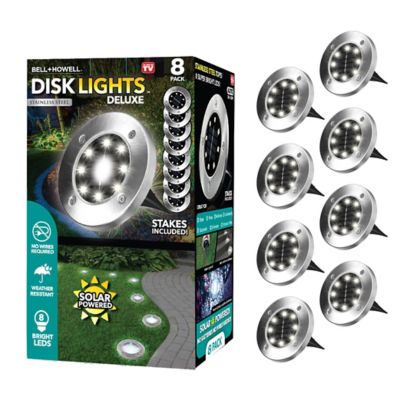
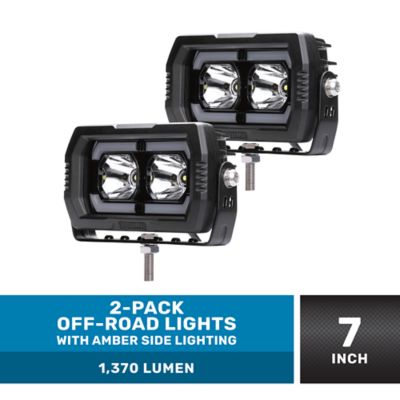
LED tail lights help drivers, truck owners and equipment operators make their vehicles easier to see from behind, whether they are heading down a two-lane highway, backing into a barnyard or pulling a trailer through changing weather. Unlike traditional incandescent bulbs, light-emitting diodes illuminate almost instantly when the brake pedal is pressed, giving following drivers a little more time to notice that traffic is slowing. They also use less electrical current and are built to last for many thousands of hours, which can mean fewer bulb changes and less time spent reaching behind a tailgate or removing a light housing. Depending on the vehicle and the style selected, LED tail lights may be available as replacement bulbs, complete rear-light assemblies or upgraded housings with features such as brighter running lights, integrated brake and turn signals, smoked or clear lenses, and sequential turn indicators. A clean, bright rear-light setup is especially useful on work trucks, farm vehicles, trailers, utility rigs, off-road vehicles and daily drivers that spend time on dusty roads or in low-light conditions. During the cooler months, when daylight fades earlier and rain, fog, frost or road spray can make vehicles harder to see, dependable rear lighting becomes an important part of a well-maintained vehicle.
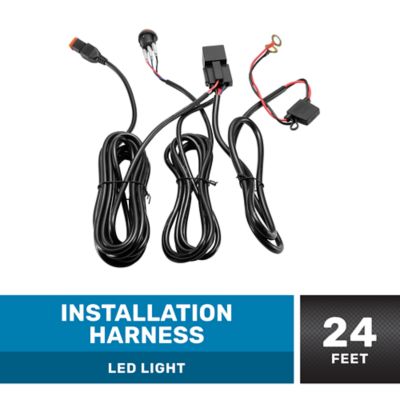
Fit is the first detail to check before adding LED tail lights to a truck, car, SUV, trailer or other vehicle. Start with the exact year, make and model, then confirm whether the vehicle came from the factory with halogen or LED lighting. These systems can use different connectors, wiring, resistors and control modules, so a light made for a factory halogen setup may not work correctly on a vehicle that originally used LED housings, and the reverse can also be true. Product listings may identify whether an assembly is a direct replacement, plug-and-play or designed to require wiring changes. A plug-and-play assembly with factory-style connectors can make installation more straightforward, while a universal light or replacement bulb may call for splicing, crimping, a load resistor or an additional wiring harness to prevent flickering, error messages or rapid turn-signal flashing. Before ordering, compare the number of bulbs or mounting points, connector style, lens shape, housing dimensions and signal functions. It also helps to inspect the existing light for cracked lenses, water inside the housing, loose mounts or corroded terminals, since those issues may need attention before a new light is installed. For a work truck that regularly hauls feed, fencing supplies or tools, a sealed, weather-resistant housing and a sturdy mounting design can be worthwhile. Trailer owners should confirm the light’s voltage, wiring arrangement and intended use, since trailer lighting requirements and connectors can differ from those on a passenger vehicle. Always follow the included instructions, secure wiring away from exhaust heat and moving parts, and test running lights, brake lights, turn signals and hazard flashers before getting on the road.
Brightness and style matter, but safe, road-legal performance should come first. Look for LED tail lights marked with applicable Department of Transportation, or DOT, and Society of Automotive Engineers, or SAE, compliance information when the lights will be used on public highways. The right light should be clearly visible without creating excessive glare or confusing other drivers. Smoked lenses, dark housings and distinctive light patterns can change the look of a vehicle, but they should not make brake or turn signals difficult to see in daylight, rain or blowing dust. Sequential signals and startup patterns add a custom touch on some assemblies, while a simple red running light and bright brake function may be the better match for a farm truck or utility trailer. Consider how the vehicle is used, how often it travels after dark and whether it is exposed to mud, gravel, washboard roads, road salt or frequent loading and unloading. LED tail lights can also make a practical gift for someone who takes pride in a pickup, restores an older vehicle, maintains a trailer or spends long hours working around the property; just make sure the recipient’s vehicle information is available so the fit is right. For additional ways to improve visibility around equipment, work areas and property entrances, browse
LED Spot Lights. With the correct fit, dependable sealing and proper compliance markings, LED tail lights offer a long-lasting way to refresh a vehicle’s rear lighting and help make every trip, haul and backing maneuver easier for others to see.