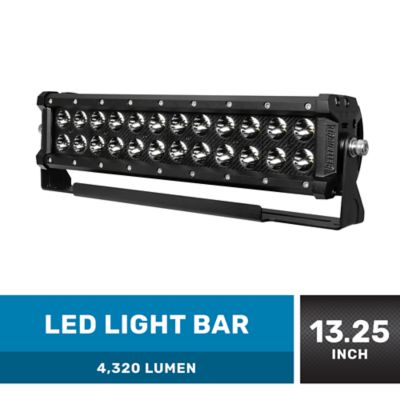
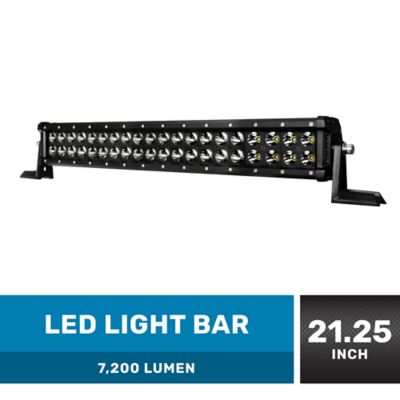
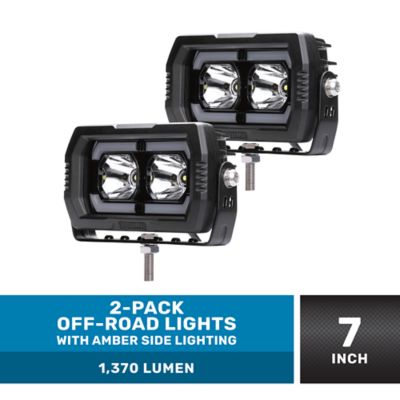
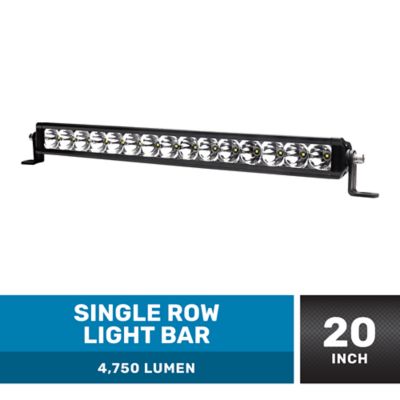
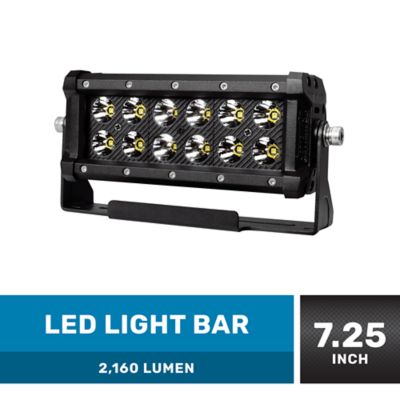
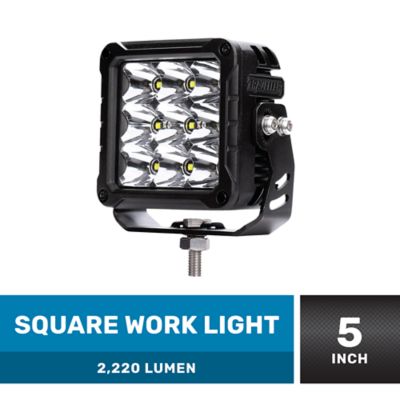
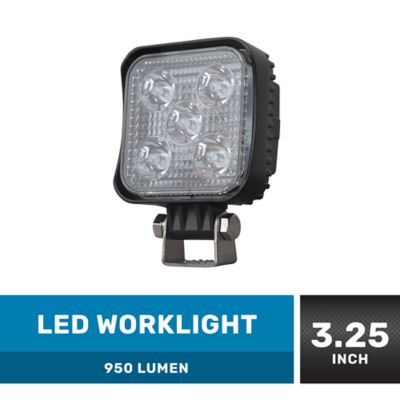
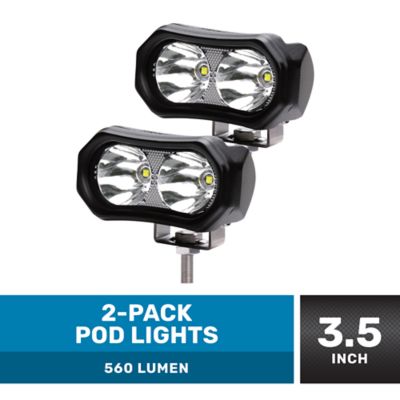
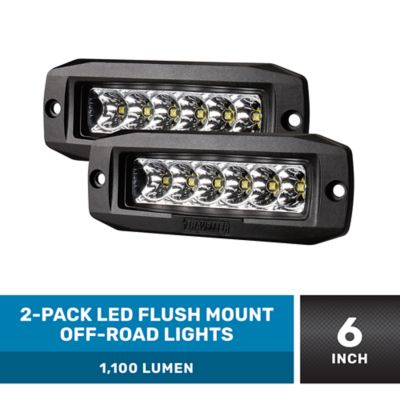
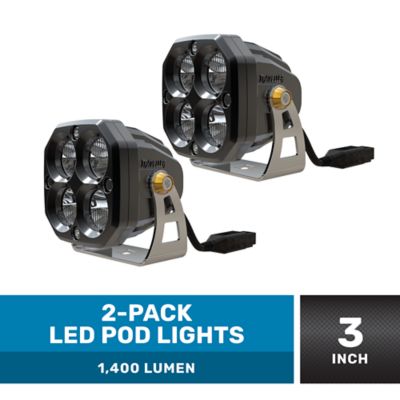
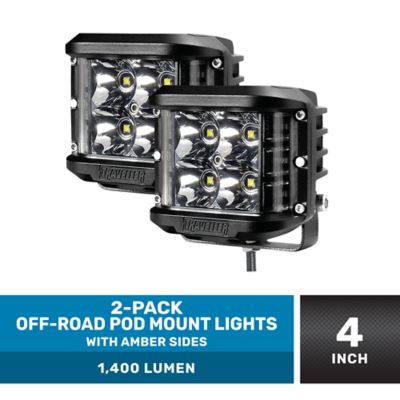
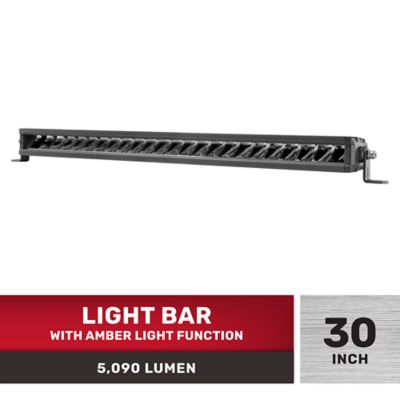
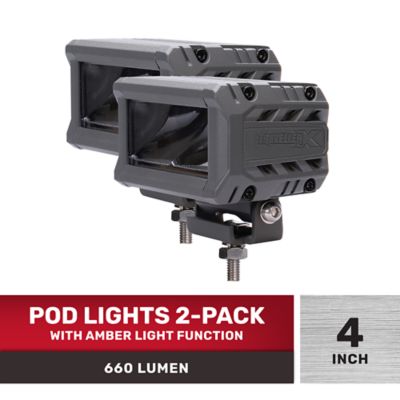
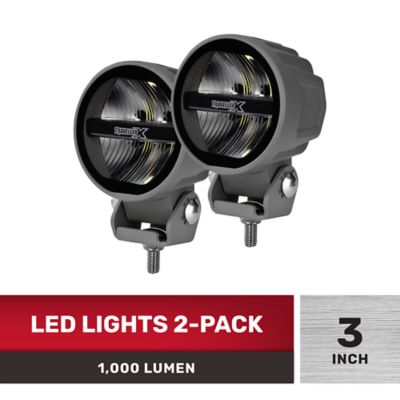
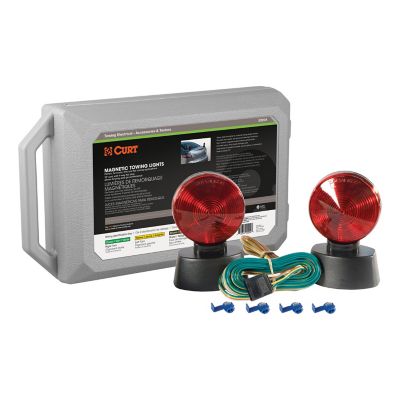
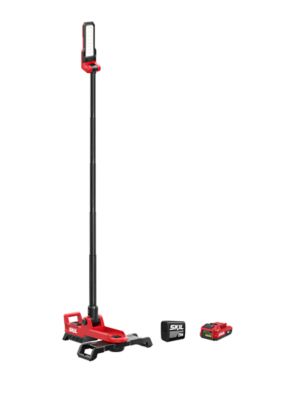
Tractor LED lights are a practical way to bring more usable light to early-morning chores, evening fieldwork, and the long stretch of work that can run past daylight during the cooler months. Compared with older halogen or HID lighting, LED lights typically produce a brighter beam while using less electrical power, and they are built to last through the dust, vibration, moisture, and rough handling that come with life around a farm or acreage. Better visibility can make it easier to line up an implement, check a fence row, watch a livestock gate, or see the ground when backing into a shed. A broad flood beam helps light up the area directly around the tractor, while a focused spot beam reaches farther down a lane, across a field, or toward the edge of a work area. Some setups combine both beam patterns so the operator can see close-up details without giving up distance. When shopping for tractor LED lights, start with the job and the machine rather than the appearance of the light alone. Headlights, hood lights, cab work lights, rear-facing lights, and compact work pods each serve a different purpose. A full replacement kit may be the cleanest choice when you want lighting that follows the original mounting points and wiring, while individual lights can be useful for adding illumination to a loader, rear hitch, sprayer, mower, utility vehicle, or workshop. Check the tractor’s make, model, year, available mounting space, connector style, voltage, and alternator capacity before ordering. A light that fits one machine may require a different bracket, plug, or wiring connection on another. Plug-and-play wiring can simplify installation, but some upgrades may call for relays, fuses, adapter harnesses, or professional help. Following the manufacturer’s wiring instructions and keeping connections protected from water and abrasion helps the lights perform reliably season after season.
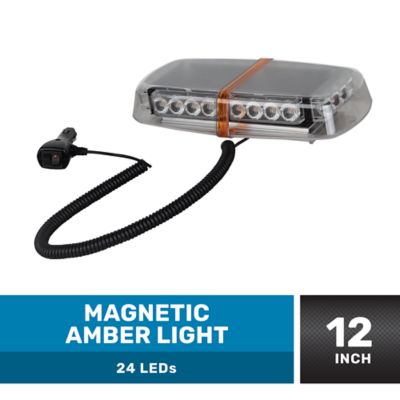
The work environment matters just as much as brightness. Look for sturdy housings, sealed connectors, and weather-resistant construction when lights will be exposed to rain, mud, wash water, blowing dust, or freezing conditions. IP68 and IP69K ratings are commonly associated with strong resistance to water and dust, though the rating is only one part of the overall design. A solid mounting bracket, shock-resistant lens, and heat-dissipating housing are important on equipment that spends the day bouncing over ruts or crossing rocky ground. Pay attention to claimed lumen output, but keep in mind that beam pattern and placement affect what the operator actually sees. A very high-output light aimed too close can create glare, while a well-positioned moderate-output light may provide more useful coverage. Consider how many lights the tractor can support and whether the electrical system can handle the total draw. LEDs generally use fewer amps than comparable older bulbs, which can be easier on an aging alternator and battery, but every installation still needs properly sized wiring and protection. Light color can also make a difference. A clean white beam can sharpen detail around equipment, while amber warning lights are designed to improve visibility to other people and vehicles near a work area. Portable magnetic beacons can be moved between tractors, trailers, UTVs, and other equipment, making them handy when the same machine is not always used for roadside work or when a temporary warning light is needed. Keep warning lights positioned where they can be seen without blocking the operator’s view, and follow local rules for flashing lights on farm equipment and vehicles traveling on public roads. For jobs away from the tractor or places where wiring is not practical, browse
Battery Operated Work Lights for a portable lighting option that can be carried into a barn, shed, trailer, or equipment bay.
Tractor LED lights can be useful for a wide range of folks, from row-crop farmers and livestock owners to acreage managers, grounds crews, and anyone who keeps equipment working after sunset. A rear work light can brighten the hitch and implement when changing attachments, while side-mounted lights can help illuminate a loader bucket, fence line, feed bunk, or driveway. Lights mounted higher on a cab can spread illumination across a larger work area, and lower-mounted pods can provide close-range light where shadows tend to collect. They are also a thoughtful gift for a farmer, rancher, hobby homesteader, or mechanically minded family member who spends plenty of time maintaining equipment and tackling chores before sunrise. Before installation, clean the mounting surface, inspect existing wiring, and plan the light direction with the tractor parked on level ground. After the lights are in place, test them at night and adjust the aim so the beam covers the work area without shining directly into another operator’s eyes or toward nearby homes and roads. Keep lenses free of mud and crop residue, check brackets for loosening after heavy use, and inspect wiring for pinches or worn insulation during routine maintenance. In open country, dependable lighting can turn a dark, muddy task into a more controlled job, whether that means checking a water tank, finishing a hay pass, clearing a driveway, or getting equipment safely back under cover. Choosing the right combination of beam pattern, mounting style, durability, brightness, and power use helps make tractor LED lights a useful part of a dependable work setup rather than just another add-on.