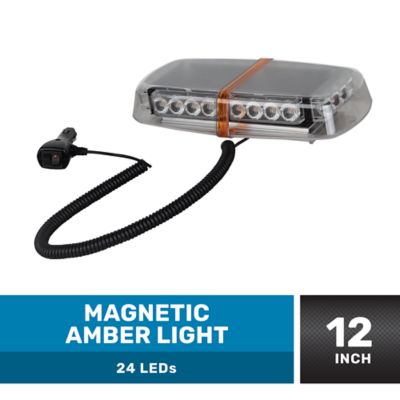
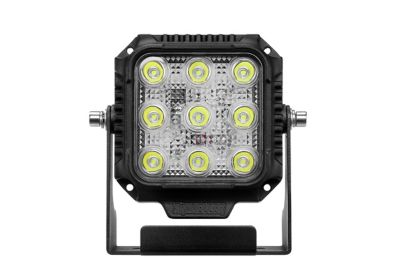
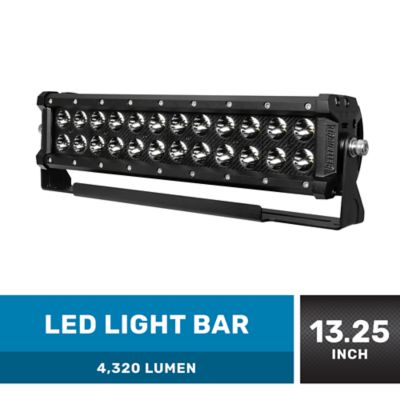
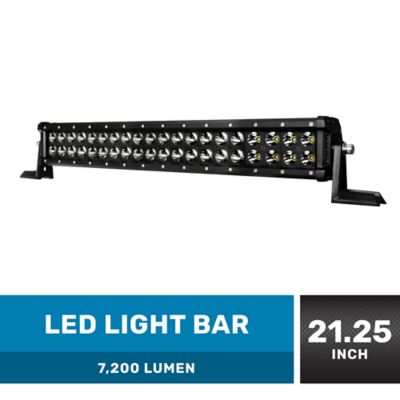
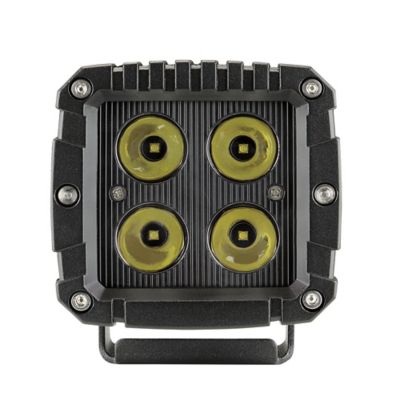
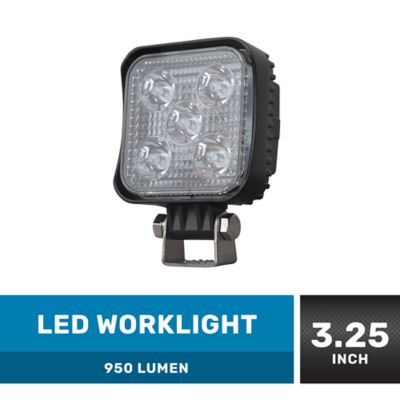
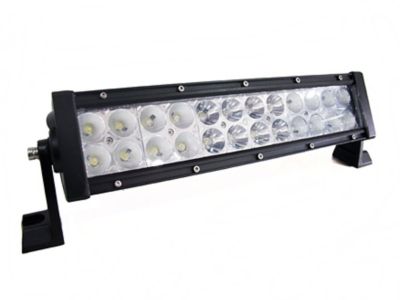
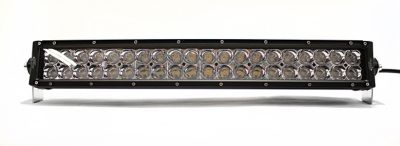
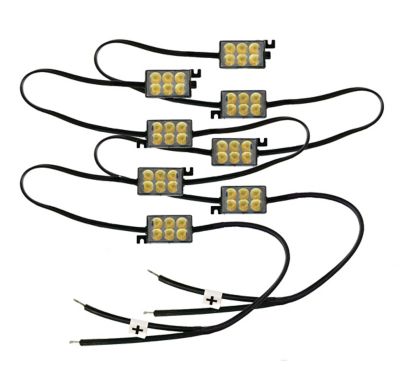
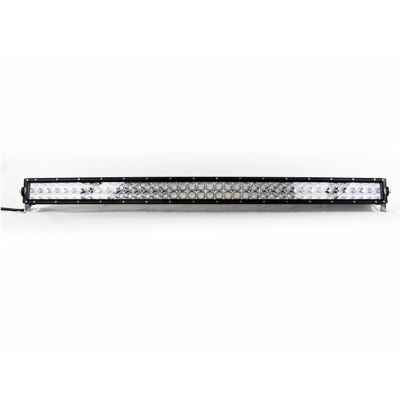
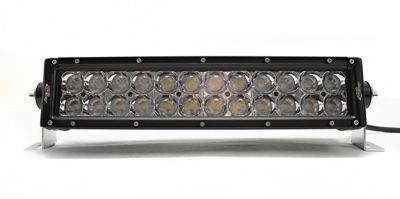
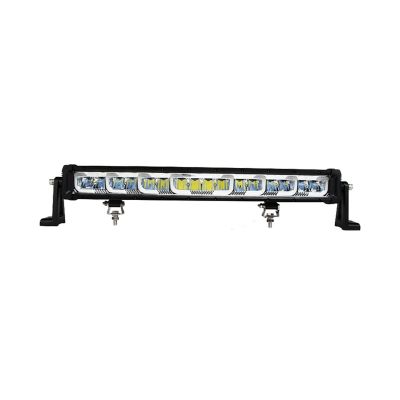
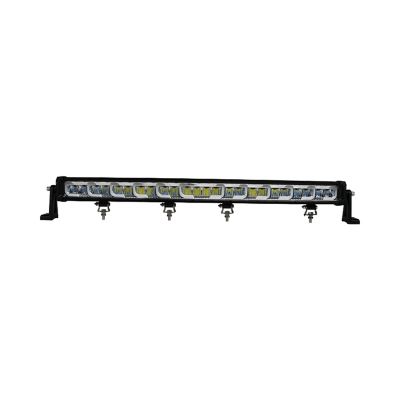
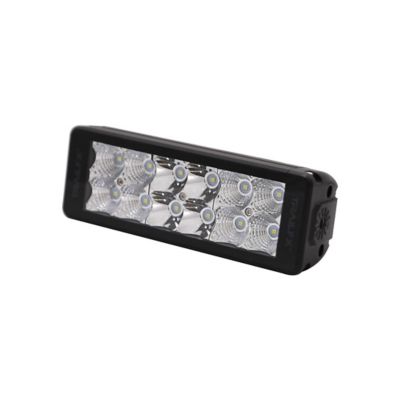
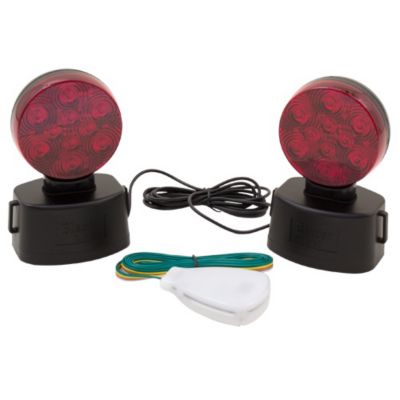
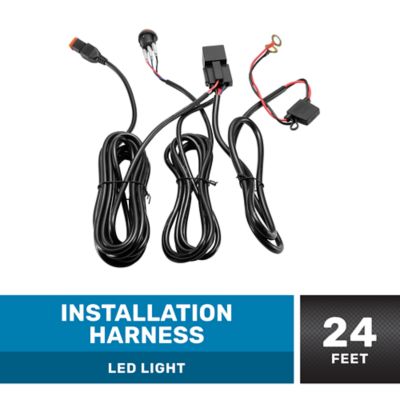
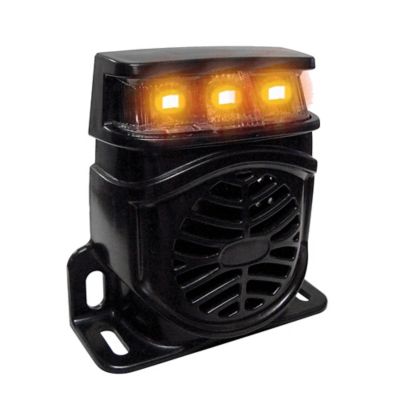
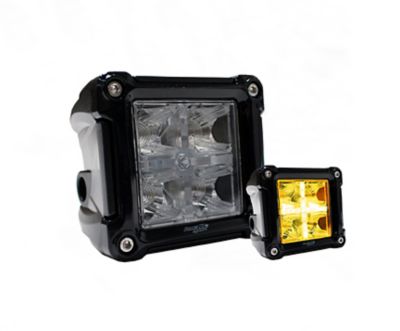
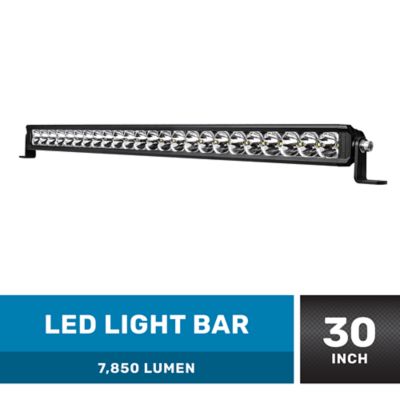
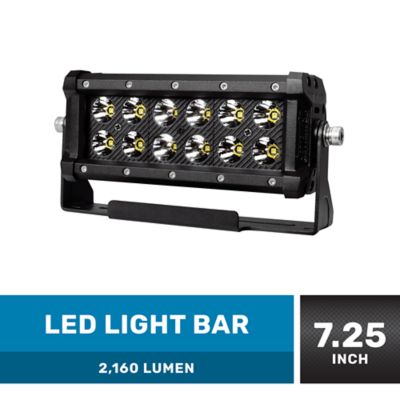
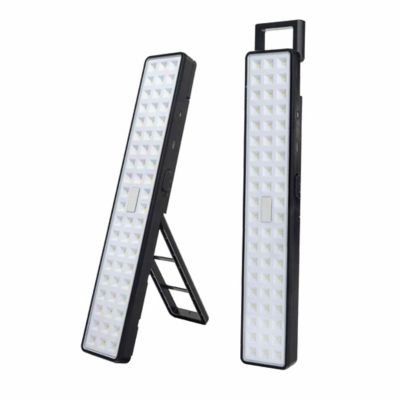
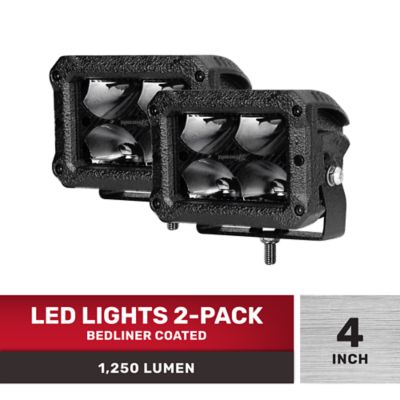
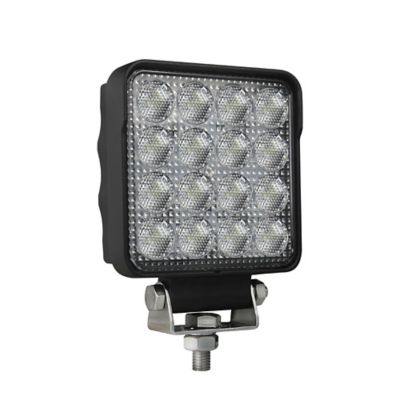
Truck LED lights cover a range of jobs, from lighting a pickup bed before daylight to helping other drivers see a truck’s position and signals on the road. The category includes LED headlight assemblies, replacement bulbs, tailgate light bars, marker and clearance lights, work lights, off-road light bars, compact pods, and bed lighting. Each serves a different purpose, so the right match depends on where the light goes and what it needs to illuminate. A ranch truck backing toward a feed shed needs a different beam than a pickup traveling a wooded trail or hauling equipment down the highway. LEDs generally draw less power than halogen lighting with comparable light output, although a large auxiliary lighting setup can still place a substantial load on the electrical system. Beam shape matters just as much as brightness. A spot beam concentrates light farther ahead, while a flood beam spreads it across a wider area nearby. Combination beams bring those patterns together for mixed terrain. For lighting beyond the pavement,
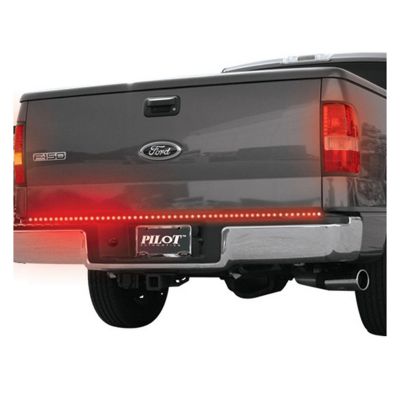
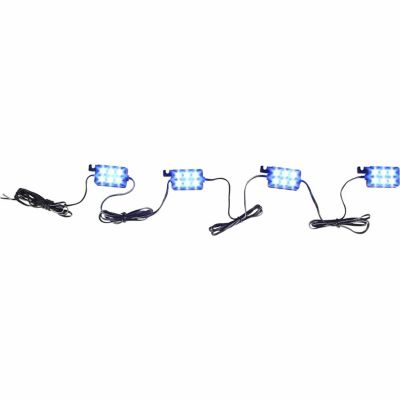
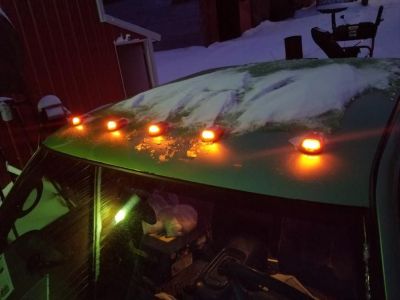
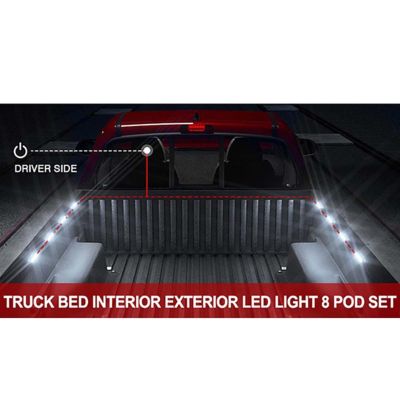
Off Road LED Lights cover applications such as seeing trail edges, gates, and uneven ground where auxiliary lighting is permitted. Bed lights serve a closer-range purpose, making tie-downs, tool handles, and the corners of a loaded cargo area easier to see. Tailgate light bars may provide supplemental running, brake, turn, or reverse functions, depending on their design and wiring. Marker and clearance lights help communicate a vehicle’s presence and dimensions, with requirements that vary by vehicle configuration. These functions are not interchangeable, and extra lighting does not replace required vehicle lamps. For farm work, hunting trips, towing, or everyday driving during the cooler months, useful truck lighting starts with putting the right beam in the right place rather than simply adding the brightest light possible. A softly lit bed can be more helpful for finding a dropped hitch pin than a powerful forward-facing bar.
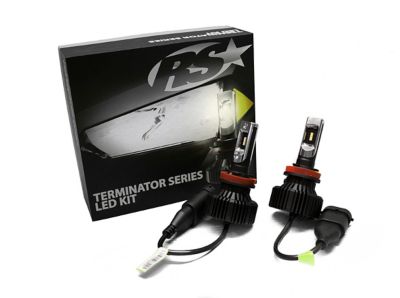
Fit involves more than finding room on a bumper or roof rack. Truck LED lights need mounting points, electrical connections, and operating voltage that match the vehicle and the intended application. Many pickups have 12-volt electrical systems, while some larger work trucks have 24-volt systems; the light’s rated voltage needs to suit the truck. Replacement headlight bulbs also need the correct bulb base, clearance behind the housing, and compatibility with the vehicle’s electronics. An LED bulb that physically fits a halogen housing is not automatically suitable or legal for highway driving. The complete lighting setup must maintain the proper beam pattern and meet applicable requirements, without throwing glare into approaching traffic. Vehicle-specific assemblies and application information help establish that fit. Auxiliary lighting brings its own practical considerations, including bracket spacing, light dimensions, hood clearance, and whether a mount interferes with parking sensors, cameras, airflow, or access to a winch. A roof-mounted bar can cast light onto the hood, while a lower mount may be more exposed to brush, gravel, and mud. Aluminum housings are common because they shed heat, and finned heat sinks help carry warmth away from LED components. Polycarbonate lenses offer impact resistance, while sealed connectors and properly seated gaskets help keep moisture out of electrical connections. An ingress protection rating describes tested resistance to dust and water, but it does not mean every light can tolerate pressure washing or prolonged submersion. Stainless steel hardware and corrosion-resistant finishes are worth considering for trucks that encounter road salt, wet fields, or muddy lanes. Wiring deserves equal attention: suitable wire size, circuit protection, and a relay when required help support the electrical load. Cables should stay clear of exhaust heat, sharp edges, and moving parts, with protected passage through metal panels. For a truck that works far from the barn, a secure mount and protected wiring matter every bit as much as the light output printed on the package.
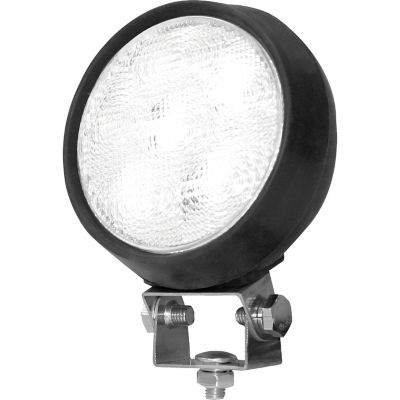
Everyday usefulness often comes down to details that are easy to overlook until the truck is loaded and daylight is fading. Under-rail bed lighting can illuminate cargo without taking up floor space, but placement matters when a toolbox, bed cover, or tall load blocks the beam. Rear-facing work lights can help illuminate a hitch or unloading area on private property, provided they are positioned and operated without dazzling anyone nearby. They should not shine into following traffic during road travel. Tailgate lighting needs enough clearance for the gate to open freely and for access to the spare-tire mechanism, where applicable. Signal connections also need to match the truck’s wiring arrangement, especially when trailer connectors already serve towing equipment. Color and brightness deserve some thought, too. Very cool white light can produce distracting reflections from pale gravel, wet surfaces, or falling snow, and higher lumen output does not necessarily mean better visibility in those conditions. Published beam patterns and testing information give more context than a brightness figure alone. Public-road rules vary by state and lighting function, including permitted colors, mounting locations, and when auxiliary lamps may operate. Off-road lamps may need covers or must remain switched off on public roads. For long service life, regular care is straightforward: remove mud and road film with a soft cloth and mild cleaner, rinse gently, and check the manufacturer’s care directions before applying chemicals. Inspect brackets, connectors, and wire protection after rough travel, and look for loose fasteners or trapped moisture. Keep cooling fins clear of packed dirt so heat can escape. Truck LED lights can make a practical gift for someone who tends livestock, maintains acreage, camps, or hauls equipment, but vehicle details and the intended mounting location matter more than appearance alone. Knowing whether the recipient needs cargo lighting, replacement road lighting, or a work-area beam helps narrow the choice. The most useful setup supports the way the truck earns its keep, whether that means checking a fence after sundown, securing a load outside the shop, or getting gear packed before an early start.